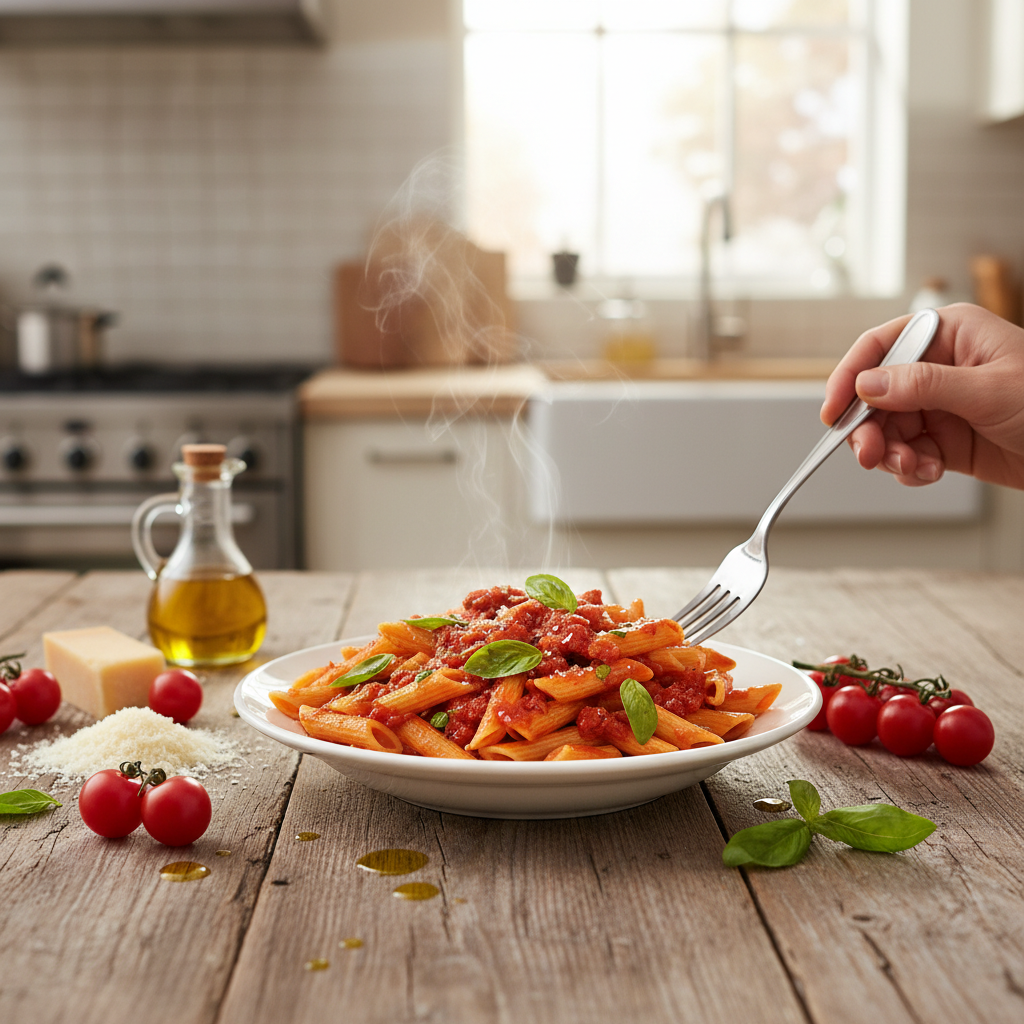
Tag: Weeknight Meals

  • 15 Easy Pasta Recipes for Quick Dinners (AI-Powered Ideas)

    15 Easy Pasta Recipes for Quick Dinners (AI-Powered Ideas)

    Easy pasta recipes are simple dishes that can be prepared quickly, often in 30 minutes or less, using minimal pantry staples. The best examples include classics like Cacio e Pepe, Spaghetti with Garlic and Olive Oil (Aglio e Olio), and simple tomato-based sauces, all of which are perfect for fast and satisfying weeknight dinners.

    Tired of staring into the fridge, wondering what to make for dinner? Busy weeknights call for quick solutions, and pasta is often the perfect answer. Still, finding exciting yet easy pasta recipes can feel like a chore, even with a full pantry. Imagine delicious, satisfying pasta dishes appearing at your fingertips, tailored to your tastes and ingredients. We’re here to make that a reality.

    At Recipe-GPT, we believe mealtime should be simple and enjoyable. Our solution uses AI to transform your cooking experience by eliminating endless scrolling and complicated steps. The AI-powered generator provides personalized, simple pasta recipes for any skill level. Think of it as your smart cooking companion, always ready with the perfect pasta idea for any occasion.

    In this article, we’ll share 15 easy pasta recipes designed for quick dinners. They’re perfect for busy families, students, or anyone craving a delicious meal without the fuss. You’ll find simple dishes that use few ingredients but deliver maximum flavor. Discover how AI can simplify your meal planning and inspire pasta dishes tailored to your kitchen. Let’s make pasta night the easiest night of the week!

    Why Use AI for Easy Pasta Recipes?

    Find Quick Dinner Ideas Instantly

    Tired of wondering what to make for dinner? Mealtime indecision can be frustrating, but Recipe-GPT makes it easy to find quick pasta recipes instantly.

    Our AI-powered tool generates easy pasta dishes in seconds, which means less time searching and more time cooking. Enjoy simple, stress-free pasta recipes whenever you need them.

    Use Ingredients You Already Have

    Tired of endless grocery runs? Recipe-GPT helps you cook with what you already own. Just look in your pantry, tell us your ingredients, and our AI will suggest a delicious pasta idea.

    For example, if you have canned tomatoes and garlic, you’ll get a perfect recipe tailored to those items. This approach not only saves you money but also helps reduce food waste [1].

    Whip up a meal anytime without a complicated shopping list. It’s easy to discover amazing simple pasta dishes using just what’s on hand.

    Personalize Your Meal

    Cooking for different tastes can be a challenge. Whether you need a gluten-free meal or a vegetarian option, Recipe-GPT makes personalization simple so every meal fits your needs perfectly.

    Our AI understands your preferences and can adjust easy pasta recipes instantly, ensuring your dish is always just right. Consider these common customizations:

    • Need a high-protein boost?
    • Prefer low-carb options?
    • Cooking for one, or for a big family?
    • Looking for simple pasta recipes for kids?

    It even offers clever substitutions, giving you confidence in every meal choice. Make your next pasta night truly yours.

    Our Top 10 Quick and Easy Pasta Recipes

    A beautifully plated bowl of Lemon Garlic Shrimp Pasta with fresh parsley and a lemon wedge, ready to be enjoyed.
    Professional food photography, photorealistic, high-quality food magazine photo style. A stunning, perfectly plated bowl of vibrant Lemon Garlic Shrimp Pasta, showcasing al dente spaghetti glistening with sauce, plump cooked shrimp, fresh parsley, and a lemon wedge garnish. Shot from a slightly overhead angle on a rustic wooden table, with soft, inviting natural light. The background is softly blurred to keep focus on the dish.

    Our Top 5 Quick and Easy Pasta Recipes

    Dinnertime doesn’t have to be a puzzle. With Recipe-GPT, you can turn a handful of ingredients into a fantastic meal in just minutes. Our AI-powered generator finds personalized pasta recipes that are quick, easy, and delicious. Say goodbye to guesswork and hello to tailored meals focused on speed, flavor, and minimal effort. Get ready to discover your new favorite dish.

    Here are five of our favorite recipes, perfect for busy weeknights or anytime you need fast, satisfying inspiration.

    Classic 3-Ingredient Cacio e Pepe

    A marvel of simplicity, this traditional Roman dish proves that incredible flavor can come from just three quality ingredients: pasta, Pecorino Romano cheese, and black pepper. With Recipe-GPT, you can easily find the perfect proportions for your serving size.

    Ingredients:

    • 200g spaghetti or tonnarelli
    • 60g Pecorino Romano cheese, finely grated
    • 10g black peppercorns, freshly ground
    • Salt (for pasta water)

    Simple Steps:

    1. Cook pasta in salted water until very al dente.
    2. Toast freshly ground black pepper in a dry pan over medium heat.
    3. Add a ladle of hot pasta water to the pan with pepper.
    4. Drain pasta, reserving plenty of pasta water.
    5. Add pasta to the pepper pan and stir well.
    6. Gradually add grated Pecorino Romano and more pasta water, stirring vigorously to emulsify.
    7. Continue this process until a smooth, creamy sauce forms.
    8. Serve immediately with extra black pepper.

    Recipe-GPT Tip: Need to adjust serving sizes? Just ask Recipe-GPT. Our AI instantly calculates the right ingredient ratios for a perfect, creamy sauce and can even suggest the best pasta types to use.

    Variations & Tips:

    • Cheese Choice: While Pecorino Romano is classic, a blend with Parmesan can soften the flavor.
    • Spice Level: Adjust the amount of black pepper to your preference.
    • Creaminess: The key is using starchy pasta water and quick emulsification.

    Quick Spaghetti with Garlic and Olive Oil (Aglio e Olio)

    Spaghetti Aglio e Olio is the ultimate simple pasta, often ready in less than 15 minutes. This dish beautifully highlights fresh garlic and quality olive oil, making it a fantastic option when your pantry seems empty. In fact, many cultures have a version of garlic and oil pasta [2].

    Ingredients:

    • 200g spaghetti or linguine
    • 4-6 cloves garlic, thinly sliced
    • 60ml extra virgin olive oil
    • Pinch of red pepper flakes (optional)
    • Fresh parsley, chopped (optional)
    • Salt and black pepper to taste

    Simple Steps:

    1. Cook pasta in salted water according to package directions. Reserve about 1 cup of pasta water.
    2. Meanwhile, heat olive oil in a large skillet over medium-low heat.
    3. Add sliced garlic and red pepper flakes (if using). Cook until golden and fragrant, being careful not to let the garlic burn.
    4. Drain pasta and add it directly to the skillet with the garlic oil.
    5. Toss to combine, adding a splash of reserved pasta water as needed to create a light sauce.
    6. Season with salt and pepper. Stir in fresh parsley, if desired.
    7. Serve hot.

    Recipe-GPT Tip: No parsley? Ask Recipe-GPT for other fresh herb suggestions. Our AI can also help you find the perfect main dish to pair with this light pasta.

    Variations & Tips:

    • Lemon Zest: A little lemon zest adds brightness.
    • Protein Boost: Add cooked shrimp or chicken at the end.
    • Vegetarian Twist: Sautéed mushrooms or spinach are great additions.

    Simple One-Pot Tomato and Basil Pasta

    Imagine dinner with minimal cleanup. This one-pot pasta is a dream come true for busy cooks, as all the ingredients cook together in a single pot. The result is a vibrant, flavorful dish that saves you time without sacrificing taste. For more efficient meal ideas like this, just ask Recipe-GPT.

    Ingredients:

    • 300g linguine or spaghetti, broken in half
    • 400g can diced tomatoes (undrained)
    • 1 onion, thinly sliced
    • 3-4 cloves garlic, minced
    • 60g fresh basil leaves, roughly chopped
    • 80ml extra virgin olive oil
    • 700ml vegetable broth or water
    • Salt and black pepper to taste
    • Parmesan cheese for serving (optional)

    Simple Steps:

    1. Combine the pasta, diced tomatoes, onion, garlic, half of the basil, olive oil, and broth in a large pot.
    2. Bring to a boil over high heat.
    3. Reduce heat to medium-high and cook, stirring frequently, for about 9-12 minutes.
    4. Continue stirring until most of the liquid has evaporated and the pasta is al dente.
    5. Season with salt and pepper.
    6. Stir in the remaining fresh basil.
    7. Serve immediately, topped with Parmesan cheese if desired.

    Recipe-GPT Tip: Running low on fresh basil? Ask Recipe-GPT for herb substitutions. Our AI can also suggest adding protein, like canned chickpeas, to make this a more complete meal.

    Variations & Tips:

    • Spicy Kick: Add a pinch of red pepper flakes with the initial ingredients.
    • Veggies: Spinach or cherry tomatoes can be added in the last few minutes of cooking.
    • Creamy Version: Stir in a splash of heavy cream at the very end for richness.

    Easy Creamy Lemon Pasta

    Bright, zesty, and incredibly satisfying, this creamy lemon pasta is a quick crowd-pleaser that comes together in about 20 minutes. Fresh lemon juice cuts through the rich cream to create a perfectly balanced and irresistible flavor, making it ideal for spring or summer dining.

    Ingredients:

    • 200g spaghetti or fettuccine
    • 2 tablespoons butter
    • 2 cloves garlic, minced
    • 180ml heavy cream
    • Juice of 1 lemon
    • Zest of 1 lemon
    • 60g grated Parmesan cheese
    • Salt and black pepper to taste
    • Fresh parsley or chives, chopped (for garnish)

    Simple Steps:

    1. Cook pasta in salted water until al dente. Reserve about 1 cup of pasta water.
    2. Meanwhile, melt butter in a large skillet over medium heat.
    3. Add minced garlic and cook for 1 minute until fragrant.
    4. Pour in the heavy cream and bring to a gentle simmer.
    5. Stir in the lemon juice and zest. Cook for another 2-3 minutes.
    6. Add the cooked pasta to the skillet and toss to coat.
    7. Gradually add Parmesan cheese and a splash of reserved pasta water, stirring until a creamy sauce forms.
    8. Season with salt and pepper.
    9. Garnish with fresh parsley or chives and serve warm.

    Recipe-GPT Tip: Need a vegan option? Ask Recipe-GPT. Our AI can suggest delicious plant-based swaps, like cashew cream and nutritional yeast, based on your dietary preferences.

    Variations & Tips:

    • Add Protein: Grilled chicken or shrimp pair wonderfully with the lemon flavor.
    • Greens: Wilt in some baby spinach at the end for added nutrition.
    • Herbs: Fresh thyme or dill can complement the lemon beautifully.

    15-Minute Avocado Pasta

    Ready in a flash, this fresh and vibrant avocado pasta is a fantastic way to use ripe avocados. The no-cook sauce is not only fast but also healthy, packed with nutrients and healthy fats from the avocado [3]. It’s the perfect recipe for a light lunch or a super-fast dinner.

    Ingredients:

    • 200g spaghetti or linguine
    • 1 ripe avocado, pitted and scooped out
    • 2 cloves garlic, minced
    • Juice of 1/2 lemon
    • 30ml extra virgin olive oil
    • 15g fresh basil leaves
    • Salt and black pepper to taste
    • Cherry tomatoes, halved (for garnish)

    Simple Steps:

    1. Cook pasta in salted water according to package directions. Reserve about 1/2 cup of pasta water.
    2. While the pasta cooks, combine the avocado, minced garlic, lemon juice, olive oil, and basil in a food processor or blender.
    3. Process until smooth and creamy. Add a tablespoon or two of reserved pasta water if the sauce is too thick.
    4. Season the avocado sauce with salt and pepper to taste.
    5. Drain the pasta and add it to a large bowl with the avocado sauce.
    6. Toss until the pasta is coated evenly.
    7. Garnish with halved cherry tomatoes and serve immediately.

    Recipe-GPT Tip: Want to add protein? Ask Recipe-GPT for suggestions like grilled chicken, chickpeas, or edamame to build a more balanced meal tailored to your needs.

    Variations & Tips:

    • Spice It Up: Add a pinch of red pepper flakes to the sauce for a subtle kick.
    • Cheesy Touch: A sprinkle of Parmesan or nutritional yeast adds depth.
    • Extra Veggies: Stir in some baby spinach or corn kernels for more texture and nutrients.

    What’s the easiest pasta dish to make?
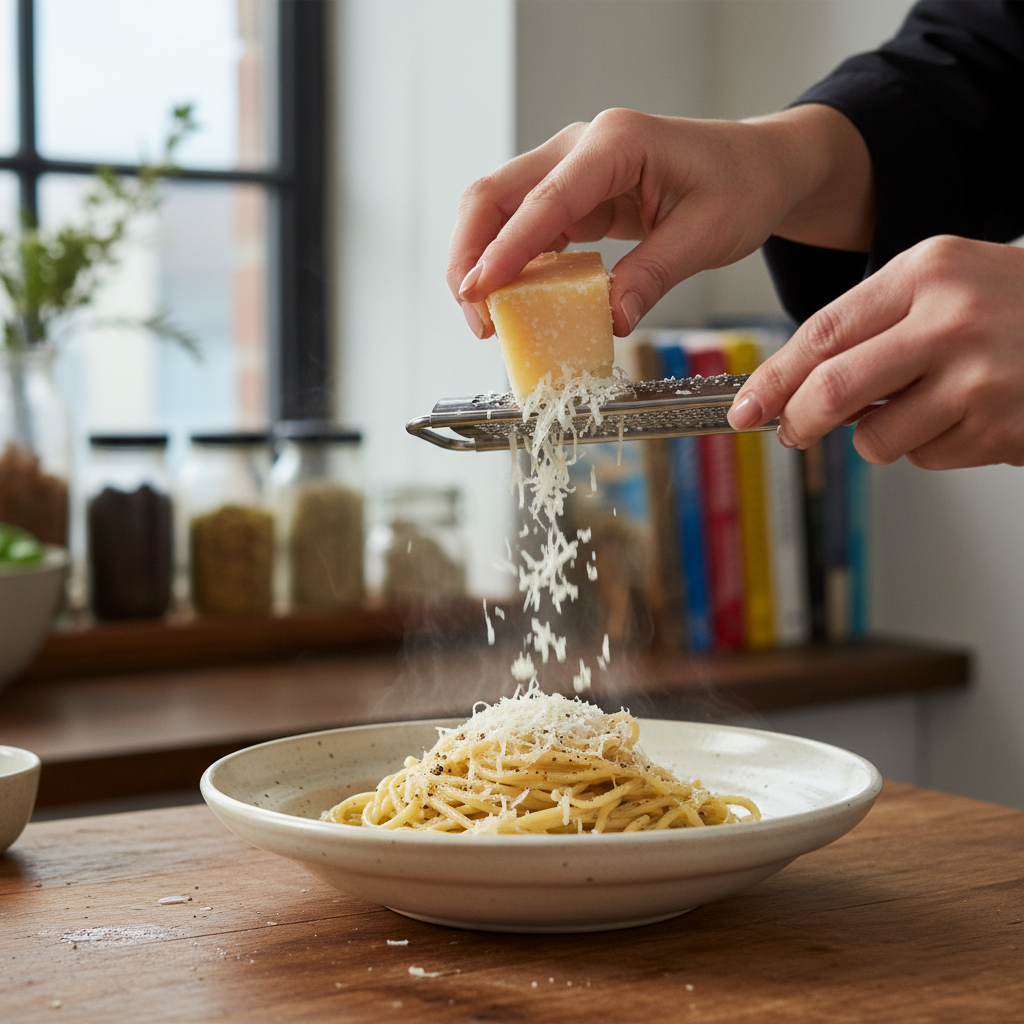
    A home cook's hands grate fresh Parmesan over a steaming bowl of classic Spaghetti Cacio e Pepe in a kitchen.
    Professional food photography, photorealistic, high-quality food magazine photo style. A close-up shot of a real human chef’s hands, specifically a woman with clean, manicured hands, gently grating fresh Parmesan cheese over a steaming bowl of simple, elegant Spaghetti Cacio e Pepe in a modern, well-lit home kitchen. The pasta is perfectly twirled, showing the creamy, peppery sauce. The focus is on the action and the appealing texture of the dish. Natural light.

    Spaghetti Aglio e Olio: The Champion of Simplicity

    When you need a quick, satisfying meal with minimal effort, Spaghetti Aglio e Olio truly shines. Hailed as the easiest pasta to make, it requires just a few basic ingredients you likely already have in your pantry.

    Translating to “garlic and oil,” Aglio e Olio embodies simple Italian cooking at its best. Its elegance lies in a straightforward preparation that delivers incredible flavor without any fuss.

    Recipe-GPT can help you craft the perfect version. Simply input “Spaghetti Aglio e Olio,” and our AI will generate clear, step-by-step guidance that’s ideal for busy weeknights or beginner cooks.

    How to Perfect This Simple Pasta Dish

    While making delicious Aglio e Olio is simple, a few key tips can elevate your dish. Follow these steps to ensure a perfect meal every time:

    • Choose Quality Ingredients: Good extra virgin olive oil makes a big difference, and fresh garlic is key.
    • Sauté Gently: Heat the olive oil over medium-low heat and add thinly sliced or minced garlic. Cook slowly until golden, being careful not to let it burn, as burnt garlic has a bitter taste.
    • Add a Kick: For a little warmth, toss in red pepper flakes along with the garlic.
    • Utilize Pasta Water: Always reserve some starchy pasta water—it’s the secret ingredient for a perfect sauce. Adding a splash to the pan with the pasta helps create a silky, emulsified sauce that binds everything together beautifully.
    • Toss Thoroughly: Drain your cooked spaghetti and add it directly to the pan. Toss vigorously with the garlic and oil mixture to ensure every strand is evenly coated.

    You can also easily personalize your Aglio e Olio. Add fresh parsley for brightness or a sprinkle of Parmesan cheese for a popular variation. Recipe-GPT can suggest these twists and more, helping you tailor the dish to your tastes. This dish proves that delicious food doesn’t need to be complicated.

    What should I add to plain pasta?

    Fats and Oils for Flavor

    Transforming plain pasta often starts with the right fat or oil. As natural flavor carriers, they bring richness and depth to every bite. For instance, a drizzle of good quality extra virgin olive oil can instantly brighten a dish [source: https://www.oliveoiltimes.com/basics/extra-virgin-olive-oil-healthy/97332], while butter adds a creamy, comforting taste. Simply tossing hot pasta with your chosen fat makes a huge difference.

    Not sure which to choose? Recipe-GPT can help. Just tell it what you have, and our AI will suggest simple pasta ideas using ingredients like:

    • Olive Oil: Perfect for a light, fresh taste. Add a pinch of salt and pepper.
    • Butter: Great for a richer, more indulgent feel. Melt it gently with the pasta.
    • Garlic-infused Oil: Make your own by gently heating sliced garlic in olive oil, or look for store-bought versions.

    Herbs and Spices for a Quick Boost

    Don’t underestimate the power of herbs and spices. These simple pantry staples can elevate your pasta from bland to brilliant in minutes. Dried herbs are easy to keep on hand and are perfect for adding a punch of flavor without much effort.

    Here are some essential herbs and spices to consider:

    • Garlic Powder or Granulated Garlic: A must-have for almost any savory dish, adding a warm, aromatic base.
    • Dried Oregano: Offers a classic Italian flavor that pairs wonderfully with tomato-based dishes.
    • Dried Basil: Sweet and peppery, dried basil is another staple for pasta.
    • Red Pepper Flakes: For those who love a bit of heat. Start with a small amount and add more to taste.
    • Black Pepper: Freshly ground black pepper adds a fragrant zing.
    • Italian Seasoning: A convenient blend of common Italian herbs.

    Recipe-GPT can suggest personalized seasoning combinations based on your preferences. Simply mention “spicy” or “herby,” and our AI will generate tailored ideas.

    Simple Add-ins from Your Pantry

    Look beyond oils and seasonings to what’s already in your pantry. You likely have ingredients ready to transform plain pasta into a satisfying and budget-friendly meal. These additions are quick, practical, and require minimal prep.

    Consider these easy pantry additions:

    • Canned Diced Tomatoes: A simple base for a quick red sauce. Just heat and toss.
    • Parmesan Cheese (or Nutritional Yeast): Adds a salty, umami kick. Nutritional yeast is a great vegan alternative [source: https://www.healthline.com/nutrition/nutritional-yeast].
    • Canned Tuna or Chicken: Provides a quick protein boost. Mix it in with a little olive oil or a squeeze of lemon.
    • Leftover Roasted Vegetables: Broccoli, bell peppers, or zucchini add nutrition and flavor.
    • Pesto: Store-bought pesto is a fantastic shortcut for rich, herbaceous pasta.
    • Jarred Olives or Capers: These bring a salty, briny depth to your dish.
    • Lemon Zest and Juice: A bright, fresh finish that awakens all the flavors.

    Using what you already have is a key way Recipe-GPT helps. For example, you can input “pasta + canned tomatoes + parmesan” and get a quick, personalized recipe idea. It’s that easy to turn simple ingredients into a great dinner.

    What can I put on pasta when I have no sauce?

    The ‘No Sauce’ Sauce Method

    Running low on traditional pasta sauce? No problem. You can still create incredibly flavorful pasta dishes by combining simple ingredients you likely already have.

    This “no sauce” method focuses on building flavor directly in the pan with your pasta. Recipe-GPT can help you discover smart solutions like this—just tell our AI what ingredients are in your pantry.

    Butter, Garlic, and Parmesan

    This combination is a classic for a reason: it’s rich, comforting, and incredibly easy to make. The entire dish comes together in minutes.

    Here’s how to make this quick and easy pasta dish:

    • Cook your pasta according to package directions, and be sure to save some pasta water before draining.
    • Melt a generous knob of butter in a pan.
    • Add minced garlic and cook until fragrant, about one minute.
    • Drain your cooked pasta and add it to the pan with the butter and garlic.
    • Toss well to combine.
    • Stir in a generous amount of grated Parmesan cheese.
    • Add a splash of the reserved pasta water as needed to create a light, creamy coating.
    • Season with salt and black pepper to taste.

    Pro Tip: Recipe-GPT can suggest other simple additions. Try adding fresh parsley, a squeeze of lemon, or a pinch of red pepper flakes for extra zing.

    Olive Oil and Red Pepper Flakes

    For a lighter, spicier option, use high-quality olive oil infused with red pepper flakes. This versatile method highlights the flavor of the pasta itself.

    Follow these quick steps for a vibrant dish:

    • Cook your pasta, remembering to reserve some of the starchy water before you drain it.
    • In a separate pan, gently warm olive oil over medium-low heat.
    • Add red pepper flakes and cook for about 30 seconds to infuse the oil, being careful not to let them burn.
    • Add your drained pasta to the pan.
    • Toss thoroughly to coat every strand.
    • Use the reserved pasta water to emulsify the oil, which helps create a light, silky texture.
    • Season with salt.

    This simple preparation is a fantastic base for other ingredients. Recipe-GPT can offer personalized variations, such as adding chopped anchovies or capers for more complex flavor.

    Using Reserved Pasta Water

    The secret ingredient in many “no sauce” pasta dishes is the starchy liquid you usually pour down the drain. This reserved pasta water is a chef’s best friend because it acts as a natural emulsifier.

    Here’s why it’s so important:

    • Emulsification: The starches in the water help bind fats (like oil or butter) with liquid, creating a smooth and creamy sauce that clings to the pasta.
    • Flavor: Because it’s salted, the water adds seasoning and savory depth to your dish.
    • Texture: It helps loosen ingredients, ensuring your pasta is perfectly coated and never dry.

    Always save at least a cup of pasta water before draining. Add it to your pan gradually, stirring vigorously, until the sauce reaches your desired consistency [4].

    Recipe-GPT can remind you to save this precious liquid and suggest how much to use for various recipes, helping you achieve perfect results every time.

    How Recipe-GPT Makes Pasta Night Even Simpler

    A smiling woman in a modern kitchen looks at an AI-powered recipe on a tablet, with pasta cooking in the background.
    Professional food photography, photorealistic, high-quality food magazine photo style. A friendly, smiling real human woman (in her 30s-40s) in a modern, warm, and tidy home kitchen, looking thoughtfully at a tablet or smartphone resting on a kitchen island. The device screen displays a clean, user-friendly recipe interface with text and an appetizing image of pasta. In the background, a pot of pasta is simmering gently on the stovetop, and some fresh ingredients like garlic and tomatoes are visible on the counter. The overall scene conveys ease, convenience, and modern assistance for meal prep. Soft, natural lighting.

    Generate a Recipe from Your Ingredients

    Ever stare into your pantry, wondering what to make? Recipe-GPT solves this common problem. Just tell our AI what ingredients you have on hand.

    For example, you could type in “tomatoes, garlic, basil, and pasta.” Our system then analyzes your input and instantly generates a delicious, easy-to-follow recipe tailored just for you. This creative approach helps reduce food waste and makes cooking more spontaneous.

    Think of it as a personal culinary assistant that sparks new ideas based on what’s already in your kitchen. That means less time at the store and more time enjoying delicious meals made with ingredients you own.

    Find Vegetarian or Chicken Variations

    Meal planning can be tricky with different preferences, but Recipe-GPT makes it simple. Our AI is designed to understand various dietary needs and taste profiles.

    For instance, imagine you find a pasta recipe that calls for ground beef. With just a click, you can ask Recipe-GPT to transform it. The AI can suggest a vegetarian alternative, like lentils or mushrooms, or adapt the recipe to include chicken.

    This flexibility is ideal for busy families, ensuring everyone gets a meal they’ll enjoy. Get personalized pasta ideas without the hassle of searching through multiple cookbooks.

    Here are just a few variations Recipe-GPT can help with:

    • Vegetarian: Swap meat for plant-based proteins or extra veggies.
    • Chicken: Integrate chicken into almost any pasta dish seamlessly.
    • Gluten-Free: Adjust recipes for gluten-free pasta and ingredients.
    • High-Protein: Add extra protein sources for a more filling meal.

    Adjust Serving Sizes Instantly

    Cooking for one, a family, or a dinner party? Recipe-GPT handles all the math for you. Scaling ingredients can be a headache, and using the wrong amounts can ruin a dish.

    Our AI-powered tool lets you adjust serving sizes in an instant. Just select the number of people you’re feeding, and Recipe-GPT automatically recalculates all ingredient quantities to ensure perfect proportions every time.

    This feature saves you from manual calculations and helps prevent food waste from making too much. Now you can enjoy easy pasta dishes perfectly portioned for any occasion.

    Frequently Asked Questions About Easy Pasta

    What is a simple pasta dish with few ingredients?

    For a truly simple meal, Spaghetti Aglio e Olio is an excellent choice. This classic Italian dish requires just a few basic ingredients, is incredibly flavorful, and can be ready in minutes.

    Here are the core ingredients:

    • Spaghetti (or your favorite pasta)
    • Garlic
    • Olive oil
    • Red pepper flakes (optional, for a kick)
    • Parsley (optional, for freshness)
    • Salt and pepper

    To discover similar simple dishes, tell Recipe-GPT what ingredients you have on hand. The AI will instantly generate delicious ideas, making your meal planning quick and stress-free.

    What are some good pasta recipes for dinner?

    Pasta is a fantastic choice for dinner because it’s both versatile and satisfying. With Recipe-GPT, finding the perfect recipe is easy, as you can get tailored suggestions in moments.

    Here are a few popular and easy pasta ideas for dinner:

    • One-Pot Tomato and Basil Pasta: A favorite for busy weeknights, this dish saves time on cleanup because everything cooks together in a single pot.
    • Classic Cacio e Pepe: This simple Roman dish with cheese and pepper is surprisingly rich and elegant.
    • Easy Creamy Lemon Pasta: Bright, zesty, and comforting, this recipe often uses a light cream sauce or pasta water for creaminess.
    • Pesto Pasta with Cherry Tomatoes: Quick to assemble, this dish is a breeze with store-bought pesto. Add some fresh mozzarella for extra flavor.

    Recipe-GPT can also adapt these ideas to what’s in your pantry. For example, if you have spinach, the AI might suggest adding it to a dish. This flexibility ensures you can always cook something new and delicious.

    Can I find easy pasta recipes for kids?

    Absolutely! Pasta is a huge hit with kids, and Recipe-GPT specializes in finding family-friendly meals. It can suggest easy recipes that appeal to younger palates, often featuring simple flavors and fun shapes.

    Consider these kid-approved pasta dishes:

    • Butter and Parmesan Pasta: A timeless classic that’s mild, cheesy, and universally loved.
    • Pasta with Hidden Veggie Sauce: Blend vegetables like carrots and zucchini into a tomato sauce for a smart way to boost nutrition. Your kids will never know!
    • Mini Meatball Pasta: Small meatballs are easier for kids to eat and add a fun protein boost.
    • Mac and Cheese (Homemade Version): A creamy, cheesy delight. A homemade version can be ready faster than you think.

    When using Recipe-GPT, you can specify “kid-friendly” in your search. The AI can also suggest substitutions, like swapping spicy ingredients for milder ones, taking the guesswork out of family dinners.

    What’s a good creamy pasta recipe that’s also easy?

    A delicious creamy pasta doesn’t have to be complicated, and you can achieve a rich texture with just a few ingredients. Recipe-GPT can help you find simple yet satisfying options and suggest clever shortcuts.

    One excellent example is a simple Lemon Garlic Cream Sauce. Here’s why it works:

    • It uses a base of butter, garlic, and starchy pasta water.
    • A splash of cream or milk creates a rich texture.
    • Lemon zest and juice add a bright, fresh counterpoint to the richness.
    • Parmesan cheese brings a savory depth of flavor.

    For a plant-based creamy texture, you could also explore options like Avocado Pasta. Recipe-GPT is great for dietary variations; just input your preferences. The AI will generate creamy recipes that fit your needs and can even suggest dairy-free swaps. This way, you can enjoy creamy pasta without the fuss!

    Sources

    1. https://www.epa.gov/recycle/reducing-wasted-food-home
    2. https://food52.com/blog/22502-garlic-and-oil-pasta-around-the-world
    3. https://www.hsph.harvard.edu/nutritionsource/food-features/avocados/
    4. https://www.seriouseats.com/what-is-pasta-water-how-to-use-it-in-sauces
  • The Ultimate Slow Cooker Beef Stew Recipe: A Step-by-Step Guide

    The Ultimate Slow Cooker Beef Stew Recipe: A Step-by-Step Guide

    A classic slow cooker beef stew recipe involves searing beef chunks, then combining them with vegetables like carrots, potatoes, and onions in a slow cooker. The ingredients are slow-cooked in a savory liquid of beef broth, tomato paste, and herbs for 6-8 hours on low or 4-5 hours on high until the beef is tender and the flavors have melded into a rich casserole.

    After a long day, nothing is as comforting as a hearty bowl of beef stew. But for busy families, making a meal from scratch can feel like one task too many. The good news is that your slow cooker can help. This classic beef stew recipe turns mealtime stress into an effortless, delicious dinner.

    Forget complicated steps and hovering over the stove. Our slow cooker beef stew recipe is designed for maximum flavor with minimal fuss, making it the perfect family-friendly meal for any night of the week. Your crock pot does all the hard work while you go about your day, resulting in tender beef and rich, savory vegetables.

    In this guide, we’ll walk you through everything you need, from preparing ingredients to pro tips for a perfect finish. We’ll also show you how Recipe-GPT can personalize this meal and countless other slow cooker beef recipes. You can find ingredient substitutions or dietary variations with just a few clicks, making meal planning simpler than ever.

    Why is a Slow Cooker Perfect for Beef Stew?

    A slow cooker is a true kitchen superstar, perfect for creating rich and comforting meals like beef stew. It masterfully transforms simple ingredients into something spectacular, all with minimal effort and no guesswork.

    The magic of a slow cooker lies in its low, consistent heat. This gentle cooking method is ideal for developing deep, complex flavors and ensuring your beef turns out incredibly tender every time. Here’s why a slow cooker, or crock pot, is your best friend for making an “easy slow cooker beef stew”:

    • Unbeatable Tenderness: Less expensive cuts of beef, often tougher, become wonderfully fork-tender. The long cooking time slowly breaks down connective tissues.
    • Rich Flavor Development: All the ingredients simmer together for hours. As a result, flavors meld beautifully, creating a depth you can’t achieve quickly on a stovetop. This is key for a truly satisfying “slow cooker beef stew recipe.”
    • Hands-Off Convenience: Simply prepare your ingredients in the morning and let the slow cooker do all the work. It’s the perfect way to have a delicious dinner waiting for you on a busy day, making “slow cooker beef recipes” ideal for any schedule.
    • Simple Cleanup: Many “beef crock pot recipes” are one-pot wonders. This means fewer dishes to wash after enjoying your delicious meal.
    • Consistent Results: The slow cooker maintains a steady temperature. Therefore, you get perfectly cooked stew without constant monitoring. No more scorched pots or undercooked meat!

    With Recipe-GPT, finding the perfect “slow cooker beef stew” or “crock pot beef stew” recipe is easier than ever. We help you personalize this already simple process, ensuring you get the most delicious results tailored just for you.

    Easy Slow Cooker Beef Stew Recipe

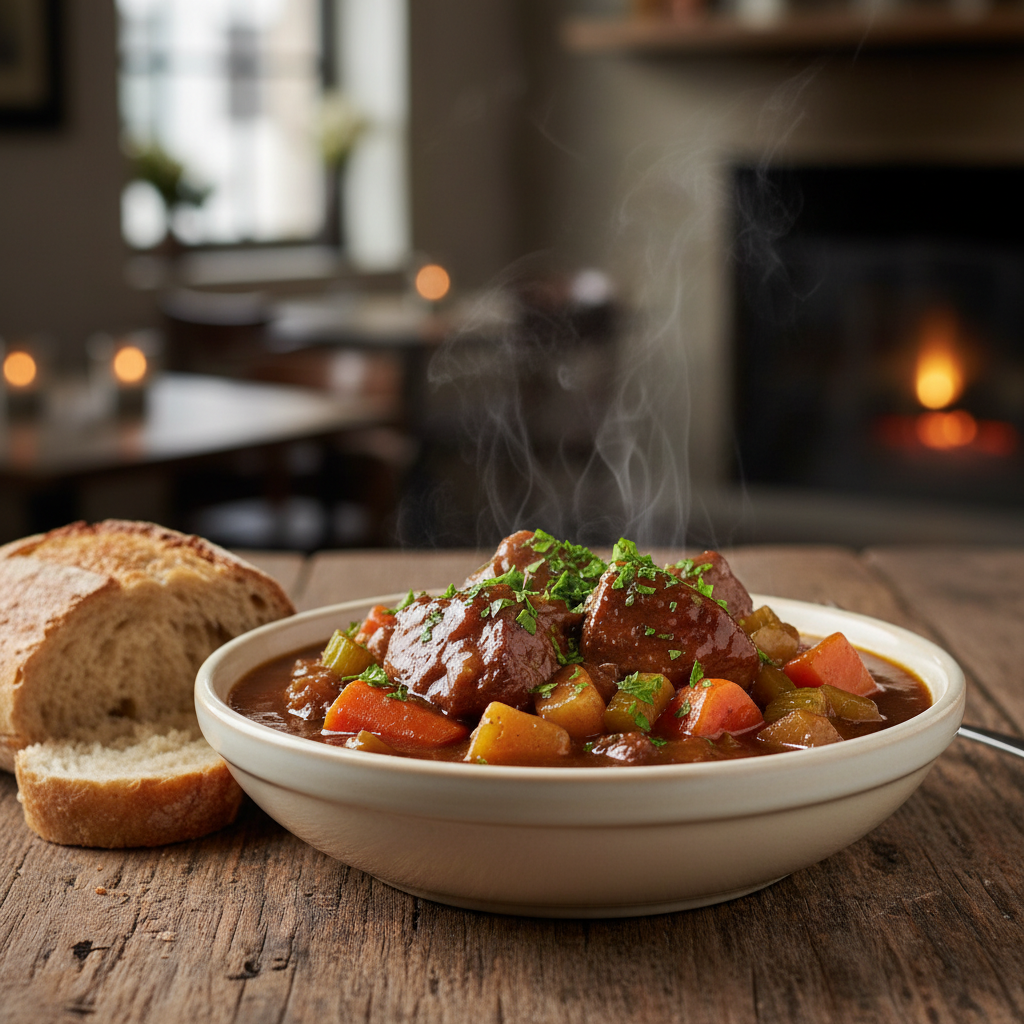
    A steaming bowl of hearty beef stew with tender beef and vegetables, garnished with parsley, served with crusty bread on a rustic table.
    Professional food photography, photorealistic, high-quality food magazine photo style. A beautifully plated bowl of classic slow cooker beef stew, served with a garnish of fresh parsley on a rustic wooden table. The stew features tender chunks of beef, vibrant carrots, potatoes, and celery in a rich, dark gravy. The bowl is steaming lightly, suggesting warmth. A slice of crusty bread is beside the bowl. Background is slightly blurred, focusing on the hearty, comforting meal. Warm, inviting restaurant-quality lighting. Evokes a sense of home-cooked comfort.

    Making a delicious beef stew doesn’t have to be complicated, especially when your slow cooker does most of the hard work. It transforms simple ingredients into a rich, comforting meal that’s perfect for busy weeknights, making this a true set-it-and-forget-it dish.

    To make meal planning even simpler, Recipe-GPT generates personalized slow cooker beef stew suggestions in seconds. Our AI allows you to adjust for ingredients you have on hand and offers variations to suit your family’s tastes. You can finally say goodbye to guesswork and hello to effortless cooking.

    The result is a crock pot beef stew with incredible flavor. The beef becomes wonderfully tender as the vegetables simmer to perfection in a savory broth. You’re guaranteed a hearty, satisfying meal every time, making this an ideal choice for any home cook looking to simplify dinner decisions.

    What Ingredients Do You Need for This Crock Pot Beef Stew?

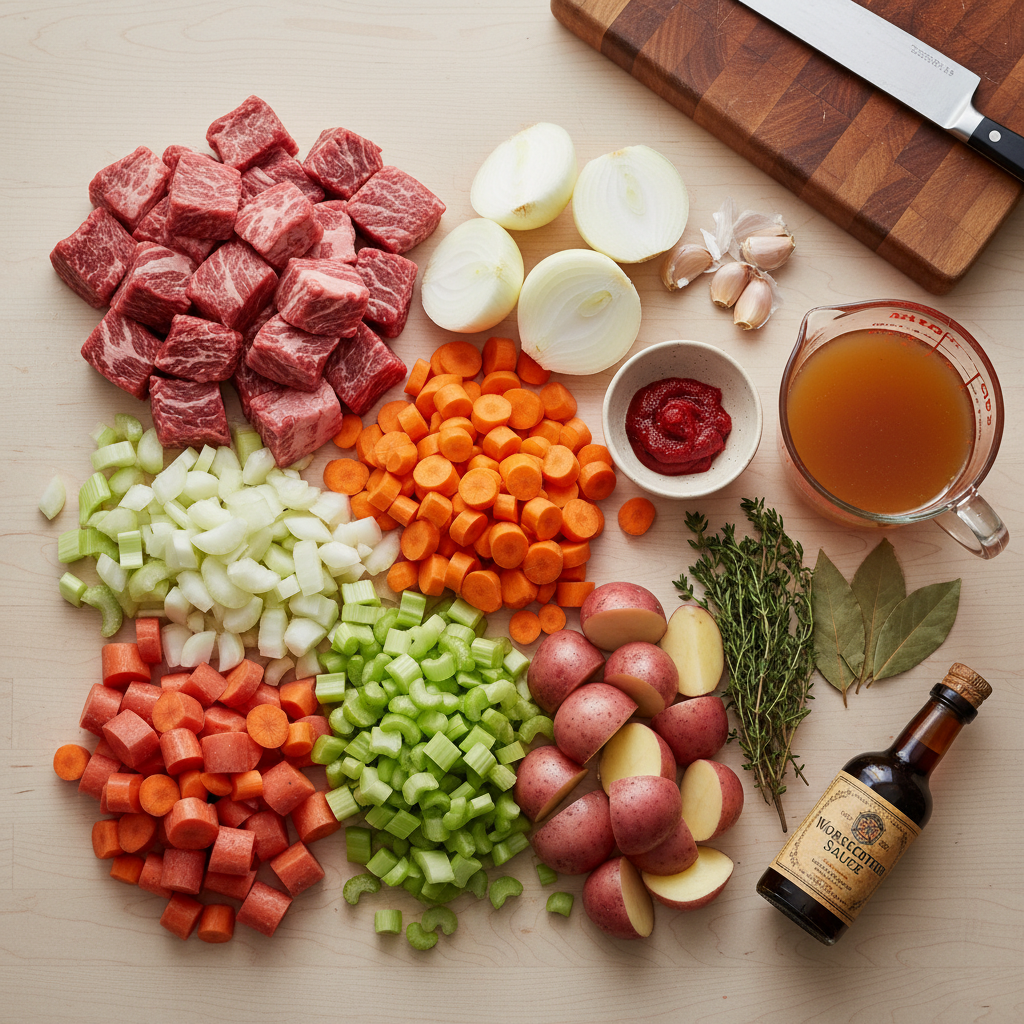
    A collection of fresh, prepped ingredients for beef stew, including diced beef, vegetables, herbs, and broth, neatly arranged on a wooden countertop.
    Professional food photography, photorealistic, high-quality food magazine photo style. Overhead shot of a clean, light wood culinary workspace in a home kitchen. All ingredients for a slow cooker beef stew are neatly arranged and prepped: diced beef chuck, chopped carrots, celery, potatoes, onions, garlic cloves, bay leaves, fresh thyme sprigs, beef broth in a clear measuring cup, tomato paste in a small bowl, and Worcestershire sauce. The ingredients are vibrant, fresh, and perfectly portioned, ready for cooking. Soft, natural lighting. A chef’s knife and cutting board are subtly in the background, suggesting preparation.

    For the Stew

    A delicious slow cooker beef stew starts with fresh, quality ingredients. Here’s what you’ll need for this comforting meal. If you’re missing an ingredient, don’t worry—Recipe-GPT can suggest smart substitutions based on what you have on hand.

    • Beef Stew Meat: About 2 pounds, cut into 1-inch pieces. Chuck roast is often recommended for its tenderness and flavor when slow-cooked [source: seriouseats.com].
    • Potatoes: 1.5 pounds, peeled and chopped into 1-inch cubes. Russet or Yukon Gold work wonderfully.
    • Carrots: 1 pound, peeled and cut into 1-inch pieces.
    • Celery: 2 stalks, chopped.
    • Onion: 1 large, chopped. A yellow or white onion is perfect.
    • Garlic: 4-5 cloves, minced. This adds great depth.
    • Beef Broth: 4 cups (32 ounces). Choose a low-sodium option to control saltiness.
    • Tomato Paste: 2 tablespoons. It deepens the stew’s savory notes.
    • Worcestershire Sauce: 1 tablespoon. This is a secret weapon for umami flavor.
    • Dried Thyme: 1 teaspoon.
    • Bay Leaves: 2 whole leaves. These infuse flavor as it cooks.
    • Salt and Black Pepper: To taste, for seasoning the beef and the stew.
    • Olive Oil or Vegetable Oil: 1-2 tablespoons, for browning the beef.

    For the Optional Gravy Thickener

    If you prefer a rich, thick stew gravy, this optional step is a game-changer. You will add this simple mixture near the end of the cooking time.

    • Cornstarch: 2 tablespoons.
    • Cold Water: 2 tablespoons.

    To make the thickener, simply whisk these ingredients together to create a smooth slurry. Adding this slurry ensures the stew thickens evenly and without any lumps. For more help achieving the perfect texture, Recipe-GPT can also offer advice on adjusting the consistency of your dishes.

    How to Make the Best Slow Cooker Beef Stew (Step-by-Step)

    Step 1: Prepare and Brown the Beef

    Browning the beef is a crucial first step for developing flavor. Searing the meat creates a rich depth that makes all the difference in your finished stew.

    Here’s how to do it:

    1. Pat the beef dry: Use paper towels to pat the beef chunks dry. Removing excess moisture helps achieve a proper sear.
    2. Season well: Sprinkle the beef generously with salt and black pepper. You can also add garlic powder or onion powder for extra flavor.
    3. Heat oil: Warm a tablespoon of olive oil or vegetable oil in a large skillet or Dutch oven over medium-high heat.
    4. Brown in batches: Add the beef to the hot pan in a single layer, being careful not to overcrowd it. Brown each side for 2-3 minutes until deeply colored. Working in batches prevents the meat from steaming.
    5. Transfer to slow cooker: As each batch is browned, transfer the beef directly into your slow cooker.

    Recipe-GPT Tip: If you’re running short on time, you can skip browning. However, for a truly amazing stew, this step adds incredible flavor. Our AI can suggest quick prep versions if you need to save time!

    Step 2: Sauté the Vegetables

    Next, build more flavor by sautéing the vegetables. This simple step enhances their natural sweetness and aroma.

    Follow these instructions:

    1. Use the same pan: Add another tablespoon of oil to the same skillet you used for the beef. Don’t clean it—those browned bits are pure flavor!
    2. Sauté aromatic vegetables: Add chopped onions and minced garlic to the pan. Cook for 3-5 minutes, stirring occasionally, until the onions soften and become translucent.
    3. Deglaze (optional but recommended): Pour in a splash of beef broth or red wine. Use a wooden spoon to scrape up any browned bits stuck to the bottom of the pan.
    4. Add other vegetables: Stir in the carrots and celery. Cook for another 2-3 minutes to slightly soften them.
    5. Transfer to slow cooker: Pour the sautéed vegetables and all the pan juices over the beef in the slow cooker.

    Step 3: Combine Everything in the Slow Cooker

    Now it’s time to combine all the ingredients. This is where the slow cooker makes your job easy.

    Layer the ingredients as follows:

    • Add potatoes: Arrange the cubed potatoes on top of the beef and vegetables.
    • Stir in liquids and seasonings: Pour in the remaining beef broth, diced tomatoes (if using), Worcestershire sauce, and herbs like bay leaves or thyme. Stir gently to combine.
    • Check seasoning: Before cooking, taste the liquid and adjust salt and pepper as needed.

    Recipe-GPT Tip: Unsure about an ingredient? Recipe-GPT can instantly suggest substitutions based on what you have on hand. Just ask our AI!

    Step 4: Cook Low and Slow

    Now for the easy part. The low, steady heat of the slow cooker will tenderize the beef and perfectly meld the flavors.

    Set your slow cooker and let it do the work:

    • Cover and set: Place the lid on the slow cooker.
    • Low setting: Cook for 6-8 hours, or until the beef is fall-apart tender.
    • High setting: For a faster option, cook for 3-4 hours. Always check for tenderness.

    For food safety, the internal temperature of beef stew should reach at least 160°F (71°C) [1].

    Recipe-GPT helps busy families. Our AI-powered recipes focus on convenience, so you can set your slow cooker and enjoy your day!

    Step 5: Thicken and Serve

    Once the cooking time is up, a few final touches will perfect your stew’s texture and flavor.

    Follow these final steps:

    1. Remove bay leaves: Discard any bay leaves or large herb sprigs from the stew.
    2. Make a cornstarch slurry (optional): In a small bowl, whisk together 2 tablespoons of cornstarch with 1/4 cup of cold water or beef broth until smooth.
    3. Thicken the stew: Slowly pour the slurry into the hot stew, stirring constantly.
    4. Cook to thicken: Cover the slow cooker and cook on the HIGH setting for another 15-30 minutes, or until the stew has thickened to your liking.
    5. Adjust seasoning: Taste the finished stew one last time and add more salt, pepper, or herbs if needed.
    6. Garnish and serve: Ladle the hearty beef stew into bowls. Garnish with fresh parsley if desired and serve hot with crusty bread or biscuits.

    Enjoy your delicious, easy slow cooker beef stew! You’ve transformed simple ingredients into a comforting meal with minimal effort.

    Pro Tips for the Perfect Beef Stew

    What is the Best Cut of Beef for Stew?

    Choosing the right beef is the secret to a tender, flavorful stew. Slow cooking excels at transforming tougher, more budget-friendly cuts into melt-in-your-mouth bites.

    Here are the best beef cuts for your slow cooker beef stew:

    • Chuck Roast: This is the champion of stew meat. It has a good amount of marbling and connective tissue that breaks down beautifully over several hours, becoming incredibly tender and flavorful [2].
    • Boneless Short Ribs: These offer rich flavor and fall-apart tenderness. Their higher fat content adds a wonderful richness to your stew.
    • Round (Bottom Round, Top Round): While leaner, round cuts can work well, but they require longer cooking times to become truly tender. Look for “stew beef” packages, which often contain these cuts.

    Not sure which cut to grab at the store? Recipe-GPT can help. Just tell our AI what you have or what’s on sale, and it will suggest recipes or substitutions based on your available ingredients.

    How to Thicken Your Stew

    A perfectly thick stew should cling to your spoon. Fortunately, achieving that rich, gravy-like consistency is simple with a few easy options.

    Here are common ways to thicken your slow cooker beef stew:

    • Flour Slurry: Whisk 2 tablespoons of all-purpose flour with 1/2 cup of cold water until smooth. Stir this into your stew during the last 30-60 minutes of cooking.
    • Cornstarch Slurry: For a gluten-free option, mix 2 tablespoons of cornstarch with 1/4 cup of cold water. Stir the slurry into the stew during the last 15-30 minutes of cooking and continue to cook on high until thickened.
    • Reduced Sauce: Simply remove the lid for the last hour of cooking to allow some liquid to evaporate. This will naturally concentrate and thicken the sauce on its own.
    • Mashed Potato Flakes: For a quick fix, stir in a spoonful or two of instant mashed potato flakes. They absorb liquid quickly and thicken the stew without significantly altering the flavor.

    Recipe-GPT can suggest thickening methods based on what you have in your pantry. Our AI makes finding the right solution fast and effortless.

    Can I Add Red Wine?

    Absolutely! Red wine is a fantastic way to elevate your beef stew’s flavor. It adds a wonderful depth and richness as the alcohol cooks off, leaving behind complex notes.

    To use red wine in your slow cooker beef stew:

    • Choose Wisely: Use a dry red wine you would enjoy drinking. Cabernet Sauvignon, Merlot, or Pinot Noir are all excellent choices.
    • Amount: Typically, 1/2 to 1 cup of red wine is enough. Be sure to replace an equal amount of beef broth from the recipe.
    • When to Add: Stir the wine into the slow cooker along with the broth and other liquids at the beginning of the cooking process.

    If you prefer not to use alcohol, great alternatives are available. Beef broth, cranberry juice, or a splash of balsamic vinegar can add a similar depth. Recipe-GPT can adjust recipes for you—just ask for non-alcoholic options, and our AI will personalize the dish instantly.

    Making Slow Cooker Beef Stew and Dumplings

    Adding dumplings turns a comforting stew into an even heartier meal. They cook directly in the hot liquid, absorbing all the delicious flavors.

    Here’s how to add dumplings to your slow cooker beef stew:

    • Prepare Dumplings: Make your favorite drop dumpling dough, which is usually a simple mix of flour, baking powder, salt, and milk or water.
    • Timing is Key: About 30-45 minutes before serving, drop spoonfuls of the dough directly onto the simmering stew. Do not stir them in.
    • Cook Covered: Place the lid back on the slow cooker. The trapped steam will cook the dumplings until they are light and fluffy.
    • Check for Doneness: Dumplings are ready when a toothpick inserted into the center of one comes out clean.

    Recipe-GPT can help you find simple dumpling recipes or suggest creative variations. Need a gluten-free option? Just ask! Our AI makes mealtime inspiration easy and personalized.

    How Can Recipe-GPT Personalize This Recipe For You?

    Find Ingredient Substitutions Instantly

    Ever started cooking only to realize you’re missing a key ingredient for your slow cooker beef stew? It happens to the best of us. Fortunately, Recipe-GPT solves this problem instantly.

    Our AI suggests smart substitutions on the spot. That means less stress, no last-minute trips to the store, and the freedom to adapt any recipe using what you already have.

    Here’s how Recipe-GPT can help with your beef stew:

    • Vegetable Swaps: No carrots? Recipe-GPT might suggest parsnips or sweet potatoes. Missing celery? Try bell peppers or extra onion.
    • Broth Alternatives: If you’re out of beef broth, our AI can suggest using vegetable broth or a combination of water and a bouillon cube.
    • Seasoning Adjustments: Need a different herb? The AI can recommend one with a similar flavor profile to keep your stew delicious. For example, if you lack thyme, it might suggest rosemary.

    Finding easy solutions has never been faster. Enjoy confident cooking, even when your pantry isn’t fully stocked!

    Adjust Serving Sizes with AI

    Meal planning often requires adjusting recipes for different group sizes. Whether you’re cooking for one or feeding a crowd, Recipe-GPT makes it simple.

    Our AI accurately scales any recipe up or down, ensuring you have the right amount of ingredients for your slow cooker beef stew. No more guesswork or food waste!

    Recipe-GPT automatically recalculates each ingredient quantity for you. As a result, every serving is perfectly balanced and flavorful, which saves you time and simplifies your shopping.

    Consider these common scenarios:

    • Cooking for One or Two: The AI can reduce the beef, vegetables, and liquids proportionally for a smaller, cozier meal.
    • Feeding a Family: Easily double or triple the recipe with precise measurements, ensuring there’s enough hearty stew for everyone.
    • Meal Prep: Scale the recipe for a week’s worth of lunches or dinners to make your meal planning simple and efficient.

    Get the exact amount you need every time for truly effortless meal preparation.

    Get Dietary Variations (e.g., Low-Carb, Gluten-Free)

    Navigating dietary preferences can be overwhelming, but Recipe-GPT makes it easy to transform your favorite recipes to fit specific needs.

    Our AI quickly adapts your slow cooker beef stew recipe to create personalized meals without sacrificing flavor. You get tailored cooking guidance instantly.

    Here are a few dietary variations Recipe-GPT can provide for your beef stew:

    • Low-Carb: The AI can replace potatoes with lower-carb vegetables like radishes or celery root. It might also recommend using fewer starchy vegetables overall.
    • Gluten-Free: Recipe-GPT will ensure all your ingredients are gluten-free. For example, it will check broths and suggest gluten-free thickeners like cornstarch instead of wheat flour.
    • Higher Protein: To boost protein, the AI can suggest adding extra lean beef or another protein source and recommend cooking methods to maximize its content.
    • Reduced Sodium: Recipe-GPT can offer lower-sodium broth options and advise on using less salt, suggesting more herbs and spices to enhance flavor instead.

    Whether you’re managing allergies or making a lifestyle choice, our AI helps you cook with confidence. Enjoy delicious meals tailored to your health goals, made easier than ever.

    Frequently Asked Questions About Slow Cooker Beef Stew

    How long should beef stew cook in a slow cooker?

    Beef stew made in a slow cooker requires long, gentle cooking to produce tender meat and deep flavors. The exact time depends on your slow cooker’s setting.

    • On Low: Cook for 6-8 hours. This setting is ideal for maximum tenderness and is perfect for setting in the morning and having it ready by dinner.
    • On High: Cook for 3-4 hours. This faster setting still yields great results and is a good choice when you have less time.

    Before serving, always check that the beef is fork-tender. For food safety, also check that the internal temperature of the stew reaches 165°F (74°C) [1].

    Need to adjust cooking times for your schedule? Recipe-GPT can help. Our AI can easily modify recipes to fit your timeline. Just ask for a quicker version or one that cooks while you’re at work!

    What gives beef stew the best flavor?

    The secret to a great beef stew is layering flavors. This is achieved through a few key steps and ingredients.

    • Browning the Beef: Don’t skip this step. Searing the beef creates a rich, savory crust through a process called the Maillard reaction, which adds incredible depth to the stew.
    • Aromatics: Sautéing foundational vegetables like onions, garlic, and celery builds a delicious flavor base.
    • Rich Liquids: Use beef broth or stock as your base. For even deeper umami flavor, add a splash of red wine or a tablespoon of tomato paste.
    • Herbs and Spices: Classic choices like fresh or dried thyme, bay leaves, and rosemary infuse the stew with fragrant notes.
    • Slow Cooking: Finally, the long, slow cooking process allows all these flavors to meld together into a cohesive and comforting dish.

    Want to experiment with flavors? Recipe-GPT can suggest unique spice blends or liquid additions. Our AI can personalize the stew to your taste, whether you like it smoky, herby, or with a hint of spice.

    How do you make beef stew gravy thicker?

    It’s simple to achieve a perfect, rich gravy. Here are several options for thickening your beef stew:

    • Flour Slurry: Whisk together 2 tablespoons of all-purpose flour with ¼ cup of cold water. Stir this mixture into the stew during the last 30 minutes of cooking.
    • Cornstarch Slurry: For a gluten-free option, mix 1 tablespoon of cornstarch with 2 tablespoons of cold water. Stir it into the stew at the very end of cooking; it works quickly, so watch as it thickens.
    • Reduce the Liquid: Once the stew is cooked, remove the beef and vegetables. Simmer the remaining liquid on the stovetop over medium-high heat until it reduces to your desired consistency. This method also intensifies the flavor [3].
    • Mashed Potatoes or Vegetables: For a natural, rustic thickener, simply mash a few cooked potatoes or root vegetables from the stew and stir them back in. This adds both thickness and creaminess.

    Unsure which thickener to use? Recipe-GPT can provide quick tips and substitutions. Our AI can even suggest a gluten-free version of your favorite recipe in a snap.

    Can you put raw beef in a slow cooker for stew?

    Yes, you can put raw beef directly into a slow cooker for stew. The slow, steady cooking process will cook the meat thoroughly and safely.

    However, for the best flavor and texture, we highly recommend browning the beef first. Searing the meat creates a caramelized crust that adds a depth of flavor you can’t get from raw beef alone [4].

    If you’re short on time, feel free to skip the browning step. The stew will still be delicious and satisfying, making this a convenient shortcut for busy days.

    Recipe-GPT can tailor your beef stew recipe based on your prep time. Just tell our AI if you prefer a “quick prep” option. We’ll adjust the steps to fit your needs, even suggesting when browning can be skipped for convenience.


    Sources

    1. https://www.fsis.usda.gov/food-safety/safe-food-handling-and-preparation/food-safety-basics/safe-minimum-internal-temperature-chart
    2. https://www.beefitswhatsfordinner.com/cuts/cut/13593/chuck-roast
    3. https://www.thekitchn.com/how-to-thicken-any-sauce-59702
    4. https://www.foodnetwork.com/recipes/articles/food-network-kitchen-cook-smart-browning-meat-for-stews-and-braises