
The best homemade tomato soup is made by roasting fresh tomatoes with garlic, onions, and herbs to enhance their natural sweetness. The roasted mixture is then blended with vegetable broth until smooth. For a creamy finish, a splash of heavy cream, coconut milk, or milk can be added at the end.
There’s nothing quite like a warm bowl of creamy, flavorful homemade tomato soup. It’s the ultimate comfort food, perfect for a chilly evening or a cozy lunch. But often, the idea of making it from scratch can feel daunting, leaving you reaching for the canned version instead.
Get ready to change that! This homemade tomato soup recipe is surprisingly easy, incredibly flavorful, and perfect for every skill level. Forget complicated steps and long ingredient lists. Our simple recipe uses fresh ingredients and straightforward instructions to bring restaurant-quality taste to your table. Plus, with a little help from AI, you can even personalize this delightful dish to match your preferences and ingredients on hand.
This guide will walk you through every step, from selecting fresh ingredients to achieving a silky-smooth finish. We’ll cover everything you need to create a creamy, rich soup that is sure to become a new favorite. Let’s make mealtime decisions easy and enjoy the satisfaction of making the best tomato soup in your own kitchen.
Why is This The Best Homemade Tomato Soup Recipe?
Simple Ingredients, Rich Flavor
This homemade tomato soup recipe gets its rich flavor from simple, fresh ingredients. We focus on ripe tomatoes, aromatic vegetables, and a few pantry staples—no fancy items needed. This approach highlights the natural sweetness of the tomatoes while building a robust taste from scratch.
The result is a deep, satisfying flavor far superior to canned versions. Recipe-GPT makes the process effortless, helping you turn everyday ingredients into something special using what you already have on hand.
Beginner-Friendly Instructions
Cooking soup from scratch can seem daunting, but our recipe breaks down every step into clear, easy-to-follow instructions. We guide you through each stage, helping you build confidence in the kitchen.
From roasting vegetables for extra depth to simmering and blending your soup to perfect creaminess, every action is designed to be straightforward. This simple process ensures success for cooks of any skill level.
Recipe-GPT is designed for beginners and busy home cooks, making even complex recipes approachable. You can create the best homemade tomato soup without any stress.
Customizable with AI
Recipe-GPT elevates your cooking experience by making this recipe completely adaptable to you. Our AI puts you in control, helping you personalize the soup instantly based on your specific needs.
Need to adjust for dietary restrictions or use ingredients you already have in the fridge? Recipe-GPT provides immediate, practical solutions.
Here’s how our AI can help you customize your soup:
- Dietary Preferences: Easily make it vegan, dairy-free, or gluten-free. The AI suggests appropriate substitutions for cream or butter.
- Ingredient Swaps: Don’t have fresh tomatoes? Ask for canned tomato options. Missing an herb? Recipe-GPT can suggest alternatives.
- Flavor Adjustments: Want more spice? Or a sweeter soup? The AI provides tips to balance the flavors to your liking.
- Serving Sizes: Quickly adjust the recipe for more or fewer servings. This prevents food waste and simplifies meal planning.
Recipe-GPT transforms mealtime indecision into clear, tailored suggestions. It offers quick, practical solutions for every kitchen, so you can always cook what you want, how you want it.
What Ingredients Do You Need for Easy Tomato Soup?
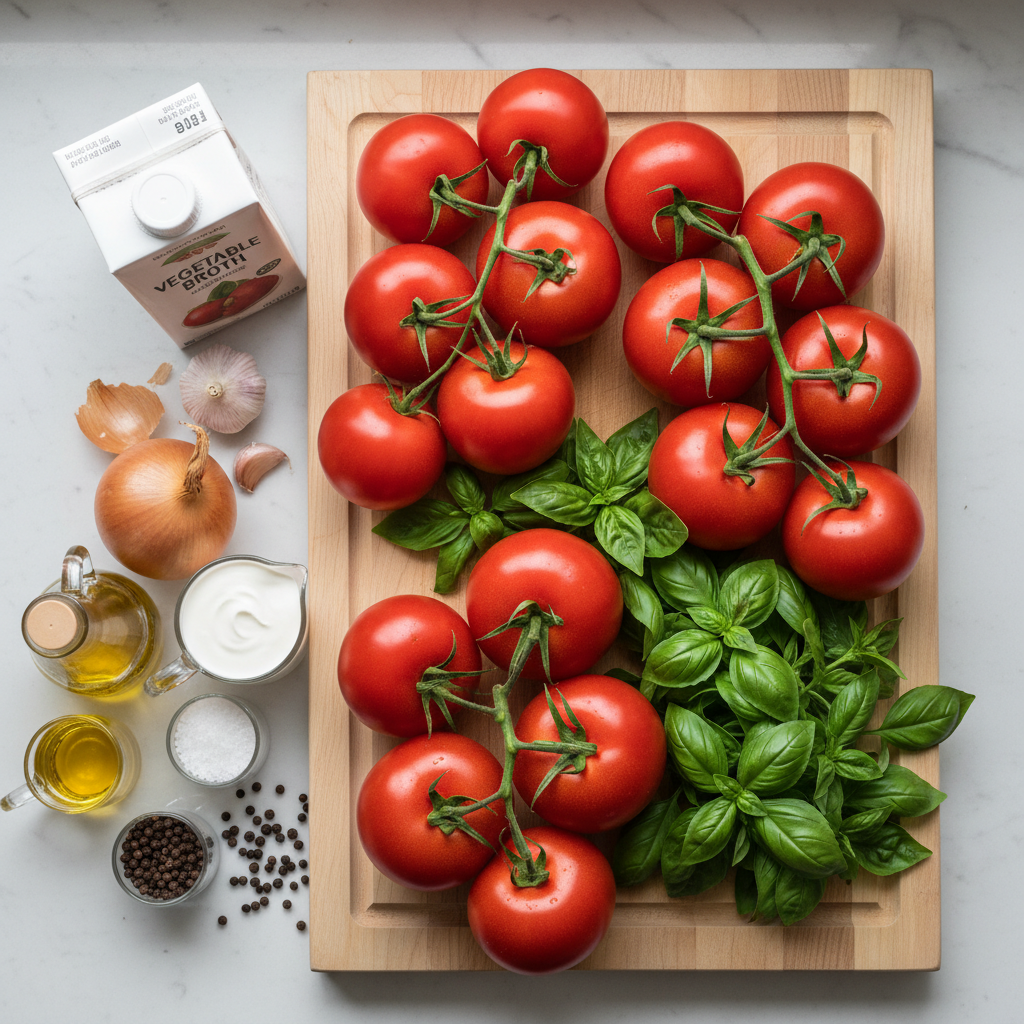
Crafting the best homemade tomato soup starts with choosing the right ingredients. The good news is you won’t need anything fancy!
Our goal is simplicity and fantastic flavor. To make it even easier, Recipe-GPT can help you build your shopping list and suggest substitutions if you’re missing an item.
Essential Ingredients for Your Soup
These are the core components for a delicious and easy tomato soup. They create the foundation for a rich, satisfying flavor.
- Fresh Tomatoes: Aim for ripe, flavorful varieties. Roma, San Marzano, or even a mix work beautifully.
- Onion: A yellow or white onion adds a sweet, aromatic base.
- Garlic: Fresh garlic cloves bring a pungent warmth.
- Vegetable or Chicken Broth: This forms the liquid base. Choose low-sodium if possible.
- Olive Oil: Essential for roasting and sautéing.
- Salt and Black Pepper: Basic seasonings are key to enhancing flavor.
Flavor Boosters & Optional Additions
These ingredients can elevate your soup from great to absolutely incredible. If you’re not sure which to choose, Recipe-GPT can help you decide which additions best suit your taste.
- Tomato Paste: A small amount deepens the tomato flavor intensity.
- Fresh Basil: Adds a bright, herbaceous note, especially at the end.
- Sugar or Sweetener: A pinch can balance the acidity of tomatoes.
- Heavy Cream or Milk: For a wonderfully creamy texture. Coconut milk is a great dairy-free option.
- Butter: Can be used with olive oil for a richer sauté.
How Recipe-GPT Simplifies Your Ingredient List
Recipe-GPT takes the guesswork out of gathering ingredients. Here’s how our AI tool makes the process effortless:
- Personalized Suggestions: Tell Recipe-GPT what you have on hand, and it will generate recipes using those ingredients.
- Easy Substitutions: Don’t have fresh basil? Ask Recipe-GPT for alternatives. It can quickly provide options like dried oregano or parsley.
- Dietary Adjustments: Need a dairy-free soup? Recipe-GPT can instantly swap heavy cream for coconut milk or cashew cream.
- Smart Shopping: Our AI-powered tool can even adjust quantities, ensuring you buy just what you need for your desired serving size.
The result? You spend less time planning and more time enjoying delicious, homemade meals. Simply input your preferences and let Recipe-GPT guide you!
How to Make Homemade Tomato Soup (Step-by-Step)

Step 1: Roast the Tomatoes and Vegetables
Roasting your vegetables brings out a deep, savory flavor that truly transforms the soup. This simple step creates a rich base.
Here’s how to do it:
- Preheat your oven to 400°F (200°C).
- Halve the tomatoes and place them on a large baking sheet.
- Add the chopped onion and whole garlic cloves.
- Drizzle everything with olive oil and sprinkle with salt and black pepper.
- Roast for 25-30 minutes, or until the vegetables are tender and slightly caramelized.
Recipe-GPT Tip: Don’t have these exact veggies? Ask Recipe-GPT! Our AI can suggest clever substitutions based on what’s in your fridge, making meal planning easier.
Step 2: Sauté the Aromatics
Sautéing the aromatics builds another layer of flavor, creating a fragrant foundation that infuses the entire dish.
- Heat a large pot or Dutch oven over medium heat.
- Add a tablespoon of olive oil.
- Sauté any extra chopped onion or garlic for 3-5 minutes, or until soft and translucent.
- Stir in a tablespoon of tomato paste and cook for 1-2 minutes more to deepen the tomato flavor.
This quick step is key to developing a complex, vibrant taste.
Step 3: Simmer the Soup
Now it’s time to bring everything together. Simmering allows the flavors to meld beautifully, creating a harmonious and comforting soup.
- Add the roasted tomatoes and vegetables to the pot.
- Pour in enough vegetable or chicken broth to just cover the vegetables.
- Add a bay leaf, if using, to enhance the aroma.
- Bring the mixture to a gentle simmer.
- Reduce the heat to low and let it cook for 15-20 minutes to allow the flavors to combine.
Recipe-GPT Tip: Want to adjust the soup’s consistency? Recipe-GPT can recommend the perfect amount of broth to tailor the recipe to your liking.
Step 4: Blend to Perfection
Blending is the simple secret to a smooth, velvety texture. This step creates a luxurious mouthfeel and a satisfying finish.
- Carefully remove the bay leaf before blending.
- Use an immersion blender to blend the soup directly in the pot until it’s completely smooth.
- Alternatively, transfer the soup in batches to a regular blender and blend until smooth.
- Caution: When blending hot liquids in a regular blender, fill it only halfway. Secure the lid, hold it down with a towel, and start on low speed to prevent splashes and burns.
Your AI-powered kitchen companion, Recipe-GPT, can even suggest different consistencies, from chunky to silky smooth.
Step 5: Add Creaminess (Optional)
For a richer, more delightful texture, consider adding a creamy element. This step is entirely optional and customizable.
Choose from several options:
- Heavy Cream: Stir in ¼ to ½ cup for a classic, rich taste.
- Coconut Milk: Use full-fat coconut milk for a dairy-free option.
- Cashew Cream: Blend soaked cashews with water for a vegan alternative.
- Butter: Swirl in a knob of butter for added richness.
Stir your chosen creamy addition into the warm soup and heat gently for a few minutes, but do not let it boil. Season with salt and pepper to taste. Your homemade tomato soup is ready to serve!
Recipe-GPT Tip: Recipe-GPT makes customizing easy. Just tell our AI your dietary needs, and it will instantly adjust the recipe to be vegan, dairy-free, or fit other preferences. Enjoy personalized cooking!
How Can AI Personalize Your Tomato Soup Recipe?
Making it Vegan or Dairy-Free
Making your homemade tomato soup vegan or dairy-free is simple with Recipe-GPT. Our AI understands common dietary needs and can easily adjust your recipe on the fly.
To start, simply specify your preference. The AI will then identify any dairy components in the recipe, like heavy cream or butter, and offer smart, plant-based alternatives.
- Coconut Milk: Creates a rich, creamy texture and adds a subtle sweetness.
- Cashew Cream: Blends soaked cashews for a neutral, velvety finish.
- Olive Oil: Replaces butter for sautéing aromatics.
- Nutritional Yeast: Adds a savory, cheesy flavor without dairy. [1]
This way, you get all the flavor while meeting your dietary goals. It’s a quick, easy, and tailored solution.
Adjusting for Spice and Sweetness
Everyone has a unique taste for tomato soup, whether you like it bold and spicy or prefer a milder, sweeter note. Recipe-GPT can instantly fine-tune your recipe to match your preference.
Just tell the AI your desired spice level. For more heat, it might suggest additions such as:
- A pinch of red pepper flakes
- A dash of cayenne pepper
- A small amount of hot sauce
Or, if you prefer a sweeter, less acidic soup, the AI can recommend:
- A touch of sugar or maple syrup
- A splash of balsamic vinegar
- Using naturally sweeter San Marzano tomatoes. [2]
The AI provides precise amounts to ensure a perfect balance, so your soup will be exactly how you like it, every time.
Finding Ingredient Substitutions
Ever start cooking only to find you’re missing an ingredient? Recipe-GPT is your kitchen problem-solver, suggesting clever substitutions to prevent last-minute grocery runs.
Simply tell the AI what you’re missing, and it will quickly offer viable alternatives. For example, if you don’t have fresh basil, it might suggest:
- Dried basil (use less, as dried herbs are more potent)
- Dried oregano or Italian seasoning
- Fresh parsley for a different but pleasant green note
Need a substitute for chicken broth? The AI might suggest vegetable broth or water with bouillon. This feature helps you use what you already have, which saves time and reduces food waste. Enjoy making delicious soup with greater ease and flexibility.
What Goes Well with Tomato Soup?

Classic Grilled Cheese
Tomato soup and grilled cheese are a classic comfort food pairing. The creamy, rich soup perfectly complements the gooey, savory sandwich for a satisfying meal.
This meal is not only quick and delicious but also incredibly easy to prepare. You can elevate the classic sandwich by using different cheeses or adding ingredients like ham or pesto.
Recipe-GPT can help you create the perfect version. Tell our AI what ingredients you have, and it will instantly generate personalized recipes. You can explore variations like:
- Gourmet Cheese Blends: Experiment with cheddar, Gruyère, or provolone.
- Add-ins: Include thinly sliced ham, turkey, or even a swipe of pesto.
- Dietary Needs: Get suggestions for gluten-free bread or dairy-free cheese options.
Find your next favorite grilled cheese in seconds with Recipe-GPT.
Crusty Baguette or Sourdough
A fresh, crusty bread is ideal for dipping into homemade tomato soup. It adds a delightful textural contrast and is perfect for soaking up every last drop.
Consider a warm baguette or a tangy sourdough loaf. The satisfying chew of these breads enhances the entire meal experience.
Want to bake your own or find a unique spread? Recipe-GPT can:
- Suggest Easy Bread Recipes: Find quick recipes if you’re feeling ambitious.
- Pairing Ideas: Get ideas for flavored butters or olive oil dips.
- Ingredient-Based Searches: Use what you have to find the perfect bread accompaniment.
This simple addition transforms your soup into a heartier meal with minimal effort.
Crispy Croutons
Add a wonderful crunch to your smooth tomato soup with crispy croutons. They are easy and budget-friendly to make at home using stale bread and a few seasonings.
Ready in minutes, homemade croutons taste far superior to store-bought versions. They bring a fresh, savory note to each spoonful.
Need some unique flavor ideas? Recipe-GPT can quickly generate suggestions for:
- Garlic Herb Croutons: Classic and always delicious.
- Parmesan Croutons: Add a cheesy kick.
- Spicy Croutons: For those who love a bit of heat.
- Gluten-Free Croutons: Suggestions tailored to dietary preferences.
Just tell Recipe-GPT your preferences to get personalized, quick ideas.
A Simple Side Salad
For a lighter, more balanced meal, pair your tomato soup with a fresh side salad. It provides a refreshing contrast to the warm, rich soup and adds vibrant color and texture to your plate.
A simple green salad with a light vinaigrette is a perfect choice. It adds essential vitamins and fiber and is quick to assemble, making it ideal for busy schedules.
Struggling with salad ideas or dressing recipes? Recipe-GPT can help you:
- Generate Salad Combinations: Use ingredients you already have in your fridge.
- Quick Dressing Recipes: Find simple, homemade dressing recipes to elevate your greens.
- Dietary Adjustments: Get suggestions for vegan, low-carb, or high-protein salad options.
Let Recipe-GPT simplify your meal planning with creative, personalized salad ideas.
How Do You Store and Freeze Tomato Soup?
A big batch of homemade tomato soup is a smart way to guarantee comforting meals for later. The key is knowing how to store and freeze it properly to preserve its delicious flavor.
Recipe-GPT can even help you plan meals around your stored soup. Simply tell our AI what you have, and it will suggest fresh ideas to pair with your leftovers.
Storing Homemade Tomato Soup in the Refrigerator
Your fresh tomato soup will stay delicious for several days in the fridge. Follow these tips to keep it tasting great.
- Cool It Down: Let the soup cool to room temperature before refrigerating. Putting hot soup directly in the fridge can raise its internal temperature and encourage bacteria growth [3].
- Choose Containers: Use airtight containers. Glass or plastic options work well.
- Refrigerate Promptly: Store the soup in the fridge within two hours of cooking.
- Shelf Life: Enjoy your refrigerated soup within 3 to 4 days.
Freezing Tomato Soup for Longer Storage
For longer storage, freezing is a perfect option for busy families and meal preppers. It locks in the soup’s flavor for months, so a quick, easy meal is always within reach.
How to Prepare Soup for Freezing
Follow these simple steps for successful freezing:
- Cool Completely: As with refrigerating, it is crucial to let the soup cool completely before freezing.
- Portion It Out: Divide the soup into single or family-sized portions. This makes thawing easier later.
- Choose Freezer-Safe Containers:
- Airtight Containers: Leave about one inch of headspace at the top, as liquids expand when frozen.
- Freezer Bags: Lay bags flat on a baking sheet to freeze. Once solid, you can stack them to save space.
- Label and Date: Clearly write the date on each container or bag. This helps you track its freshness.
- Freeze Quickly: Place containers in the coldest part of your freezer to freeze them faster.
Homemade tomato soup can last for up to 3 months in the freezer. For the best quality, try to use it within that timeframe [4].
Freezing Creamy Tomato Soup (Dairy Considerations)
Soups that contain dairy, such as cream or milk, require special handling. Dairy can separate when frozen and thawed, which alters the soup’s final texture.
- Freeze Before Adding Dairy: For the best results, freeze the soup base without any dairy. You can then stir in fresh cream or milk when you reheat it.
- Stir Well When Reheating: If you froze the soup with dairy already in it, stir thoroughly while reheating to help re-emulsify the texture.
Thawing and Reheating Frozen Tomato Soup
Bringing your frozen soup back to its original delicious state is simple. Follow these steps for the best results.
- Thaw Safely: The safest method is to thaw soup overnight in the refrigerator. For a quicker option, use your microwave’s defrost setting.
- Reheat on the Stovetop: Pour the thawed soup into a saucepan and warm it gently over medium-low heat. Stir occasionally until it reaches a simmer.
- Reheat in the Microwave: Place the soup in a microwave-safe bowl. Heat it in short intervals, stirring in between to ensure it heats evenly.
- Adjust Seasoning: Freezing can sometimes dull flavors. Taste your soup after reheating and add a pinch more salt or pepper if needed.
With Recipe-GPT, you can get instant ideas for custom toppings or new side dishes to serve with your reheated soup. It makes meal planning and using leftovers simple and exciting!
Frequently Asked Questions About Homemade Tomato Soup
What kind of tomatoes are best for soup?
Choosing the right tomato makes all the difference in a homemade soup, and a few varieties truly shine.
Roma tomatoes are a top choice because they contain fewer seeds and less water, resulting in a richer flavor [5]. San Marzano tomatoes are another excellent option, prized for their sweet and balanced taste.
For a heartier soup, beefsteak tomatoes provide a rich, meaty texture. If you prefer a sweeter flavor, try cherry or grape tomatoes, which burst with natural sugars. Ultimately, the best tomato is a matter of personal preference.
If you’re unsure where to start, Recipe-GPT can suggest options. Tell the AI what you have on hand, and it will create a tailored homemade tomato soup recipe for you.
How do you make tomato soup creamy without cream?
It’s easy to achieve a rich, creamy texture without any dairy, which is great for vegan or dairy-free diets.
You can create wonderful creaminess using plant-based ingredients. For specific ideas, ask Recipe-GPT to “make it creamy without cream,” and it will generate vegan variations with suitable ingredients and steps.
Here are some popular methods:
- Blend roasted vegetables: Roasting vegetables like carrots, sweet potatoes, or bell peppers adds natural sweetness and body. Once blended, they make the soup thick and smooth.
- Add a potato: Cooking a small russet or Yukon Gold potato and blending it into the soup provides a naturally starchy, creamy texture.
- Use cashews: A popular vegan trick is to blend soaked raw cashews until smooth. This creates a rich, dairy-like creaminess that’s perfect for soup [6].
- White beans: Blending in a can of cannellini beans not only adds creaminess but also boosts the protein content.
- Coconut milk: For a luscious texture and a subtle, pleasant flavor, add a splash of full-fat canned coconut milk.
Can you use canned tomatoes instead of fresh?
Absolutely. Using canned tomatoes is a fantastic shortcut, and many chefs actually prefer them for soups [7].
Canned tomatoes are picked at peak ripeness and sealed immediately, locking in their flavor. While the taste of fresh tomatoes can vary by season, canned tomatoes offer consistent, high-quality flavor all year long.
When choosing canned tomatoes, look for these types:
- Whole peeled San Marzano: Often considered the gold standard, these offer a balanced flavor.
- Crushed tomatoes: These provide a good base texture for a smoother soup.
- Diced tomatoes: These work well if you prefer a chunkier, less smooth soup.
Recipe-GPT can also adjust any recipe for canned tomatoes. Simply let the AI know what you’re using, and it will guide you through the process, making meal planning fast and simple.
How do you make tomato soup less acidic?
If your tomato soup tastes a bit too tangy, a few simple tricks can help balance the flavor.
To get the perfect balance, ask Recipe-GPT to “reduce acidity” or “make it sweeter” in your recipe. It will offer tailored suggestions to ensure your soup is just right every time.
Here are some effective methods:
- Add a pinch of baking soda: A small amount (about a quarter teaspoon) can neutralize acidity. Stir it in at the end of cooking—it will fizz slightly, which is normal.
- Sweeten it slightly: A little sugar, maple syrup, or honey helps cut the acidity. Start with a quarter teaspoon and add more to taste.
- Roast your tomatoes: Roasting fresh tomatoes caramelizes their natural sugars, resulting in a sweeter and less acidic flavor profile.
- Include carrots or sweet potatoes: Blending roasted root vegetables into the soup adds a natural sweetness that balances the tomatoes’ acidity.
- Use high-quality tomatoes: Whether fresh or canned, ripe and flavorful tomatoes are naturally less acidic.
Sources
- https://nutritionfacts.org/topics/nutritional-yeast/
- https://www.tasteofhome.com/article/san-marzano-tomatoes/
- https://www.fsis.usda.gov/food-safety/safe-food-handling-and-preparation/food-safety-basics/food-safety-charts
- https://www.foodsafety.gov/food-safety-charts/cold-food-storage-chart
- https://www.masterclass.com/articles/roma-tomato-guide
- https://www.thespruceeats.com/cashew-cream-recipe-4770289
- https://www.seriouseats.com/what-are-the-best-canned-tomatoes-for-sauce-and-why