
Making homemade spaghetti sauce involves sautéing aromatics like garlic and onion, then adding tomatoes (canned or fresh), tomato paste, and herbs such as basil and oregano. The sauce is simmered to allow the flavors to deepen, resulting in a rich, authentic taste that is much better than store-bought options. It’s a simple process that allows for easy customization based on your preferences.
Tired of the same old jarred pasta sauce? Imagine a rich, flavorful sauce simmering on your stove, filling your kitchen with a comforting aroma. Making your own spaghetti sauce from scratch might sound daunting, but it’s simpler and more rewarding than you think. It’s time to say goodbye to bland meals and hello to the vibrant taste of an authentic homemade tomato sauce.
This easy-to-follow guide shows you how to craft the best homemade pasta sauce recipe. You’ll learn to transform basic pantry ingredients into a delicious marinara that tastes like it’s been simmering for hours. With this recipe, you can move beyond generic store-bought options and create a personalized masterpiece tailored to your family’s preferences. And when you want to explore more meal ideas, Recipe-GPT is here to simplify your decisions with AI-powered inspiration.
Why settle for less when an unforgettable meal is within reach? Let’s dive into why homemade spaghetti sauce is always the best choice and see how simple steps can lead to extraordinary flavor.
Why Make Spaghetti Sauce at Home?
Wondering if homemade spaghetti sauce is worth the effort? For busy home cooks, the answer is a clear yes. Making your own sauce from scratch offers fantastic benefits and can truly transform a simple weeknight meal.
Best of all, an easy spaghetti sauce doesn’t have to be complicated. Recipe-GPT makes the process straightforward, using AI to generate fast and personalized recipe ideas. This way, you can enjoy all the perks of homemade cooking with none of the stress.
Key Benefits of Making Your Own Pasta Sauce
- Superior Taste: A homemade tomato sauce bursts with fresh, authentic flavor. Because you control every ingredient, you can achieve a vibrant, rich taste that’s hard to find in jarred options.
- Healthier Ingredients: When you make pasta sauce at home, you know exactly what’s in it. You can avoid the added sugars, excessive sodium, and preservatives common in store-bought sauces [1], resulting in a healthier meal for your family.
- Cost-Effective: Making your own sauce can save you money over time compared to premium store-bought brands. Buying quality ingredients like fresh tomatoes and aromatics in bulk is often much more economical.
- Complete Customization: Adjust your homemade marinara sauce to suit any preference. Whether you love a bit of spice or a sweeter, milder flavor, you can tailor the herbs, spices, and sweetness perfectly. Recipe-GPT can even suggest personalized recipes based on your tastes or available ingredients.
- Cooking Confidence: Creating a delicious meal from scratch offers immense satisfaction and builds your confidence in the kitchen. Our AI-powered guidance provides clear, step-by-step instructions, making the process easy for cooks of all levels.
With Recipe-GPT, you can move from mealtime indecision to confident cooking. Our AI makes it simple to craft the best homemade spaghetti sauce, offering tailored inspiration for delicious results every time.
What are the basic ingredients for spaghetti sauce?

Crafting a delicious homemade spaghetti sauce begins with a few simple, high-quality ingredients that serve as your foundational building blocks. With Recipe-GPT, you can even discover personalized twists on these classics.
Our AI-powered assistant helps you select ingredients based on what’s in your pantry and offers smart substitutions, making the cooking process fast, practical, and incredibly easy for any home cook.
Choosing Your Tomatoes: Fresh vs. Canned
Tomatoes are the heart of any great spaghetti sauce, so your choice here sets the entire flavor foundation. Both fresh and canned tomatoes offer distinct advantages.
Canned Tomatoes: Convenience and Consistency
Canned tomatoes are a fantastic choice because they are picked at peak ripeness, ensuring consistent flavor year-round. As a bonus, they also save you significant prep time.
- Whole Peeled Tomatoes: Often considered the best option, these tomatoes break down beautifully during simmering. Look for high-quality varieties like San Marzano, which many chefs consider superior for sauces due to their balance of sweetness and acidity [2].
- Crushed Tomatoes: Offering a smoother starting texture, crushed tomatoes are perfect for a quicker sauce.
- Diced Tomatoes: Because diced tomatoes hold their shape more, they are great for adding textural variety to your sauce.
Recipe-GPT can suggest recipes using the specific type of canned tomatoes you have on hand, offering tailored meal inspiration instantly.
Fresh Tomatoes: Seasonal Vibrancy
When they’re in season, fresh tomatoes bring an unmatched bright, vibrant flavor. Roma or plum tomatoes are ideal for sauces because they have less water and more flesh. While you will need to blanch, peel, and seed them first—adding a bit more prep work—many cooks find the fresh taste is well worth the effort.
Unsure which to use? Recipe-GPT can generate recipes for either option, providing quick, personalized ideas for your needs.
Essential Aromatics: Garlic and Onion
Garlic and onion are crucial flavor builders that create the fragrant base for your sauce. Together, these aromatics add essential depth and complexity.
- Onion: A diced yellow or sweet onion is perfect. Sautéing it slowly until soft creates a sweet foundation that makes your sauce truly shine.
- Garlic: Freshly minced garlic adds an incredible aroma. Be sure to add it towards the end of the sautéing process to prevent it from burning, as burnt garlic can taste bitter.
Together, these ingredients transform simple tomatoes into a sauce with a rich, savory background. Recipe-GPT can help you adjust the amounts to your taste or even suggest substitutions if you’re missing an ingredient.
The Best Herbs for Italian Sauce
Herbs infuse your sauce with classic Italian flavors, making it smell and taste amazing. For the best results, use a combination of both dried and fresh herbs.
- Basil: Fresh basil is a must. To preserve its bright, delicate flavor, stir it in at the very end of cooking. If you’re using dried basil, add it earlier in the process.
- Oregano: Dried oregano brings an earthy, peppery note. Add it early in the cooking process to allow its flavors to meld beautifully with the other ingredients.
- Optional Herbs: Consider a bay leaf for depth, but remember to remove it before serving. A pinch of dried thyme also adds a lovely undertone, while fresh parsley can be a great finishing garnish.
Recipe-GPT empowers you to customize your herb blend by offering variations based on your preferences, providing personalized recommendations every time.
The Role of Tomato Paste
Tomato paste is a small but mighty ingredient that provides concentrated tomato flavor, adding crucial depth and richness to your sauce.
When making sauce from scratch, don’t skip the step of “blooming” the tomato paste. This technique involves cooking it briefly in olive oil after sautéing your onions and garlic. Blooming caramelizes the paste’s sugars, which deepens its flavor, removes any raw taste, and develops a rich, umami essence.
This simple technique elevates your sauce from good to amazing, giving it a rich, slow-simmered taste. Recipe-GPT provides clear, step-by-step instructions for every part of the process, helping you gain confidence as you cook.
How do you make pasta sauce from scratch?
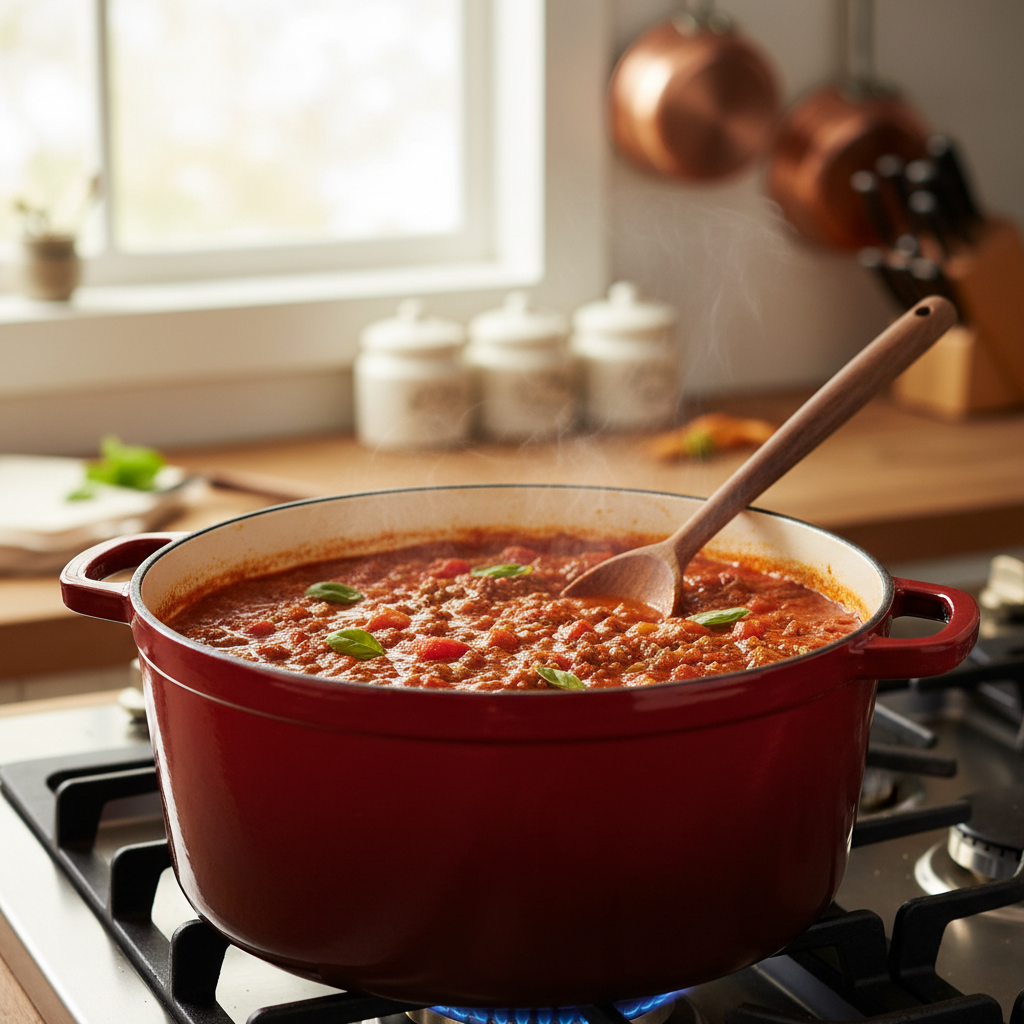
Step 1: Sauté Aromatics
A delicious homemade spaghetti sauce starts with a strong flavor base. This is where your aromatics, like onion and garlic, truly shine.
These essential ingredients infuse your sauce with deep, savory flavors from the start. They are the secret to that comforting, familiar taste.
- Heat the Oil: In a large, heavy-bottomed pot or Dutch oven, warm 2 tablespoons of olive oil over medium heat.
- Sauté the Onion: Add 1 chopped onion and cook until soft and translucent, stirring occasionally. This should take 5 to 7 minutes.
- Add the Garlic: Stir in 3-4 cloves of minced garlic and cook for one more minute until fragrant. Be careful not to let it burn, as burnt garlic tastes bitter.
Recipe-GPT Tip: Feeling adventurous? Recipe-GPT can suggest alternative aromatics like shallots or leeks. Just tell our AI your preferences, and it will generate personalized ideas to adapt this easy recipe effortlessly.
Step 2: Bloom the Tomato Paste
Blooming tomato paste is a simple but powerful technique to unlock its full, rich flavor. This small effort adds significant depth to your sauce.
Cooking the paste directly in the pan before adding liquids allows its natural sugars to caramelize. This simple step intensifies the tomato flavor, making the sauce more robust and less watery.
- Add Paste to Pan: Push the aromatics to one side of the pot and add 2 tablespoons of tomato paste to the empty space.
- Cook and Stir: Cook for 2-3 minutes, stirring often, until the paste darkens slightly and smells toasty.
- Combine: Stir the bloomed tomato paste into the aromatics to create a complex flavor base for your easy marinara sauce.
Personalized Touch: Want a lighter or richer sauce? Recipe-GPT can instantly adjust the amount of tomato paste based on your desired intensity. This makes it simple to create the homemade tomato sauce you prefer.
Step 3: Add Tomatoes and Simmer
Now it’s time to add the tomatoes. This step brings all the flavors together and is where the magic of simmering begins.
Simmering allows the ingredients to meld, creating a deep and harmonious flavor. It’s a patient process that yields amazing results for your best marinara sauce recipe.
- Introduce Tomatoes: Pour in 2 (28-ounce) cans of crushed or diced tomatoes, along with 1 cup of water or vegetable broth.
- Add Herbs: Stir in 1 teaspoon of dried oregano and ½ teaspoon of dried basil. For a brighter flavor, you can use fresh herbs instead.
- Bring to a Simmer: Bring the sauce to a simmer, then reduce the heat to low. Cover the pot, but leave the lid slightly ajar to let steam escape.
- Simmer Patiently: Let the sauce simmer for at least 30 minutes or up to 2 hours, stirring occasionally. A longer simmer will develop a richer, more complex flavor.
Recipe-GPT AI Insight: Unsure which herbs to use? Recipe-GPT can suggest herb combinations. It can also recommend the ideal simmering time for a quick weeknight meal or a leisurely Sunday dinner. Get tailored meal inspiration instantly!
Step 4: Season and Finish
The final step is perfecting the sauce’s taste. This is your chance to adjust the seasoning and add any finishing touches for a perfectly balanced flavor.
Tasting as you go is the best way to ensure the sauce is exactly how you like it, so don’t be afraid to make small adjustments. This approach makes your simple tomato sauce truly your own.
- Season to Taste: After simmering, taste the sauce. Add salt, black pepper, and a pinch of sugar to balance any acidity from the tomatoes.
- Optional Kick: For a touch of warmth, stir in a pinch of red pepper flakes.
- Fresh Herbs: Stirring in fresh basil or parsley just before serving will brighten the overall flavor.
- A Hint of Cheese: For extra richness, finish with a drizzle of extra virgin olive oil or a sprinkle of grated Parmesan cheese.
AI for Flavor: Recipe-GPT can suggest ingredient swaps for dietary needs, such as a low-sodium broth or alternative sweeteners. This makes discovering personalized recipes for your easy homemade spaghetti sauce fast and easy.
Optional: Blending for a Smooth Sauce
If you prefer a silky-smooth pasta sauce, blending is an easy way to achieve a restaurant-quality texture. This step is completely optional and depends on your preference.
While many enjoy a chunky sauce, a smooth sauce can feel more luxurious and is perfect for certain pasta shapes or a more refined presentation.
- Cool Slightly: If using a standard blender, let the sauce cool for 15-20 minutes first. Blending hot liquids can create dangerous pressure inside the machine.
- Use an Immersion Blender: An immersion blender is the safest and most convenient option. Simply place it directly in the pot and blend until the sauce reaches your desired smoothness.
- Use a Regular Blender: If using a regular blender, work in small batches and fill it no more than halfway. Place the lid on securely, and start on a low speed before gradually increasing it.
- Strain (Optional): For an exceptionally velvety texture, you can pour the blended sauce through a fine-mesh sieve.
Recipe-GPT’s Smart Suggestions: Not sure if a smooth sauce is right for your meal? Our AI can recommend whether a smooth or chunky texture pairs best with your pasta. Get tailored, AI-generated meal ideas in seconds, ensuring your homemade pasta sauce recipe is perfect for your dish.
Do I have to peel tomatoes before making sauce?
When making homemade spaghetti sauce, deciding whether to peel tomatoes is a personal choice. Peeling isn’t always necessary, and many home cooks skip the step entirely to save time and effort. Rest assured, your sauce will still taste amazing even with the skins left on.
On one hand, some culinary experts argue for peeling. They find that tomato skins can introduce a slightly bitter flavor and prevent a perfectly smooth consistency. By peeling, you ensure a silky texture, a difference that’s especially noticeable when using fresh tomatoes.
On the other hand, leaving the skins on offers great benefits. Tomato skins are rich in fiber and antioxidants, and they contribute to a more rustic, hearty sauce. Plus, during a long simmer, the skins often break down so much that you might not even notice them in the final product.
How to Decide: Key Factors
- Tomato Type: Canned whole tomatoes are typically pre-peeled, so this decision is most relevant for fresh varieties.
- Desired Texture: For a perfectly smooth, restaurant-style sauce, peeling is recommended. If you prefer a chunky, rustic sauce, leaving the skins on is perfectly fine.
- Time Commitment: Peeling adds an extra step to your cooking process. If you’re short on time, you may want to skip it.
- Nutritional Value: The skins contain valuable nutrients, so removing them means losing out on those health benefits.
A Quick Tip for Easy Peeling
If you decide a smoother sauce is worth the effort, peeling is simple with a quick blanching method. Just follow these steps:
- Gently score a small ‘X’ at the bottom of each tomato.
- Place the tomatoes into a pot of boiling water for about 30 to 60 seconds.
- Immediately transfer them to a bowl of ice water.
- The skins will then slip off with ease.
Recipe-GPT makes this decision effortless. Simply tell our AI your preferences—whether you want a speedy, rustic sauce or an incredibly smooth one. It will suggest recipes tailored to your taste, providing clear, step-by-step guidance that includes or skips peeling based on your goals. Our tool can even offer shortcuts, like using canned peeled tomatoes for a smooth result without the extra work. Get personalized meal inspiration in an instant.
Find Your Secret Ingredient with AI

Let Recipe-GPT Personalize Your Sauce
You’ve mastered the classic spaghetti sauce. Now, imagine tailoring that recipe to your exact taste. Recipe-GPT is the secret ingredient that makes it possible.
Our AI-powered generator helps you fine-tune your homemade sauce. Simply tell it what ingredients you have or what flavors you love, and get instant, personalized ideas.
Here’s how Recipe-GPT makes your sauce truly yours:
- Ingredient Matching: Have extra bell peppers or some spinach to use up? Our AI incorporates the ingredients you already have, so there’s no need for a last-minute grocery run.
- Taste Preferences: Love a garlicky sauce or prefer a milder flavor? Recipe-GPT adjusts ingredient amounts to create a recipe that perfectly matches your palate.
- Dietary Needs: Following a vegan, gluten-free, or low-carb diet? Get tailored ingredient swaps and recipe variations in seconds.
- Serving Sizes: Cooking for one, a family, or a party? Easily scale your recipe up or down while the AI adjusts all the ingredient amounts for you.
- Flavor Twists: Discover new herbs and unexpected additions. Recipe-GPT can suggest creative ingredients to elevate your sauce from great to unforgettable.
Easy Variations: Meat Sauce, Spicy Arrabbiata, and Creamy Tomato
Your basic homemade sauce is a versatile starting point for exploring new flavors. Ready to experiment? Try one of these simple variations.
- Hearty Meat Sauce (Bolognese Style):
- Brown one pound of ground beef, Italian sausage, or a mix of both.
- Drain any excess fat.
- Add the cooked meat to your sauce during the simmering stage.
- Simmer a bit longer to allow the flavors to blend beautifully.
- Spicy Arrabbiata:
- Sauté red pepper flakes with your garlic and onions.
- Adjust the amount to your preferred level of heat.
- This simple addition gives your sauce a wonderful, spicy kick.
- Rich Creamy Tomato Sauce:
- Stir in 1/4 to 1/2 cup of heavy cream or full-fat coconut milk.
- Add it during the last 5-10 minutes of cooking.
- This creates a luxuriously smooth and rich finish.
These are just a few ideas to get you started. To uncover endless variations, simply tell Recipe-GPT your desired flavor profile, and it will suggest specific ingredients and steps. Whether you want a smoky sauce or a veggie-packed option, just ask and watch the magic happen.
Storing and Freezing Your Homemade Sauce
Making a big batch of sauce is a smart way to save time on busy weeknights. Proper storage keeps it fresh and ready for a quick meal whenever you need it.
- Refrigerating:
- Let the sauce cool completely to room temperature first.
- Transfer it to clean, airtight containers.
- Your sauce will stay fresh in the refrigerator for 3-4 days. [3]
- Freezing:
- Ensure the sauce is fully cooled before freezing.
- Use freezer-safe bags or containers.
- If using containers, leave about an inch of space at the top for expansion.
- Freeze the sauce in meal-sized portions for easier thawing.
- Label each container with the date.
- Frozen sauce maintains its best quality for up to 6 months. [4]
- Thawing and Reheating:
- For the best texture, thaw frozen sauce overnight in the refrigerator.
- You can also use the defrost setting on your microwave for a quicker option.
- Gently reheat the sauce on the stovetop over low heat, stirring occasionally.
- If the sauce seems too thick, add a splash of water or broth to thin it out.
Batch cooking and freezing your sauce is a game-changer for effortless weeknight dinners. Recipe-GPT can even help you plan meals around it—just ask for recipes using “pre-made tomato sauce”!
Frequently Asked Questions
What is the famous 4 ingredient pasta sauce?
The famous “4-ingredient pasta sauce” is Marcella Hazan’s iconic Tomato Sauce with Onion and Butter. This recipe is celebrated for creating an incredibly deep flavor from just a few simple ingredients, transforming them into something truly extraordinary.
The four ingredients are:
- Canned peeled tomatoes (often San Marzano, for their sweetness)
- One medium onion (peeled and cut in half)
- Butter
- Salt
To make it, you gently simmer these ingredients together, allowing the flavors to meld. The onion infuses the sauce with sweetness and is then discarded before serving [5]. This easy homemade spaghetti sauce proves that quality ingredients and simple techniques can yield delicious results.
Recipe-GPT Tip: While simple, Recipe-GPT can help you explore variations. Just tell our AI if you prefer a touch of garlic or a hint of spice. It can suggest personalized twists on even the most classic recipes, making them uniquely yours.
What does Gordon Ramsay put in his spaghetti sauce?
Gordon Ramsay is known for a refined approach that builds rich, flavorful tomato sauces from fresh, high-quality ingredients. While his recipes vary, his homemade sauces commonly feature the following components:
- Quality Tomatoes: He often opts for ripe, fresh tomatoes or high-quality canned varieties.
- Aromatics: Garlic and shallots are frequently used for a delicate, sweet base.
- Herbs: Fresh basil and oregano are staples, added towards the end for vibrant flavor.
- Olive Oil: A good quality extra virgin olive oil is essential for sautéing and finishing.
- Chili Flakes: Often, a touch of heat from chili flakes enhances the overall taste.
- Wine: Sometimes a splash of red wine is used to deglaze the pan, adding complexity.
- Finishing Touches: A knob of butter or a drizzle of olive oil, plus freshly grated Parmesan, usually finish his dishes [6].
His technique focuses on layering flavors with fresh components to create a deeply satisfying sauce. Ramsay also stresses the importance of simmering the sauce slowly to develop maximum flavor.
Recipe-GPT Tip: Want to cook like a pro without all the fuss? Recipe-GPT can help. Our AI can suggest ingredient swaps to match what you have. It can also simplify complex techniques into easy-to-follow steps. This means you get a gourmet-inspired meal without the usual stress.
What can I put on pasta when I have no sauce?
If your pantry is bare of traditional sauce, don’t worry—you can still create a delicious and easy pasta dish. Here are several simple, fast options you can make with common household ingredients:
- Garlic and Oil (Aglio e Olio): Sauté thinly sliced garlic in olive oil until fragrant. Toss with cooked pasta, a sprinkle of red pepper flakes, and fresh parsley if available. This is a timeless classic.
- Butter and Cheese: Melt butter with a splash of pasta water. Add plenty of grated Parmesan or Pecorino Romano cheese. Toss vigorously with hot pasta until a creamy sauce forms. Black pepper is a must here.
- Pantry Pesto: If you have basil, nuts (walnuts, pine nuts), garlic, Parmesan, and olive oil, a quick homemade pesto is easy. Blend everything in a food processor, then toss with pasta.
- Lemon and Herb: Combine lemon zest, fresh lemon juice, olive oil, and chopped fresh herbs like parsley or chives. Toss with pasta, a little pasta water, and grated cheese. This is a light and bright option.
- Canned Tuna/Anchovies: Sauté garlic and chili flakes in olive oil. Add drained canned tuna or a few mashed anchovies. Stir in a bit of pasta water. This creates a savory, satisfying topping.
- Tomato Paste Boost: If you have a tube or small can of tomato paste, bloom it in olive oil with garlic. Add a splash of pasta water and a pinch of sugar. It creates a quick, concentrated tomato flavor.
Recipe-GPT Solution: Stuck with limited ingredients? Simply tell Recipe-GPT what you have on hand. Our AI will instantly generate a creative, easy-to-follow recipe tailored to your pantry, turning mealtime indecision into a delicious solution.
Sources
- https://www.healthline.com/nutrition/how-much-sugar-in-tomato-sauce
- https://www.bonappetit.com/test-kitchen/ingredients/article/san-marzano-tomatoes
- https://www.foodsafety.gov/food-safety-charts/cold-food-storage-chart
- https://www.fda.gov/media/73770/download
- https://cooking.nytimes.com/recipes/1015178-marcella-hazans-tomato-sauce-with-onion-and-butter
- https://www.gordonramsay.com/gr/recipes/category/pasta-risotto/