Tag: easy recipe

  • The Best Mashed Potatoes Recipe: A Simple Step-by-Step Guide

    The Best Mashed Potatoes Recipe: A Simple Step-by-Step Guide

    The best mashed potatoes recipe involves boiling high-starch potatoes, like Russets or Yukon Golds, until they are very tender. Once cooked, drain them well and mash with warm butter, milk, or cream, and season with salt and pepper. The key is to avoid overworking the potatoes to achieve a light, fluffy texture.

    Few side dishes are as comforting as a bowl of perfectly creamy, fluffy mashed potatoes. It’s a classic staple that’s perfect for any occasion, from a holiday feast to a simple weeknight meal. If you’ve ever wanted to achieve that ideal texture and flavor without the fuss, you’re in the right place. We believe making the best mashed potatoes recipe should be simple, not a chore.

    At Recipe-GPT, we are dedicated to making mealtime decisions easy, fast, and fun. That’s why we’ve created this guide to making foolproof, easy mashed potatoes that will impress everyone. We simplify the process with clear, step-by-step instructions, so even beginners can achieve a delicious result. We will also show you how our AI-powered tool can help you personalize, adjust, or discover new variations for your simple mashed potatoes with just a few clicks.

    Why is This the Best Mashed Potatoes Recipe for Beginners?

    Learning to cook can feel daunting, but delicious food doesn’t need to be complex. This is the best mashed potatoes recipe for beginners because we’ve simplified every step.

    Our goal is to build your kitchen confidence. With this recipe, you’ll create creamy, delicious mashed potatoes every time. This easy mashed potatoes recipe uses readily available ingredients and requires no fancy equipment.

    Here’s why this recipe stands out for new cooks:

    • Simple Ingredients: You likely have most of these items in your pantry. We avoid obscure or hard-to-find components.
    • Clear Steps: Each instruction is broken down into plain, actionable language, so you know exactly what to do next.
    • Guaranteed Success: We focus on proven techniques that deliver perfect results—creamy, not gummy, mashed potatoes.
    • Quick & Practical: This recipe is designed for busy lives. You can prepare it efficiently, making it perfect for everyday meals.

    Beyond the recipe itself, Recipe-GPT makes your cooking journey even smoother. Our AI platform offers personalized help to transform mealtime indecision into clear choices. It’s more than just a recipe; it’s your personal cooking companion.

    Recipe-GPT helps beginners by:

    • Tailoring to You: Our AI can adjust this easy mashed potatoes recipe for your needs. Need smaller servings? Recipe-GPT adapts the quantities instantly.
    • Suggesting Variations: Want to add a twist? Our AI provides creative ideas, like cheesy or garlic mashed potatoes.
    • Simplifying Planning: Discovering new dishes is fast. Just input the ingredients you have to get instant inspiration.
    • Building Confidence: Our platform empowers you to try diverse recipes without stress, creating more enjoyable cooking experiences.

    This approach moves you from uncertainty to confident cooking. You’ll master this classic side dish quickly and can then explore many more delicious options with Recipe-GPT’s guidance.

    What’s the secret to great mashed potatoes?

    A home cook's hands using a metal potato ricer to mash cooked potatoes into a stainless steel bowl, showing the fluffy texture.
    A photorealistic, professional food photography image depicting a key step in a culinary workspace. A real human home cook’s hands, in a clean, modern home kitchen, are actively using a metal potato ricer to press cooked potatoes into a large stainless steel bowl. The focus is on the action, showing the fluffy, fine texture of the riced potatoes accumulating in the bowl, with subtle steam visible. The lighting is bright and natural, highlighting the ingredients and the precision of the process.

    Choosing the Best Potatoes for Mashing

    The journey to amazing mashed potatoes starts with picking the right spud, as not all potatoes are created equal for mashing.

    For the best results, you want starchy potatoes because they break down easily when cooked, which makes them light and fluffy when mashed. Waxy potatoes, in contrast, hold their shape and can lead to a gluey texture.

    The top choices for fluffy, delicious mashed potatoes are:

    • Russet or Idaho Potatoes: High in starch, these potatoes produce the classic, fluffy mash.
    • Yukon Gold Potatoes: As a medium-starch potato, they offer a naturally creamy texture and a slightly buttery flavor that many cooks find perfect.

    Wondering what to do with the potatoes you have on hand? Recipe-GPT can help! Just tell our AI your ingredients, and it will suggest the best recipes, even recommending substitutions for different potato types.

    Tips for a Perfectly Creamy Texture

    Achieving a dreamy, creamy texture is simpler than you think. It’s all about avoiding the common pitfalls that lead to gummy mashed potatoes.

    Follow these quick tips for mashed potato perfection:

    • Cut Evenly: Chop your potatoes into similar-sized pieces to ensure they cook at the same rate. Uneven cooking can leave you with a mix of hard and soft bits.
    • Don’t Overcook: Cook potatoes just until a fork can easily pierce them. If they get too mushy, they will absorb excess water, making your final dish watery or gummy.
    • Drain Well: After boiling, drain the potatoes thoroughly and let them sit in the hot pot for a minute or two. The residual heat helps evaporate excess moisture, allowing them to absorb butter and milk more effectively.
    • Mash Gently: Use a potato ricer or a hand masher, and avoid a food processor. A food processor can overwork the potatoes, releasing too much starch and resulting in a sticky, gluey mess.
    • Work Quickly: Mash the potatoes while they are still hot. They absorb liquids and fats more readily at this stage, leading to a smoother, creamier consistency.

    Recipe-GPT provides these expert tips with every mashed potato recipe. Our AI-powered guidance ensures you get it right every time so you can cook with confidence.

    Why Warm Milk and Butter Are Key

    This small step makes a huge difference. Adding warm dairy and fat is a key secret to achieving a luxurious texture in your mashed potatoes.

    Here’s why this step is so important:

    • Better Absorption: Hot potatoes absorb warm milk and melted butter more easily, allowing them to blend smoothly. Cold ingredients, on the other hand, can shock the potatoes and won’t incorporate as well.
    • Maintains Temperature: Using cold ingredients cools your potatoes down, making them harder to mash and affecting the final texture. Warm additions maintain the temperature, keeping the potatoes easy to work with.
    • Prevents Gummy Texture: When potatoes cool, their starches can seize up. Adding cold liquids can make this worse, creating a tough texture. Warm liquids keep the starches pliable, helping to create a smooth, creamy result.

    Always gently warm your milk and melt your butter before adding them. Recipe-GPT includes this crucial detail in our step-by-step guides. This attention to detail helps you master simple techniques for amazing meals and elevates your home cooking.

    How to make mashed potatoes easy step by step?

    A rustic bowl filled with perfectly smooth, creamy mashed potatoes, garnished with fresh chives and a melting pat of butter.
    A photorealistic, professional food photography image in a high-quality food magazine photo style. A close-up, appetizing shot of a perfectly smooth and creamy serving of mashed potatoes, scooped into a rustic ceramic bowl. The potatoes are garnished with finely chopped fresh chives and a small pat of butter melting into the warm surface. The background is a subtly blurred, warm home kitchen setting with natural light, emphasizing the inviting texture and appealing presentation of the finished dish.

    Simple Ingredients You’ll Need

    You don’t need a long list of fancy ingredients to create fantastic mashed potatoes. Simplicity is the secret to the best results, and you likely have most of these staples on hand.

    • Potatoes: About 2 pounds. Russets or Yukon Golds are perfect for a creamy texture.
    • Butter: 1/2 cup (1 stick), unsalted. Good quality butter adds richness.
    • Milk: 1/2 cup, whole milk. Warm it gently before adding.
    • Salt: 1 teaspoon, or to taste. Essential for flavor.
    • Black Pepper: 1/4 teaspoon, freshly ground. Adds a nice finish.

    This recipe is a great starting point, so feel free to use what you have. For quick adjustments, Recipe-GPT can help you scale the ingredients.

    Step 1: Prepare and Boil the Potatoes

    This first step is crucial for achieving a wonderfully smooth texture. Proper preparation makes all the difference.

    1. Peel and Cut: First, peel your potatoes and cut them into uniform 1-inch pieces to ensure they cook evenly.
    2. Rinse Well: Place the cut potatoes in a colander and rinse them under cold water until it runs clear. Rinsing away excess starch is the key to preventing gummy mashed potatoes [1].
    3. Cold Water Start: Put the rinsed potatoes into a large pot and cover them with cold water by about one inch. Add a generous pinch of salt.
    4. Boil Until Tender: Bring the water to a boil over high heat, then reduce the heat to a simmer. Cook for 15-20 minutes, or until the potatoes are very tender and a fork slides through them easily.

    Starting the potatoes in cold water helps them cook evenly from the outside in, preventing mushy exteriors and undercooked centers.

    Step 2: Drain and Dry

    Draining and drying the cooked potatoes is a vital step for preventing a watery, bland result. Don’t skip it!

    1. Drain Thoroughly: Pour the potatoes into a colander and let them drain for a minute or two to remove all excess water.
    2. Return to Pot: Transfer the well-drained potatoes back to the hot, empty pot.
    3. Dry Them Out: Place the pot back on the stove over low heat. Shake the pot gently for 1-2 minutes to evaporate any remaining moisture. Drier potatoes absorb butter and milk more effectively, resulting in a creamier mash.

    This quick drying step is a game-changer, ensuring your mashed potatoes turn out perfectly rich and creamy instead of watery.

    Step 3: Mash to Perfection

    Now for the fun part: mashing. This is where you transform humble potatoes into a delightful side dish. Using warm ingredients is the key to success in this step.

    1. Warm Ingredients: While the potatoes are drying, gently warm the milk and melt the butter in a small saucepan or the microwave. Do not let them boil. Hot potatoes absorb warm ingredients more easily, which creates a smoother mash.
    2. Mash the Potatoes: Use a potato masher, fork, or ricer to gently mash the dry potatoes until they reach a smooth but slightly textured consistency. Be careful not to over-mash.
    3. Add Butter: Gently stir the warm, melted butter into the potatoes until it is fully incorporated.
    4. Add Milk, Salt, and Pepper: Slowly pour in the warm milk, stirring continuously until you reach your desired level of creaminess. Season with salt and pepper to taste.
    5. Serve Immediately: Serve your delicious, simple mashed potatoes while they’re hot for the best flavor and texture.

    For an extra-smooth mash, a potato ricer works wonders. If you prefer a slightly chunkier texture, a traditional masher is perfect. Looking for other variations? Recipe-GPT can offer quick suggestions!

    AI Tip: Let Recipe-GPT Adjust Your Servings

    Whether you’re cooking for one or a large gathering, Recipe-GPT makes it easy to scale recipes. You no longer need to do the math yourself.

    Our AI can instantly adjust the ingredient quantities for this recipe—just tell it how many servings you need. It can also suggest alternative cooking methods, like using a crock pot.

    Recipe-GPT also suggests personalized variations. If you’re out of milk, for example, our AI can recommend a suitable substitute, making your cooking experience easy and tailored to you.

    This feature saves time, reduces food waste, and gives you the confidence to adjust old favorites or try new ones. Make your mealtime decisions simple and stress-free with AI assistance.

    How Can I Customize My Mashed Potatoes?

    Three small bowls of mashed potatoes, each customized with different toppings including crispy bacon and cheese, roasted garlic and rosemary, and truffle oil with parsley.
    A photorealistic, professional food photography image in a high-quality food magazine photo style. Three individual, small, elegantly arranged bowls of mashed potatoes are displayed on a rustic wooden cutting board in a well-lit home kitchen. Each bowl features a distinct customization: one with crispy bacon bits and shredded cheddar cheese, another with roasted garlic cloves and fresh rosemary sprigs, and the third with a drizzle of truffle oil and fresh parsley. The image highlights the variety of textures and colors, suggesting easy customization options.

    Once you’ve mastered the easy mashed potatoes recipe, it’s time to get creative. Customizing your mash is a simple and fantastic way to match any meal or mood.

    Here are a few popular ideas to inspire you, plus how Recipe-GPT can help you discover endless personalized variations.

    Creamy Garlic Mashed Potatoes

    For a classic side dish with a wonderful depth of flavor, try adding garlic.

    Here’s how to make them:

    • During the last 5-10 minutes of boiling your potatoes, add 3-4 peeled garlic cloves to the pot to soften them.
    • Drain the potatoes and garlic together.
    • Mash the garlic right along with the potatoes until it blends smoothly.
    • Proceed with adding warm milk and butter as usual. You can also infuse your butter with garlic beforehand for an extra kick.

    This simple technique transforms your simple mashed potatoes into something special.

    Simple Cheesy Mashed Potatoes

    Cheese makes everything better, and this incredibly comforting variation is a guaranteed family favorite.

    To make cheesy mashed potatoes:

    • After mashing your potatoes with milk and butter, stir in 1/2 to 1 cup of shredded cheese.
    • Cheddar, Monterey Jack, or Parmesan are excellent choices.
    • Continue stirring until the cheese is fully melted and incorporated.
    • Taste and add more salt or pepper if needed.

    This cheesy version is a quick and easy way to upgrade your side dish.

    Sour Cream and Chive Variation

    For a tangy, fresh twist with a lighter, brighter flavor, try adding sour cream and chives.

    Follow these quick steps:

    • Once your potatoes are mashed with milk and butter, fold in 1/4 to 1/2 cup of sour cream.
    • Add 2 tablespoons of freshly chopped chives.
    • Mix gently until just combined to keep the texture light.

    Using AI to Find More Ideas

    Looking for other customization options? Recipe-GPT is your go-to AI assistant for finding new twists on your best mashed potatoes recipe.

    Our AI simplifies mealtime decisions by providing personalized recipe suggestions in moments.

    Here’s how Recipe-GPT helps you explore:

    • Ingredient Spotlight: Tell Recipe-GPT what you have on hand, and it will suggest creative mashed potato variations using those ingredients.
    • Dietary Adjustments: Need vegan or low-carb mashed potatoes? Simply input your dietary needs, and the AI will generate tailored recipes.
    • Flavor Combos: Ask for spicy mashed potatoes, herbed mashed potatoes, or even different root vegetable blends for instant inspiration.
    • Serving Size Smarts: Easily adjust any recipe for a small dinner or a large gathering. The AI handles all the calculations for you.

    Recipe-GPT transforms meal planning from a chore into a quick, intuitive process. Discover your next favorite mashed potato variation and get personalized, easy-to-follow cooking guidance with just a few clicks!

    Can You Make Mashed Potatoes in a Crock Pot?

    Easy Crock Pot Mashed Potatoes Instructions

    Using a Crock Pot for mashed potatoes is a great way to simplify your cooking process. This hands-off method frees up valuable stovetop space, making it ideal for busy meal prep or holiday feasts. You can set it and forget it until it’s time to mash.

    This approach turns a classic side dish into an effortless one, delivering delicious, creamy results with minimal work.

    Ingredients You’ll Need:

    • 5 pounds russet or Yukon Gold potatoes, peeled and quartered
    • 1 cup chicken or vegetable broth (or water)
    • 1 teaspoon salt
    • ½ teaspoon black pepper
    • ½ cup milk (whole milk or half-and-half works best)
    • ½ cup unsalted butter, melted

    Step-by-Step Instructions:

    1. Prepare Potatoes: Peel the potatoes and cut them into evenly sized quarters. This ensures they cook uniformly.
    2. Load Crock Pot: Place the quartered potatoes into your slow cooker and add the broth, salt, and pepper.
    3. Cook: Cover and cook on high for 3-4 hours or on low for 6-8 hours. The potatoes are done when they are tender enough to be easily pierced with a fork.
    4. Drain: Carefully drain any excess liquid. You can reserve a small amount to mix back in later for a thinner consistency.
    5. Mash: Add the milk and melted butter, then mash the potatoes directly in the Crock Pot until you reach your desired consistency.
    6. Adjust and Serve: Taste the potatoes and adjust seasonings if needed. For a creamier texture, stir in a bit more milk.

    AI Tip: Need to scale this recipe for a smaller family or a larger gathering? Simply tell Recipe-GPT your desired serving size! Our AI can instantly adjust ingredient quantities for you, making meal planning a breeze.

    How to Keep Mashed Potatoes Warm for a Party

    Keeping mashed potatoes warm for a party is easy with a slow cooker. The appliance maintains a consistent, gentle heat that keeps them ready to serve without overcooking.

    This method ensures your guests will enjoy hot, perfectly creamy mashed potatoes throughout the event.

    Tips for Warming Mashed Potatoes in a Crock Pot:

    • Use the “Warm” Setting: Once the potatoes are mashed, switch the Crock Pot to its “Warm” setting. This will keep them at the perfect temperature without overcooking them.
    • Add Extra Moisture: To prevent the potatoes from drying out, stir in a splash of warm milk or broth. For extra richness and moisture, you can also add a small amount of cream cheese.
    • Cover Tightly: Keep the lid on the slow cooker at all times to effectively trap heat and moisture.
    • Stir Occasionally: Gently stir the potatoes every 30-60 minutes to distribute heat evenly and prevent the bottom layer from scorching.
    • Garnish Just Before Serving: Add fresh herbs, butter, or other garnishes right before you serve to keep them looking fresh.

    With these simple tips, your mashed potatoes will stay warm, creamy, and ready to serve whenever your guests are ready to eat.

    AI Benefit: Cooking for a crowd? Recipe-GPT can help you plan your party menu. Get personalized suggestions for sides that pair perfectly with mashed potatoes. It even helps you generate a shopping list instantly.

    Frequently Asked Questions

    How to Make Simple Mashed Potatoes

    Creating delicious mashed potatoes is easier than you think. Our simple, step-by-step guide is perfect for beginners and busy cooks alike.

    First, choose the right potatoes, like Russet or Yukon Gold varieties. Then, peel and cut them into equal-sized chunks to ensure they cook evenly.

    Boil the potato chunks in salted water for 15-20 minutes, or until they are fork-tender. Drain them completely and return them to the warm pot to help evaporate any remaining water.

    Next, mash the potatoes until smooth. Add warm milk or cream and melted butter, then season with salt and pepper to taste. For personalized help, Recipe-GPT can instantly adjust quantities for your family size or suggest simple seasonings based on what’s in your pantry. [2]

    Our AI makes mealtime decisions easy, so you can cook with confidence.

    How to Make the Perfect Mashed Potatoes

    Achieving “perfect” mashed potatoes means focusing on a few key details to balance texture and flavor.

    Here are our top tips:

    • Choose the Right Potato: Starchy potatoes like Russets yield fluffy results. Waxy potatoes, such as red bliss, can become gummy. Yukon Golds offer a great balance of creamy and fluffy.
    • Consistent Chunks: Cutting potatoes into uniform pieces promotes even cooking and tenderness.
    • Salt the Water: Always salt your boiling water. Potatoes absorb this seasoning as they cook, enhancing their overall flavor.
    • Warm Dairy and Butter: Never add cold milk or butter. Warm ingredients blend more easily and keep your potatoes hot and creamy.
    • Don’t Over-Mash: Over-mashing releases too much starch, leading to a gummy texture. Use a ricer or a hand masher for the best results.

    Recipe-GPT can help you explore different flavor profiles. Just tell our AI your preferences, and it will generate tailored ideas, such as a garlic-herb mash or a cheesy variation, making meal planning effortless.

    What Are the Main Ingredients for Mashed Potatoes?

    Making delicious mashed potatoes requires only a few core ingredients, most of which you likely already have on hand.

    The essentials include:

    • Potatoes: Approximately 2-2.5 pounds for a standard side dish. Russet, Yukon Gold, or Desiree potatoes are excellent choices.
    • Dairy: Milk, heavy cream, or a combination. Start with about 1/2 cup and add more until you reach your desired consistency.
    • Butter: Unsalted butter is preferred so you can control the saltiness. Use 1/4 to 1/2 cup to add richness.
    • Salt: Essential for seasoning both the boiling water and the finished dish.
    • Pepper: Freshly ground black pepper adds a perfect finishing touch.

    Need a substitute? Recipe-GPT can help. For example, if you’re out of milk, our AI can suggest chicken broth or plant-based milks for a dairy-free option. This ensures you can cook delicious meals with the ingredients you have.

    How to Make Mashed Potatoes Creamy, Not Gummy

    Avoiding gummy mashed potatoes is all about the right potato choice and proper mashing technique.

    Follow these tips for creamy perfection:

    • Select Starchy Potatoes: Russets are ideal due to their high starch content, which makes them light and fluffy when mashed. Waxy potatoes are more likely to turn gummy. [3]
    • Don’t Overcook: Cook potatoes only until they are fork-tender. Overcooked potatoes absorb too much water, which can lead to a gummy mash.
    • Drain Thoroughly: After boiling, drain the potatoes completely. Return them to the hot, empty pot for a minute to evaporate any excess moisture.
    • Mash Gently: Use a potato ricer or a hand masher. Avoid food processors or stand mixers, as these tools overwork the potatoes and create a gluey texture.
    • Use Warm Ingredients: Always use warm milk and melted butter. Cold ingredients don’t blend in as smoothly and can cool your potatoes down.

    If you’re ever unsure about quantities or techniques, Recipe-GPT is here to help. Our AI can offer quick tips and adjust recipes instantly to ensure your mashed potatoes are perfectly creamy every time.

    Sources

    1. https://www.seriouseats.com/the-best-mashed-potatoes-recipe
    2. https://www.foodnetwork.com/recipes/articles/potato-types-guide
    3. https://www.potatogoodness.com/potato-types/

  • How to Make the Best Homemade Tomato Soup (A Simple Recipe)

    How to Make the Best Homemade Tomato Soup (A Simple Recipe)

    The best homemade tomato soup is made by roasting fresh tomatoes with garlic, onions, and herbs to enhance their natural sweetness. The roasted mixture is then blended with vegetable broth until smooth. For a creamy finish, a splash of heavy cream, coconut milk, or milk can be added at the end.

    There’s nothing quite like a warm bowl of creamy, flavorful homemade tomato soup. It’s the ultimate comfort food, perfect for a chilly evening or a cozy lunch. But often, the idea of making it from scratch can feel daunting, leaving you reaching for the canned version instead.

    Get ready to change that! This homemade tomato soup recipe is surprisingly easy, incredibly flavorful, and perfect for every skill level. Forget complicated steps and long ingredient lists. Our simple recipe uses fresh ingredients and straightforward instructions to bring restaurant-quality taste to your table. Plus, with a little help from AI, you can even personalize this delightful dish to match your preferences and ingredients on hand.

    This guide will walk you through every step, from selecting fresh ingredients to achieving a silky-smooth finish. We’ll cover everything you need to create a creamy, rich soup that is sure to become a new favorite. Let’s make mealtime decisions easy and enjoy the satisfaction of making the best tomato soup in your own kitchen.

    Why is This The Best Homemade Tomato Soup Recipe?

    Simple Ingredients, Rich Flavor

    This homemade tomato soup recipe gets its rich flavor from simple, fresh ingredients. We focus on ripe tomatoes, aromatic vegetables, and a few pantry staples—no fancy items needed. This approach highlights the natural sweetness of the tomatoes while building a robust taste from scratch.

    The result is a deep, satisfying flavor far superior to canned versions. Recipe-GPT makes the process effortless, helping you turn everyday ingredients into something special using what you already have on hand.

    Beginner-Friendly Instructions

    Cooking soup from scratch can seem daunting, but our recipe breaks down every step into clear, easy-to-follow instructions. We guide you through each stage, helping you build confidence in the kitchen.

    From roasting vegetables for extra depth to simmering and blending your soup to perfect creaminess, every action is designed to be straightforward. This simple process ensures success for cooks of any skill level.

    Recipe-GPT is designed for beginners and busy home cooks, making even complex recipes approachable. You can create the best homemade tomato soup without any stress.

    Customizable with AI

    Recipe-GPT elevates your cooking experience by making this recipe completely adaptable to you. Our AI puts you in control, helping you personalize the soup instantly based on your specific needs.

    Need to adjust for dietary restrictions or use ingredients you already have in the fridge? Recipe-GPT provides immediate, practical solutions.

    Here’s how our AI can help you customize your soup:

    • Dietary Preferences: Easily make it vegan, dairy-free, or gluten-free. The AI suggests appropriate substitutions for cream or butter.
    • Ingredient Swaps: Don’t have fresh tomatoes? Ask for canned tomato options. Missing an herb? Recipe-GPT can suggest alternatives.
    • Flavor Adjustments: Want more spice? Or a sweeter soup? The AI provides tips to balance the flavors to your liking.
    • Serving Sizes: Quickly adjust the recipe for more or fewer servings. This prevents food waste and simplifies meal planning.

    Recipe-GPT transforms mealtime indecision into clear, tailored suggestions. It offers quick, practical solutions for every kitchen, so you can always cook what you want, how you want it.

    What Ingredients Do You Need for Easy Tomato Soup?

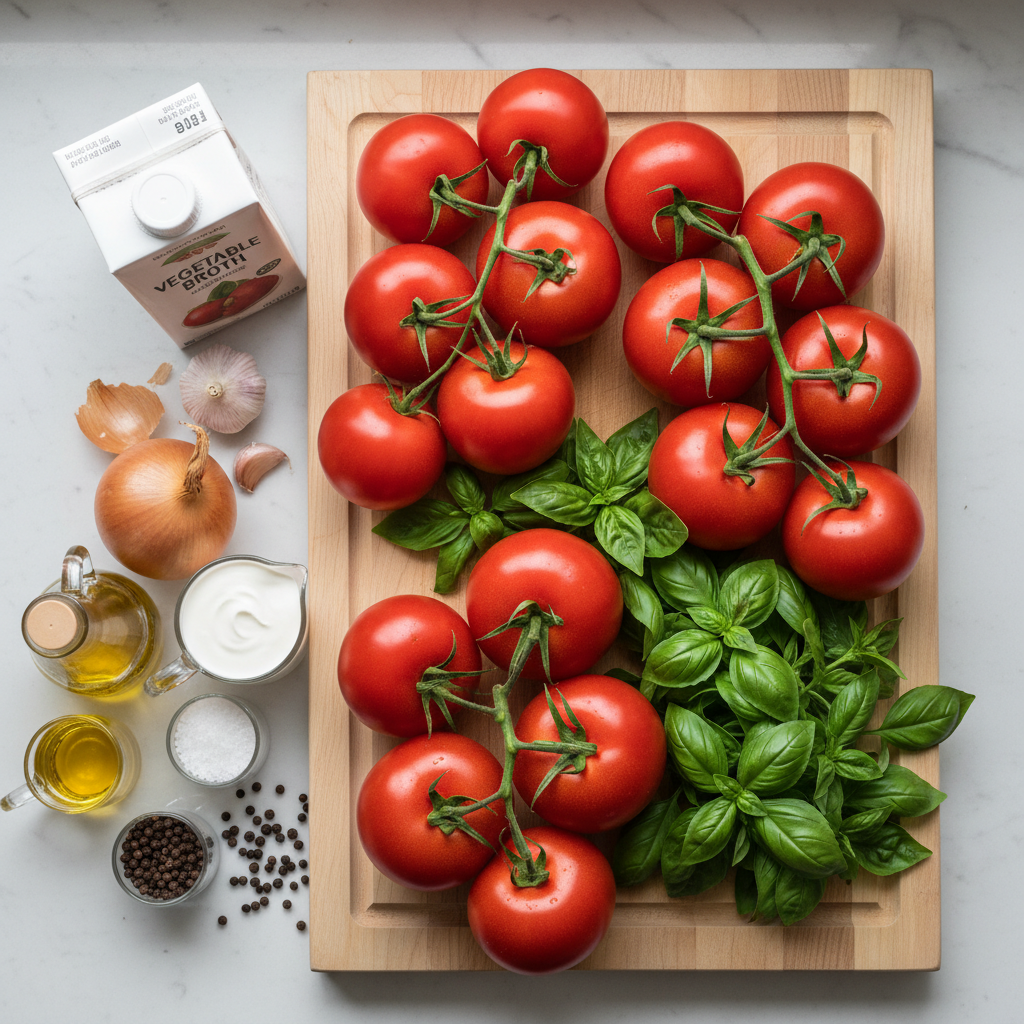
    A curated collection of fresh ingredients for tomato soup, including ripe tomatoes, basil, garlic, onion, broth, and cream, beautifully arranged on a wooden board.
    An overhead, photorealistic professional food photography shot showcasing a vibrant collection of fresh ingredients for homemade tomato soup. Arrange ripe red tomatoes (some on the vine), fresh green basil leaves, whole garlic cloves, a yellow onion, a carton of vegetable broth, a small pitcher of heavy cream, and bottles of olive oil, salt, and black pepper artfully on a light-colored wooden cutting board or clean, minimalist kitchen counter. The lighting is soft, natural, and bright, emphasizing the freshness and quality of each ingredient. High-quality food magazine photo style, clean composition, focus on texture and color.

    Crafting the best homemade tomato soup starts with choosing the right ingredients. The good news is you won’t need anything fancy!

    Our goal is simplicity and fantastic flavor. To make it even easier, Recipe-GPT can help you build your shopping list and suggest substitutions if you’re missing an item.

    Essential Ingredients for Your Soup

    These are the core components for a delicious and easy tomato soup. They create the foundation for a rich, satisfying flavor.

    • Fresh Tomatoes: Aim for ripe, flavorful varieties. Roma, San Marzano, or even a mix work beautifully.
    • Onion: A yellow or white onion adds a sweet, aromatic base.
    • Garlic: Fresh garlic cloves bring a pungent warmth.
    • Vegetable or Chicken Broth: This forms the liquid base. Choose low-sodium if possible.
    • Olive Oil: Essential for roasting and sautéing.
    • Salt and Black Pepper: Basic seasonings are key to enhancing flavor.

    Flavor Boosters & Optional Additions

    These ingredients can elevate your soup from great to absolutely incredible. If you’re not sure which to choose, Recipe-GPT can help you decide which additions best suit your taste.

    • Tomato Paste: A small amount deepens the tomato flavor intensity.
    • Fresh Basil: Adds a bright, herbaceous note, especially at the end.
    • Sugar or Sweetener: A pinch can balance the acidity of tomatoes.
    • Heavy Cream or Milk: For a wonderfully creamy texture. Coconut milk is a great dairy-free option.
    • Butter: Can be used with olive oil for a richer sauté.

    How Recipe-GPT Simplifies Your Ingredient List

    Recipe-GPT takes the guesswork out of gathering ingredients. Here’s how our AI tool makes the process effortless:

    • Personalized Suggestions: Tell Recipe-GPT what you have on hand, and it will generate recipes using those ingredients.
    • Easy Substitutions: Don’t have fresh basil? Ask Recipe-GPT for alternatives. It can quickly provide options like dried oregano or parsley.
    • Dietary Adjustments: Need a dairy-free soup? Recipe-GPT can instantly swap heavy cream for coconut milk or cashew cream.
    • Smart Shopping: Our AI-powered tool can even adjust quantities, ensuring you buy just what you need for your desired serving size.

    The result? You spend less time planning and more time enjoying delicious, homemade meals. Simply input your preferences and let Recipe-GPT guide you!

    How to Make Homemade Tomato Soup (Step-by-Step)

    An immersion blender smooths rich, red tomato soup in a pot on a stovetop, creating a creamy texture.
    A close-up, dynamic, photorealistic professional food photography shot of a stainless steel immersion blender actively pureeing a pot of rich, simmering red tomato soup on a stovetop. Gentle steam rises from the creamy surface. The background is a softly blurred, clean, and warm-toned home kitchen environment, suggesting a culinary workspace. The soup should have a smooth, appealing texture. Emphasize the motion of blending and the inviting warmth of the soup. High-quality food magazine photo style.

    Step 1: Roast the Tomatoes and Vegetables

    Roasting your vegetables brings out a deep, savory flavor that truly transforms the soup. This simple step creates a rich base.

    Here’s how to do it:

    1. Preheat your oven to 400°F (200°C).
    2. Halve the tomatoes and place them on a large baking sheet.
    3. Add the chopped onion and whole garlic cloves.
    4. Drizzle everything with olive oil and sprinkle with salt and black pepper.
    5. Roast for 25-30 minutes, or until the vegetables are tender and slightly caramelized.

    Recipe-GPT Tip: Don’t have these exact veggies? Ask Recipe-GPT! Our AI can suggest clever substitutions based on what’s in your fridge, making meal planning easier.

    Step 2: Sauté the Aromatics

    Sautéing the aromatics builds another layer of flavor, creating a fragrant foundation that infuses the entire dish.

    1. Heat a large pot or Dutch oven over medium heat.
    2. Add a tablespoon of olive oil.
    3. Sauté any extra chopped onion or garlic for 3-5 minutes, or until soft and translucent.
    4. Stir in a tablespoon of tomato paste and cook for 1-2 minutes more to deepen the tomato flavor.

    This quick step is key to developing a complex, vibrant taste.

    Step 3: Simmer the Soup

    Now it’s time to bring everything together. Simmering allows the flavors to meld beautifully, creating a harmonious and comforting soup.

    1. Add the roasted tomatoes and vegetables to the pot.
    2. Pour in enough vegetable or chicken broth to just cover the vegetables.
    3. Add a bay leaf, if using, to enhance the aroma.
    4. Bring the mixture to a gentle simmer.
    5. Reduce the heat to low and let it cook for 15-20 minutes to allow the flavors to combine.

    Recipe-GPT Tip: Want to adjust the soup’s consistency? Recipe-GPT can recommend the perfect amount of broth to tailor the recipe to your liking.

    Step 4: Blend to Perfection

    Blending is the simple secret to a smooth, velvety texture. This step creates a luxurious mouthfeel and a satisfying finish.

    1. Carefully remove the bay leaf before blending.
    2. Use an immersion blender to blend the soup directly in the pot until it’s completely smooth.
    3. Alternatively, transfer the soup in batches to a regular blender and blend until smooth.
    4. Caution: When blending hot liquids in a regular blender, fill it only halfway. Secure the lid, hold it down with a towel, and start on low speed to prevent splashes and burns.

    Your AI-powered kitchen companion, Recipe-GPT, can even suggest different consistencies, from chunky to silky smooth.

    Step 5: Add Creaminess (Optional)

    For a richer, more delightful texture, consider adding a creamy element. This step is entirely optional and customizable.

    Choose from several options:

    • Heavy Cream: Stir in ¼ to ½ cup for a classic, rich taste.
    • Coconut Milk: Use full-fat coconut milk for a dairy-free option.
    • Cashew Cream: Blend soaked cashews with water for a vegan alternative.
    • Butter: Swirl in a knob of butter for added richness.

    Stir your chosen creamy addition into the warm soup and heat gently for a few minutes, but do not let it boil. Season with salt and pepper to taste. Your homemade tomato soup is ready to serve!

    Recipe-GPT Tip: Recipe-GPT makes customizing easy. Just tell our AI your dietary needs, and it will instantly adjust the recipe to be vegan, dairy-free, or fit other preferences. Enjoy personalized cooking!

    How Can AI Personalize Your Tomato Soup Recipe?

    Making it Vegan or Dairy-Free

    Making your homemade tomato soup vegan or dairy-free is simple with Recipe-GPT. Our AI understands common dietary needs and can easily adjust your recipe on the fly.

    To start, simply specify your preference. The AI will then identify any dairy components in the recipe, like heavy cream or butter, and offer smart, plant-based alternatives.

    • Coconut Milk: Creates a rich, creamy texture and adds a subtle sweetness.
    • Cashew Cream: Blends soaked cashews for a neutral, velvety finish.
    • Olive Oil: Replaces butter for sautéing aromatics.
    • Nutritional Yeast: Adds a savory, cheesy flavor without dairy. [1]

    This way, you get all the flavor while meeting your dietary goals. It’s a quick, easy, and tailored solution.

    Adjusting for Spice and Sweetness

    Everyone has a unique taste for tomato soup, whether you like it bold and spicy or prefer a milder, sweeter note. Recipe-GPT can instantly fine-tune your recipe to match your preference.

    Just tell the AI your desired spice level. For more heat, it might suggest additions such as:

    • A pinch of red pepper flakes
    • A dash of cayenne pepper
    • A small amount of hot sauce

    Or, if you prefer a sweeter, less acidic soup, the AI can recommend:

    • A touch of sugar or maple syrup
    • A splash of balsamic vinegar
    • Using naturally sweeter San Marzano tomatoes. [2]

    The AI provides precise amounts to ensure a perfect balance, so your soup will be exactly how you like it, every time.

    Finding Ingredient Substitutions

    Ever start cooking only to find you’re missing an ingredient? Recipe-GPT is your kitchen problem-solver, suggesting clever substitutions to prevent last-minute grocery runs.

    Simply tell the AI what you’re missing, and it will quickly offer viable alternatives. For example, if you don’t have fresh basil, it might suggest:

    • Dried basil (use less, as dried herbs are more potent)
    • Dried oregano or Italian seasoning
    • Fresh parsley for a different but pleasant green note

    Need a substitute for chicken broth? The AI might suggest vegetable broth or water with bouillon. This feature helps you use what you already have, which saves time and reduces food waste. Enjoy making delicious soup with greater ease and flexibility.

    What Goes Well with Tomato Soup?

    A steaming bowl of creamy tomato soup garnished with basil, served next to a golden, toasted grilled cheese sandwich cut in half.
    A perfectly styled, photorealistic professional food photography shot of a steaming, creamy bowl of homemade tomato soup, garnished with a delicate swirl of heavy cream and a few fresh basil leaves. Beside the soup, there is a golden-brown, crispy grilled cheese sandwich, cut diagonally, revealing melted cheese. Both items are placed on a simple, rustic wooden table, with warm, inviting natural light creating soft shadows. The scene evokes comfort and a classic pairing. High-quality food magazine photo style, focus on deliciousness and warmth.

    Classic Grilled Cheese

    Tomato soup and grilled cheese are a classic comfort food pairing. The creamy, rich soup perfectly complements the gooey, savory sandwich for a satisfying meal.

    This meal is not only quick and delicious but also incredibly easy to prepare. You can elevate the classic sandwich by using different cheeses or adding ingredients like ham or pesto.

    Recipe-GPT can help you create the perfect version. Tell our AI what ingredients you have, and it will instantly generate personalized recipes. You can explore variations like:

    • Gourmet Cheese Blends: Experiment with cheddar, Gruyère, or provolone.
    • Add-ins: Include thinly sliced ham, turkey, or even a swipe of pesto.
    • Dietary Needs: Get suggestions for gluten-free bread or dairy-free cheese options.

    Find your next favorite grilled cheese in seconds with Recipe-GPT.

    Crusty Baguette or Sourdough

    A fresh, crusty bread is ideal for dipping into homemade tomato soup. It adds a delightful textural contrast and is perfect for soaking up every last drop.

    Consider a warm baguette or a tangy sourdough loaf. The satisfying chew of these breads enhances the entire meal experience.

    Want to bake your own or find a unique spread? Recipe-GPT can:

    • Suggest Easy Bread Recipes: Find quick recipes if you’re feeling ambitious.
    • Pairing Ideas: Get ideas for flavored butters or olive oil dips.
    • Ingredient-Based Searches: Use what you have to find the perfect bread accompaniment.

    This simple addition transforms your soup into a heartier meal with minimal effort.

    Crispy Croutons

    Add a wonderful crunch to your smooth tomato soup with crispy croutons. They are easy and budget-friendly to make at home using stale bread and a few seasonings.

    Ready in minutes, homemade croutons taste far superior to store-bought versions. They bring a fresh, savory note to each spoonful.

    Need some unique flavor ideas? Recipe-GPT can quickly generate suggestions for:

    • Garlic Herb Croutons: Classic and always delicious.
    • Parmesan Croutons: Add a cheesy kick.
    • Spicy Croutons: For those who love a bit of heat.
    • Gluten-Free Croutons: Suggestions tailored to dietary preferences.

    Just tell Recipe-GPT your preferences to get personalized, quick ideas.

    A Simple Side Salad

    For a lighter, more balanced meal, pair your tomato soup with a fresh side salad. It provides a refreshing contrast to the warm, rich soup and adds vibrant color and texture to your plate.

    A simple green salad with a light vinaigrette is a perfect choice. It adds essential vitamins and fiber and is quick to assemble, making it ideal for busy schedules.

    Struggling with salad ideas or dressing recipes? Recipe-GPT can help you:

    • Generate Salad Combinations: Use ingredients you already have in your fridge.
    • Quick Dressing Recipes: Find simple, homemade dressing recipes to elevate your greens.
    • Dietary Adjustments: Get suggestions for vegan, low-carb, or high-protein salad options.

    Let Recipe-GPT simplify your meal planning with creative, personalized salad ideas.

    How Do You Store and Freeze Tomato Soup?

    A big batch of homemade tomato soup is a smart way to guarantee comforting meals for later. The key is knowing how to store and freeze it properly to preserve its delicious flavor.

    Recipe-GPT can even help you plan meals around your stored soup. Simply tell our AI what you have, and it will suggest fresh ideas to pair with your leftovers.

    Storing Homemade Tomato Soup in the Refrigerator

    Your fresh tomato soup will stay delicious for several days in the fridge. Follow these tips to keep it tasting great.

    • Cool It Down: Let the soup cool to room temperature before refrigerating. Putting hot soup directly in the fridge can raise its internal temperature and encourage bacteria growth [3].
    • Choose Containers: Use airtight containers. Glass or plastic options work well.
    • Refrigerate Promptly: Store the soup in the fridge within two hours of cooking.
    • Shelf Life: Enjoy your refrigerated soup within 3 to 4 days.

    Freezing Tomato Soup for Longer Storage

    For longer storage, freezing is a perfect option for busy families and meal preppers. It locks in the soup’s flavor for months, so a quick, easy meal is always within reach.

    How to Prepare Soup for Freezing

    Follow these simple steps for successful freezing:

    1. Cool Completely: As with refrigerating, it is crucial to let the soup cool completely before freezing.
    2. Portion It Out: Divide the soup into single or family-sized portions. This makes thawing easier later.
    3. Choose Freezer-Safe Containers:
      • Airtight Containers: Leave about one inch of headspace at the top, as liquids expand when frozen.
      • Freezer Bags: Lay bags flat on a baking sheet to freeze. Once solid, you can stack them to save space.
    4. Label and Date: Clearly write the date on each container or bag. This helps you track its freshness.
    5. Freeze Quickly: Place containers in the coldest part of your freezer to freeze them faster.

    Homemade tomato soup can last for up to 3 months in the freezer. For the best quality, try to use it within that timeframe [4].

    Freezing Creamy Tomato Soup (Dairy Considerations)

    Soups that contain dairy, such as cream or milk, require special handling. Dairy can separate when frozen and thawed, which alters the soup’s final texture.

    • Freeze Before Adding Dairy: For the best results, freeze the soup base without any dairy. You can then stir in fresh cream or milk when you reheat it.
    • Stir Well When Reheating: If you froze the soup with dairy already in it, stir thoroughly while reheating to help re-emulsify the texture.

    Thawing and Reheating Frozen Tomato Soup

    Bringing your frozen soup back to its original delicious state is simple. Follow these steps for the best results.

    • Thaw Safely: The safest method is to thaw soup overnight in the refrigerator. For a quicker option, use your microwave’s defrost setting.
    • Reheat on the Stovetop: Pour the thawed soup into a saucepan and warm it gently over medium-low heat. Stir occasionally until it reaches a simmer.
    • Reheat in the Microwave: Place the soup in a microwave-safe bowl. Heat it in short intervals, stirring in between to ensure it heats evenly.
    • Adjust Seasoning: Freezing can sometimes dull flavors. Taste your soup after reheating and add a pinch more salt or pepper if needed.

    With Recipe-GPT, you can get instant ideas for custom toppings or new side dishes to serve with your reheated soup. It makes meal planning and using leftovers simple and exciting!

    Frequently Asked Questions About Homemade Tomato Soup

    What kind of tomatoes are best for soup?

    Choosing the right tomato makes all the difference in a homemade soup, and a few varieties truly shine.

    Roma tomatoes are a top choice because they contain fewer seeds and less water, resulting in a richer flavor [5]. San Marzano tomatoes are another excellent option, prized for their sweet and balanced taste.

    For a heartier soup, beefsteak tomatoes provide a rich, meaty texture. If you prefer a sweeter flavor, try cherry or grape tomatoes, which burst with natural sugars. Ultimately, the best tomato is a matter of personal preference.

    If you’re unsure where to start, Recipe-GPT can suggest options. Tell the AI what you have on hand, and it will create a tailored homemade tomato soup recipe for you.

    How do you make tomato soup creamy without cream?

    It’s easy to achieve a rich, creamy texture without any dairy, which is great for vegan or dairy-free diets.

    You can create wonderful creaminess using plant-based ingredients. For specific ideas, ask Recipe-GPT to “make it creamy without cream,” and it will generate vegan variations with suitable ingredients and steps.

    Here are some popular methods:

    • Blend roasted vegetables: Roasting vegetables like carrots, sweet potatoes, or bell peppers adds natural sweetness and body. Once blended, they make the soup thick and smooth.
    • Add a potato: Cooking a small russet or Yukon Gold potato and blending it into the soup provides a naturally starchy, creamy texture.
    • Use cashews: A popular vegan trick is to blend soaked raw cashews until smooth. This creates a rich, dairy-like creaminess that’s perfect for soup [6].
    • White beans: Blending in a can of cannellini beans not only adds creaminess but also boosts the protein content.
    • Coconut milk: For a luscious texture and a subtle, pleasant flavor, add a splash of full-fat canned coconut milk.

    Can you use canned tomatoes instead of fresh?

    Absolutely. Using canned tomatoes is a fantastic shortcut, and many chefs actually prefer them for soups [7].

    Canned tomatoes are picked at peak ripeness and sealed immediately, locking in their flavor. While the taste of fresh tomatoes can vary by season, canned tomatoes offer consistent, high-quality flavor all year long.

    When choosing canned tomatoes, look for these types:

    • Whole peeled San Marzano: Often considered the gold standard, these offer a balanced flavor.
    • Crushed tomatoes: These provide a good base texture for a smoother soup.
    • Diced tomatoes: These work well if you prefer a chunkier, less smooth soup.

    Recipe-GPT can also adjust any recipe for canned tomatoes. Simply let the AI know what you’re using, and it will guide you through the process, making meal planning fast and simple.

    How do you make tomato soup less acidic?

    If your tomato soup tastes a bit too tangy, a few simple tricks can help balance the flavor.

    To get the perfect balance, ask Recipe-GPT to “reduce acidity” or “make it sweeter” in your recipe. It will offer tailored suggestions to ensure your soup is just right every time.

    Here are some effective methods:

    • Add a pinch of baking soda: A small amount (about a quarter teaspoon) can neutralize acidity. Stir it in at the end of cooking—it will fizz slightly, which is normal.
    • Sweeten it slightly: A little sugar, maple syrup, or honey helps cut the acidity. Start with a quarter teaspoon and add more to taste.
    • Roast your tomatoes: Roasting fresh tomatoes caramelizes their natural sugars, resulting in a sweeter and less acidic flavor profile.
    • Include carrots or sweet potatoes: Blending roasted root vegetables into the soup adds a natural sweetness that balances the tomatoes’ acidity.
    • Use high-quality tomatoes: Whether fresh or canned, ripe and flavorful tomatoes are naturally less acidic.

    Sources

    1. https://nutritionfacts.org/topics/nutritional-yeast/
    2. https://www.tasteofhome.com/article/san-marzano-tomatoes/
    3. https://www.fsis.usda.gov/food-safety/safe-food-handling-and-preparation/food-safety-basics/food-safety-charts
    4. https://www.foodsafety.gov/food-safety-charts/cold-food-storage-chart
    5. https://www.masterclass.com/articles/roma-tomato-guide
    6. https://www.thespruceeats.com/cashew-cream-recipe-4770289
    7. https://www.seriouseats.com/what-are-the-best-canned-tomatoes-for-sauce-and-why

  • The Best Homemade Spaghetti Sauce Recipe (Easy, From Scratch Guide)

    The Best Homemade Spaghetti Sauce Recipe (Easy, From Scratch Guide)

    Making homemade spaghetti sauce involves sautéing aromatics like garlic and onion, then adding tomatoes (canned or fresh), tomato paste, and herbs such as basil and oregano. The sauce is simmered to allow the flavors to deepen, resulting in a rich, authentic taste that is much better than store-bought options. It’s a simple process that allows for easy customization based on your preferences.

    Tired of the same old jarred pasta sauce? Imagine a rich, flavorful sauce simmering on your stove, filling your kitchen with a comforting aroma. Making your own spaghetti sauce from scratch might sound daunting, but it’s simpler and more rewarding than you think. It’s time to say goodbye to bland meals and hello to the vibrant taste of an authentic homemade tomato sauce.

    This easy-to-follow guide shows you how to craft the best homemade pasta sauce recipe. You’ll learn to transform basic pantry ingredients into a delicious marinara that tastes like it’s been simmering for hours. With this recipe, you can move beyond generic store-bought options and create a personalized masterpiece tailored to your family’s preferences. And when you want to explore more meal ideas, Recipe-GPT is here to simplify your decisions with AI-powered inspiration.

    Why settle for less when an unforgettable meal is within reach? Let’s dive into why homemade spaghetti sauce is always the best choice and see how simple steps can lead to extraordinary flavor.

    Why Make Spaghetti Sauce at Home?

    Wondering if homemade spaghetti sauce is worth the effort? For busy home cooks, the answer is a clear yes. Making your own sauce from scratch offers fantastic benefits and can truly transform a simple weeknight meal.

    Best of all, an easy spaghetti sauce doesn’t have to be complicated. Recipe-GPT makes the process straightforward, using AI to generate fast and personalized recipe ideas. This way, you can enjoy all the perks of homemade cooking with none of the stress.

    Key Benefits of Making Your Own Pasta Sauce

    • Superior Taste: A homemade tomato sauce bursts with fresh, authentic flavor. Because you control every ingredient, you can achieve a vibrant, rich taste that’s hard to find in jarred options.
    • Healthier Ingredients: When you make pasta sauce at home, you know exactly what’s in it. You can avoid the added sugars, excessive sodium, and preservatives common in store-bought sauces [1], resulting in a healthier meal for your family.
    • Cost-Effective: Making your own sauce can save you money over time compared to premium store-bought brands. Buying quality ingredients like fresh tomatoes and aromatics in bulk is often much more economical.
    • Complete Customization: Adjust your homemade marinara sauce to suit any preference. Whether you love a bit of spice or a sweeter, milder flavor, you can tailor the herbs, spices, and sweetness perfectly. Recipe-GPT can even suggest personalized recipes based on your tastes or available ingredients.
    • Cooking Confidence: Creating a delicious meal from scratch offers immense satisfaction and builds your confidence in the kitchen. Our AI-powered guidance provides clear, step-by-step instructions, making the process easy for cooks of all levels.

    With Recipe-GPT, you can move from mealtime indecision to confident cooking. Our AI makes it simple to craft the best homemade spaghetti sauce, offering tailored inspiration for delicious results every time.

    What are the basic ingredients for spaghetti sauce?

    A flat lay of fresh, high-quality ingredients for spaghetti sauce, including ripe tomatoes, basil, garlic, and onion.
    Professional food photography, photorealistic, high-quality food magazine photo style. A perfectly arranged flat lay of fresh, vibrant ingredients for homemade spaghetti sauce. Include ripe red San Marzano style tomatoes, a bunch of fresh basil leaves, whole cloves of garlic, a yellow onion, a small bottle of high-quality olive oil, a pinch bowl of sea salt, and black peppercorns. The ingredients are artfully displayed on a rustic wooden cutting board or a clean, light-colored kitchen counter. The lighting is bright, natural, and inviting, emphasizing the freshness and color of the produce. Focus on texture and inviting presentation.

    Crafting a delicious homemade spaghetti sauce begins with a few simple, high-quality ingredients that serve as your foundational building blocks. With Recipe-GPT, you can even discover personalized twists on these classics.

    Our AI-powered assistant helps you select ingredients based on what’s in your pantry and offers smart substitutions, making the cooking process fast, practical, and incredibly easy for any home cook.

    Choosing Your Tomatoes: Fresh vs. Canned

    Tomatoes are the heart of any great spaghetti sauce, so your choice here sets the entire flavor foundation. Both fresh and canned tomatoes offer distinct advantages.

    Canned Tomatoes: Convenience and Consistency

    Canned tomatoes are a fantastic choice because they are picked at peak ripeness, ensuring consistent flavor year-round. As a bonus, they also save you significant prep time.

    • Whole Peeled Tomatoes: Often considered the best option, these tomatoes break down beautifully during simmering. Look for high-quality varieties like San Marzano, which many chefs consider superior for sauces due to their balance of sweetness and acidity [2].
    • Crushed Tomatoes: Offering a smoother starting texture, crushed tomatoes are perfect for a quicker sauce.
    • Diced Tomatoes: Because diced tomatoes hold their shape more, they are great for adding textural variety to your sauce.

    Recipe-GPT can suggest recipes using the specific type of canned tomatoes you have on hand, offering tailored meal inspiration instantly.

    Fresh Tomatoes: Seasonal Vibrancy

    When they’re in season, fresh tomatoes bring an unmatched bright, vibrant flavor. Roma or plum tomatoes are ideal for sauces because they have less water and more flesh. While you will need to blanch, peel, and seed them first—adding a bit more prep work—many cooks find the fresh taste is well worth the effort.

    Unsure which to use? Recipe-GPT can generate recipes for either option, providing quick, personalized ideas for your needs.

    Essential Aromatics: Garlic and Onion

    Garlic and onion are crucial flavor builders that create the fragrant base for your sauce. Together, these aromatics add essential depth and complexity.

    • Onion: A diced yellow or sweet onion is perfect. Sautéing it slowly until soft creates a sweet foundation that makes your sauce truly shine.
    • Garlic: Freshly minced garlic adds an incredible aroma. Be sure to add it towards the end of the sautéing process to prevent it from burning, as burnt garlic can taste bitter.

    Together, these ingredients transform simple tomatoes into a sauce with a rich, savory background. Recipe-GPT can help you adjust the amounts to your taste or even suggest substitutions if you’re missing an ingredient.

    The Best Herbs for Italian Sauce

    Herbs infuse your sauce with classic Italian flavors, making it smell and taste amazing. For the best results, use a combination of both dried and fresh herbs.

    • Basil: Fresh basil is a must. To preserve its bright, delicate flavor, stir it in at the very end of cooking. If you’re using dried basil, add it earlier in the process.
    • Oregano: Dried oregano brings an earthy, peppery note. Add it early in the cooking process to allow its flavors to meld beautifully with the other ingredients.
    • Optional Herbs: Consider a bay leaf for depth, but remember to remove it before serving. A pinch of dried thyme also adds a lovely undertone, while fresh parsley can be a great finishing garnish.

    Recipe-GPT empowers you to customize your herb blend by offering variations based on your preferences, providing personalized recommendations every time.

    The Role of Tomato Paste

    Tomato paste is a small but mighty ingredient that provides concentrated tomato flavor, adding crucial depth and richness to your sauce.

    When making sauce from scratch, don’t skip the step of “blooming” the tomato paste. This technique involves cooking it briefly in olive oil after sautéing your onions and garlic. Blooming caramelizes the paste’s sugars, which deepens its flavor, removes any raw taste, and develops a rich, umami essence.

    This simple technique elevates your sauce from good to amazing, giving it a rich, slow-simmered taste. Recipe-GPT provides clear, step-by-step instructions for every part of the process, helping you gain confidence as you cook.

    How do you make pasta sauce from scratch?

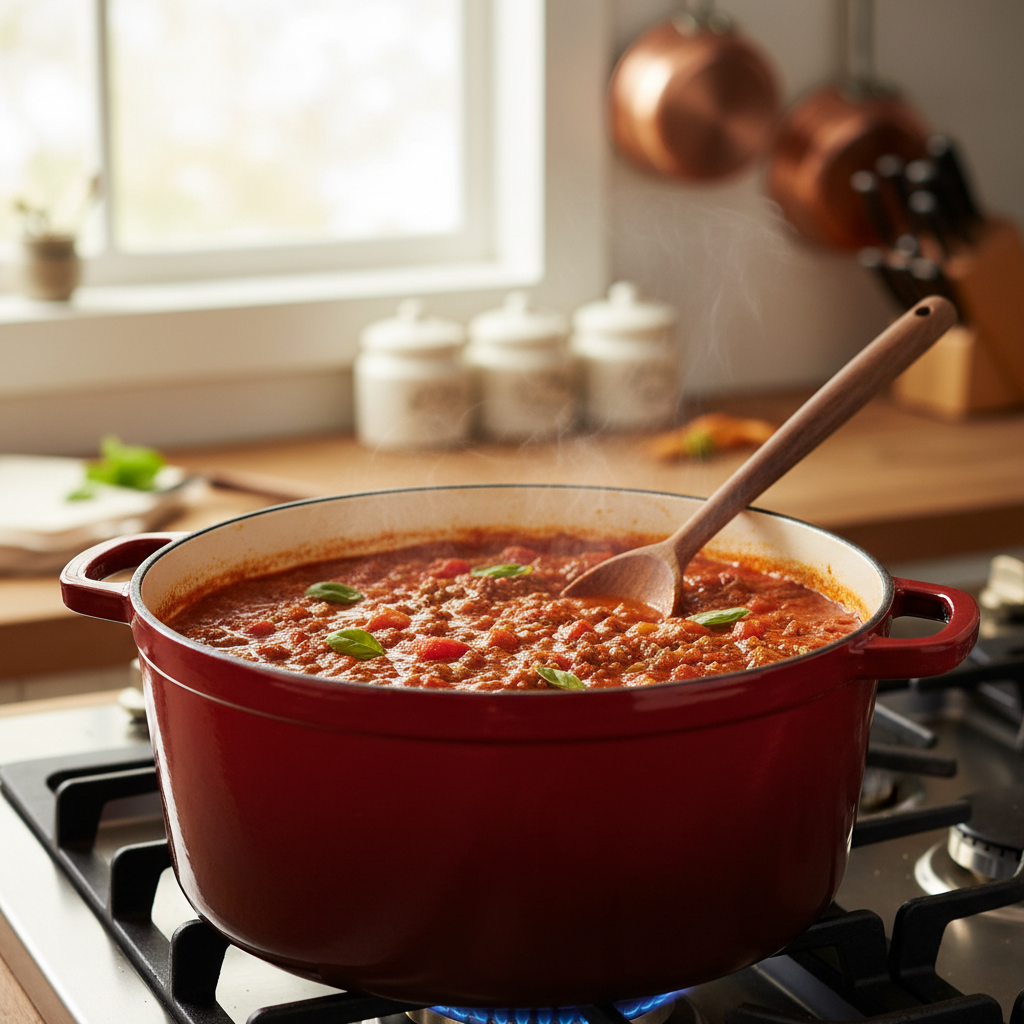
    A close-up of rich, red homemade spaghetti sauce simmering in a rustic pot on a stovetop.
    Professional food photography, photorealistic, high-quality food magazine photo style. A close-up shot of rich, homemade spaghetti sauce gently simmering in a beautiful, rustic enamel Dutch oven or heavy-bottomed pot on a stovetop in a warm, inviting home kitchen. Subtle wisps of steam rise from the surface of the deep red sauce, which has a visible, delicious texture from slow cooking. A wooden spoon is casually resting in the pot. The background is softly blurred to keep focus on the vibrant sauce. Natural, warm lighting enhances the appetizing appeal.

    Step 1: Sauté Aromatics

    A delicious homemade spaghetti sauce starts with a strong flavor base. This is where your aromatics, like onion and garlic, truly shine.

    These essential ingredients infuse your sauce with deep, savory flavors from the start. They are the secret to that comforting, familiar taste.

    • Heat the Oil: In a large, heavy-bottomed pot or Dutch oven, warm 2 tablespoons of olive oil over medium heat.
    • Sauté the Onion: Add 1 chopped onion and cook until soft and translucent, stirring occasionally. This should take 5 to 7 minutes.
    • Add the Garlic: Stir in 3-4 cloves of minced garlic and cook for one more minute until fragrant. Be careful not to let it burn, as burnt garlic tastes bitter.

    Recipe-GPT Tip: Feeling adventurous? Recipe-GPT can suggest alternative aromatics like shallots or leeks. Just tell our AI your preferences, and it will generate personalized ideas to adapt this easy recipe effortlessly.

    Step 2: Bloom the Tomato Paste

    Blooming tomato paste is a simple but powerful technique to unlock its full, rich flavor. This small effort adds significant depth to your sauce.

    Cooking the paste directly in the pan before adding liquids allows its natural sugars to caramelize. This simple step intensifies the tomato flavor, making the sauce more robust and less watery.

    • Add Paste to Pan: Push the aromatics to one side of the pot and add 2 tablespoons of tomato paste to the empty space.
    • Cook and Stir: Cook for 2-3 minutes, stirring often, until the paste darkens slightly and smells toasty.
    • Combine: Stir the bloomed tomato paste into the aromatics to create a complex flavor base for your easy marinara sauce.

    Personalized Touch: Want a lighter or richer sauce? Recipe-GPT can instantly adjust the amount of tomato paste based on your desired intensity. This makes it simple to create the homemade tomato sauce you prefer.

    Step 3: Add Tomatoes and Simmer

    Now it’s time to add the tomatoes. This step brings all the flavors together and is where the magic of simmering begins.

    Simmering allows the ingredients to meld, creating a deep and harmonious flavor. It’s a patient process that yields amazing results for your best marinara sauce recipe.

    • Introduce Tomatoes: Pour in 2 (28-ounce) cans of crushed or diced tomatoes, along with 1 cup of water or vegetable broth.
    • Add Herbs: Stir in 1 teaspoon of dried oregano and ½ teaspoon of dried basil. For a brighter flavor, you can use fresh herbs instead.
    • Bring to a Simmer: Bring the sauce to a simmer, then reduce the heat to low. Cover the pot, but leave the lid slightly ajar to let steam escape.
    • Simmer Patiently: Let the sauce simmer for at least 30 minutes or up to 2 hours, stirring occasionally. A longer simmer will develop a richer, more complex flavor.

    Recipe-GPT AI Insight: Unsure which herbs to use? Recipe-GPT can suggest herb combinations. It can also recommend the ideal simmering time for a quick weeknight meal or a leisurely Sunday dinner. Get tailored meal inspiration instantly!

    Step 4: Season and Finish

    The final step is perfecting the sauce’s taste. This is your chance to adjust the seasoning and add any finishing touches for a perfectly balanced flavor.

    Tasting as you go is the best way to ensure the sauce is exactly how you like it, so don’t be afraid to make small adjustments. This approach makes your simple tomato sauce truly your own.

    • Season to Taste: After simmering, taste the sauce. Add salt, black pepper, and a pinch of sugar to balance any acidity from the tomatoes.
    • Optional Kick: For a touch of warmth, stir in a pinch of red pepper flakes.
    • Fresh Herbs: Stirring in fresh basil or parsley just before serving will brighten the overall flavor.
    • A Hint of Cheese: For extra richness, finish with a drizzle of extra virgin olive oil or a sprinkle of grated Parmesan cheese.

    AI for Flavor: Recipe-GPT can suggest ingredient swaps for dietary needs, such as a low-sodium broth or alternative sweeteners. This makes discovering personalized recipes for your easy homemade spaghetti sauce fast and easy.

    Optional: Blending for a Smooth Sauce

    If you prefer a silky-smooth pasta sauce, blending is an easy way to achieve a restaurant-quality texture. This step is completely optional and depends on your preference.

    While many enjoy a chunky sauce, a smooth sauce can feel more luxurious and is perfect for certain pasta shapes or a more refined presentation.

    • Cool Slightly: If using a standard blender, let the sauce cool for 15-20 minutes first. Blending hot liquids can create dangerous pressure inside the machine.
    • Use an Immersion Blender: An immersion blender is the safest and most convenient option. Simply place it directly in the pot and blend until the sauce reaches your desired smoothness.
    • Use a Regular Blender: If using a regular blender, work in small batches and fill it no more than halfway. Place the lid on securely, and start on a low speed before gradually increasing it.
    • Strain (Optional): For an exceptionally velvety texture, you can pour the blended sauce through a fine-mesh sieve.

    Recipe-GPT’s Smart Suggestions: Not sure if a smooth sauce is right for your meal? Our AI can recommend whether a smooth or chunky texture pairs best with your pasta. Get tailored, AI-generated meal ideas in seconds, ensuring your homemade pasta sauce recipe is perfect for your dish.

    Do I have to peel tomatoes before making sauce?

    When making homemade spaghetti sauce, deciding whether to peel tomatoes is a personal choice. Peeling isn’t always necessary, and many home cooks skip the step entirely to save time and effort. Rest assured, your sauce will still taste amazing even with the skins left on.

    On one hand, some culinary experts argue for peeling. They find that tomato skins can introduce a slightly bitter flavor and prevent a perfectly smooth consistency. By peeling, you ensure a silky texture, a difference that’s especially noticeable when using fresh tomatoes.

    On the other hand, leaving the skins on offers great benefits. Tomato skins are rich in fiber and antioxidants, and they contribute to a more rustic, hearty sauce. Plus, during a long simmer, the skins often break down so much that you might not even notice them in the final product.

    How to Decide: Key Factors

    • Tomato Type: Canned whole tomatoes are typically pre-peeled, so this decision is most relevant for fresh varieties.
    • Desired Texture: For a perfectly smooth, restaurant-style sauce, peeling is recommended. If you prefer a chunky, rustic sauce, leaving the skins on is perfectly fine.
    • Time Commitment: Peeling adds an extra step to your cooking process. If you’re short on time, you may want to skip it.
    • Nutritional Value: The skins contain valuable nutrients, so removing them means losing out on those health benefits.

    A Quick Tip for Easy Peeling

    If you decide a smoother sauce is worth the effort, peeling is simple with a quick blanching method. Just follow these steps:

    1. Gently score a small ‘X’ at the bottom of each tomato.
    2. Place the tomatoes into a pot of boiling water for about 30 to 60 seconds.
    3. Immediately transfer them to a bowl of ice water.
    4. The skins will then slip off with ease.

    Recipe-GPT makes this decision effortless. Simply tell our AI your preferences—whether you want a speedy, rustic sauce or an incredibly smooth one. It will suggest recipes tailored to your taste, providing clear, step-by-step guidance that includes or skips peeling based on your goals. Our tool can even offer shortcuts, like using canned peeled tomatoes for a smooth result without the extra work. Get personalized meal inspiration in an instant.

    Find Your Secret Ingredient with AI

    A home cook in a kitchen looking at a recipe on a tablet, with fresh spaghetti sauce ingredients on the counter.
    Professional food photography, photorealistic, high-quality food magazine photo style. A real human home cook, with a friendly and engaged expression, is standing in a bright, modern home kitchen, looking at a tablet or smartphone. The device screen displays a recipe interface with a prominent, clear AI-powered personalized ingredient suggestion highlighted. On the clean kitchen counter nearby, a small bowl of colorful cherry tomatoes and a sprig of fresh basil are placed, hinting at the potential ‘secret ingredient’. The cook’s hands are visible, one perhaps holding the device or gently touching the screen. The scene is well-lit with natural light, emphasizing a helpful and intuitive cooking experience.

    Let Recipe-GPT Personalize Your Sauce

    You’ve mastered the classic spaghetti sauce. Now, imagine tailoring that recipe to your exact taste. Recipe-GPT is the secret ingredient that makes it possible.

    Our AI-powered generator helps you fine-tune your homemade sauce. Simply tell it what ingredients you have or what flavors you love, and get instant, personalized ideas.

    Here’s how Recipe-GPT makes your sauce truly yours:

    • Ingredient Matching: Have extra bell peppers or some spinach to use up? Our AI incorporates the ingredients you already have, so there’s no need for a last-minute grocery run.
    • Taste Preferences: Love a garlicky sauce or prefer a milder flavor? Recipe-GPT adjusts ingredient amounts to create a recipe that perfectly matches your palate.
    • Dietary Needs: Following a vegan, gluten-free, or low-carb diet? Get tailored ingredient swaps and recipe variations in seconds.
    • Serving Sizes: Cooking for one, a family, or a party? Easily scale your recipe up or down while the AI adjusts all the ingredient amounts for you.
    • Flavor Twists: Discover new herbs and unexpected additions. Recipe-GPT can suggest creative ingredients to elevate your sauce from great to unforgettable.

    Easy Variations: Meat Sauce, Spicy Arrabbiata, and Creamy Tomato

    Your basic homemade sauce is a versatile starting point for exploring new flavors. Ready to experiment? Try one of these simple variations.

    • Hearty Meat Sauce (Bolognese Style):
      • Brown one pound of ground beef, Italian sausage, or a mix of both.
      • Drain any excess fat.
      • Add the cooked meat to your sauce during the simmering stage.
      • Simmer a bit longer to allow the flavors to blend beautifully.
    • Spicy Arrabbiata:
      • Sauté red pepper flakes with your garlic and onions.
      • Adjust the amount to your preferred level of heat.
      • This simple addition gives your sauce a wonderful, spicy kick.
    • Rich Creamy Tomato Sauce:
      • Stir in 1/4 to 1/2 cup of heavy cream or full-fat coconut milk.
      • Add it during the last 5-10 minutes of cooking.
      • This creates a luxuriously smooth and rich finish.

    These are just a few ideas to get you started. To uncover endless variations, simply tell Recipe-GPT your desired flavor profile, and it will suggest specific ingredients and steps. Whether you want a smoky sauce or a veggie-packed option, just ask and watch the magic happen.

    Storing and Freezing Your Homemade Sauce

    Making a big batch of sauce is a smart way to save time on busy weeknights. Proper storage keeps it fresh and ready for a quick meal whenever you need it.

    • Refrigerating:
      • Let the sauce cool completely to room temperature first.
      • Transfer it to clean, airtight containers.
      • Your sauce will stay fresh in the refrigerator for 3-4 days. [3]
    • Freezing:
      • Ensure the sauce is fully cooled before freezing.
      • Use freezer-safe bags or containers.
      • If using containers, leave about an inch of space at the top for expansion.
      • Freeze the sauce in meal-sized portions for easier thawing.
      • Label each container with the date.
      • Frozen sauce maintains its best quality for up to 6 months. [4]
    • Thawing and Reheating:
      • For the best texture, thaw frozen sauce overnight in the refrigerator.
      • You can also use the defrost setting on your microwave for a quicker option.
      • Gently reheat the sauce on the stovetop over low heat, stirring occasionally.
      • If the sauce seems too thick, add a splash of water or broth to thin it out.

    Batch cooking and freezing your sauce is a game-changer for effortless weeknight dinners. Recipe-GPT can even help you plan meals around it—just ask for recipes using “pre-made tomato sauce”!

    Frequently Asked Questions

    What is the famous 4 ingredient pasta sauce?

    The famous “4-ingredient pasta sauce” is Marcella Hazan’s iconic Tomato Sauce with Onion and Butter. This recipe is celebrated for creating an incredibly deep flavor from just a few simple ingredients, transforming them into something truly extraordinary.

    The four ingredients are:

    • Canned peeled tomatoes (often San Marzano, for their sweetness)
    • One medium onion (peeled and cut in half)
    • Butter
    • Salt

    To make it, you gently simmer these ingredients together, allowing the flavors to meld. The onion infuses the sauce with sweetness and is then discarded before serving [5]. This easy homemade spaghetti sauce proves that quality ingredients and simple techniques can yield delicious results.

    Recipe-GPT Tip: While simple, Recipe-GPT can help you explore variations. Just tell our AI if you prefer a touch of garlic or a hint of spice. It can suggest personalized twists on even the most classic recipes, making them uniquely yours.

    What does Gordon Ramsay put in his spaghetti sauce?

    Gordon Ramsay is known for a refined approach that builds rich, flavorful tomato sauces from fresh, high-quality ingredients. While his recipes vary, his homemade sauces commonly feature the following components:

    • Quality Tomatoes: He often opts for ripe, fresh tomatoes or high-quality canned varieties.
    • Aromatics: Garlic and shallots are frequently used for a delicate, sweet base.
    • Herbs: Fresh basil and oregano are staples, added towards the end for vibrant flavor.
    • Olive Oil: A good quality extra virgin olive oil is essential for sautéing and finishing.
    • Chili Flakes: Often, a touch of heat from chili flakes enhances the overall taste.
    • Wine: Sometimes a splash of red wine is used to deglaze the pan, adding complexity.
    • Finishing Touches: A knob of butter or a drizzle of olive oil, plus freshly grated Parmesan, usually finish his dishes [6].

    His technique focuses on layering flavors with fresh components to create a deeply satisfying sauce. Ramsay also stresses the importance of simmering the sauce slowly to develop maximum flavor.

    Recipe-GPT Tip: Want to cook like a pro without all the fuss? Recipe-GPT can help. Our AI can suggest ingredient swaps to match what you have. It can also simplify complex techniques into easy-to-follow steps. This means you get a gourmet-inspired meal without the usual stress.

    What can I put on pasta when I have no sauce?

    If your pantry is bare of traditional sauce, don’t worry—you can still create a delicious and easy pasta dish. Here are several simple, fast options you can make with common household ingredients:

    • Garlic and Oil (Aglio e Olio): Sauté thinly sliced garlic in olive oil until fragrant. Toss with cooked pasta, a sprinkle of red pepper flakes, and fresh parsley if available. This is a timeless classic.
    • Butter and Cheese: Melt butter with a splash of pasta water. Add plenty of grated Parmesan or Pecorino Romano cheese. Toss vigorously with hot pasta until a creamy sauce forms. Black pepper is a must here.
    • Pantry Pesto: If you have basil, nuts (walnuts, pine nuts), garlic, Parmesan, and olive oil, a quick homemade pesto is easy. Blend everything in a food processor, then toss with pasta.
    • Lemon and Herb: Combine lemon zest, fresh lemon juice, olive oil, and chopped fresh herbs like parsley or chives. Toss with pasta, a little pasta water, and grated cheese. This is a light and bright option.
    • Canned Tuna/Anchovies: Sauté garlic and chili flakes in olive oil. Add drained canned tuna or a few mashed anchovies. Stir in a bit of pasta water. This creates a savory, satisfying topping.
    • Tomato Paste Boost: If you have a tube or small can of tomato paste, bloom it in olive oil with garlic. Add a splash of pasta water and a pinch of sugar. It creates a quick, concentrated tomato flavor.

    Recipe-GPT Solution: Stuck with limited ingredients? Simply tell Recipe-GPT what you have on hand. Our AI will instantly generate a creative, easy-to-follow recipe tailored to your pantry, turning mealtime indecision into a delicious solution.


    Sources

    1. https://www.healthline.com/nutrition/how-much-sugar-in-tomato-sauce
    2. https://www.bonappetit.com/test-kitchen/ingredients/article/san-marzano-tomatoes
    3. https://www.foodsafety.gov/food-safety-charts/cold-food-storage-chart
    4. https://www.fda.gov/media/73770/download
    5. https://cooking.nytimes.com/recipes/1015178-marcella-hazans-tomato-sauce-with-onion-and-butter
    6. https://www.gordonramsay.com/gr/recipes/category/pasta-risotto/

  • The Ultimate Cherry Pie Recipe: A Simple Step-by-Step Guide

    The Ultimate Cherry Pie Recipe: A Simple Step-by-Step Guide

    The best cherry pie recipe features a rich, sweet-tart filling made from fresh, frozen, or canned cherries, balanced with sugar and a thickener like cornstarch. It’s encased in a flaky, all-butter crust that bakes to a perfect golden brown, creating the ultimate classic American dessert.

    There’s nothing quite like the comforting taste of a homemade cherry pie. The perfect blend of sweet and tart cherries in a golden, flaky crust is pure culinary magic. Yet, the idea of baking a pie from scratch can seem intimidating. Many home cooks crave that classic dessert without the stress of a complicated process.

    Good news: you’ve found the solution. This guide is dedicated to what we consider the best cherry pie recipe because it’s designed to be simple, straightforward, and incredibly satisfying. We’ll walk you through every step to ensure you achieve a flawless pie every single time. This recipe works beautifully with fresh, frozen, or even canned cherries, making it perfect for bakers of all skill levels.

    At Recipe-GPT, our goal is to simplify mealtime decisions, and that includes delightful desserts. While we focus on this classic, remember our AI tools can help personalize your baking. For instance, they can provide quick dietary adjustments or smart ingredient substitutions tailored just for you. Now, get ready to bake an unforgettable cherry pie with confidence.

    Why Is This the Best Cherry Pie Recipe?

    Ready to bake the best cherry pie recipe you’ve ever tried? We combine timeless techniques with modern AI assistance to ensure you get perfect results. This isn’t just another recipe; it’s a completely new baking experience.

    Our recipe creates a perfect balance, featuring a flaky, buttery crust and a delicious sweet-tart cherry filling. It’s the classic flavor you love, perfected for your home kitchen.

    But what makes this recipe truly stand out? It’s more than just the ingredients; it’s how Recipe-GPT personalizes the experience for you. We believe baking should be inspiring and easy, so our AI is here to guide you every step of the way.

    Here’s why this recipe, powered by Recipe-GPT, stands out:

    • Perfect Flavor Balance: Our recipe consistently delivers the ideal sweet-tart taste that makes a cherry pie unforgettable.
    • Flaky, Foolproof Crust: Follow our straightforward instructions for an all-butter crust that comes out golden and flaky every time.
    • Beginner-Friendly Approach: Each step is clear and simple, so even new bakers can achieve amazing results.
    • AI-Powered Customization: Recipe-GPT helps you personalize the recipe. For example, you can easily adjust for dietary needs or ingredient availability.
    • Quick & Practical Guidance: We focus on efficiency, helping you get delicious results without unnecessary fuss.
    • Confidence in Every Slice: Say goodbye to baking stress. Our guide ensures you bake with ease and confidence.

    Turn baking uncertainty into confident success. This recipe moves beyond generic instructions to offer a tailored, delightful experience. Our AI makes sure this isn’t just the “best” recipe, but the best recipe for *you*. You’ll create a show-stopping cherry pie with ease and joy, making this the most accessible and rewarding cherry pie recipe you can find.

    What Ingredients Do You Need for Cherry Pie?

    A beautifully arranged flat lay of fresh cherries, flour, butter, sugar, and spices on a light wooden surface, ready for making pie.
    Professional food photography, photorealistic, high-quality food magazine photo style. A meticulously arranged flat lay of fresh, vibrant ingredients for a cherry pie on a rustic, light-colored wooden culinary workspace. Ingredients include a bowl of glistening, dark red fresh cherries with stems, a mound of all-purpose flour, a stick of cold butter, granulated sugar, cornstarch, almond extract, and a sprinkle of cinnamon and nutmeg. Natural soft lighting, shallow depth of field, bright and clean composition, inviting and clear.

    Crafting the perfect cherry pie starts with the right ingredients. Recipe-GPT makes this process simple and stress-free by helping you decide exactly what you need. Our AI can even suggest adjustments based on ingredients you already have, ensuring your pie is delicious every time.

    For the Perfect Pie Crust

    A flaky, tender crust is essential for any great cherry pie. These key ingredients each play a crucial role in creating that irresistible texture.

    • All-Purpose Flour: This provides the structure for your crust.
    • Unsalted Butter: Keeping the butter very cold is key to creating beautiful, flaky layers.
    • Ice Water: This binds the dough while keeping the butter firm for maximum flakiness.
    • Granulated Sugar: A touch of sugar adds a subtle sweetness to the crust.
    • Salt: Just a pinch enhances all the other flavors.

    Whether you need a gluten-free or vegan option, Recipe-GPT can instantly generate a personalized ingredient list. Our AI takes your dietary needs and preferences into account, making substitutions simple.

    For the Sweet & Tart Cherry Filling

    The vibrant cherry filling is the star of the show, offering a delightful balance of sweet and tart. You can easily adjust the sweetness to your liking, and Recipe-GPT can help you work with either fresh or frozen cherries.

    • Cherries: Use fresh or frozen pitted sweet cherries.
    • Granulated Sugar: This balances the cherries’ tartness. Adjust the amount to your taste.
    • Cornstarch: This acts as a thickener, ensuring your filling is perfectly set and not runny.
    • Lemon Juice: A splash brightens the cherry flavor and adds a lovely zest.
    • Almond Extract (Optional): A classic addition that complements cherries beautifully.
    • Salt: A small amount rounds out the flavors.

    Our AI is ready to assist with any modifications. For instance, if you prefer a less sweet pie, Recipe-GPT can suggest precise sugar reductions. It can also recommend different thickeners if cornstarch isn’t available, simplifying your cooking process.

    How to Make the Best Cherry Pie Step-by-Step

    A home cook's hands expertly weaving a lattice crust over a cherry pie filling in a pie dish.
    Professional food photography, photorealistic, high-quality food magazine photo style. A close-up shot capturing the moment a home cook’s hands, with slightly floured fingertips, are carefully weaving the final strips of a golden-brown lattice crust over a vibrant, ruby-red cherry pie filling in a ceramic pie dish. The background shows a clean, warm home kitchen counter with a hint of other baking tools blurred. Focus on the hands and the intricate crust, natural lighting.

    Step 1: Prepare the all-butter pie crust

    A delicious pie starts with the perfect crust. Our all-butter recipe creates a flaky, tender base for the cherry filling, and it’s simpler to make than you might think.

    To customize this recipe, use Recipe-GPT. Our AI can create a personalized variation in seconds, such as a gluten-free version, to make your meal planning easier.

    1. Combine Dry Ingredients: In a large bowl, whisk together the flour, sugar, and salt. This ensures they are evenly distributed.
    2. Cut in Cold Butter: Add the cold, cubed butter. Using a pastry blender or your fingertips, cut the butter into the flour until the mixture resembles coarse crumbs with some pea-sized pieces still visible. These pockets of butter are what create the flaky layers.
    3. Add Ice Water Gradually: Drizzle in ice water, one tablespoon at a time, mixing gently after each addition. Stop when the dough just comes together. Avoid overmixing to keep the crust tender.
    4. Divide and Chill: Divide the dough in half and flatten each half into a disk. Wrap each disk tightly in plastic wrap and refrigerate for at least 30 minutes. Chilling is crucial, as it helps the butter firm up and prevents the dough from becoming too sticky to roll.
    5. Roll Out the First Crust: On a lightly floured surface, roll out one disk of dough into a 12-inch circle. Carefully transfer it to a 9-inch pie plate. Trim the edges, leaving a 1/2-inch overhang, and place the pie plate in the fridge while you prepare the filling.

    Step 2: Make the Cherry Pie Filling

    Next, create the vibrant, sweet-tart cherry filling. The key is to balance the fruit’s natural flavor with the right amount of sweetness and a thickener. If you’d like to adjust the sweetness, Recipe-GPT can customize the recipe for you.

    1. Combine Cherries and Sweetener: In a large bowl, combine the fresh or frozen cherries with granulated sugar. If using frozen cherries, there is no need to thaw them first.
    2. Add Flavorings and Thickener: Stir in the lemon juice, vanilla extract, and cornstarch until well combined. The lemon juice brightens the cherry flavor, and the cornstarch thickens the filling as it bakes.
    3. Let it Sit: Allow the mixture to sit for 15-20 minutes. This step draws out the cherry juices and helps the flavors meld together.
    4. Optional Simmer (for extra richness): For a thicker, more developed flavor, transfer the cherry mixture to a saucepan. Cook over medium heat for 5-7 minutes, stirring constantly, until it just begins to thicken. Let it cool completely before using. This step is especially helpful for very juicy cherries.

    Step 3: Assemble Your Pie

    Now it’s time to assemble the pie. These straightforward steps will ensure your pie looks great and is sealed properly to prevent leaks.

    1. Preheat Oven and Prepare Crust: Preheat your oven to 400°F (200°C). Remove the chilled pie plate with the bottom crust from the refrigerator.
    2. Fill the Crust: Pour the prepared cherry filling into the bottom crust and spread it evenly.
    3. Add Top Crust: Roll out the second disk of dough. You can place it over the filling as a solid top crust or cut it into strips for a lattice design. If using a solid top, cut a few slits in the center to allow steam to escape.
    4. Seal the Edges: Place the top crust over the filling. Trim any excess dough, then crimp the edges to seal them. You can use your fingers or a fork to create a decorative edge. This prevents the filling from bubbling out during baking.
    5. Egg Wash (Optional): For a golden, shiny crust, brush the top with an egg wash (one egg yolk beaten with a tablespoon of water).

    Step 4: Bake to Golden Perfection

    The final step is baking. Following these guidelines will give you a bubbly, thick filling and a perfectly crisp, golden-brown crust.

    1. Start Hot: Place the pie on a baking sheet to catch any drips and bake for 15 minutes at 400°F (200°C). This initial high heat helps set the crust and starts thickening the filling. Many bakers agree this high-heat start is key to preventing a soggy bottom [1].
    2. Reduce Heat and Continue Baking: After 15 minutes, reduce the oven temperature to 375°F (190°C). Continue baking for another 45-55 minutes.
    3. Check for Doneness: The pie is done when the crust is deeply golden brown and the filling is thick and bubbly. If the crust starts to brown too quickly, loosely cover the edges with aluminum foil.
    4. Cool Completely: This step is crucial! Let the pie cool completely on a wire rack for at least 3-4 hours. Cooling allows the filling to set, which ensures you can cut clean, non-runny slices.

    How Can AI Help Personalize Your Cherry Pie?

    Adjusting for Dietary Needs

    Crafting the perfect cherry pie often means catering to specific diets, but adapting a classic recipe can be tricky. Recipe-GPT makes this easy by taking your dietary needs into account.

    Our AI understands common restrictions and quickly reworks the ingredients for you. The result is less stress and a more delicious pie.

    Consider these common dietary adjustments for your cherry pie:

    • Vegan-Friendly: Replace butter with plant-based shortening or vegan butter in the crust. Use a cornstarch slurry instead of egg wash for glazing.
    • Gluten-Free: Opt for a pre-made gluten-free pie crust. Alternatively, our AI can generate a homemade gluten-free crust recipe using specialized flours.
    • Low-Sugar: Reduce the amount of sugar in the filling. Use a natural sweetener like erythritol or stevia for a healthier option. Recipe-GPT can calculate the exact amounts.
    • Nut-Free: Ensure all ingredients are free from nuts. This is crucial for allergy sufferers.

    Recipe-GPT instantly provides tailored guidance, so you get a personalized cherry pie recipe every time. Enjoy a pie that you know fits your lifestyle.

    Finding Ingredient Substitutions

    Ever started baking only to realize you’re missing a key ingredient? Recipe-GPT helps you avoid that last-minute dash to the store by suggesting smart substitutions.

    It helps you use what you already have, saving both time and money. Simply tell Recipe-GPT what’s missing, and it will offer practical alternatives.

    Here are some ways Recipe-GPT can help with substitutions:

    • Fruit Variations: No fresh cherries? Ask for a recipe using frozen cherries, canned cherries, or even a different fruit like mixed berries or apples.
    • Crust Alternatives: If you’re short on time for a homemade crust, Recipe-GPT can suggest using a store-bought crust. It can also suggest a graham cracker or cookie crust for a different twist.
    • Sweetener Swaps: Out of granulated sugar? Our AI can suggest using brown sugar, honey, or maple syrup. It also advises on adjusting liquid content if needed.
    • Thickener Changes: If you don’t have cornstarch, Recipe-GPT can recommend flour or tapioca starch. It will guide you on the correct quantities for a perfectly thick filling.

    Recipe-GPT makes cooking flexible and fun by providing instant, practical solutions. You can confidently create your cherry pie with the ingredients you have on hand.

    Tips for a Flawless Cherry Pie Every Time

    A freshly baked cherry pie with a golden lattice crust, served with a scoop of melting vanilla ice cream on a white plate.
    Professional food photography, photorealistic, high-quality food magazine photo style. A perfectly baked, whole cherry pie with a beautifully golden-brown, intricately woven lattice top, showcasing a slight bubbling of the cherry filling peeking through. The pie is presented warm on a simple white ceramic plate, with a large scoop of creamy vanilla bean ice cream gently melting on one side. The setting is a cozy, inviting home kitchen table, with a soft, blurred background. Warm, natural lighting, rich colors, appealing texture, inviting and delicious presentation.

    How to Prevent a Soggy Bottom

    A soggy pie bottom is a common baking challenge, but you can achieve a wonderfully crisp crust every time. These simple tricks make all the difference.

    Recipe-GPT can even suggest specific methods for your ingredients. It can personalize advice based on the type of flour or fat you use.

    • Blind Bake Your Crust: This is a crucial first step. Blind baking partially cooks the crust before you add the filling, creating a barrier against moisture.
    • Egg Wash the Crust: After blind baking, brush a thin layer of beaten egg white onto the crust and bake for a few more minutes until set. This creates a waterproof seal.
    • Use a Hot Baking Surface: Place your pie on a preheated baking sheet or pizza stone. This delivers immediate, intense heat to the bottom of the crust, helping it crisp up.
    • Thicken Your Filling Properly: Make sure your cherry pie filling isn’t too watery. Use a thickener like cornstarch or tapioca to get the right consistency. Recipe-GPT can suggest the perfect amount to use.
    • Aluminum Foil Shield: If the top of your pie browns too quickly, loosely tent it with foil. This protects the edges and allows the bottom to cook through completely.

    By following these steps, you will enjoy a firm, flaky base. Say goodbye to soggy pie crusts forever!

    Getting the Perfect Lattice Top

    A beautiful lattice top doesn’t just look impressive—it’s also functional. It allows steam to escape, which helps prevent the filling from bursting.

    Don’t worry if you’re a beginner. Recipe-GPT can provide easy, visual instructions for crafting a perfect lattice. It makes complex techniques simple to follow.

    • Chill Your Dough: Cold pie dough is much easier to handle and less likely to stick or tear. For best results, chill your rolled-out dough strips for 10-15 minutes before weaving.
    • Cut Even Strips: For a neat, professional-looking weave, use a ruler and a pastry wheel or knife to cut strips of uniform width.
    • Lay the Foundation: To start, lay half of your dough strips parallel to each other across the pie filling, leaving a small space between each one.
    • Begin Weaving: Fold back every other parallel strip. Lay a new strip perpendicularly across the strips you didn’t fold. Then, unfold the strips you folded back over the new one.
    • Continue the Pattern: Next, fold back the alternate set of parallel strips. Add another perpendicular strip and repeat this pattern until the entire pie is covered.
    • Trim and Crimp: Once the lattice is complete, trim any excess dough from the edges. Crimp the edges to firmly seal the lattice to the bottom crust.
    • Egg Wash and Sugar: For a professional finish, brush the lattice with an egg wash for a golden sheen. A sprinkle of coarse sugar also adds a delightful sparkle and crunch.

    A stunning lattice top is within your reach. Impress your family and friends with this classic finish.

    Storing Your Cherry Pie

    Proper storage is key to keeping your delicious cherry pie fresh and safe to eat.

    Recipe-GPT can even offer ideas for using up leftover pie. It might suggest a breakfast parfait or a deconstructed dessert!

    • Cool Completely: First, always let your pie cool fully before storing it. A warm pie creates condensation, which leads to a soggy crust.
    • Room Temperature (Short-Term): Fruit pies with high sugar content, like cherry, can be stored at room temperature for up to two days. Simply keep it loosely covered with foil or plastic wrap.
    • Refrigeration (Longer-Term): If you need to store the pie for longer, or if your kitchen is warm, place it in the refrigerator. Covered tightly, it will stay fresh for up to four days.
    • Freezing for Later: To freeze a whole pie, wrap it tightly in plastic wrap, then in a layer of foil. It can be frozen for up to 3 months [2]. Thaw it overnight in the refrigerator and reheat in a 350°F (175°C) oven until warmed through.
    • Individual Slices: For leftover slices, store them in an airtight container. This helps maintain freshness and prevents the pie from absorbing odors from other foods.

    Enjoy your homemade cherry pie for days to come. Recipe-GPT helps you make the most of every delicious creation.

    Frequently Asked Questions

    What is the best cherry pie recipe with canned cherries?

    Using canned cherries is a fantastic shortcut for a quick and delicious pie. This simple swap saves you time, especially on busy weeknights. Recipe-GPT can also help you tailor recipes to pantry staples like canned fruit.

    To make a great pie with canned cherries, follow these simple steps:

    • Drain well: First, drain the canned cherries thoroughly. You can reserve some of the juice to adjust the filling’s consistency later.
    • Adjust sweetness: Canned cherries often come in a sweet syrup, so you’ll need less sugar than with fresh cherries. Taste them first, then add sugar gradually until you reach your desired sweetness.
    • Thicken: To thicken the filling, mix cornstarch or flour with a little reserved cherry juice or water to create a slurry. Stir this into your drained cherries, and it will thicken as the pie bakes.
    • Flavor boost: A touch of almond extract or vanilla can enhance the cherry flavor. A pinch of cinnamon or nutmeg also works wonderfully.
    • Use your crust: Pour the prepared filling into your favorite pie crust and bake as directed for a classic cherry pie.

    For more variations, Recipe-GPT can help. Just state that you have canned cherries, and it will suggest precise measurements and flavor combinations, making your pie-making process easy.

    What is the best cherry pie recipe from scratch?

    For the best results, our featured “Ultimate Cherry Pie Recipe” is the top choice for a scratch-made pie. Making a pie from scratch offers unparalleled freshness and flavor, as you control every ingredient to ensure a perfect balance of sweet and tart.

    The key to a top-tier scratch pie involves two main components:

    • Homemade crust: An all-butter pie crust offers a flaky texture and rich flavor. The extra effort is worth it for a superior pie experience.
    • Fresh cherry filling: Using fresh, ripe cherries ensures the most vibrant taste. This also allows you to tailor the sugar and thickener to your exact preference.

    Our step-by-step guide walks you through the entire process. For example, using fresh fruit ensures a brighter, more natural cherry flavor [3]. If you’re out of a specific ingredient, Recipe-GPT can instantly suggest clever substitutions for your crust or filling, helping you bake from scratch with confidence.

    How do you make an old fashioned cherry pie recipe?

    An old-fashioned cherry pie highlights classic, simple flavors and traditional techniques. The goal is to let the natural taste of the cherries shine through without any fancy additions or complicated steps.

    To capture that nostalgic “old-fashioned” feel:

    • Simple ingredients: Stick to basic filling ingredients. Fresh or frozen cherries, sugar, a thickener like cornstarch or flour, and a hint of almond extract or vanilla are all you need.
    • Classic double crust: Most old-fashioned pies feature a full top crust, not just a lattice. This seals in moisture and helps create a lovely golden-brown finish.
    • Balanced sweetness: Aim for a perfect balance between the cherries’ natural tartness and the added sugar. Adjust to your taste, but avoid making it overly sweet.
    • Gentle baking: Bake slowly until the crust is golden and the filling is bubbly. This method ensures even cooking and a tender crust.

    Recipe-GPT can help you explore “old-fashioned” variations. Simply ask for a traditional cherry pie, and it will provide straightforward, authentic guidance. It makes rediscovering classic recipes easy and fun.

    What’s the best way to make a cherry pie filling recipe?

    The secret to the best cherry pie filling is balancing flavors and achieving the right consistency. A great filling is sweet yet tart with a thick, glossy texture that isn’t too runny or stiff.

    Here’s how to make a truly outstanding filling:

    • Choose your cherries: Fresh sour cherries are ideal for a classic flavor. If you use sweet cherries, you should reduce the sugar. Frozen cherries also work well; just thaw and drain them first.
    • Balance flavors: Combine sugar with the cherries. A touch of lemon juice will brighten the flavor, while almond extract or vanilla adds depth and complexity.
    • Thicken correctly: Use an excellent thickener like cornstarch or tapioca starch. To prevent lumps and ensure a smooth consistency, mix it thoroughly with the fruit and sugar before cooking.
    • Cook gently: Simmer the filling on the stovetop, stirring constantly to prevent sticking, until it thickens and becomes glossy. The mixture should bubble for a minute or two to fully activate the thickener.
    • Cool completely: Always let the filling cool completely before pouring it into your pie crust. This step is crucial for preventing a soggy bottom and helping the pie set beautifully.

    Recipe-GPT is your go-to for customizing fillings. Whether you need a low-sugar option, want to use different spices, or need to adapt for a specific cherry type, our AI can instantly provide personalized, step-by-step instructions. This makes exploring new variations simple and stress-free.


    Sources

    1. https://www.kingarthurbaking.com/blog/2016/08/17/prevent-soggy-pie-crust
    2. https://www.npr.org/sections/thesalt/2014/11/20/365518153/the-science-of-pie-how-to-avoid-common-baking-mistakes
    3. https://www.foodandwine.com/desserts/pie/cherry-pie-recipes

  • Easy Creamed Spinach Recipe (AI-Powered Tips for the Perfect Side Dish)

    Easy Creamed Spinach Recipe (AI-Powered Tips for the Perfect Side Dish)

    A classic creamed spinach recipe involves wilting fresh or frozen spinach and combining it with a rich sauce made from butter, garlic, heavy cream, and Parmesan cheese. Seasoned with salt, pepper, and a pinch of nutmeg, the mixture is simmered until thick and creamy, creating a versatile and beloved steakhouse-style side dish.

    Looking for a perfect side dish that feels gourmet without the stress? Creamed spinach is the answer. This timeless classic, often a star at fancy steakhouses, is surprisingly simple to make at home. If you need an easy, delicious addition to almost any meal, you’re in the right place.

    We’re excited to share the ultimate creamed spinach recipe, specifically designed for busy home cooks and beginners. But we don’t just give you the steps. At Recipe-GPT, our AI-powered platform takes this classic dish to the next level, offering instant, personalized tips for substitutions, dietary variations, and achieving that perfect “steakhouse-style” richness—all tailored to your kitchen.

    In this guide, we’ll walk you through each simple step to create this creamy, flavorful side. You’ll also see exactly how our AI can personalize the recipe to fit your unique ingredients and preferences. Let’s make cooking inspiring, easy, and undeniably delicious!

    Why Is This the Best Creamed Spinach Recipe for Busy Cooks?

    Life moves fast, so busy cooks need recipes that can keep up. This simple creamed spinach recipe delivers incredible flavor without demanding hours in the kitchen. It’s designed specifically for your hectic schedule.

    Effortless Preparation and Quick Cooking

    This recipe uses straightforward steps and avoids complicated techniques. We also use minimal, easy-to-find ingredients to save you time at the grocery store. Quickly create a rich, creamy side dish that’s perfect for both weeknights and special occasions.

    • Fast Prep: Get dinner on the table sooner.
    • Simple Ingredients: Use common pantry staples.
    • Clear Instructions: Follow along with ease, even as a beginner.

    AI-Powered Customization for Your Needs

    Take this recipe to the next level with Recipe-GPT. Our AI assistant helps you make quick cooking decisions, turning this delicious base recipe into your perfect meal solution. It’s the smart tool every busy cook needs.

    Recipe-GPT offers instant personalization, allowing you to:

    • Find Substitutions: Easily swap ingredients you don’t have.
    • Adjust Portions: Scale the recipe for any number of servings.
    • Explore Variations: Discover dairy-free or lighter options instantly.
    • Streamline Meal Planning: Integrate this dish into your weekly menu without fuss.

    Our AI takes the guesswork out of cooking, so you get delicious results every time. Cook with confidence and enjoy the process.

    Consistently Delicious, Stress-Free Results

    Say goodbye to mealtime stress. This creamed spinach recipe is a reliable crowd-pleaser that’s always rich and flavorful. With Recipe-GPT, you can replace planning stress with the joy of effortless cooking. Enjoy a delicious, personalized meal that’s the perfect solution for any busy cook.

    What Ingredients Do You Need for Classic Creamed Spinach?

    Core Ingredients

    Creating classic creamed spinach is simpler than you think. You likely have most of these items already in your kitchen. Recipe-GPT can even help you find substitutions if you’re missing something!

    • Fresh Spinach: You’ll need a generous amount, as fresh spinach wilts down significantly. You can also use frozen spinach; just be sure to thaw it and squeeze out any excess water first.
    • Butter: This forms the delicious base of the sauce, adding a rich flavor.
    • Garlic: Essential for the classic taste, minced garlic provides aromatic depth.
    • All-Purpose Flour: A small amount of flour helps thicken the sauce, creating a smooth and creamy texture.
    • Heavy Cream: This is the key to classic creamed spinach, delivering a luxurious, velvety consistency. For a lighter version, you can substitute whole milk or half-and-half. Recipe-GPT can also suggest dairy-free options if needed.
    • Nutmeg: A pinch of freshly grated nutmeg is the secret ingredient that beautifully enhances the creamy flavor.
    • Salt and Black Pepper: These essential seasonings bring all the flavors together. Be sure to taste and adjust to your liking.

    Optional Flavor Boosters

    Ready to elevate your creamed spinach? These additions can add extra richness and complexity. Recipe-GPT can suggest variations based on your pantry or preferences.

    • Onion or Shallot: Sautéing finely minced onion or shallot with the garlic adds another layer of aromatic flavor.
    • Cream Cheese: For an even richer sauce with a slight tang, stir in a dollop of cream cheese.
    • Parmesan Cheese: Stirring in grated Parmesan cheese at the end offers a salty, umami kick. Other cheeses, like Gruyère or white cheddar, are also delicious.
    • Cayenne Pepper: A tiny pinch of cayenne or red pepper flakes adds a subtle warmth that brightens the flavor without making the dish spicy.
    • Worcestershire Sauce: Just a dash adds a savory, umami note that deepens the overall flavor profile.
    • Lemon Juice: A squeeze of fresh lemon juice at the very end brightens the dish and cuts through the richness beautifully.

    Remember, Recipe-GPT makes it easy to experiment. Just ask our AI to adjust this classic recipe. You can explore different cheeses, spices, or even make it dairy-free!

    How to Make Creamed Spinach: A Simple Step-by-Step Guide

    A home cook stirring fresh spinach into a creamy white sauce in a pan on a stovetop.
    A professional food photography shot capturing a dynamic moment of cooking creamed spinach in a clean, inviting home kitchen. Focus on a close-up of a stainless steel pan or cast-iron skillet on a stovetop burner, where a large quantity of fresh, bright green spinach is just beginning to wilt into a rich, creamy white sauce. A real human hand (not an AI render), belonging to a home cook, is gently stirring the mixture with a wooden spoon. The scene should be photorealistic, well-lit with soft, natural light, showing subtle steam gently rising from the pan, with a shallow depth of field to emphasize the cooking process and the textures of the spinach and sauce. High-quality food magazine photo style.

    Step 1: Prepare the Spinach

    First, prepare the spinach. This initial step is simple and quick, making it perfect for busy home cooks.

    If you’re using fresh spinach:

    • Rinse the spinach thoroughly under cold water to remove any dirt.
    • Dry the spinach completely using a salad spinner or paper towels. Excess water will make the final dish watery.
    • Coarsely chop the spinach into bite-sized pieces.

    If you’re using frozen spinach:

    • Thaw the spinach completely. This can be done overnight in the fridge or quickly in the microwave.
    • Squeeze out all excess water using a clean kitchen towel or paper towels. This step is crucial for achieving a thick, creamy result.

    Remember, Recipe-GPT can easily adapt if you have one type of spinach on hand but not the other. Just ask our AI for a quick ingredient swap!

    Step 2: Create the Creamy Base

    Next, build the rich, velvety foundation for your dish. This is the key to a perfect creamed spinach recipe.

    1. Melt 2 tablespoons of butter in a medium saucepan over medium heat.
    2. Add 2 tablespoons of all-purpose flour and whisk constantly for 1-2 minutes. This creates a roux, which will thicken the sauce.
    3. Slowly pour in 1 cup of heavy cream and 1/2 cup of milk (whole milk works best), whisking continuously to prevent lumps.
    4. Continue whisking for 3-5 minutes until the sauce thickens and becomes smooth.

    Recipe-GPT can also generate personalized recipe suggestions if you prefer a dairy-free base or want to use other milk alternatives. It’s all about making your cooking experience easy and tailored to you!

    Step 3: Combine and Simmer

    It’s time to bring everything together to create this satisfying side dish!

    1. Add the prepared spinach to the creamy base in the saucepan.
    2. Stir gently until the spinach is fully coated and incorporated.
    3. Reduce the heat to low.
    4. Let the mixture simmer for 5-7 minutes, stirring occasionally. This allows the flavors to meld and the spinach to warm through.

    This final simmer ensures your creamed spinach is hot and the flavors are perfectly integrated.

    Step 4: Season to Perfection

    The final touches make all the difference. Proper seasoning will elevate your dish from good to great.

    1. Remove the saucepan from the heat.
    2. Stir in 1/4 cup of grated Parmesan cheese for a delicious, savory depth.
    3. Season with salt and freshly ground black pepper to taste.
    4. Add a pinch of freshly grated nutmeg. This key ingredient elevates the final flavor.
    5. Taste and adjust the seasonings. Your palate is the best judge, so add more salt or pepper if needed.

    Our AI can even suggest different seasoning variations or cheese options if you’re looking for a unique twist on this classic creamed spinach recipe!

    How Can AI Personalize Your Creamed Spinach Recipe?

    Ever wish your recipes could read your mind? With Recipe-GPT, they almost can. Our AI transforms a basic creamed spinach recipe into one that’s uniquely yours, saving you time and reducing kitchen stress by providing fast, personalized cooking guidance.

    Find Ingredient Substitutions in Seconds

    Running low on an ingredient? Recipe-GPT helps you find smart swaps in seconds, so you don’t need to make a last-minute trip to the store. Just tell the AI what you’re missing, and it will suggest suitable alternatives that ensure your creamed spinach turns out delicious, making your cooking faster and more flexible.

    • No heavy cream? The AI can suggest whole milk, half-and-half, or even a dairy-free option like cashew cream.
    • Fresh spinach gone? Frozen spinach works perfectly. The AI guides you on how to adapt the steps.
    • Missing Parmesan? Our AI might suggest Romano, Gruyère, or a nutritional yeast blend for a cheesy flavor.

    Adjust Serving Sizes Instantly

    Whether you’re cooking for one or a large gathering, Recipe-GPT scales your recipe with ease. Forget about complicated math—just input how many servings you need, and the AI will instantly adjust all ingredient quantities. This ensures you have the right amount of food, preventing waste while guaranteeing enough for everyone.

    • Perfect for a quiet dinner for two.
    • Great for a family meal night.
    • Ideal for holiday party side dishes.

    Discover Unique Variations (Steakhouse, No Cream, etc.)

    Transform your classic creamed spinach with exciting new variations based on your tastes and dietary needs. Simply ask Recipe-GPT for a twist—like “steakhouse style” or “vegan”—and it will provide tailored suggestions in moments. This allows you to effortlessly explore new flavors, keeping your meal planning fresh and fun.

    • Steakhouse Style: Get a richer, more decadent version. This often includes extra butter, garlic, and sometimes a hint of nutmeg.
    • Lighter or No-Cream Option: AI can adapt the recipe using Greek yogurt, cottage cheese, or a vegetable broth base. This makes it healthier while keeping flavor.
    • Vegan Friendly: Request a version with plant-based milks and cheeses. For instance, coconut milk and nutritional yeast work well.
    • Extra Cheesy: Explore blends with cheddar, mozzarella, or a sharp provolone. The AI will tell you how to incorporate them.

    What Can You Serve with Creamed Spinach?

    A bowl of creamy spinach with grated cheese, served as a side dish alongside a roasted chicken breast on a white dinner plate.
    A stunning, photorealistic professional food photography shot of a perfectly plated side dish: a generous serving of rich, glossy creamed spinach, garnished with a sprinkle of fresh Parmesan cheese and a delicate grating of nutmeg. It is beautifully positioned next to a perfectly cooked, golden-brown roasted chicken breast or a pan-seared steak on a clean, elegant white dinner plate. The setting is a cozy, inviting dinner table with warm, soft lighting, suggesting a delightful and comforting meal. The entire image should exude an appetizing and appealing high-quality food magazine photo style.

    Main Dishes

    Creamed spinach is a rich, flavorful side dish that complements many main courses perfectly. Pairing it with the right meal can elevate your entire dining experience.

    Recipe-GPT makes finding the ideal main dish simple by suggesting pairings based on your preferences. You can quickly discover options tailored to your taste and the ingredients you have on hand.

    Here are some popular main dishes that go wonderfully with creamed spinach:

    • Steak: A classic steakhouse pairing, the creamy spinach balances the savory richness of beef. Recipe-GPT can help you find steak recipes, from ribeye to sirloin, that match your cooking skill.
    • Roasted Chicken: Whole roasted chicken or chicken breasts are excellent choices, as the mild flavor of the meat lets the spinach shine. Recipe-GPT can provide easy roasting instructions for a perfect result.
    • Fish: Heartier fish like salmon or cod pair well, with the creaminess adding a delicious contrast to the flaky texture. For example, our AI can suggest quick pan-seared salmon recipes.
    • Lamb Chops: The robust flavor of lamb stands up nicely to creamed spinach, creating an elegant meal. Recipe-GPT can offer simple marinades and cooking times to ensure your lamb is cooked perfectly.
    • Pork Loin: A tender roasted pork loin is another great option that offers a balanced flavor profile. Our AI can help you find easy pork recipes for any night of the week.

    With Recipe-GPT, you can get personalized main dish ideas in seconds. It transforms mealtime indecision into clear, delicious suggestions, helping you cook with confidence every time.

    Other Side Dishes

    While creamed spinach is a star, adding another side dish can round out your meal. Look for options with a different texture or flavor profile to create a more balanced and satisfying plate.

    Recipe-GPT helps you build a complete meal by suggesting complementary side dishes. It considers flavors, textures, and your dietary needs to create a perfectly harmonized meal plan.

    Consider these simple side dishes to serve alongside your creamed spinach:

    • Roasted Potatoes: Crispy roasted potatoes offer a delightful textural contrast to the spinach. Their earthy flavor pairs well, and Recipe-GPT can provide various recipes, from simple wedges to garlicky cubes.
    • Simple Green Salad: A light, fresh salad with a vinaigrette dressing cuts through the richness of the spinach for a zesty counterpoint. Our AI can even suggest homemade dressings using ingredients you already have.
    • Crusty Bread: A warm baguette or artisan loaf is perfect for soaking up any delicious creamy sauce. Recipe-GPT can also give you quick tips for serving warm bread.
    • Quinoa or Rice: For a more substantial meal, a grain like quinoa or rice provides a neutral base that complements the creamy flavors. Our AI can offer simple instructions for cooking perfect grains every time.
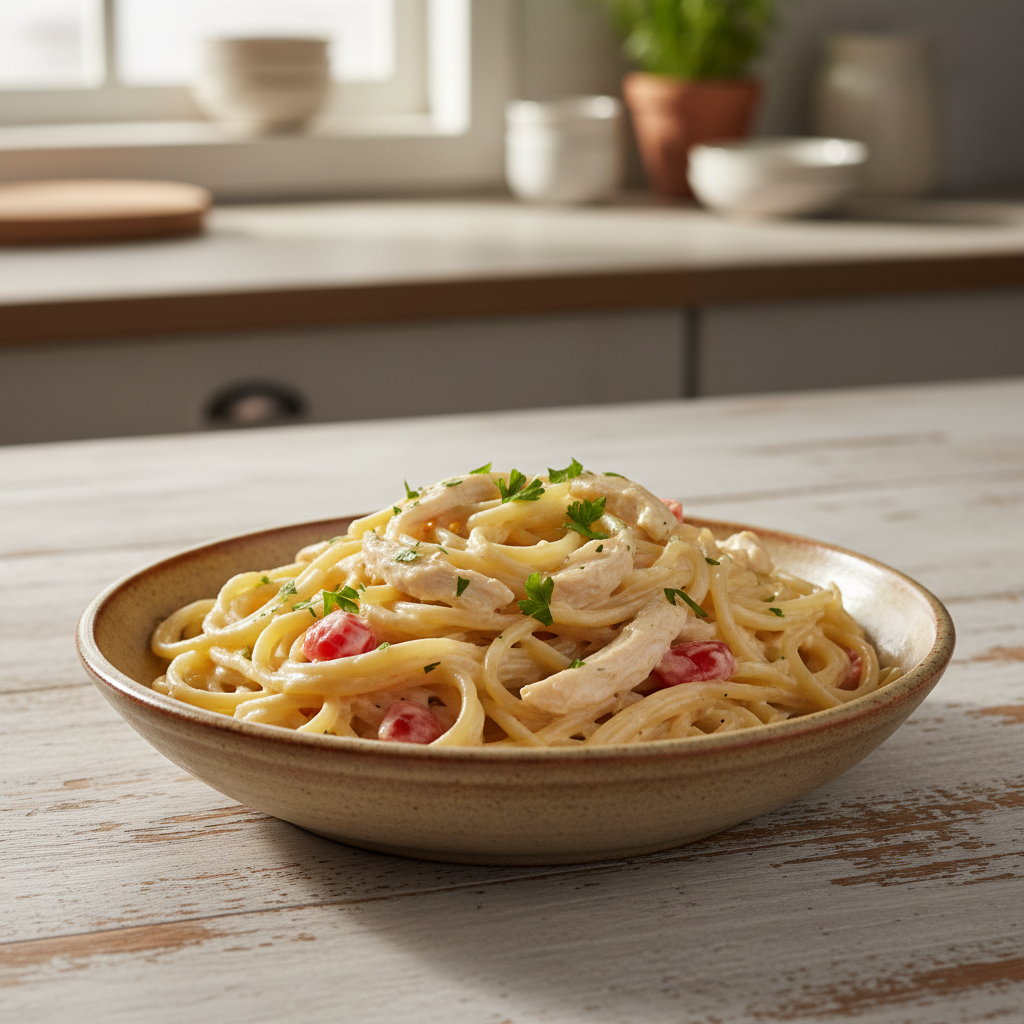
    • Glazed Carrots: Sweet and tender glazed carrots add a pop of color and natural sweetness, creating a lovely balance on the plate. Recipe-GPT can help you find other easy vegetable side dishes as well.

    Let Recipe-GPT simplify your meal planning by moving you from generic recipes to tailored meals. You’ll instantly find quick, practical, and personalized side dish suggestions, ensuring an enjoyable cooking experience.

    Tips for Storing and Reheating

    Proper Storage for Freshness

    To keep your creamed spinach fresh, proper storage is key. Always let the dish cool completely before storing it. This simple step prevents condensation and helps keep bacteria at bay.

    • Use an airtight container: Transfer the cooled creamed spinach into a clean, airtight container.
    • Refrigerate promptly: Place the container in the refrigerator within two hours of cooking.
    • Shelf life: For the best quality and safety, enjoy your leftovers within 3–4 days [1].

    Reheating for the Best Texture

    When reheating creamed spinach, the goal is to warm it through without drying it out or causing the sauce to separate. Here are two simple methods to achieve the best results.

    • Stovetop Method:
      • Place the creamed spinach in a saucepan over medium-low heat.
      • Stir gently and frequently to prevent scorching.
      • If the spinach seems too thick, add a splash of milk, cream, or water to restore its creaminess.
      • Heat for 5–7 minutes, or until just warmed through.
    • Microwave Method:
      • Place a single serving in a microwave-safe dish.
      • Cover the dish loosely to trap steam and prevent splatters.
      • Heat on medium power (50%) in 30-second intervals, stirring after each one.
      • If needed, add a small amount of liquid to maintain a creamy consistency.
      • Continue until the spinach is heated through.

    Freezing Creamed Spinach (Optional)

    While you can freeze creamed spinach, be aware that its texture may change upon thawing, as dairy-based sauces can separate. If you have a large batch, however, freezing is an excellent way to preserve leftovers.

    • Cool completely: First, ensure the dish has cooled to room temperature.
    • Portion out: Divide the spinach into individual portions for quick and easy reheating.
    • Use proper containers: Store portions in freezer-safe, airtight containers or heavy-duty freezer bags to prevent freezer burn.
    • Thaw and reheat: For the best results, thaw the spinach overnight in the refrigerator. Then, reheat it gently on the stovetop, adding a splash of milk or cream to restore its texture.

    Smart Leftover Planning with AI

    Recipe-GPT makes meal planning simple. Our AI helps you manage leftovers by providing creative ideas, such as suggesting new recipes that incorporate your leftover creamed spinach. Turn potential waste into your next exciting meal.

    Want to cook just the right amount? Our AI can also instantly adjust serving sizes for any creamed spinach recipe or other dish. This helps you reduce waste from the start and cook with greater confidence.

    Frequently Asked Questions About Creamed Spinach

    How do you make an easy creamed spinach recipe?

    Making delicious creamed spinach is simpler than you think. Our AI-powered recipes focus on quick, straightforward steps, showing you how to combine fresh spinach with a rich, creamy sauce. The result is a classic side dish that comes together fast, perfect for busy weeknights.

    The process is simple. First, wilt the spinach to significantly reduce its volume. Next, create a simple sauce on the stovetop, which typically involves butter, flour, milk or cream, and seasonings. Finally, stir the wilted spinach into the creamy mixture and season to taste. Recipe-GPT helps you master each stage with clear, concise instructions, turning mealtime indecision into confident cooking.

    Can you make creamed spinach without heavy cream?

    Absolutely! You can easily make creamed spinach without heavy cream, and our AI recipe generator offers fantastic substitutions to ensure your dish is still wonderfully creamy. For instance, using whole milk or half-and-half will create a lighter texture. For a dairy-free version, plant-based milks like unsweetened cashew milk also work well. [2] Just remember to choose a full-fat option for the best richness.

    To thicken the sauce, simply add a bit more flour or cornstarch. You can also enhance the creaminess and flavor by stirring in a spoonful of softened cream cheese or nutritional yeast. Recipe-GPT can instantly suggest these variations, adapting any recipe to fit your dietary needs or the ingredients you have on hand. This significantly simplifies your cooking decisions.

    What makes creamed spinach ‘steakhouse style’?

    Steakhouse-style creamed spinach elevates the classic side dish with a richer, more decadent flavor profile. This version often includes additional ingredients to boost its luxurious texture and taste, such as Parmesan cheese, a touch of nutmeg, or a hint of garlic and onion powder. These additions work together to create a deeper, more savory experience.

    The sauce is also typically thicker and more abundant, generously coating the spinach. Ultimately, this style is all about indulgence and robust flavor. To achieve this gourmet taste at home, simply ask Recipe-GPT for “steakhouse creamed spinach.” You’ll receive a tailored recipe with precise measurements, giving you personalized inspiration right at your fingertips.

    Can I use cream cheese in my creamed spinach?

    Yes, using cream cheese in creamed spinach is a fantastic idea, as it adds a lovely tang and extra richness. It also helps create a wonderfully thick, smooth sauce, which is why many home cooks use it to enhance both flavor and texture.

    To incorporate cream cheese, first let it soften at room temperature or by microwaving it for a few seconds. Stir the softened cheese into your hot cream base until it melts into a smooth, lump-free sauce, then add the wilted spinach. Recipe-GPT can easily adjust any creamed spinach recipe to include cream cheese, offering practical and personalized guidance as you explore new culinary twists.


    Sources

    1. https://www.foodsafety.gov/food-safety-charts/cold-food-storage-chart
    2. https://www.vegansociety.com/go-vegan/why-go-vegan/animals-farming-and-food

  • The Best Crock Pot White Chicken Chili (Easy & Creamy Recipe)

    The Best Crock Pot White Chicken Chili (Easy & Creamy Recipe)

    Crock Pot White Chicken Chili is a savory and comforting soup made by slow-cooking chicken breast, white beans, green chiles, onions, and spices. After several hours, the chicken becomes tender enough to shred and is often combined with cream cheese or heavy cream to create a rich, creamy texture. It’s a popular set-it-and-forget-it meal perfect for busy days.

    Staring into the fridge with no idea what to make for dinner? We’ve all been there. Imagine a satisfying, creamy, and flavorful meal that requires minimal effort. This easy crock pot white chicken chili is the answer, designed to make your weeknights simpler and more delicious.

    This recipe is a perfect example of our philosophy at Recipe-GPT: cooking should be simple and enjoyable. We believe personalized meal inspiration should be quick and stress-free. Our AI-powered approach delivers tailored recipes like this set-it-and-forget-it crock pot white chicken chili, designed to fit your life, your ingredients, and your preferences.

    Say goodbye to complicated steps and hello to mouth-watering results. Whether you’re a busy parent, a beginner cook, or just looking for a cozy, family-friendly dinner, this creamy white chicken chili is the perfect solution. Let’s dive in and see why you’ll love this recipe!

    Why You’ll Love This Easy White Chicken Chili Recipe

    A close-up, professional photograph of a creamy white chicken chili in a rustic ceramic bowl, garnished with fresh cilantro and a dollop of sour cream.
    Professional food photography, photorealistic, high-quality food magazine photo style. A stunning, close-up shot of a creamy white chicken chili served in an elegant rustic ceramic bowl. The chili is rich, thick, and garnished with a sprinkle of fresh chopped cilantro and a small dollop of sour cream or crema. Steam gently rises from the warm chili. The background is a softly blurred, warm home kitchen setting with natural light, suggesting comfort and deliciousness. Focus on texture and inviting warmth.

    A Set-It-and-Forget-It Meal

    When life gets busy, finding time for a delicious, homemade meal can be a challenge. Our crock pot white chicken chili recipe is a true lifesaver for exactly those moments.

    Simply add the ingredients to your slow cooker, let it do the work, and return hours later to a warm, comforting dinner. It’s the definition of “set it and forget it” convenience.

    This simple approach frees up your evening, giving you more time for family, hobbies, or simply relaxing. It’s cooking made easy for busy individuals and families.

    Perfectly Creamy and Flavorful

    This white chicken chili is a delightful blend of rich flavors and comforting creaminess. Featuring tender chicken, hearty beans, and a unique spice mix, each spoonful is a savory experience.

    The slow cooking process allows these flavors to meld beautifully, creating a depth of taste that quicker recipes often lack. A touch of cream cheese or heavy cream stirred in at the end provides the signature velvety texture, making this chili incredibly satisfying for everyone.

    How AI Helps You Customize It

    At Recipe-GPT, we believe recipes should fit your life perfectly. Our AI-powered approach makes this easy by offering quick, personalized adaptations for your white chicken chili.

    Here’s how our AI helps you make this chili truly yours:

    • Ingredient Swaps: Missing an item? Our AI can suggest smart substitutions. For example, if you’re out of cannellini beans, it might suggest navy beans or great northern beans.
    • Dietary Adjustments: Need a dairy-free version? The AI can recommend plant-based milk or cream cheese alternatives to maintain creaminess. For a lower-carb option, it can suggest reducing beans and adding more vegetables.
    • Serving Size Changes: Cooking for one or feeding a crowd? Our AI instantly scales the ingredients for any portion size you need. No more complicated math!
    • Flavor Variations: Want more heat? The AI can suggest adding extra jalapeños or a pinch of cayenne pepper. Conversely, if you prefer milder flavors, it can advise on reducing spicy ingredients.
    • Meal Planning Integration: Recipe-GPT helps fit this chili into your weekly plan. It suggests complementary sides or even calculates nutritional information based on your customizations [1]. This makes meal planning intuitive and stress-free.

    Our AI takes the guesswork out of cooking by providing tailored guidance, ensuring your crock pot white chicken chili is always perfect for you.

    What ingredients do I need for crock pot white chicken chili?

    An overhead flat lay photo showcasing all the fresh, raw ingredients for white chicken chili neatly arranged on a kitchen counter.
    Professional food photography, photorealistic, high-quality food magazine photo style. An overhead flat lay photo of all the raw, fresh ingredients for white chicken chili, neatly organized and arranged on a light-colored, clean kitchen counter or rustic wooden board. Ingredients include raw chicken breasts, canned cannellini beans, corn kernels, diced green chilies, chicken broth, cream cheese, an onion, garlic cloves, and a small assortment of spices in mini bowls (cumin, chili powder, oregano). Bright, natural overhead lighting highlights the freshness of each ingredient.

    Ready to gather your ingredients? This crock pot white chicken chili recipe calls for simple, easy-to-find items. Our AI-powered Recipe-GPT makes tracking them even easier and can suggest brilliant substitutions if you’re missing something!

    Here’s what you’ll need for this creamy, delicious meal:

    For the Base and Flavor

    • Chicken: 1.5 to 2 pounds boneless, skinless chicken breasts. You can also use thighs for more flavor.
    • Yellow Onion: 1 medium, chopped.
    • Garlic: 2-3 cloves, minced.
    • Diced Green Chiles: 2 cans (4 ounces each). Mild works great.
    • Jalapeño (optional): 1 fresh, seeded and minced, for an extra kick.
    • Cannellini Beans: 2 cans (15 ounces each), rinsed and drained. Great northern beans are also a good choice.
    • Corn: 1 can (15 ounces), drained, or 1.5 cups frozen corn.
    • Chicken Broth: 4 cups (32 ounces). Low-sodium is a smart option.
    • Ground Cumin: 2 teaspoons.
    • Chili Powder: 1 teaspoon.
    • Dried Oregano: ½ teaspoon.
    • Salt and Black Pepper: To taste.

    For Creaminess

    • Cream Cheese: 4 ounces, softened and cut into cubes. This creates that wonderfully rich texture.
    • Heavy Cream: ½ cup. For a lighter touch, half-and-half or milk works well too.

    Optional Toppings (Customize with AI!)

    Toppings are where you truly make this chili your own! Recipe-GPT can help you explore personalized topping ideas based on your pantry or preferences.

    • Shredded cheddar or Monterey Jack cheese
    • Sour cream or Greek yogurt
    • Fresh cilantro, chopped
    • Diced avocado
    • Lime wedges
    • Crushed tortilla chips or strips

    Don’t have everything on hand? No problem. Simply tell Recipe-GPT what you have, and our AI will suggest creative variations or clever ingredient swaps. It transforms mealtime stress into confident, simple cooking decisions.

    How to Make White Chicken Chili in a Slow Cooker

    A home cook's hands stirring creamy white chicken chili directly in a slow cooker, showing steam and rich texture.
    Professional food photography, photorealistic, high-quality food magazine photo style. A real human home cook’s hands are gently stirring a rich, creamy white chicken chili inside a modern slow cooker pot, which is placed on a clean, light-colored kitchen counter in a bright home kitchen. Steam is visibly rising from the chili, indicating it’s hot and fresh. The chili has visible chunks of chicken, beans, and corn, showcasing its hearty texture. The background is a softly blurred, warm home kitchen environment, emphasizing ease and comfort in cooking.

    Step 1: Combine the Base Ingredients

    This delicious crock pot white chicken chili starts with simple ingredients, making prep incredibly easy. Just gather your items and add them directly to the slow cooker.

    To personalize your meal, Recipe-GPT can help you adjust ingredient amounts for your family size or suggest the perfect combination of spices. This makes meal prep a breeze and ensures a flavorful chili every time.

    In your slow cooker, combine these core ingredients:

    • Boneless, skinless chicken breasts or thighs
    • Canned cannellini beans (or great northern beans), rinsed and drained
    • Canned green chiles (mild or medium, depending on your preference)
    • Onion, chopped
    • Garlic, minced
    • Chicken broth
    • Spices like cumin, chili powder, and oregano

    This step is where Recipe-GPT shines, suggesting the perfect spice blend for a flavorful chili and providing personalized ingredient lists instantly.

    Step 2: Slow Cook to Perfection

    Now, set your slow cooker for a truly “set-it-and-forget-it” meal. The magic happens while you go about your day.

    Cover the slow cooker and cook on LOW for 6-8 hours or on HIGH for 3-4 hours. The chicken will become incredibly tender.

    Slow cooking is fantastic for busy schedules. It tenderizes the chicken beautifully, making it easy to shred later [2]. Recipe-GPT can even help you plan your cooking schedule, offering suggestions if you need to adjust cooking times for your specific needs.

    The low, slow heat also deepens all the flavors, and your kitchen will smell amazing!

    Step 3: Shred the Chicken

    Once the cooking time is complete, carefully remove the chicken from the slow cooker.

    Place it on a cutting board or in a shallow dish and use two forks to shred it. The tender chicken should pull apart very easily. Chicken is a great source of lean protein, making this a healthy meal option [3].

    Return the shredded chicken to the slow cooker and stir well to combine. This ensures every spoonful has tender chicken.

    Recipe-GPT can offer quick tips for handling hot food safely and suggest creative ways to use any leftover shredded chicken for another meal.

    Step 4: Make It Creamy

    This simple final step adds the rich, creamy texture you expect from white chicken chili.

    Add cream cheese, sour cream, or heavy cream to the slow cooker and stir until fully blended. The heat from the chili will help melt the cream cheese quickly.

    Continue stirring until the chili is smooth and creamy. Taste and adjust seasonings as needed, adding more salt, pepper, or a pinch of cayenne for heat.

    Recipe-GPT can help here, too! It can suggest dairy-free or lower-fat alternatives to suit dietary preferences, ensuring your chili is perfect for everyone at the table.

    Tips for the Best Slow Cooker Chicken Chili

    Crafting the perfect slow cooker chicken chili is simple. These expert tips will ensure a flavorful, creamy result every time. Remember, Recipe-GPT is always ready to personalize these ideas for your kitchen.
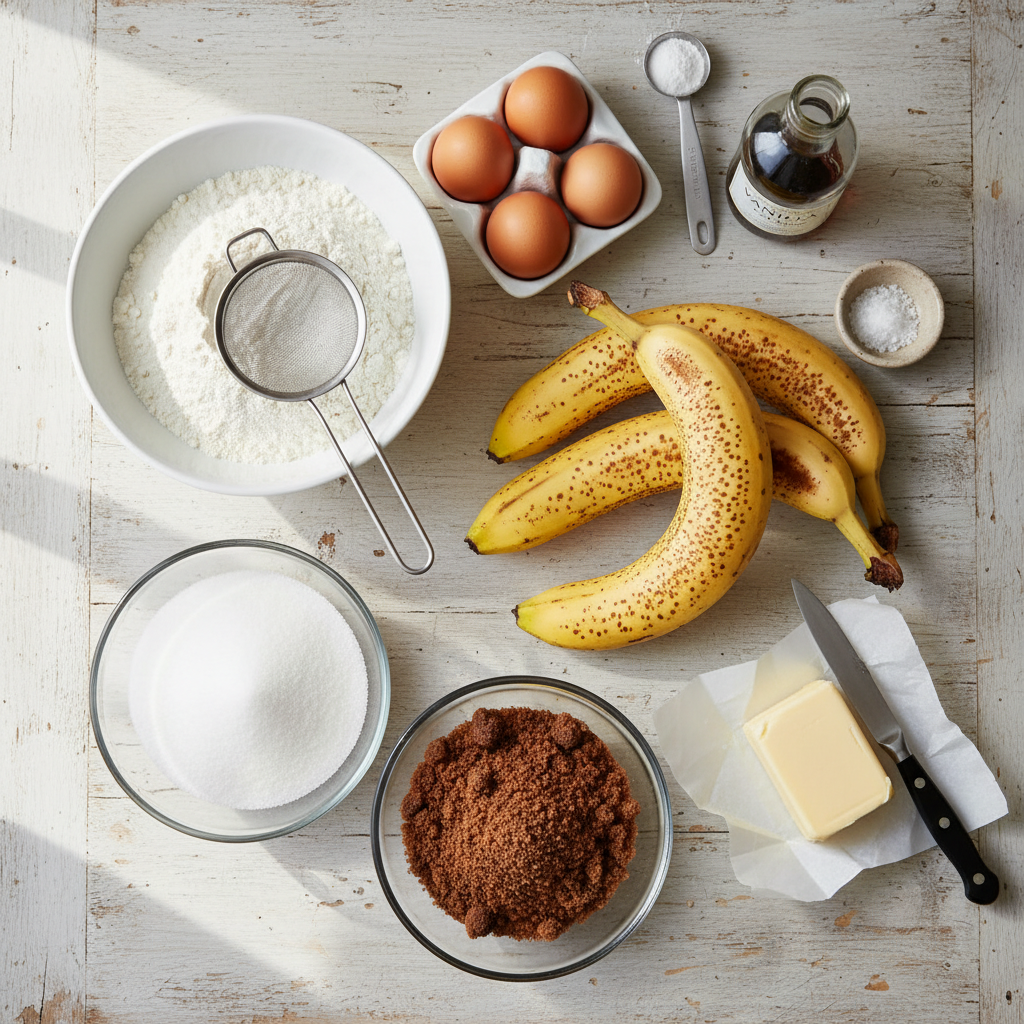
    • Choose Your Chicken Wisely: For the most tender, shreddable chicken, opt for boneless, skinless chicken breasts or thighs—or use a mix of both for a richer flavor. Our AI can adjust cooking times if you start with frozen chicken, making meal prep even easier.
    • Build a Flavorful Base: While a slow cooker does most of the work, a little prep goes a long way. Briefly sautéing onions and garlic before adding them to the pot enhances the chili’s depth. If your slow cooker has a “sear” function, use it! Recipe-GPT can suggest aromatic additions based on your preferences.
    • Master Your Spices: Adjust spices like chili powder and cumin to your preferred heat level. It’s best to start with less; you can always add more after cooking if needed. Recipe-GPT can also generate a custom spice blend, ensuring your chili is perfectly seasoned for your family’s taste.
    • Achieve Creamy Perfection: For the best creamy texture, stir in cream cheese, sour cream, or heavy cream during the last 30 minutes of cooking. Adding dairy at the end prevents curdling and creates a luxurious richness. If you need a dairy-free option, our AI can instantly suggest alternatives like coconut cream or a cashew-based sauce.
    • Smart Ingredient Swaps: Don’t be afraid to experiment with different beans, corn, or broth. Great northern, cannellini, or navy beans all work wonderfully. Always rinse canned beans to reduce their sodium content. Recipe-GPT can help you find suitable substitutions using ingredients you already have.
    • Resist the Lid-Lifting Urge: Every time you lift the slow cooker lid, heat escapes, which can add up to 30 minutes to your cooking time. Trust the process and let your slow cooker work its magic undisturbed for the best results.
    • Don’t Skimp on Toppings: Toppings transform your chili from great to extraordinary. Offer a variety of options like fresh cilantro, diced avocado, shredded cheese, or crushed tortilla chips. Recipe-GPT can even inspire unique topping combinations tailored to your ingredient availability and taste [4].

    What Should I Serve with White Chicken Chili?

    While white chicken chili is a hearty and flavorful meal on its own, adding the right sides and toppings transforms it into an unforgettable dining experience. These simple additions are key to enhancing texture, flavor, and overall satisfaction.

    Recipe-GPT can help you explore countless pairing ideas and suggest personalized options based on your pantry or dietary needs. Get ready to elevate your crock pot white chicken chili!

    Essential Toppings for Your Chili

    The right toppings are crucial for any chili. They add layers of freshness, creaminess, and a delightful crunch, so don’t skip these simple flavor boosters!

    • Shredded Cheese: Monterey Jack, cheddar, or a Mexican blend melt beautifully into the warm chili.
    • Sour Cream or Greek Yogurt: A dollop adds a cool, creamy contrast to the chili’s spice.
    • Fresh Cilantro: Chopped cilantro brightens every bite with its fresh, herbaceous notes.
    • Sliced Avocado: Creamy avocado offers a rich, buttery texture that complements the chili perfectly.
    • Diced Jalapeños: For an extra kick, fresh or pickled jalapeños are the perfect addition.
    • Lime Wedges: A squeeze of fresh lime juice provides essential acidity and a bright, zesty finish.
    • Tortilla Strips or Crushed Tortilla Chips: These provide a classic and satisfying crunch.

    Recipe-GPT can generate creative topping combinations tailored to your preferences. Simply tell it what flavors you love!

    Perfect Sides to Complement Your Chili

    Beyond toppings, a well-chosen side dish makes your white chicken chili a complete and satisfying meal. From warm breads to refreshing salads, you have plenty of options to choose from.

    • Cornbread: Sweet or savory, cornbread is a classic pairing that’s excellent for soaking up every last drop of chili.
    • Tortilla Chips: Perfect for dipping, crunchy tortilla chips also add a fun, casual element to your meal.
    • Crusty Bread or Dinner Rolls: A simple, warm bread is wonderfully comforting and provides a soft contrast to the chili’s texture.
    • A Simple Green Salad: To lighten the meal, a crisp green salad with a light vinaigrette balances the chili’s richness.
    • Coleslaw: Creamy or vinegar-based coleslaw offers a cool, crisp side that brings a tangy balance to the meal.
    • Rice: Serve the chili over a bed of white or brown rice to make the meal even more filling.

    Recipe-GPT can help you find quick and easy recipes for these sides or suggest substitutions based on the ingredients you have available.

    Ultimately, serving your crock pot white chicken chili with the right accompaniments is what transforms mealtime. Recipe-GPT empowers you to make these delicious decisions effortlessly, so you can stop wondering “what should I serve?” and start enjoying a perfectly paired, personalized meal.

    How to Store and Reheat Leftovers

    Properly storing and reheating your Crock Pot White Chicken Chili is simple. Follow these tips to enjoy its creamy goodness for days to come. You can even use Recipe-GPT to get creative with your leftovers.

    Storing Your White Chicken Chili

    To keep your chili fresh and flavorful, proper storage is key. Follow these easy steps to safely store your leftovers.

    • Cool Completely: Before storing, allow the chili to cool down to room temperature. This important step prevents condensation and helps maintain its freshness.
    • Airtight Containers: Transfer the cooled chili into airtight containers. This will protect it from other fridge odors and prevent premature spoilage.
    • Refrigerate: Your chili will stay fresh in the refrigerator for up to 3-4 days. [5]
    • Freeze for Longer Storage: To store the chili longer, pour it into freezer-safe containers or heavy-duty freezer bags. Leave about an inch of space at the top for expansion. It will keep for up to 2-3 months in the freezer.
    • Plan Ahead with AI: Use Recipe-GPT to make meal planning easier. Our AI can help you adjust serving sizes or plan batch cooking, ensuring you have just the right amount of chili for your family and manageable leftovers.

    Reheating Your White Chicken Chili

    Reheating your chili is quick and easy. Whether you use the stovetop or microwave, you can have a warm, comforting bowl in just a few minutes.

    • Thaw First: If your chili is frozen, thaw it in the refrigerator overnight for the best texture. If you’re short on time, use the defrost setting on your microwave.
    • Stovetop Method: This method works best for reheating chili while preserving its original creamy texture.
      1. Pour the chili into a saucepan over medium-low heat.
      2. Stir occasionally to ensure it heats through evenly without scorching.
      3. If the chili seems too thick, add a splash of chicken broth or milk to restore its creamy consistency.
    • Microwave Method: For a quick and convenient option, the microwave works perfectly.
      1. Place a single serving of chili in a microwave-safe bowl.
      2. Cover the bowl loosely with a microwave-safe lid or paper towel to prevent splatters.
      3. Heat on high for 1-2 minutes and stir well. Continue heating in 30-second intervals until it’s warmed through.
      4. As with the stovetop method, you can stir in a splash of broth or milk if the chili has thickened too much.
    • Get Creative with Leftovers: Don’t want the same meal twice? Ask Recipe-GPT to transform your chili into a new dish. Tell our AI what ingredients you have, and it can generate ideas like chili nachos, quesadillas, or a zesty baked potato topping.

    Frequently Asked Questions

    How do you make white chicken chili creamy?

    Achieving a wonderfully creamy texture in your white chicken chili is simple. The secret is adding dairy ingredients near the end of the cooking time.

    Here’s how to make it extra creamy:

    • Cream Cheese: Once the chili is finished cooking, stir in a block of softened cream cheese (about 4-6 ounces). It melts beautifully and adds a rich, tangy creaminess.
    • Heavy Cream: For a smoother texture, add a splash of heavy cream, half-and-half, or full-fat milk. Stir it in during the last 30 minutes of cooking or right before serving.
    • Sour Cream or Greek Yogurt: For a lighter creaminess with a slight tang, stir in sour cream or plain Greek yogurt. To prevent curdling, add it off the heat just before serving.

    Recipe-GPT can help you explore variations. For a dairy-free option, our AI can suggest using plant-based milks or cashew cream for similar results.

    What can I use to thicken my white chicken chili?

    If your chili is a bit too soupy, there are several easy ways to thicken it using ingredients you probably already have in your kitchen.

    Consider these simple thickening methods:

    • Mash Some Beans: Scoop out about a cup of cooked white beans from the chili and mash them with a fork. Stir the mashed beans back into the pot to add natural thickness without significantly changing the flavor.
    • Cornstarch Slurry: Mix 1 tablespoon of cornstarch with 1 tablespoon of cold water to create a slurry. Stir this into the simmering chili and cook for a few more minutes until it thickens. Repeat if needed for a thicker consistency.
    • Cream Cheese or Heavy Cream: As mentioned above, these ingredients add richness while also helping to thicken the chili.
    • Reduce Liquid: Let the chili simmer uncovered for an extra 15-30 minutes. As the liquid evaporates, the chili will naturally thicken.

    Need more ideas? Tell our AI what you have on hand, and Recipe-GPT can suggest other thickening options from your pantry.

    Can I use frozen chicken for this recipe?

    Yes, you can absolutely use frozen chicken breasts or thighs for this crock pot recipe. It’s a convenient option that saves time.

    Keep these points in mind for the best results:

    • Increase Cook Time: Frozen chicken requires a longer cooking time than thawed chicken. Add at least one to two extra hours, especially when cooking on the “Low” setting.
    • Monitor Temperature: Always use a meat thermometer to ensure your chicken reaches a safe internal temperature of 165°F (74°C) before shredding and serving [6].
    • Shredding May Be Harder: Chicken cooked from frozen can be slightly more difficult to shred than thawed chicken.

    While thawing chicken first is recommended for the best texture, using it frozen is a great time-saver. If you tell our AI you’re using frozen ingredients, Recipe-GPT can adjust the cooking instructions and times for you.


    Sources

    1. https://www.nutrition.gov/
    2. https://www.seriouseats.com/why-slow-cookers-work-how-they-break-down-tough-cuts-of-meat
    3. https://www.heart.org/en/healthy-living/healthy-eating/eat-smart/nutrition-basics/protein-and-heart-health
    4. https://www.bhg.com/recipes/how-to/cooking-basics/how-to-use-a-slow-cooker/
    5. https://www.fsis.usda.gov/food-safety/safe-food-handling-and-preparation/food-safety-basics/refrigeration-and-food-safety
    6. https://www.foodsafety.gov/food-safety-charts/safe-minimum-cooking-temperatures

  • How to Make Quick Onion Pickle: An Easy AI-Powered Recipe

    How to Make Quick Onion Pickle: An Easy AI-Powered Recipe

    To make onion pickle, thinly slice your onions and pack them into a jar. Create a brine by heating vinegar, water, sugar, and salt in a saucepan until the solids dissolve. Pour the warm brine over the onions, let the jar cool to room temperature, then seal and refrigerate for at least one hour.

    Looking for a secret ingredient to elevate your tacos, sandwiches, or grain bowls? Meet the quick pickled red onion: a bright, tangy condiment that adds a burst of flavor and a delightful crunch to almost anything. This simple, versatile condiment is incredibly easy to make and can transform your everyday meals into something special.

    Making your own pickled onions is surprisingly simple, and with Recipe-GPT, the process becomes even more personalized and foolproof. We’ll guide you through creating the perfect recipe from scratch, showing you how our AI can help you customize it to your taste. You can adjust ingredients, explore new flavor combinations, or scale the recipe for a crowd, saying goodbye to guesswork and hello to instant, tailored meal solutions.

    This guide is your go-to for creating fantastic pickled onions in minutes, designed for busy home cooks and beginners alike. Forget complicated steps and endless searching for inspiration. Ready to transform meals with a splash of tangy goodness and discover how AI can simplify your cooking decisions?

    Why Will You Love This Quick Onion Pickle Recipe?

    Unlock a world of vibrant flavor with our Quick Onion Pickle recipe! This isn’t just another side dish; it’s a game-changer for your everyday meals.

    You’ll love how this recipe brings incredible flavor and convenience to your table with minimal effort.

    Effortless Speed and Simplicity

    This recipe lives up to its “quick” name. You can prepare a batch of these tangy, bright onions in minutes using simple ingredients and straightforward steps. Because you don’t need any fancy equipment, it’s the perfect recipe for even the busiest schedules.

    • Fast Prep: It takes just a few minutes of active cooking time.
    • Simple Ingredients: You likely have most items in your pantry already.
    • Beginner-Friendly: No complex techniques are required for delicious results.

    Elevate Any Meal Instantly

    Imagine adding a burst of tangy, slightly sweet, and zesty crunch to your plate. That’s what these quick pickled red onions deliver. They instantly transform ordinary dishes into something extraordinary by cutting through richness and adding a refreshing contrast.

    • Flavor Boost: Add a vibrant tang to tacos, Salads, and more.
    • Texture Contrast: Enjoy the satisfying crunch in every bite.
    • Brightens Dishes: Visually, their beautiful pink color enhances presentation.

    Incredible Versatility

    Once you make a batch, you’ll find countless ways to use them. These pickled onions are so versatile you can pair them with almost anything, making them a go-to condiment in your kitchen. Get ready to spark some creativity in your meal planning!

    • Tacos and Burgers: A classic pairing for a zesty kick.
    • Salads and Bowls: Adds a delightful crunch and tang.
    • Sandwiches and Wraps: Elevates simple fillings.
    • Eggs and Avocado Toast: A gourmet touch for breakfast or brunch.

    Recipe-GPT Makes It Even Easier

    Enhance your cooking experience with Recipe-GPT. Our AI can instantly adapt this recipe to your needs, whether you’re looking for ingredient substitutions, adjusting serving sizes with a click, or exploring creative flavor variations. This tool is designed to reduce stress and help you transition from mealtime indecision to confident, personalized cooking.

    How to Make the Best Onion Pickle

    A clear glass jar filled with vibrant red onion pickle, garnished with fresh dill, on a light wooden board.
    Professional food photography, photorealistic, high-quality food magazine photo style. A beautifully styled clear glass jar filled with vibrant quick red onion pickle, showcasing translucent, thinly sliced red onions marinated in a clear, glossy liquid. The pickle has a bright pinkish-red color, with subtle hints of fresh dill and mustard seeds visible. The jar is placed on a light wooden cutting board on a clean, brightly lit kitchen counter, with diffused natural light highlighting the textures. A few scattered fresh dill sprigs and a couple of whole mustard seeds are on the board next to the jar. The background is softly blurred, suggesting a warm and inviting home kitchen culinary workspace. Eye-level shot, shallow depth of field.

    Ingredients You’ll Need

    This quick pickled onion recipe uses simple ingredients that you likely have in your pantry. It makes about one pint, which is the perfect amount for a trial batch.

    • Red Onion: One large, thinly sliced. Red onions offer vibrant color and a crisp texture when pickled [1].
    • Water: Half a cup. This helps dilute the vinegar for a balanced brine.
    • Vinegar: Half a cup. Apple cider vinegar or white vinegar both work beautifully. Apple cider adds a touch of fruity sweetness.
    • Granulated Sugar: One tablespoon. Sugar balances the acidity and brings out the onion’s natural sweetness.
    • Salt: One teaspoon, preferably sea salt or kosher salt. This is crucial for flavor and preservation.
    • Optional Flavor Boosters: A few whole peppercorns, a bay leaf, or a smashed garlic clove can elevate your pickle.

    Remember, Recipe-GPT can easily adjust this list. For example, if you only have white onions, our AI can adapt the recipe for you. It also suggests substitutions based on what’s in your fridge, making meal prep effortless.

    Step-by-Step Instructions

    These quick pickled onions are incredibly easy to make. Follow these simple steps to turn a basic onion into a flavorful topping. Our AI-powered guidance will help you follow along with confidence, even if you’re new to pickling.

    1. Prepare the Onions: First, peel and thinly slice the red onion. Using a sharp knife or a mandoline will give you the best results. Slicing the onions thinly helps them absorb the brine quickly and achieve a perfect tender-crisp texture.
    2. Pack the Jar: Tightly pack the sliced onions into a clean, heat-proof pint-sized jar. Don’t worry about overfilling; they will soften and shrink in the hot brine.
    3. Make the Brine: In a small saucepan, combine the water, vinegar, sugar, and salt. Add any optional flavor boosters, like peppercorns or garlic. Bring the mixture to a boil over medium-high heat, stirring until the sugar and salt dissolve completely. This should take about one minute.
    4. Combine and Cool: Carefully pour the hot brine over the onions, ensuring they are completely submerged. Tap the jar on the counter to release any trapped air bubbles. Then, let the jar cool to room temperature.
    5. Chill and Enjoy: Once the jar is cool, seal it with a lid and place it in the refrigerator. The pickled onions will be ready in as little as 30 minutes, but their flavor improves after a few hours or overnight.

    This streamlined process is perfect for busy cooks. Recipe-GPT can provide even more tips, like suggesting alternative spice combinations or adjusting quantities for larger batches. Enjoy your homemade quick pickled red onions!

    How Can You Customize Your Onion Pickle?

    Various fresh herbs, spices, and sliced jalapeños arranged artfully around a small bowl of onion pickle, showing customization options.
    Professional food photography, photorealistic, high-quality food magazine photo style. A culinary workspace scene showcasing a variety of fresh ingredients for customizing onion pickle. In the center, a small elegant glass bowl of basic red onion pickle. Surrounding it are small, organized piles of potential additions: a neat cluster of whole black peppercorns, a tiny ceramic dish of chili flakes, fresh sprigs of thyme and rosemary, thinly sliced bright green jalapeños, and a star anise pod. All ingredients are fresh, vibrant, and perfectly lit on a clean, light-colored kitchen counter. The arrangement is artful and appealing, suggesting creative possibilities. The focus is sharp on the ingredients, with a soft background blur of a modern, inviting kitchen.

    Choosing Your Onions: Red vs. White

    The type of onion you choose significantly impacts the flavor and color of your pickle. Both red and white onions bring unique qualities to the jar.

    Red onions are a popular choice for quick pickling because they lend the pickle a beautiful, vibrant pink color. Their flavor is mild and slightly sweet once pickled. This makes them perfect for adding a pop of color and a gentle tang to a variety of dishes.

    White onions, on the other hand, offer a sharper, more pungent flavor. When pickled, they retain more of their assertive oniony bite. They are an excellent choice if you prefer a bolder, more intense pickle. You can easily switch between them based on your meal or personal preference.

    Recipe-GPT can help you decide. Just tell our AI if you prefer a milder or bolder onion flavor, and it will adjust the recipe details instantly for you.

    Experimenting with Different Vinegars

    Vinegar is the heart of your pickle’s tang. Since each type brings a distinct flavor profile, you can truly personalize your pickled onions by choosing carefully.

    • White Vinegar: This is the classic choice, providing a sharp, clean tang. It’s perfect for a traditional, bright-tasting pickle.
    • Apple Cider Vinegar: If you prefer a slightly fruitier and mellower tang, use apple cider vinegar. It adds a lovely depth of flavor.
    • Rice Vinegar: Milder and a bit sweeter, this option creates a subtle, less acidic pickle. It works wonderfully for Asian-inspired dishes.
    • Red Wine Vinegar: For a deeper, more robust flavor, try red wine vinegar. It adds a sophisticated twist to your pickle.

    Feel free to mix and match. For example, a blend of white and apple cider vinegar creates a balanced tang. Recipe-GPT can suggest combinations based on your desired flavor profile, making experimentation simple and fun.

    Adding Spices for Extra Flavor

    Spices are a fantastic way to boost the flavor of your pickled onions. They infuse the brine with complex aromas, allowing you to customize your pickle even further.

    Consider adding whole spices, which release their flavors slowly for a more complex taste. Using whole spices also prevents the brine from becoming gritty.

    Here are some popular choices:

    • Whole Peppercorns: Black, white, or mixed peppercorns add a subtle peppery bite.
    • Bay Leaves: A bay leaf contributes a savory, slightly herbal note.
    • Mustard Seeds: Yellow or brown mustard seeds offer a mild, tangy warmth.
    • Red Chili Flakes: For a touch of heat, sprinkle in some chili flakes.
    • Coriander Seeds: These provide a citrusy, earthy undertone.
    • Dill Seeds: If you love a classic pickle taste, dill seeds are a must.

    Recipe-GPT can generate unique spice blends. Just tell our AI your preferred flavors, and it will suggest combinations that perfectly complement your onions.

    Comparing the No-Cook and Boiling Brine Methods

    There are two main ways to prepare your pickling brine: a no-cook method and a boiling method. While both create delicious quick pickled onions, they produce different results in terms of speed and texture.

    The right method for you will depend on your available time and preferred texture. Recipe-GPT can provide instructions for either option, adapting to your needs for an effortless experience.

    Method Pros Cons Best For
    No-Cook Brine
    • Extremely fast preparation.
    • Retains more crispness in onions.
    • Less heat, perfect for hot weather.
    • Flavors infuse slower.
    • Slightly less shelf life.
    Quickest results, maximum crunch, last-minute meals.
    Boiling Brine
    • Requires heating time.
    • Onions lose some crispness.
    Deeper flavor, slightly longer shelf life, slightly softer texture.

    What Are the Best Ways to Use Onion Pickle?

    A close-up of a gourmet taco topped with vibrant red onion pickle, held by a home cook's hand.
    Professional food photography, photorealistic, high-quality food magazine photo style. A delicious-looking close-up of a serving suggestion featuring quick red onion pickle. The vibrant pickle is artfully placed as a generous topping on a gourmet taco, piled high with savory, well-textured fillings. The taco is held by a hand belonging to a home cook, slightly visible in the foreground, with a blurred background of a modern, inviting dining table or casual meal setting. The pickle looks appetizing, glistening, and perfectly complements the other ingredients with its bright color and texture. Excellent, warm lighting, sharp focus on the food, inviting and appetizing composition.

    Tacos, Nachos, and Burritos

    Quickly pickled onions are a game-changer for your favorite Mexican-inspired dishes. Their crisp, tangy bite cuts through rich flavors beautifully while adding a vibrant pop of color.

    Consider adding quick pickled red onions to:

    • Tacos: A spoonful elevates beef, chicken, fish, or veggie tacos by providing a welcome contrast to savory fillings.
    • Nachos: Sprinkle them over loaded nachos after baking. The tanginess brightens up all that cheesy goodness.
    • Burritos and Bowls: Mix them into your burrito filling or add them as a topping for your bowl for an extra layer of flavor and crunch.

    Recipe-GPT can help you craft the perfect taco night! Just tell it your main ingredients, and it can suggest delicious combinations that might include this zesty topping.

    Salads and Grain Bowls

    Elevate your salads and grain bowls with one simple addition: pickled onions. Their bright, acidic punch transforms ordinary greens into something special, adding complex flavor with minimal effort.

    You can use quick pickled red onions in:

    • Green Salads: Toss them into any mixed green salad for an instant flavor boost that pairs well with a variety of dressings.
    • Grain Bowls: Add them to a quinoa, farro, or rice bowl. The tangy onions complement roasted vegetables, proteins, and fresh herbs.
    • Bean Salads: Incorporate them into chickpea, black bean, or lentil salads to add a refreshing counterpoint to the earthiness of the beans.

    Looking for new salad ideas? Recipe-GPT can generate personalized salad recipes based on ingredients you have and even suggest adding pickled onions for that perfect tangy finish.

    Sandwiches and Burgers

    Say goodbye to boring sandwiches and burgers. Pickled onions offer a delightful crunch and a tangy kick that complements rich meats and cheeses, making for a simple upgrade that delivers a big difference in flavor.

    Try them on:

    • Burgers: Place a generous spoonful on your burger for a refreshing contrast to the rich patty and melted cheese.
    • Deli Sandwiches: Add them to turkey, ham, or roast beef sandwiches, where the tangy flavor cuts through the richness of the meat.
    • Grilled Cheese: For a gourmet twist, add a few pickled onions inside your grilled cheese. The tartness perfectly balances the cheesy richness.
    • Pulled Pork or Chicken Sandwiches: It’s a classic pairing that provides necessary acidity and crunch.

    Recipe-GPT can help you brainstorm lunch ideas instantly. Describe what you’re craving, and it can suggest sandwich or burger recipes, often recommending this flavorful addition.

    Avocado Toast and Eggs

    Quickly pickled onions aren’t just for lunch and dinner; they’re also a fantastic addition to breakfast and brunch favorites. Their sophisticated tang can brighten up even the simplest dishes.

    Here’s how to use them:

    • Avocado Toast: Layer pickled red onions over creamy avocado toast. A sprinkle of everything bagel seasoning adds extra flair.
    • Scrambled Eggs or Omelets: Fold them into your scrambled eggs or sprinkle them over an omelet before serving for a fresh, zesty element.
    • Fried Eggs: Top your fried eggs with a few pickled onions. The acidity cuts beautifully through the richness of the yolk.
    • Breakfast Burritos: Add them to your breakfast burritos for a tangy and unexpected surprise.

    Struggling with breakfast inspiration? Recipe-GPT can generate quick, easy breakfast ideas tailored to your pantry and suggest how to use your pickled onions for a more exciting morning meal.

    How Can AI Personalize This Recipe for You?

    Get Instant Ingredient Substitutions

    Ever start a recipe only to realize you’re missing a key ingredient? Recipe-GPT has you covered. Our AI acts as your personal sous chef, ready with smart swaps.

    If your pantry is missing an item, just ask the AI for a suitable alternative. You’ll get an instant suggestion, which means less stress and fewer last-minute grocery runs.

    For your quick onion pickle, imagine these scenarios:

    • No Red Onions? Recipe-GPT might suggest using white or yellow onions and will advise you on how to adjust for flavor differences.
    • Out of Apple Cider Vinegar? Our AI can recommend white or rice vinegar and will explain the taste differences to help you choose.
    • Missing a Spice? The AI can suggest similar flavor profiles. For example, if you’re out of mustard seeds, it might recommend a pinch of mustard powder.

    This intelligent assistance makes cooking more adaptable and fun, allowing you to confidently tackle any recipe, even with limited ingredients.

    Adjust Serving Sizes Automatically

    Cooking for one tonight but hosting a party next week? Recipe-GPT takes the guesswork out of scaling recipes by automatically adjusting ingredient quantities for you.

    Forget about complicated math. Just tell the AI how many servings you need, and it will recalculate everything with precision. This ensures perfect proportions every time.

    Whether you want a small batch of quick onion pickle for a sandwich or a large jar for a family barbecue, Recipe-GPT handles the math. You get an accurate ingredient list and instructions tailored to your needs.

    Enjoy effortless meal planning, reduce food waste, and make cooking the right amount simple and efficient.

    Discover New Flavor Variations with Recipe-GPT

    Tired of the same old recipes? Recipe-GPT sparks your culinary creativity by helping you explore exciting new twists on familiar dishes.

    Tell the AI your preferences to get custom variations. For instance, if you love spicy food or want to explore global flavors, our AI adapts to your palate.

    For your quick onion pickle, Recipe-GPT could suggest:

    • Spicy Kick: Add sliced jalapeños or a pinch of red pepper flakes for extra heat.
    • Herbal Freshness: Include fresh dill or thyme to infuse a unique aroma.
    • Sweet & Tangy: A touch more sugar or a dash of honey can create a sweeter profile.
    • Global Inspiration: Try a splash of rice wine vinegar and a hint of ginger for an Asian-inspired pickle.

    These AI-powered ideas help you transform simple recipes and discover new favorite flavors without extensive research. It’s personalized culinary inspiration, delivered instantly.

    Frequently Asked Questions About Onion Pickle

    What is the best pickled onions recipe?

    The “best” pickled onions recipe is the one that suits your taste. For most people, that means a recipe that’s quick, easy, and customizable. Our quick pickle recipe, for example, is designed to be all three.

    What makes a recipe truly stand out?

    • Speed: A quick pickle means you can enjoy fresh, tangy onions in under an hour.
    • Simplicity: Straightforward steps and common ingredients are key.
    • Customization: The ability to adjust flavors to suit your meal or preference.

    Recipe-GPT can help you find your personal best by generating custom variations. Tell our AI what you like, and it will suggest spices, vinegars, or even different onion types to perfect your pickle!

    Do you have to use boiling water for quick pickled red onions?

    Yes, for truly “quick” pickled red onions, using boiling water for the brine is highly recommended. The heat is what makes the process so fast. Here’s why:

    • Faster Infusion: The hot brine rapidly draws out the sharp bite from the onions and infuses them with flavor.
    • Softer Texture: Heat slightly softens the onions, giving them a pleasant texture that’s still crisp but not raw.
    • Quick Readiness: This method allows your pickled onions to be ready to eat in about 30 minutes to an hour.

    However, you can also make “no-cook” pickled onions with a cold brine. This method produces a much crisper onion, but it takes longer for the flavors to develop—typically around 24 hours.

    Recipe-GPT can tailor your recipe to either method. Just let our AI know if you prefer a super fast, slightly softer pickle or a crisper, slower-marinated option!

    How long do homemade quick pickled onions last?

    When stored properly in the refrigerator, homemade quick pickled onions will last for 2 to 3 weeks. Some batches may stay fresh for up to a month.

    To maximize freshness and safety, follow these key tips:

    • Airtight Container: Always store your pickled onions in a clean, airtight jar or container.
    • Refrigeration: Keep them in the fridge. This significantly slows down spoilage.
    • Clean Utensils: Use clean forks or tongs to remove onions from the jar. This prevents introducing bacteria [2].
    • Check for Spoilage: If you notice any mold, off-smells, or a slimy texture, it’s best to discard them.

    Since Recipe-GPT makes it so easy to generate fresh batches, you can always make smaller amounts to enjoy at their peak!


    Sources

    1. https://www.healthline.com/nutrition/foods/onions
    2. https://nchfp.uga.edu/how/can_06/pickled_onions.html
  • Easy Chili Recipe: The Best Homemade Chili for Beginners

    Easy Chili Recipe: The Best Homemade Chili for Beginners

    A basic chili recipe involves browning one pound of ground beef with a chopped onion, then simmering with canned diced tomatoes, kidney or pinto beans, and seasonings like chili powder and cumin. For the best flavor, allow the chili to simmer on low heat for at least one hour. This simple, homemade chili can be easily made on the stovetop or in a crock pot.

    There’s nothing quite like a hearty bowl of chili, but making it from scratch can feel daunting. That’s why finding an easy chili recipe that still delivers on flavor is so important, whether you’re a busy cook or a beginner in the kitchen. End your mealtime indecision with this truly simple chili recipe—it’s perfect for everyone.

    This isn’t just any basic chili recipe; it’s your new go-to for warmth and comfort. We’ll guide you through both stovetop and crock pot chili methods, so you can choose what works best for your schedule. If you want to personalize it, you can easily adapt it for a special diet or use ingredients you already have. For even more tailored suggestions, Recipe-GPT is ready to help turn this into your perfect chili slow cooker masterpiece.

    Ready to trade cooking confusion for a satisfying homemade meal? This chili recipe is a game-changer for quick weeknight dinners, meal prep, or impressing your family with minimal effort. You’ll be surprised how easy it is to achieve such incredible flavor.

    Why You’ll Love This Simple Chili Recipe

    Perfect for Quick Weeknight Dinners

    Deciding what to cook after a long day can be a challenge. This easy chili recipe is the perfect solution. It’s designed for speed and simplicity, so you can enjoy a hearty, delicious meal without the fuss.

    Our recipe uses minimal prep time and straightforward steps, which means less stress in the kitchen and more quality time for you and your family. With Recipe-GPT, you can instantly find simple recipes like this one, making your dinner decisions faster and easier than ever.

    A Basic Recipe You Can Easily Customize

    This simple chili is a fantastic starting point for any home cook. It starts with a classic, comforting flavor profile that everyone loves, but its true strength is its adaptability.

    Think of this recipe as a canvas for your culinary creativity. You can adjust the spice level to suit your taste, from mild to extra fiery. You can also add different vegetables, switch up the beans, or experiment with various toppings. This versatility makes cooking a more fun and personal experience.

    Let AI Suggest Variations for You!

    Want to try a new twist or use ingredients you already have on hand? Recipe-GPT’s AI is your ultimate kitchen assistant. It can instantly suggest smart, personalized variations for this chili recipe.

    Here’s how Recipe-GPT enhances your cooking experience:

    • Ingredient Swaps: Don’t have Ground beef? Our AI can suggest options like turkey, chicken, or even lentils for a vegetarian version.
    • Dietary Adjustments: Need a gluten-free or dairy-free option? The AI can modify the recipe to fit specific dietary preferences.
    • Flavor Profiles: Want a smokier chili or a milder one? Just ask, and the AI will provide ideas to tweak the seasoning.
    • Leftover Solutions: Have extra vegetables in your fridge? Our AI can guide you on how to incorporate them into your chili, reducing food waste and boosting flavor.

    This AI-powered personalization puts endless possibilities just a click away. It transforms meal planning from a chore into an exciting, tailored experience [1]. You’ll gain the confidence to try new ideas, making every meal unique and perfectly suited to your needs.

    What are the basic ingredients for chilli?

    An overhead flat lay of various chili ingredients including ground beef, canned beans, diced tomatoes, spices, onion, and garlic on a wooden table.
    Professional food photography, photorealistic, high-quality food magazine photo style: An overhead flat lay of all the essential chili ingredients arranged aesthetically on a rustic wooden background. Include fresh ground beef, a can of kidney beans, a can of diced tomatoes, a can of tomato sauce, a whole red onion, a head of garlic, small bowls of chili powder, cumin, paprika, and dried oregano. The ingredients should appear fresh and vibrant, with natural lighting creating soft shadows. The composition should be clean and inviting, showcasing the simplicity of the ingredients.

    The Best Meat for homemade chili

    Starting with the right meat is key to a delicious homemade chili. Ground beef is a classic choice, offering rich flavor and a hearty texture. To keep your chili from becoming too greasy, choose a lean option like 90% ground beef.

    However, ground beef isn’t your only option. Ground turkey creates a lighter, yet equally flavorful, version. Ground chicken also works well. If you need personalized ideas, Recipe-GPT can help. Tell our AI whether you prefer beef, turkey, or a plant-based alternative, and it will quickly adjust the ingredients for you.

    Essential Vegetables and Aromatics

    Vegetables and aromatics build the foundational flavor of your chili by adding depth and freshness. You’ll want to begin with a few staples that are crucial for any basic chili recipe.

    • Onions: Diced yellow or white onions are a must, as they sweeten while they cook.
    • Garlic: Fresh minced garlic is essential for adding pungent warmth and a robust flavor.
    • Bell Peppers: Red or green bell peppers bring a touch of sweetness, mild pepper flavor, and lovely color.

    Missing an ingredient? Our AI can suggest easy substitutions, making your chili recipe adaptable. This ensures you get quick and practical suggestions every time.

    Choosing Your Beans (Kidney, Pinto, or Black)

    Beans are a cornerstone of many chili recipes, adding bulk and a creamy texture. You have several excellent choices, and each type offers a slightly different character.

    • Kidney Beans: A traditional choice, these large beans hold their shape well and provide a classic chili experience.
    • Pinto Beans: A great option for a hearty chili, pinto beans become very tender and absorb flavors beautifully.
    • Black Beans: Black beans offer an earthy flavor, making them fantastic for a darker, richer chili.

    Remember to rinse canned beans thoroughly to remove excess sodium. Recipe-GPT can also tailor your chili. If you want a bean-free recipe or need to swap beans based on what’s in your pantry, our AI makes it easy.

    The Perfect Chili Seasoning Blend

    The right spices are what transform simple ingredients into amazing homemade chili, giving it that iconic taste. To create a fantastic flavor profile, focus on these core spices:

    • Chili Powder: As the backbone of your chili, it provides warm, earthy, and sometimes smoky notes. [2]
    • Cumin: Crucial for authentic chili flavor, ground cumin adds a distinctive smoky and earthy aroma.
    • Dried Oregano: This herb brings a rustic, herbaceous note that complements the other spices.
    • Smoked Paprika: For an extra layer of depth, smoked paprika is a wonderful addition that enhances the chili powder.
    • Cayenne Pepper (Optional): Add a pinch for a spicy kick, adjusting the amount to your heat preference.

    For a personalized touch, Recipe-GPT can help you adjust the blend. Whether you want a milder or spicier chili, or need substitutions for spices you’re missing, our AI can tailor the perfect recipe for you.

    How to Make Our Easy Chili Recipe (Stovetop Method)

    A large pot of homemade chili simmering on a stovetop, with visible steam and a wooden spoon gently stirring.
    Professional food photography, photorealistic, high-quality food magazine photo style: A close-up shot of a rich, hearty chili simmering in a large, dark-colored pot on a modern gas stovetop in a home kitchen. Gentle steam should be visibly rising from the surface of the chili, which is a deep reddish-brown color with visible chunks of meat, beans, and tomatoes. A warm, inviting light from the side illuminates the texture of the chili. A wooden spoon is gently stirring the chili, with a skilled home cook’s hand subtly visible on the handle. The background is slightly blurred to keep focus on the simmering pot.

    Step 1: Brown the Ground Beef

    Begin by browning the ground beef. This simple step builds a crucial layer of flavor through the Maillard reaction, a chemical process that creates rich, savory notes [3].

    Here’s how to do it:

    1. Heat a large pot or Dutch oven over medium-high heat.
    2. Once hot, add a tablespoon of olive oil.
    3. Add the ground beef and break it apart with a spoon.
    4. Cook until fully browned with no pink remaining.
    5. Carefully drain the excess fat from the pot.

    Looking for a twist? Recipe-GPT can suggest delicious protein substitutions. Whether you prefer ground turkey, chicken, or a plant-based crumble, our AI can provide personalized recipe ideas.

    Step 2: Add Tomatoes, Beans, and Spices

    Now that the beef is browned, it’s time to build the chili’s signature flavor. You’ll start with aromatics before adding the tomatoes, beans, and spices.

    1. Add the diced onion and minced garlic to the pot. Sauté for 3-5 minutes, until soft and fragrant.
    2. Stir in the canned diced tomatoes and tomato paste until combined.
    3. Add the rinsed and drained beans. Pinto, kidney, and black beans are all excellent choices.
    4. Next, add the spices: chili powder, cumin, oregano, and a pinch of cayenne pepper.
    5. Pour in the beef broth or water and stir everything together.

    Recipe-GPT can help you find the perfect balance of spices. Explore our AI-powered meal ideas for precise measurements or for variations based on your preferred spice level.

    Step 3: Simmer for Maximum Flavor

    Finally, it’s time to let the chili simmer. This essential step allows the flavors to deepen and meld together, creating a rich, cohesive taste [4].

    Follow these last steps:

    1. Bring the chili to a gentle boil.
    2. Once it begins to boil, reduce the heat to low.
    3. Cover the pot and let it simmer.
    4. Simmer for at least 30 minutes. For a deeper flavor, an hour or more is even better.
    5. Stir occasionally to prevent the chili from sticking to the bottom of the pot.

    This simmering time is key to a delicious homemade chili. Recipe-GPT provides clear, user-friendly AI guidance for every cooking step, ensuring a confident and enjoyable experience for beginners and busy families alike.

    How to Make Chili in a Crock Pot (Slow Cooker Method)

    Prepping the Ingredients

    Making chili in a slow cooker is an incredibly hands-off process, which makes it perfect for busy days. To make it even faster, Recipe-GPT can help you gather everything you need.

    A few minutes of prep work makes all the difference and ensures your chili develops the best possible flavor.

    • Brown the Beef (Optional but Recommended): For a richer, deeper flavor, brown your ground beef or turkey in a skillet before adding it to the slow cooker. Be sure to drain any excess fat. If you’re short on time, you can skip this step and add the raw meat directly.
    • Chop Your Veggies: Dice the onions, bell peppers, and garlic. For convenience, Recipe-GPT can generate a complete chopping list for you.
    • Prepare Canned Goods: Open your cans of diced tomatoes, tomato sauce, and beans. It’s important to drain and rinse the beans to remove excess sodium (source).
    • Measure Spices: Measure out your chili powder, cumin, paprika, and other seasonings. Recipe-GPT can help you adjust these amounts for a personalized flavor profile.

    Completing these prep steps will set you up for a simple and rewarding cooking process.

    Slow Cooking Instructions

    With the prep work done, it’s time to let your slow cooker do the heavy lifting. This “set it and forget it” method is a lifesaver for busy home cooks.

    1. Combine Ingredients: Place the browned meat (if using), chopped vegetables, garlic, diced tomatoes, tomato sauce, and beans into the slow cooker.
    2. Add Spices and Liquid: Sprinkle in the chili powder, cumin, paprika, and any other seasonings. Then, pour in a small amount of broth or water. Recipe-GPT can suggest the ideal amount of liquid for your specific slow cooker size.
    3. Stir Well: Give all the ingredients a good stir to ensure they are thoroughly combined.
    4. Set the Cook Time: Cover the slow cooker and cook on LOW for 6-8 hours or on HIGH for 3-4 hours. This long, slow cooking process is key to melding the flavors.
    5. Taste and Adjust: After the chili has finished cooking, taste it and adjust the seasonings as needed. You can add more salt, pepper, or chili powder. A dash of hot sauce is also a great way to brighten the flavors. For more ideas, our AI can offer quick adjustment tips.

    And that’s it—a delicious homemade chili made with minimal fuss! This simple method saves time and stress, showing how smart AI tools like Recipe-GPT can help you make great mealtime decisions.

    What is the secret to making good chili?

    Blooming Your Spices for Deeper Flavor

    Ever wonder why some chili has such an incredible depth of flavor? The secret often lies in how the spices are handled—simply tossing them into liquid isn’t enough.

    The magic happens when you “bloom” your spices, which means gently heating them in oil or fat before adding any liquids. This simple step makes a huge difference in the final taste.

    Toasting spices wakes up their aromatic compounds, unlocking a richer, more complex flavor profile that can’t be achieved otherwise. Professional chefs use this technique frequently, and it’s especially effective for spices like chili powder, cumin, and oregano [5].

    Recipe-GPT helps you master this technique. When you ask for a “chili recipe easy” or a “homemade chili recipe,” our AI can remind you of this key step, ensuring you get the best flavor from your ingredients every time.

    The Importance of a Low and Slow Simmer

    Patience is a virtue when making great chili. While a quick boil will cook your ingredients, it won’t develop the deep, comforting flavors you crave. For that, the real secret is a low and slow simmer.

    Letting your chili gently bubble over an extended period is transformative. It gives all the ingredients—the meat, beans, tomatoes, and spices—time to truly meld. As they do, the flavors deepen and the sauce thickens naturally, creating that perfect chili texture.

    Think of it as a marriage of flavors: the longer they simmer together, the more harmonious the result. This principle is why “crock pot chili” and “chili slow cooker” recipes are so popular, as they are built around a slow cooking process.

    Recipe-GPT can help you manage your time. If you need a “quick chili recipe,” our AI can suggest faster methods. But for the “best chili recipe ever,” it will recommend optimal simmering times or suggest a convenient “easy crockpot chili” variation for busy days.

    Unexpected Ingredients That Add Depth

    The best chili recipes often include a few surprising additions. These “secret ingredients” can elevate your dish from good to unforgettable by adding subtle layers of flavor without overpowering the main ingredients.

    Here are a few unexpected ingredients that can make your “homemade chili recipe” stand out:

    • A dash of coffee or espresso: This deepens the savory notes and adds a subtle richness. Don’t worry, your chili won’t taste like coffee!
    • Dark chocolate (unsweetened or semi-sweet): A small piece melts into the sauce, enhancing the smoky and spicy flavors. It provides a luxurious, velvety finish.
    • Apple cider vinegar: Just a tablespoon at the end can brighten the flavors and cut through the richness, balancing the taste beautifully.
    • Fish sauce: A tiny amount adds umami, that savory depth often missing in vegetarian chilis, or boosts meaty ones.

    Recipe-GPT makes it easy to explore these creative twists. Our AI can suggest personalized variations based on what’s in your pantry or your flavor preferences. Just ask for “chili recipe ideas with chocolate” or “vegetarian chili with umami” to get instant inspiration and discover your “best chili recipe” yet!

    Our Favorite Toppings and Sides

    A beautifully plated bowl of homemade chili topped with shredded cheese, sour cream, and green onions, with cornbread on the side.
    Professional food photography, photorealistic, high-quality food magazine photo style: A beautifully composed shot of a single, inviting bowl of homemade chili, generously topped with shredded cheddar cheese, a dollop of sour cream, and finely chopped green onions. The chili should look robust and flavorful, with a rich red hue. The bowl is placed on a rustic wooden table or a simple, textured placemat. Arranged artfully next to the bowl are a few slices of golden, moist cornbread and a small cluster of crispy tortilla chips. The lighting is warm and natural, highlighting the textures and vibrant colors of the chili and its accompaniments, creating an appetizing scene.

    Classic Chili Toppings

    A great bowl of homemade chili is delicious on its own, but the right toppings can make it truly special. These simple additions allow you to customize each serving, adding new layers of flavor and texture.

    Here are some classic choices to get you started:

    • Shredded Cheese: Cheddar, Monterey Jack, or a blend are popular for a reason. They melt beautifully into the warm chili.
    • Sour Cream or Greek Yogurt: A cool dollop adds a creamy, tangy contrast that also helps balance a spicier chili.
    • Fresh Cilantro: A sprinkle brings a bright, herbal flavor that cuts through the richness.
    • Chopped Green Onions (Scallions): These provide a mild onion bite and a fresh pop of color.
    • Diced Red Onion: For those who enjoy a sharper, more pungent onion flavor.
    • Jalapeño Slices: Add a spicy kick with fresh or pickled jalapeños.
    • Crushed Tortilla Chips or Fritos: These add a satisfying crunch and a touch of salt.
    • Avocado or Guacamole: Creamy avocado offers a rich, smooth texture and healthy fats.

    Feel free to mix and match to create your perfect bowl. For more ideas, tell Recipe-GPT your preferences or what ingredients you have. Our AI can suggest personalized topping combinations in seconds!

    What to Serve with Your Homemade Chili

    While chili is a hearty meal by itself, the right side dish can make it even more satisfying. The best pairings often provide a contrast in flavor or texture—think sweet, crunchy, or refreshing.

    Here are some popular ideas to round out your meal:

    • Cornbread: A classic choice. The sweet, crumbly texture of cornbread is the perfect counterpoint to savory chili.
    • Rice: Serving chili over white or brown rice is a simple way to make the meal more filling and stretch it to feed a crowd.
    • Baked Potatoes or Sweet Potatoes: A fluffy baked potato serves as an excellent base. Top it with chili for a fully loaded meal.
    • Crusty Bread or Dinner Rolls: Ideal for soaking up every last delicious drop. Garlic bread is also a fantastic option.
    • Simple Green Salad: A light, crisp salad with a vinaigrette offers a refreshing contrast to the richness of the chili.
    • Coleslaw: The cool, creamy tang of coleslaw cuts through the heat and spice, making for a balanced bite.
    • Tortilla Chips and Salsa/Guacamole: Keep it casual and fun with chips for dipping, scooping, and crunching.

    Need more inspiration? Recipe-GPT can help you find the perfect side dish. Ask for “quick sides for chili” or mention dietary needs to get personalized suggestions that make meal planning simple.

    Frequently Asked Questions about Homemade Chili

    How to Make a Quick and Easy Chili

    Whipping up a quick and easy chili is simpler than you think. The key is to use ready-to-go ingredients and focus on a shorter simmer time. Recipe-GPT can even help you tailor a speedy chili based on what you have.

    Here’s a basic approach for a fast chili:

    • Brown Your Meat: Start by browning ground beef or turkey in a large pot. Drain any excess fat.
    • Sauté Aromatics: Add chopped onions and garlic to the pot. Cook for 3-5 minutes until they have softened. This builds a foundation of flavor.
    • Stir in Spices: Add your chili powder, cumin, oregano, and a pinch of cayenne. Stir them with the meat and aromatics for about a minute. This “blooms” the spices, enhancing their flavor quickly.
    • Add Liquids and Beans: Pour in canned diced tomatoes (undrained), tomato sauce, and your favorite canned beans (rinsed and drained). A little broth can also add depth.
    • Quick Simmer: Bring everything to a gentle simmer. Cover and let it cook for at least 20-30 minutes. This allows the flavors to meld without requiring hours on the stove.

    Need even faster options? Recipe-GPT can generate recipes that prioritize speed, suggesting ingredients like pre-cooked meats or convenient spice blends to get dinner on the table in a flash. Just tell it your time limit!

    What Is the Secret Ingredient for Good Chili?

    While there’s no single “secret” ingredient, several additions can elevate your chili from good to great by adding layers of complex flavor and depth.

    Consider these game-changers:

    • Blooming Spices: This isn’t an ingredient, but a crucial technique. Briefly toasting your dry spices in hot oil before adding liquids releases their aroma and deepens their flavor.
    • Dark Chocolate or Cocoa Powder: A small amount (1-2 squares of dark chocolate or a tablespoon of unsweetened cocoa powder) adds incredible depth and richness, without making the chili taste sweet. It complements the savory notes beautifully.
    • Coffee or Espresso: A splash of strong brewed coffee or espresso can deepen the color and add a subtle, robust bitterness that balances the spices and tomatoes.
    • A Dash of Vinegar: Near the end of cooking, a tablespoon of apple cider vinegar or red wine vinegar brightens all the flavors. It cuts through the richness and adds a touch of necessary acidity.
    • Umami Boosters: Ingredients like Worcestershire sauce, soy sauce, or even a tiny amount of anchovy paste (you won’t taste fish!) add a savory (umami) flavor that makes the chili taste richer and more satisfying.

    Recipe-GPT can suggest unique additions based on your preferences. Just ask for “chili with deep flavor” or “chili with a secret ingredient,” and our AI will offer creative ideas to personalize your meal!

    Can I Make Chili with Turkey Instead of Beef?

    Absolutely! Substituting ground turkey for ground beef in your chili is a fantastic idea for a leaner, often lighter version. It’s a popular and simple swap.

    Here are a few tips when using ground turkey:

    • Slightly More Oil: Ground turkey is typically much leaner than ground beef, so you may need to add a little extra olive oil to the pot to prevent it from sticking during browning.
    • Season Well: Turkey has a milder flavor than beef. Don’t be shy with your seasonings, and consider a pinch more salt and pepper to ensure the chili is robust.
    • Brown Thoroughly: Just like with beef, make sure you brown the turkey completely until it’s cooked through and no longer pink.

    Recipe-GPT makes substitutions like this incredibly easy. If you tell our AI you prefer turkey, it can instantly adjust the ingredient list and even provide specific cooking guidance. It’s all about personalizing your cooking experience!

    How to Store and Reheat Leftover Chili

    Homemade chili is fantastic for meal prepping and enjoying later. Proper storage ensures it stays delicious and safe to eat.

    For proper storage:

    • Cool Promptly: Let your chili cool to room temperature within two hours of cooking. To speed this up, you can divide it into smaller, shallower containers.
    • Refrigeration: Transfer cooled chili to airtight containers. Store it in the refrigerator for up to 3-4 days [6].
    • Freezing: For longer storage, freeze chili in freezer-safe containers or heavy-duty freezer bags. It will maintain its quality for 2-3 months. Thaw frozen chili in the refrigerator overnight before reheating.

    To reheat your chili:

    • Stovetop: Gently reheat chili in a saucepan over medium-low heat, stirring occasionally until hot. Add a splash of water or broth if it seems too thick.
    • Microwave: Place a single serving in a microwave-safe bowl. Cover loosely and heat in 1-minute intervals, stirring between each, until heated through.

    Don’t let leftovers go to waste! Recipe-GPT can even help you find creative ways to use leftover chili, suggesting recipes for chili dogs, chili cheese fries, or even chili-stuffed bell peppers.


    Sources

    1. https://www.ibm.com/blogs/research/2023/10/ai-food-tech/
    2. https://www.masterclass.com/articles/what-is-chili-powder
    3. https://www.scientificamerican.com/article/what-is-the-maillard-reaction/
    4. https://www.seriouseats.com/flavor-dynamics-of-soups-stews-braises
    5. https://www.seriouseats.com/toasting-dry-spices-how-and-why-it-works
    6. https://www.foodsafety.gov/food-safety-charts/cold-food-storage-chart
  • How to Make the Best Slow Cooker Pulled Pork: An Easy Step-by-Step Recipe

    How to Make the Best Slow Cooker Pulled Pork: An Easy Step-by-Step Recipe

    Making slow cooker pulled pork involves seasoning a pork shoulder, placing it in a slow cooker with a cooking liquid like BBQ sauce, broth, or soda, and cooking on low for 8-10 hours. Once the pork is tender enough to fall apart, shred it with two forks and mix it with the cooking juices or more sauce before serving.

    Few things beat the comforting satisfaction of tender, juicy pulled pork, especially when it’s effortlessly delicious. If you’ve ever wanted a mouth-watering meal that practically cooks itself, you’re in the right place. This classic pulled pork crock pot recipe is a staple for a reason: it delivers incredible flavor with surprisingly little fuss, transforming a simple cut of meat into a show-stopping dish perfect for any occasion.

    That’s where the magic of your slow cooker comes in. You can come home to the incredible aroma of perfectly tender, fall-apart slow cooker bbq pulled pork, all with minimal effort. As the ultimate set-it-and-forget-it meal, it’s ideal for busy families, meal planners, or anyone who wants big flavor without the stress. At Recipe-GPT, we believe mealtime should be easy, and this comforting classic is the perfect example.

    In this guide, we’ll walk you through a simple, step-by-step pulled pork recipe that guarantees delicious results every time. We will show you exactly how to achieve the perfect texture and taste. We’ll also explore how AI can help personalize your meal, from unique sauce ideas to perfect side dish pairings. Get ready to make your slow cooker the secret weapon for the best pulled pork ever.

    Why Is a Slow Cooker the Easiest Way to Make Pulled Pork?

    Making delicious pulled pork seems intimidating, but a slow cooker transforms it into one of the easiest meals possible. This simple appliance is a true game-changer for busy home cooks and beginners alike.

    The beauty of a slow cooker is its “set it and forget it” approach. Simply combine your ingredients, and the appliance does the hard work, freeing up your time for other activities.

    Slow cooking is also the secret to incredibly tender and flavorful pulled pork. The low, steady heat is perfect for breaking down tough connective tissues over several hours. This process transforms even budget-friendly cuts into meat so tender it literally falls apart with a fork [1].

    For fast and practical cooking inspiration, the slow cooker and Recipe-GPT are a perfect pair. Our AI helps you discover new variations and easy side dishes, making mealtime decisions a breeze.

    Here are the main reasons why a slow cooker is the easiest way to make pulled pork:

    • Minimal Effort: Requires just a few minutes of prep before the slow cooker takes over.
    • Hands-Off Cooking: Cooks safely for hours without supervision, allowing you to focus on other tasks.
    • Guaranteed Tenderness: The low, slow heat ensures fall-apart tender pork every time.
    • Deep Flavor: Slowly melds ingredients over several hours to create a rich, concentrated taste.
    • Budget-Friendly: Transforms tougher, less expensive cuts of pork into a delicious meal.
    • Flexible Meal Prep: Cook a large batch once to enjoy in different meals throughout the week.
    • Easy Cleanup: Simplifies your post-meal routine with just one pot to wash.

    A slow cooker replaces mealtime stress with confident, enjoyable cooking, providing an efficient and delicious solution for family dinners.

    What Ingredients Do You Need for This Pulled Pork Crock Pot Recipe?

    A colorful flat lay of all the raw ingredients for making slow cooker pulled pork, including pork shoulder, spices, and sauces.
    Professional food photography, photorealistic, high-quality food magazine photo style. A vibrant overhead flat lay shot of all the raw ingredients neatly arranged on a clean, light wooden kitchen counter. Ingredients include a large pork shoulder roast, a bottle of barbecue sauce, a small bowl of apple cider vinegar, a bowl of brown sugar, various spices (like paprika, garlic powder, onion powder) in small ramekins, sliced yellow onions, and whole garlic cloves. The lighting is soft and natural, emphasizing the freshness and colors of the ingredients, creating an inviting culinary workspace scene.

    Choosing the Best Cut of Pork

    To make tender, delicious pulled pork, it’s crucial to select the right cut. Although a slow cooker does most of the work, the meat you choose makes all the difference. Look for a piece with good marbling—the fat interwoven with the muscle. As the pork cooks, this fat melts, keeping the meat moist and flavorful.

    The best choices for pulled pork are typically:

    • Pork Shoulder (Boston Butt or Picnic Roast): This is the top choice for pulled pork because it has plenty of fat and connective tissue. During slow cooking, these elements break down, resulting in incredibly tender, shreddable meat. The Boston Butt is the upper part of the shoulder, and the Picnic Roast is the lower part. Both are excellent options.
    • Pork Loin: If you prefer a leaner option, pork loin can also work. However, because it has less fat, it requires careful monitoring to prevent it from drying out. You may also need to add extra cooking liquid to keep it moist.

    If you’re unsure which cut to choose, Recipe-GPT can help. For example, if you find a specific cut on sale at the store, our AI can suggest recipe adjustments to match. This feature helps you adapt and cook with confidence, no matter which ingredients you have.

    The Perfect Spice Rub (AI-Generated Ideas)

    A great spice rub is the foundation of amazing pulled pork. It not only forms a delicious crust but also infuses the meat with flavor as it slow cooks. Best of all, you can easily make one using common pantry spices.

    Here’s a classic combination to get you started:

    • 1 tablespoon brown sugar
    • 1 tablespoon smoked paprika
    • 1 teaspoon garlic powder
    • 1 teaspoon onion powder
    • 1 teaspoon salt
    • ½ teaspoon black pepper
    • ¼ teaspoon cayenne pepper (for a little kick!)

    Of course, feel free to adjust the rub to your personal taste. This is where Recipe-GPT truly shines. Our AI can generate personalized spice rub ideas based on your flavor preferences. Simply tell it what you like:

    • Smoky & Savory: If you love deep, rich flavors, the AI can suggest extra cumin, chili powder, or even a touch of espresso powder.
    • Sweet & Tangy: For a sweeter profile, it might recommend more brown sugar, a hint of dried mustard, or ginger.
    • Spicy Kick: Want to turn up the heat? Recipe-GPT can add more cayenne, red pepper flakes, or a pinch of chipotle powder.

    Our AI can also adapt the rub to your pantry. If you have limited spices, it will suggest the best combination using only what you already own. This feature makes meal prep simple and helps reduce waste.

    Choosing Your Cooking Liquid (BBQ Sauce, Broth, or Soda?)

    The liquid in your slow cooker is vital for both moisture and flavor. It not only tenderizes the pork but also becomes the base for a rich sauce. You have several fantastic options, and each one brings a unique taste to the final dish.

    Consider these popular choices:

    • BBQ Sauce: A classic choice, BBQ sauce infuses the meat with sweet, smoky, and tangy flavors. You can use any type you like, from a Carolina vinegar-based sauce to a Kansas City sweet and smoky one. Using BBQ sauce as the cooking liquid also creates a rich, ready-to-serve sauce.
    • Chicken or Vegetable Broth: For a more neutral base, broth is excellent. It keeps the pork moist and allows the spice rub’s flavor to shine through. You can add BBQ sauce later, after shredding the pork. This gives you more control over the final flavor.
    • Cola (e.g., Coca-Cola or Dr. Pepper): Soda is a surprisingly effective secret ingredient. It adds a wonderful sweetness and helps with caramelization, while its acidity helps tenderize the meat. This makes it a delicious option for many pulled pork recipes.

    If you can’t decide, Recipe-GPT can simplify the choice. Just input your desired flavor profile—such as “smoky and sweet” or “savory with a kick”—and our AI will suggest the ideal cooking liquid. It can also recommend substitutions if you’re missing an ingredient. This tool makes it effortless and fun to create your perfect pulled pork.

    How to Make Easy Slow Cooker BBQ Pulled Pork

    Close-up of succulent, shredded BBQ pulled pork, glistening with sauce inside a slow cooker.
    Professional food photography, photorealistic, high-quality food magazine photo style. A close-up, mouth-watering shot of perfectly shredded BBQ pulled pork, glistening with a rich, dark barbecue sauce, piled generously inside a ceramic slow cooker insert. A hint of steam gently rising from the hot pork. The focus is sharp on the tender, stringy texture of the meat. The background is softly blurred, showing a warm, inviting home kitchen environment. This image should evoke a sense of comfort food and deliciousness, like a premium cookbook visual.

    Step 1: Prepare the Pork with the Spice Rub

    First, pat the pork shoulder completely dry with paper towels. This crucial step helps the spice rub adhere and promotes a beautiful crust during cooking.

    Next, apply your chosen spice rub. For personalized ideas, consider using Recipe-GPT to quickly generate a recipe based on the flavors you enjoy.

    • Generously coat the entire pork shoulder with the spice blend.
    • Massage the spices into the meat to ensure deep flavor penetration.

    Step 2: Assemble in the Slow Cooker

    Now it’s time to assemble everything in the slow cooker.

    • Place the seasoned pork shoulder into the slow cooker; it should fit snugly.
    • Pour your cooking liquid around the pork, not directly over it. This prevents the spice rub from washing off.

    About one cup of liquid—such as BBQ sauce, chicken broth, or apple juice—is a good starting point. If you need help choosing, Recipe-GPT can suggest the best liquid based on your desired flavor profile.

    Step 3: Cook Low and Slow

    For the most tender and flavorful result, “low and slow” is the best cooking method. This process transforms tough cuts of meat into juicy, tender perfection.

    • Set your slow cooker to “low” and cook for 6 to 8 hours.
    • For a faster option, cook on “high” for 3 to 4 hours.

    The pork is ready when it is fork-tender and pulls apart with little effort. For best results, the internal temperature should be between 195-205°F (90-96°C) [2]. At this temperature, connective tissues break down completely, creating that signature melt-in-your-mouth texture.

    Step 4: Shred and Serve the Pork

    Once the pork is perfectly tender, the final step is to shred and serve it.

    • Carefully transfer the cooked pork to a large cutting board, reserving the cooking liquid in the slow cooker.
    • Use two forks to pull the meat apart into strands, discarding any large pieces of fat as you go.
    • Return the shredded pork to the slow cooker and toss it with the reserved liquid to keep it moist and flavorful.

    You can also stir in extra BBQ sauce at this stage. Serve the pulled pork warm on buns, in tacos, or as a main course. For perfect side dish ideas, try asking Recipe-GPT for suggestions.

    How Can AI Help Personalize Your Pulled Pork Recipe?

    Generate Unique Sauce Variations

    Move beyond traditional BBQ sauce and transform your slow cooker pulled pork with exciting new flavors. Recipe-GPT instantly suggests unique sauce variations tailored to your taste.

    Simply tell the AI your preferences—whether you like sweet, spicy, or tangy—and it will learn what you enjoy to create the perfect recipe.

    Explore sauce ideas like these with AI:

    • Smoky Chipotle: For a spicy kick.
    • Sweet Apple Cider: Adds a fruity, tangy note.
    • Tangy Mustard Base: A Carolina-style favorite.
    • Asian-Inspired Glaze: Think soy, ginger, and garlic.
    • Creamy Herb: Unexpected but delicious.

    This process eliminates guesswork, allowing you to quickly get a personalized sauce recipe. Enjoy discovering unique flavors made just for you!

    Find the Perfect Side Dish Pairings

    A great pulled pork dish needs the right companions to complete the meal. Recipe-GPT makes it easy by generating ideal side dish pairings.

    Just tell the AI what ingredients you have on hand and mention any dietary needs. For instance, you can ask for low-carb options or a quick side for a busy weeknight.

    The AI considers your main dish and then offers creative suggestions to ensure a balanced and delicious meal.

    Explore popular pairings such as:

    • Creamy Coleslaw (classic and refreshing)
    • Crispy Sweet Potato Fries (a tasty alternative)
    • Garlic Mashed Potatoes (comfort food perfection)
    • Simple Green Salad (light and fresh)
    • Baked Beans (hearty and flavorful)

    Recipe-GPT takes the stress out of meal planning by providing complete meal inspiration fast, making every pulled pork dinner a success.

    Get Quick Ingredient Substitutions

    Missing an ingredient or want to adapt a recipe? Recipe-GPT’s AI acts as your personal kitchen problem-solver.

    It provides instant ingredient substitutions, giving you the flexibility to save a trip to the store and cater to different dietary preferences.

    Simply ask the AI for an alternative. For example, you can request a substitute for brown sugar or find a gluten-free option for your BBQ sauce.

    Here’s how AI can help you adapt your recipe with swaps for:

    • Meat Cuts: Swap pork shoulder for pork butt.
    • Spices: Find alternatives for uncommon spices.
    • Liquids: Exchange apple cider vinegar for white vinegar.
    • Sweeteners: Use maple syrup instead of honey.
    • Vegetables: Substitute zucchini for bell peppers.

    This feature makes cooking more approachable, allowing you to confidently adjust any recipe. Recipe-GPT ensures your slow cooker pulled pork is always possible and always delicious.

    What Are the Best Ways to Serve Pulled Pork?

    A vibrant spread showcasing various ways to serve pulled pork, including a sandwich, tacos, and a bowl with rice.
    Professional food photography, photorealistic, high-quality food magazine photo style. A beautifully styled culinary scene featuring a main dish of a classic pulled pork sandwich on a toasted brioche bun, topped with creamy coleslaw, served on a rustic plate. Beside it, artfully arranged, are a couple of mini pulled pork tacos with fresh cilantro and lime, and a small bowl of pulled pork served over rice. The table is a light, natural wood surface in a bright home kitchen. The lighting is warm and inviting, showcasing the versatility and appeal of the dishes, as seen in a high-end culinary magazine.

    Slow-cooked pulled pork is incredibly versatile, offering many delicious possibilities beyond the classic sandwich. You can easily transform leftovers into exciting new meals. Recipe-GPT helps you discover fresh serving ideas and tailor dishes to your specific tastes.

    Classic & Comfort Food Favorites

    The classic pulled pork sandwich is a timeless crowd-pleaser. For the perfect meal, pile tender pulled pork high on a soft bun and top it with creamy coleslaw for a delicious crunch.

    Here are more comfort food ideas:

    • Pulled Pork Mac & Cheese: Stir pulled pork into creamy macaroni and cheese for the ultimate comfort food combination.
    • Loaded Baked Potatoes: Top a fluffy baked potato with pulled pork, shredded cheese, sour cream, and chives for a hearty meal.
    • BBQ Pulled Pork Pizza: For a unique, savory twist, spread BBQ sauce on a pizza crust and top with mozzarella, red onion, and pulled pork.

    Global Flavors & Fresh Ideas

    Recipe-GPT can suggest countless creative variations. Simply tell it what ingredients you have or specify dietary preferences like gluten-free or low-carb. Our AI will instantly generate personalized serving ideas.

    Consider these fresh serving ideas:

    • Pulled Pork Tacos or Burritos: Fill warm tortillas with pulled pork, fresh salsa, and creamy avocado for a fantastic taco night. This meal is quick, customizable, and always a hit.
    • Hearty Pulled Pork Salads: For a lighter yet filling option, serve pulled pork over a bed of crisp greens with corn, black beans, and a zesty dressing.
    • Pulled Pork Bowls: Combine pulled pork with rice or quinoa, roasted vegetables, and a flavorful sauce. These bowls are perfect for convenient meal prepping.
    • Pulled Pork Sliders: Serve pulled pork on small buns for party-friendly appetizers that are easy to make and disappear fast.

    With Recipe-GPT, finding new ways to serve pulled pork is simple. Our AI understands your unique needs and provides personalized suggestions instantly, helping you say goodbye to mealtime dilemmas. Enjoy delicious, easy meals tailored just for you. For instance, the National Pork Board highlights pork’s versatility in many global cuisines [3].

    Frequently Asked Questions

    What is the best cut of pork for slow cooker pulled pork?

    For the best slow cooker pulled pork, pork shoulder is your top choice. This cut has a great balance of fat and connective tissue, which breaks down during the long cooking process. The result is incredibly tender, juicy, and flavorful meat.

    There are two main types of pork shoulder:

    • Boston Butt (Pork Butt): This is the most common and preferred choice. It comes from the upper part of the pig’s front shoulder and has excellent marbling, which ensures juiciness.
    • Picnic Roast (Picnic Shoulder): This cut is from the lower part of the shoulder and typically has a bone and a layer of skin. While also a good option, it’s often a bit leaner than the Boston butt.

    Both options yield fantastic results. The low and slow cooking process ensures the meat becomes perfectly fork-tender [4].

    Recipe-GPT Tip: Unsure what pork cut to buy? Just tell Recipe-GPT what you have on hand. Our AI can help you find the best recipes, even if you have a slightly different cut of pork!

    What is the best BBQ sauce for pulled pork?

    The “best” BBQ sauce for pulled pork really comes down to personal taste. While there are many delicious options, a classic sweet and tangy sauce is a popular choice. Others might prefer a smoky flavor or a spicy kick.

    Here are some popular styles:

    • Sweet & Tangy: Often tomato-based with brown sugar, vinegar, and a hint of spice. This style is a crowd-pleaser.
    • Vinegar-Based: Common in Carolina-style BBQ, this sauce is lighter and zippier, focusing on apple cider vinegar.
    • Mustard-Based: A tangy, savory option, especially popular in South Carolina.
    • Smoky: These sauces often contain liquid smoke or smoked paprika for a deep, rich flavor.

    For convenience, you can use your favorite bottled BBQ sauce. Alternatively, making your own allows for complete customization and is simpler than you might think.

    Recipe-GPT Tip: Want a unique sauce? Recipe-GPT can generate personalized BBQ sauce recipes for you! Just tell it your preferences like “spicy,” “sweet,” or “sugar-free.” It can even suggest variations using ingredients you already have.

    Can you overcook pulled pork in a slow cooker?

    It’s surprisingly difficult to truly “overcook” pulled pork in a slow cooker because the moist, low-heat environment prevents it from drying out. However, you can cook it for too long, which will affect the texture.

    If cooked far beyond the ideal point, the pork can become mushy instead of tender. While it won’t be dry, it will lose that perfect, shreddable texture. The goal is meat that’s easy to pull apart but still has some structure. For perfect shredding, look for an internal temperature of 200-205°F (93-96°C) [5].

    For the best results, follow the recommended cooking times. This will ensure your pulled pork is incredibly tender without becoming overly soft.

    Recipe-GPT Tip: Recipe-GPT provides clear, simple cooking timelines. This helps you get perfect results every time. Say goodbye to guesswork and hello to confidently cooked meals!

    How long should you cook pulled pork on high vs low?

    The ideal cooking time for pulled pork depends on whether you use the “low” or “high” setting on your slow cooker. Generally, cooking “low and slow” yields the most tender and flavorful results because it gives the connective tissues more time to break down.

    Here are general guidelines for a 3-4 pound pork shoulder:

    • On LOW: Cook for 6-8 hours. This is the ideal setting for maximum tenderness. It’s perfect for setting in the morning and coming home to a delicious dinner.
    • On HIGH: Cook for 3-4 hours. This option is faster if you’re short on time, but the texture might be slightly less tender than pork cooked on low.

    Always use a meat thermometer to ensure the pork reaches an internal temperature of 195-205°F (91-96°C), which is necessary for easy shredding.

    Recipe-GPT Tip: Recipe-GPT can customize cooking times based on your pork’s size. It can also suggest options for meal planning. Tell our AI when you want to eat, and it will recommend the best time to start cooking!


    Sources

    1. https://www.fsis.usda.gov/food-safety/safe-food-handling-and-preparation/food-safety-basics/slow-cookers-and-food-safety
    2. https://www.iowapork.org/pork-temperature-guide/
    3. https://pork.org/
    4. https://www.pork.org/pork-cuts/boston-butt/
    5. https://amazingribs.com/more-technique-and-science/what-are-best-meat-temperatures/

  • The Best Chicken Spaghetti Recipe: Easy, Creamy, and Simple to Make

    The Best Chicken Spaghetti Recipe: Easy, Creamy, and Simple to Make

    A chicken spaghetti recipe is a classic American comfort food casserole. It typically consists of cooked spaghetti noodles, shredded chicken, and a creamy sauce made from ingredients like cream of chicken soup, cheese (often cheddar or Velveeta), tomatoes, and bell peppers, all baked together until hot and bubbly.

    Tired of the endless “what’s for dinner?” debate? We’ve all been there: staring into the fridge, wishing a delicious, comforting meal would magically appear. Few dishes hit the spot quite like a classic chicken spaghetti. While it’s the ultimate crowd-pleaser, finding a version that is both genuinely easy and perfectly creamy can feel like a quest.

    That’s where Recipe-GPT steps in to make your mealtime decisions effortless. Think of it as a smart cooking companion that understands exactly what you need. Our AI-powered platform takes the guesswork out of cooking by helping you generate the ideal chicken spaghetti recipe, tailored to your preferences. Whether you’re a busy parent, a beginner cook, or simply seeking an easy meal, we’ll guide you to a stress-free and delicious dinner.

    In this guide, we’re not just sharing another recipe. We’re showing you how to make an incredibly easy chicken spaghetti that delivers creamy perfection every time. We’ll walk you through the simple steps, share top tips for a delicious result, and even explain how AI can personalize this classic dish. Get ready to transform your weeknight dinners—this recipe is about to become your new favorite.

    What Makes a Great Chicken Spaghetti Recipe?

    Why This is the Best and Easiest Recipe

    A great chicken spaghetti should be full of flavor without being complicated. While many recipes can feel overwhelming, we designed ours to be simple and straightforward. It’s perfect for cooks of any skill level and uses common ingredients you probably already have in your pantry.

    What makes this the best chicken spaghetti? It strikes the perfect balance between a creamy texture and savory chicken, creating rich, comforting flavors. It’s so satisfying that it will quickly become a guaranteed family favorite.

    Beyond the taste, this recipe shines in its simplicity. You won’t need any special equipment or fancy cooking terms. We provide clear, actionable steps to ensure a delicious, stress-free meal every time.

    Recipe-GPT enhances your cooking experience by helping you adapt this recipe. You can effortlessly adjust serving sizes for a crowd or make smart ingredient substitutions based on what you have on hand. This flexibility helps reduce food waste and makes meal prep even more convenient.

    Home-cooked meals often lead to healthier dietary patterns [1], and our approach is designed to help. By simplifying meal planning and providing clear, personalized suggestions, we take the stress out of the kitchen. You can focus on the joy of cooking and feel more confident making delicious meals at home.

    Our Simple Chicken Spaghetti Recipe

    A beautifully plated, creamy chicken spaghetti dish topped with fresh parsley.
    Professional food photography, photorealistic, high-quality food magazine photo style: A vibrant, overhead shot of a perfectly plated, generous serving of creamy chicken spaghetti, presented in a rustic ceramic bowl on a light wooden table. The spaghetti is visibly coated in a rich, velvety, creamy cheese sauce with tender shredded chicken pieces and diced tomatoes. A sprinkle of fresh chopped parsley garnishes the top. Soft, warm natural light highlights the texture, with a shallow depth of field, creating a mouth-watering, inviting scene in a clean home kitchen setting.

    Ingredients You’ll Need

    Making delicious chicken spaghetti is easy with a handful of simple, accessible ingredients you might already have in your pantry. For quick substitutions, Recipe-GPT can help you adjust the recipe based on what’s on hand.

    • Cooked Chicken: About 3 cups, shredded or diced. Leftover rotisserie chicken works perfectly.
    • Spaghetti: 12 ounces. You can also use other pasta shapes like penne or rotini.
    • Cream of Mushroom Soup: 1 (10.5 ounce) can. This creates a wonderfully creamy base.
    • Cream of Chicken Soup: 1 (10.5 ounce) can. It adds extra chicken flavor and creaminess.
    • Rotel Diced Tomatoes with Green Chilies: 1 (10 ounce) can, undrained. This provides a gentle kick.
    • Chicken Broth or Milk: 1 cup. Use broth for more savory depth, or milk for extra richness.
    • Shredded Cheddar Cheese: 2 cups, divided. Sharp cheddar is fantastic, but mild works too.
    • Onion: 1 small, diced.
    • Green Bell Pepper: 1 small, diced.
    • Garlic: 2 cloves, minced.
    • Butter or Olive Oil: 1 tablespoon. For sautéing vegetables.
    • Seasonings: Salt, black pepper, and a pinch of garlic powder to taste.

    Step-by-Step Cooking Instructions

    This easy chicken spaghetti recipe comes together quickly. We’ve broken it down into simple steps so even beginner cooks can feel confident in the kitchen.

    1. Preheat Oven: Set your oven to 375°F (190°C). Lightly grease a 9×13 inch baking dish.
    2. Cook Pasta: Boil the spaghetti according to package directions until al dente. Drain well and set aside.
    3. Sauté Vegetables: In a large skillet, melt butter or heat olive oil over medium heat. Add the diced onion and bell pepper, and sauté for 5-7 minutes until softened. Stir in the minced garlic and cook for one more minute until fragrant.
    4. Make the Sauce: Remove the skillet from the heat. Stir in the cream of mushroom and cream of chicken soups, the undrained Rotel, and the chicken broth (or milk). Mix until smooth and well combined.
    5. Combine Ingredients: To the sauce mixture, add the cooked, shredded chicken and the drained spaghetti. Stir in 1 ½ cups of the shredded cheddar cheese and mix gently until everything is evenly coated.
    6. Bake: Pour the spaghetti mixture into your prepared baking dish and spread it evenly. Sprinkle the remaining ½ cup of cheddar cheese over the top.
    7. Serve: Bake for 20-25 minutes, or until the casserole is heated through and the cheese is melted and bubbly. Let it stand for a few minutes before serving. Enjoy!

    AI Tips for Perfect Personalization

    Recipe-GPT helps you personalize this chicken spaghetti recipe, making it truly yours. Our AI makes it easy to tailor the dish to your pantry, palate, and dietary needs.

    • Ingredient Swap Inspiration: Don’t have cream of mushroom soup? Recipe-GPT can suggest alternatives, like a homemade béchamel sauce or another cream soup, to keep your meal on track.
    • Dietary Adjustments: Looking for a low-sodium version? Our AI can modify the recipe by suggesting low-sodium broth and soups.
    • Serving Size Scaling: Cooking for a crowd or just for one? Tell Recipe-GPT, and it will instantly adjust all ingredient quantities to prevent waste and simplify your prep.
    • Flavor Variations: Craving a kick? Ask our AI for a spicy version by suggesting additions like cayenne pepper or jalapeños. For a milder take, it can suggest omitting the green chilies.
    • Meal Planning Integration: Save this recipe to your Recipe-GPT meal plan. Our AI can then suggest complementary side dishes and generate a shopping list, making mealtime decisions truly easy.

    How to Make a Creamy Chicken Spaghetti Recipe?

    A wooden spoon stirring creamy chicken spaghetti in a large skillet, highlighting its rich texture.
    Professional food photography, photorealistic, high-quality food magazine photo style: A close-up, dynamic shot inside a large stainless steel skillet, where a wooden spoon is actively stirring a generous amount of creamy chicken spaghetti. The rich, thick, and velvety cheese sauce is visibly clinging to the al dente spaghetti strands and chunks of cooked chicken. Steam gently rises from the dish, emphasizing its warmth and freshness. The background is a softly blurred modern home kitchen, with warm ambient lighting. The focus is sharply on the creamy texture of the pasta and sauce.

    Key Ingredients for a Creamy Sauce

    Achieving the ultimate creamy texture in your chicken spaghetti is easier than you think. The right sauce transforms this simple dish into a comforting masterpiece, and the secret lies in a few key ingredients working together.

    Recipe-GPT can help you explore ingredient combinations. Our AI can even suggest substitutes if you’re missing something or want to try a new twist!

    Here are the stars of a truly creamy chicken spaghetti:

    • Cream Cheese: This is a game-changer. A block of softened cream cheese melts beautifully into the sauce, adding a luxurious, tangy richness.
    • Cream of Chicken Soup: Often used as a base, this canned soup brings convenience and a classic savory flavor. It&#x2019s a quick way to build creaminess.
    • Milk or Chicken Broth: These liquids help thin the sauce to the perfect consistency. Milk adds more richness, while broth enhances the chicken flavor.
    • Shredded Cheese: Melting plenty of shredded cheese, like cheddar, Colby, or Monterey Jack, into the sauce adds both flavor and an incredible gooey texture.
    • Butter and Flour (Roux): For a classic approach, start with a simple butter and flour roux to create a stable, thick base. From there, you can gradually whisk in your liquids.

    Tips to Avoid a Dry Casserole

    No one wants dry chicken spaghetti. This common pitfall is easy to avoid with a few key techniques that ensure your casserole is always moist and flavorful.

    Recipe-GPT helps by providing balanced recipes. Our AI can adjust ratios for you. This ensures your meal is always perfectly saucy and never dry.

    • Balance Your Liquids: Ensure you have enough milk, broth, or soup in your sauce. The pasta will absorb some liquid during baking.
    • Don&#x2019t Overbake: Overbaking is a primary cause of dryness. Stick to the recommended time—usually just long enough to heat the dish through and melt the cheese.
    • Cover During Baking: Cover the casserole with foil for most of the baking time to trap steam and prevent moisture loss. Remove it only for the last 10-15 minutes to let the cheese on top turn golden brown.
    • Cook Pasta Al Dente: Cooking the pasta al dente is crucial. It will finish cooking in the oven, absorbing sauce without becoming mushy.
    • Use Moist Chicken: Shredded chicken thighs or rotisserie chicken often stay moister than chicken breast. If using breast, ensure it’s not overcooked initially.
    • Add Extra Cheese: Beyond flavor, cheese also adds moisture as it melts. Be generous with shredded cheese both in the sauce and on top.
    • Let It Rest: After baking, let the casserole rest for 5-10 minutes. This allows the sauce to set and redistribute.

    What is an Old Fashioned Chicken Spaghetti Recipe?

    Classic Ingredients vs. Modern Twists

    Classic chicken spaghetti is the epitome of simple, satisfying comfort food. This hearty, creamy, and cheesy casserole is typically baked, making it perfect for family meals or potlucks. The goal is straightforward: deliciousness without the fuss.

    Traditionally, the dish relies on a few core ingredients to create its familiar, nostalgic flavor profile:

    • Canned Cream Soups: Often cream of mushroom or cream of chicken soup provides the base.
    • Processed Cheese: Shredded cheddar cheese is a must. Sometimes Velveeta is added for extra creaminess.
    • Cooked Chicken: Shredded or diced chicken is commonly used.
    • Spaghetti: The classic noodle choice, usually broken into shorter pieces.
    • Diced Tomatoes with Green Chiles (Rotel): This adds a signature kick and flavor.

    In contrast, modern versions often put a fresh spin on this classic. Many home cooks now prefer to make their sauces from scratch, which allows for more control over ingredients and sodium levels.

    Modern twists might include:

    • Homemade Creamy Sauces: Replacing canned soups with a roux-based white sauce.
    • Gourmet Cheeses: Using Monterey Jack, Gruyere, or a blend of cheeses for different textures.
    • Added Vegetables: Bell peppers, onions, or celery enhance flavor and nutrition.
    • Fresh Herbs: Parsley, thyme, or oregano can brighten the dish.
    • Different Chicken Preparations: Using roasted or grilled chicken for more depth.

    Recipe-GPT can adapt any chicken spaghetti recipe to your liking. Simply tell our AI your preferences, and it will instantly suggest a classic version or a modern twist. This means you get a personalized recipe that fits your taste and pantry.

    Recreating Grandma’s Comfort Food

    There’s something special about recreating a dish from your childhood, and for many, Grandma’s chicken spaghetti tastes like pure comfort. It’s a simple pleasure designed to feed a hungry crowd, and this type of casserole has a long history in American kitchens [source: https://www.npr.org/sections/thesalt/2012/10/01/162086438/the-food-timeline-a-history-of-casseroles-in-america].

    Achieving that authentic “grandma’s kitchen” flavor is easier than you think. The secret often comes down to a few key elements:

    • Embrace the Canned Soups: Don’t shy away from cream of mushroom or chicken soup. They are central to the classic taste.
    • Plenty of Cheese: A generous amount of shredded cheddar provides that rich, gooey goodness.
    • Shredded Chicken: This texture is key. Cooked chicken breasts or thighs shredded finely work best.
    • Al Dente Spaghetti: Cook your pasta slightly underdone before baking. It will absorb sauce and finish perfectly in the oven.
    • Bake Until Bubbly: A golden, bubbly casserole top is the hallmark of a well-baked dish.

    Recipe-GPT makes it simple to recreate these cherished family recipes because our AI can help you customize them. For example, do you want to make it healthier or adjust for dietary needs? Just ask!

    Our AI can also:

    • Adjust Serving Sizes: Scale Grandma’s recipe up or down for your family.
    • Suggest Budget-Friendly Swaps: Find similar ingredients that fit your grocery budget.
    • Offer Healthy Variations: Get ideas for lighter options without losing the comfort.
    • Create a Shopping List: Generate everything you need, simplifying your prep.

    With Recipe-GPT, you can enjoy those beloved family flavors and keep traditions alive, all with the benefit of modern convenience.

    How to Make Italian Chicken Spaghetti?

    Adding Italian Flavors and Herbs

    Transforming your chicken spaghetti into an Italian delight is simpler than you think. The secret is embracing classic Mediterranean flavors.

    You can easily infuse your dish with aromatic herbs and savory ingredients. For the perfect combination, Recipe-GPT can suggest what works best for your taste.

    • Aromatic Herbs: Use essential Italian herbs like dried oregano, basil, and a touch of thyme. Add fresh parsley for a bright finish.
    • Garlic and Onion: Sauté minced garlic and diced onion until fragrant to create a classic flavor base.
    • Rich Tomato Base: Instead of cream soups, use crushed tomatoes or tomato paste for a deeper, more authentic flavor.
    • Quality Olive Oil: Drizzle in extra virgin olive oil to enhance the dish’s richness and flavor.
    • Italian Cheeses: Finish with freshly grated Parmesan or Pecorino Romano. A sprinkle of mozzarella can add a delightful melt.
    • AI Tip: Not sure which herbs to use? Ask Recipe-GPT to generate an “easy chicken spaghetti recipe with Italian herbs.” It will instantly provide tailored suggestions based on your preferences.

    What Makes it Different?

    An Italian chicken spaghetti recipe stands apart from its traditional American counterpart, mainly due to its sauce and flavor profile.

    Classic American chicken spaghetti often relies on creamy condensed soups and processed cheese to create a rich, comforting texture.

    In contrast, the Italian version takes a different approach:

    • Tomato-Centric Sauce: The Italian version uses a robust tomato sauce, often simmered with garlic, onions, and herbs.
    • Freshness Over Creaminess: This style emphasizes fresh ingredients over a heavy, creamy base for a satisfying yet lighter dish.
    • Savory Cheese Profile: Instead of Velveeta or cream cheese, Italian versions use hard, salty cheeses like Parmesan or Pecorino Romano for a sharp, nutty finish.
    • Herbal Notes: A generous amount of Mediterranean herbs brightens the dish and gives it a distinctive aroma.
    • AI-Powered Customization: Recipe-GPT makes it easy to switch styles. Ask it to adapt a “simple chicken spaghetti recipe” to an “Italian chicken spaghetti recipe.” The AI will instantly suggest ingredient swaps for a personalized meal.

    Can You Make Chicken Spaghetti with Chicken Breast?

    Best Way to Cook Chicken Breast for Spaghetti

    Absolutely! Chicken breast is a fantastic choice for chicken spaghetti because it’s lean, versatile, and readily available. Many home cooks prefer it for a healthier touch.

    The goal is to cook tender, flavorful chicken that stays moist and blends perfectly with your creamy sauce. Not sure which method to use? Recipe-GPT can suggest the best cooking technique based on the kitchen tools you have.

    Here are some simple, effective ways to prepare chicken breast:

    • Poaching: This gentle method keeps chicken incredibly tender. Simply simmer chicken breasts in water or broth until cooked through. It’s perfect for shredding later.
    • Sautéing: Dice or slice your chicken breast, then quickly cook it in a pan with a little oil. Season it well with salt, pepper, and perhaps some garlic powder for extra flavor. This method is fast and easy.
    • Baking: Place chicken breasts on a baking sheet, season, and bake at 375°F (190°C) until cooked. This is a hands-off approach, great for busy evenings.

    For the most flavorful result, season the chicken while it cooks. This simple step builds flavor from the very beginning. If you need ideas, Recipe-GPT can help you choose the ideal seasonings based on your preferences to ensure a delicious outcome.

    Using Leftover or Rotisserie Chicken

    Using pre-cooked chicken—whether it’s leftovers or a store-bought rotisserie chicken—is a brilliant shortcut. This trick dramatically cuts down your cooking time, making an easy spaghetti recipe even faster and simpler for busy families. In fact, rotisserie chicken is a popular choice for quick meals due to its convenience and flavor [2].

    Here’s how to incorporate it:

    • Shredding: For a classic texture, shred the chicken using two forks or your hands. This allows the chicken to meld beautifully with the spaghetti and sauce.
    • Dicing: If you prefer more defined pieces, dice the chicken into bite-sized cubes. This adds a nice chunkiness to your dish.
    • Adding to the Sauce: Stir the shredded or diced chicken into your spaghetti sauce during the last few minutes of cooking. This warms the chicken through without drying it out.

    Recipe-GPT can easily adapt any recipe to use pre-cooked chicken. Just mention what you have on hand, and it will adjust the instructions, saving you time and simplifying your meal prep.

    Frequently Asked Questions

    What is the best chicken spaghetti recipe with cream cheese?

    Using cream cheese in chicken spaghetti creates a wonderfully rich and creamy texture. It melts smoothly into the sauce, adding a tangy depth of flavor.

    To get this result, simply combine softened cream cheese with your warm sauce base. It will blend beautifully, creating a luxurious dish that feels extra special.

    Recipe-GPT can help you customize this. Just tell our AI your desired creaminess level, and it will adjust the recipe with the perfect amount of cream cheese for you.

    Quick Tips for Cream Cheese:

    • Always use softened cream cheese to prevent lumps.
    • Whisk it into the warm sauce gradually for a smooth consistency.
    • Full-fat cream cheese offers the richest flavor and texture.
    • For a lighter version, try Neufchâtel cheese as a substitute.

    How do you make an easy chicken spaghetti recipe without cream soup?

    Making an easy chicken spaghetti without canned cream soup is simple, delicious, and gives you complete control over the freshness and flavor.

    Instead of using canned soup, you’ll build a creamy sauce from scratch using a basic roux—a simple mixture of butter and flour.

    Next, you’ll whisk in chicken broth and milk to create a wonderfully smooth and flavorful base. For extra richness, you can also add cheese.

    Steps for a Homemade Creamy Sauce:

    1. Melt butter in a saucepan over medium heat.
    2. Whisk in an equal amount of flour and cook for 1-2 minutes.
    3. Slowly pour in chicken broth and milk, whisking constantly to prevent lumps.
    4. Simmer until the sauce thickens to your desired consistency.
    5. Stir in seasonings, cheese, and your cooked chicken.

    Recipe-GPT is perfect for this. Simply ask for a “cream-soup-free” chicken spaghetti recipe, and our AI will instantly generate fresh options for a delicious meal without the fuss.

    What is a cheap and easy chicken spaghetti recipe?

    A cheap and easy chicken spaghetti recipe maximizes flavor with minimal cost by using simple, budget-friendly ingredients.

    Use affordable cuts of chicken, like thighs, or save time and money by using leftover rotisserie chicken. Both options help keep costs down.

    The base of the recipe relies on pantry staples like spaghetti, canned tomatoes, and common seasonings. To stretch the meal further, add vegetables like onions and peppers.

    Recipe-GPT excels at this. Simply input the ingredients you already have, and our AI will generate a personalized, budget-friendly chicken spaghetti recipe. It’s a perfect solution for quick, affordable family meals.

    Budget-Friendly Tips:

    • Use chicken thighs instead of breasts, as they are often cheaper.
    • Incorporate frozen vegetables, which are affordable and last longer.
    • Buy store-brand pasta and canned goods to save money.
    • Cook a larger batch for leftovers to save time and money later.

    How do you make the best chicken spaghetti sauce from scratch?

    Making the best chicken spaghetti sauce from scratch is rewarding because it allows you to create deep, customizable flavors.

    Start by sautéing aromatics like onion and garlic to build a flavorful foundation. Next, create a simple roux with butter and flour.

    Gradually whisk in chicken broth for richness, and add a touch of milk or cream for a velvety texture. Don’t forget to include your favorite herbs and spices.

    Key Ingredients for a Scratch Sauce:

    • Butter or olive oil
    • All-purpose flour
    • Chicken broth (low sodium is best)
    • Milk or heavy cream
    • Minced garlic and diced onion
    • Italian seasoning, salt, black pepper
    • Optional: a splash of white wine for added depth

    Let the sauce simmer gently, allowing the flavors to meld. Finally, stir in your cooked chicken and cheese, then taste and adjust the seasonings as needed.

    Recipe-GPT can guide you through this process. Ask our AI to generate a scratch sauce recipe and specify your preferred herbs or spice level to create a perfect, personalized sauce every time.


    Sources

    1. https://www.health.harvard.edu/blog/why-home-cooked-meals-are-good-for-you-2019121118451
    2. https://www.nielseniq.com/solutions/articles/2021/the-rise-of-rotisserie-chicken/
  • How to Make The Best Moist Banana Bread: An Easy Step-by-Step Recipe

    The best banana bread recipe combines simple ingredients like overripe bananas, flour, sugar, eggs, butter or oil, and baking soda. The key is to use very ripe, mashed bananas for natural sweetness and moisture, and to avoid overmixing the batter, which ensures a tender, soft loaf every time.

    We all know that feeling: perfectly ripe, spotty bananas on the counter, just begging to be used. While baking can seem like a big project, the comforting aroma of fresh banana bread is hard to resist. So, how do you achieve that moist, melt-in-your-mouth texture with a recipe that’s actually simple?

    Forget complicated steps and long ingredient lists. At Recipe-GPT, we believe making delicious food should be simple and fast. Our guide to the best easy banana bread recipe is designed to do just that. We use an AI-powered approach to simplify each step, helping you create a personalized loaf. You can stick to a classic, moist banana bread or explore variations like an easy banana nut bread recipe.

    Ready to turn those ripe bananas into a crowd-pleasing classic? This recipe is designed for beginners and busy cooks alike, ensuring you get a perfect, tender loaf every single time. Let’s get started.

    Why Is This the Easiest Banana Bread Recipe?

    Perfect for Beginners and Busy Cooks

    This banana bread recipe is designed to be incredibly forgiving, making it perfect for anyone new to baking. You don’t need special skills—just follow the simple, clear steps for a delicious result.

    It’s also a lifesaver for busy schedules. With minimal prep time and common pantry ingredients, you can whip up a loaf even on a hectic day. Best of all, it transforms overripe bananas into a delightful treat, helping you reduce food waste [1].

    This easy recipe takes the guesswork out of baking, guaranteeing a moist, flavorful loaf with minimal effort. It’s the ideal choice when you need a quick and reliable bake.

    How Recipe-GPT Helps Personalize Your Perfect Loaf

    Recipe-GPT does more than provide an easy recipe—our AI-powered platform helps you personalize it. Your banana bread will always be adapted to your needs, preferences, and the ingredients you have on hand. It’s a fast way to get tailored meal inspiration.

    Here’s how Recipe-GPT makes your banana bread experience truly yours:

    • Ingredient Adaptation: Only have two bananas? Our AI can instantly adjust the recipe for “banana bread recipe 2 bananas,” preventing food waste and unnecessary grocery trips.
    • Dietary Tweaks: Need a gluten-free or vegan option? Simply tell Recipe-GPT your preferences, and the AI will suggest appropriate substitutions for a personalized loaf.
    • Flavor Variations: Craving something extra? Ask for “easy banana nut bread” or “banana bread with chocolate chips” to get inspired add-in ideas.
    • Serving Size Adjustments: Baking for one or a crowd? Recipe-GPT scales the recipe up or down effortlessly to ensure perfect portions every time.
    • Quick Recipe Generation: Discover new variations, like a “3 ingredient banana bread” or “4 ingredient banana bread,” perfect for when you’re short on time.

    Think of our AI as your personal kitchen assistant, making meal planning easy and intuitive. It moves you from mealtime indecision to confident baking, helping you explore a variety of customized options to find the “best banana bread recipe moist” for you.

    What are the ingredients of banana bread?

    A meticulously arranged flat lay of all the raw ingredients for banana bread, including ripe bananas, flour, sugar, and eggs, ready for mixing on a kitchen counter.
    Professional food photography, photorealistic, high-quality food magazine photo style. A beautifully arranged flat lay of all the essential raw ingredients for moist banana bread on a clean, light-colored kitchen counter or rustic wooden surface. Include perfectly ripe, spotty bananas, all-purpose flour in a bowl, granulated sugar, brown sugar, eggs in a carton or bowl, softened butter, baking soda, vanilla extract, and a pinch of salt. The ingredients should be fresh, vibrant, and neatly presented, conveying a sense of preparation and ease. Lighting is bright and natural, highlighting textures. Culinary workspace, home kitchen environment.

    Core Ingredients for the Best Moist Banana Bread

    Making delicious, moist banana bread is simpler than you think, and it all starts with a few key ingredients. If you’re missing an item or have dietary needs, Recipe-GPT can suggest smart substitutions (like dairy-free butter or egg alternatives) and provide clear, step-by-step guidance.

    Here are the core ingredients you will need:

    • Overripe Bananas: These are crucial, providing natural sweetness and a moist texture. Look for bananas with lots of brown spots or entirely black peels.
    • All-Purpose Flour: This common pantry item forms the structure of your bread.
    • Granulated Sugar: Sugar adds sweetness and helps with browning.
    • Eggs: Eggs bind the ingredients together while adding richness and moisture.
    • Unsalted Butter or Vegetable Oil: Fat makes the bread tender. Butter adds a richer flavor, while oil makes it extra moist.
    • Baking Soda: This leavening agent helps the bread rise, making your loaf light and fluffy.
    • Salt: A pinch of salt enhances all the other flavors and balances the sweetness.
    • Vanilla Extract: Vanilla adds a warm, inviting aroma and flavor.

    Optional Add-Ins: Nuts, Chocolate, and Spices

    Once you have the core ingredients, you can get creative by personalizing your banana bread. Adding extra flavors and textures will make your loaf truly unique. Consider these popular additions to elevate your recipe:

    • Chopped Nuts: Walnuts or pecans are classic choices that add a delightful crunch and nutty flavor.
    • Chocolate Chips: Milk, dark, or semi-sweet chocolate chips melt beautifully, creating pockets of gooey sweetness.
    • Spices: Cinnamon, nutmeg, or allspice add warmth and complement the banana flavor wonderfully.
    • Oats: A handful of rolled oats can add a wholesome texture and boost the fiber content.
    • Dried Fruit: Raisins, dried cranberries, or chopped dates offer chewy sweetness.

    Recipe-GPT makes trying variations simple. Just tell it what you have on hand or what you’re craving. For instance, ask for a “banana nut bread recipe easy” or a “chocolate chip banana bread,” and our AI will instantly generate a tailored recipe. You can even specify a “banana bread recipe 2 bananas” if that’s all you have, making your cooking experience effortless and enjoyable.

    How to make a simple banana loaf?

    A freshly baked, golden-brown banana bread loaf cooling on a wire rack on a wooden board in a warm kitchen setting.
    Professional food photography, photorealistic, high-quality food magazine photo style. A stunning, perfectly baked golden-brown banana bread loaf, just removed from the pan, resting on a rustic cooling rack on a wooden cutting board. The top of the loaf should have a slight crack, indicating perfect moisture, and a rich golden-brown crust. Soft, inviting steam might be subtly rising. The background is a clean, cozy home kitchen environment with soft, warm lighting. Emphasize the moist, tender appearance of the bread without cutting it yet. Culinary workspace.

    Step 1: Preheat Your Oven and Prepare the Pan

    Let’s start by getting the oven ready. Preheating is a key step that ensures your banana bread bakes evenly.

    • Preheat your oven to 350°F (175°C).
    • Lightly grease and flour a 9×5 inch loaf pan.
    • For easier removal, you can also line the pan with parchment paper, leaving an overhang on the sides.

    Remember, Recipe-GPT can instantly adjust recipe details. If you have a different pan size, for example, our AI can suggest tweaks to the baking time to ensure your loaf turns out perfectly.

    Step 2: Combine the Wet Ingredients

    Next, combine the wet ingredients. This is where the natural sweetness of ripe bananas creates the foundation of your bread’s flavor.

    1. In a large bowl, mash your ripe bananas until mostly smooth. A few small lumps are perfectly fine.
    2. Add the granulated sugar to the mashed bananas and mix them well.
    3. Beat in the egg, melted butter (or oil), and vanilla extract until just combined.

    Need an ingredient substitution? Recipe-GPT can suggest healthy alternatives, like using applesauce or Greek yogurt instead of butter, to make your meal planning effortless.

    Step 3: Whisk the Dry Ingredients

    Now it’s time for the dry ingredients. Whisking them together properly is key to an even rise and a tender crumb.

    • In a separate medium bowl, whisk together the all-purpose flour, baking soda, and salt.
    • Make sure there are no lumps to help the leavening agents distribute evenly.

    Thinking about a gluten-free option? Recipe-GPT can easily adapt this recipe for you, generating personalized suggestions based on your dietary needs.

    Step 4: Gently Mix Wet and Dry

    This is a crucial step for a perfectly moist banana bread. The key is to be gentle and not overmix.

    1. Pour the dry ingredient mixture into the wet ingredients.
    2. Gently fold the mixture together with a spatula or wooden spoon.
    3. Mix only until the flour streaks disappear. Be careful not to overmix, as this will result in a tough, dense loaf.

    Optional additions: Now is the time to fold in any extras! Consider these ideas for a delightful twist:

    • 1/2 cup chocolate chips
    • 1/2 cup chopped walnuts or pecans (for an easy banana nut bread recipe)
    • 1 teaspoon cinnamon or a pinch of nutmeg for extra warmth

    Recipe-GPT makes it easy to customize your loaf. Simply tell our AI what you have on hand or what you’re craving, and it will suggest delicious variations!

    Step 5: Bake, Cool, and Enjoy

    You’ve reached the final and most rewarding step. Your kitchen will soon be filled with the wonderful aroma of homemade banana bread.

    1. Pour the batter into your prepared loaf pan and spread it evenly.
    2. Bake for 50-65 minutes.
    3. To check for doneness, insert a toothpick into the center of the loaf. It should come out clean.
    4. Once baked, remove the pan from the oven and let it cool in the pan for 10-15 minutes.
    5. Then, carefully transfer the loaf to a wire rack to cool completely before slicing.

    There you have it—a delicious, moist banana bread! With Recipe-GPT, turning simple ingredients into a comforting treat is always quick and enjoyable. Enjoy your perfect snack or breakfast, tailored to your kitchen and taste.

    What is the number one mistake made when making banana bread?

    Avoiding the Overmixing Trap for a Tender Crumb

    The number one mistake bakers make with banana bread is overmixing the batter. This common pitfall can turn a potentially moist loaf into a tough, chewy one.

    When you mix flour with liquid, gluten develops. While gluten creates the structure for chewy artisan bread, it’s the enemy of a tender crumb. For soft banana bread, you need to keep gluten development to a minimum.

    Therefore, mix gently. Once your wet and dry ingredients are combined, stir just until no streaks of flour remain. A few small lumps are perfectly fine—in fact, they’re a good sign you haven’t overdone it!

    Recipe-GPT helps you master this crucial step. Our AI-powered recipes provide clear instructions so you know exactly when to stop mixing. This takes the guesswork out of baking, ensuring a perfect texture and delicious results every time.

    Using Overripe Bananas: The Key to Flavor and Moisture

    The secret to incredibly moist banana bread isn’t a complex technique—it’s using the right bananas. Perfectly overripe bananas are crucial, but it’s a step many home bakers overlook.

    Green or yellow bananas simply won’t do. You need bananas with plenty of brown spots, or even almost entirely black peels. Why are these so important?

    • Intense Sweetness: As bananas ripen, their starches convert into natural sugars. This makes your banana bread wonderfully sweet, reducing the need for extra sugar. [2]
    • Deep Flavor: Ripe bananas develop a much richer, more complex banana flavor. This shines through beautifully in your loaf.
    • Added Moisture: Overripe bananas are softer and break down easily. They add natural moisture to your batter, contributing to that desired moist banana bread texture.

    Recipe-GPT helps you work with the ingredients you have. If your bananas aren’t quite ready, our AI can suggest quick-ripening tips. It can also offer personalized recipe variations, such as one with less sugar. This guidance ensures you get the best results from the ingredients on hand.

    Easy Recipe Variations You Can Try

    Two slices of banana bread, one classic and one with visible chocolate chips, presented on white plates in a home kitchen.
    Professional food photography, photorealistic, high-quality food magazine photo style. A close-up shot of two distinct slices of banana bread displayed side-by-side on individual white ceramic plates. One slice is classic moist banana bread, showing a soft, even crumb. The second slice is a chocolate chip banana bread variation, clearly showing melted, gooey chocolate chips embedded within the crumb. Both slices should look incredibly inviting, warm, and freshly cut. A subtle, soft focus on a warm, inviting home kitchen background. Emphasize texture and deliciousness. Culinary workspace.

    Simple Banana Nut Bread Recipe

    It’s incredibly easy to transform classic banana bread into a delightful banana nut version. Adding nuts provides a satisfying crunch and an extra layer of flavor. Plus, nuts are a fantastic source of healthy fats and protein [source: https://www.mayoclinic.org/diseases-conditions/heart-disease/in-depth/nuts/art-20046635].

    To make this variation, simply choose your favorite nuts. For an even easier experience, tell Recipe-GPT you want “banana nut bread,” and our AI will instantly personalize the recipe for you. You’ll get quick, tailored meal inspiration every time.

    Here’s how to do it:

    • Choose Your Nuts: Walnuts are a classic choice, but pecans or chopped almonds also work wonderfully.
    • Chop Them Up: Aim for roughly chopped pieces to ensure a good texture without overpowering the bread.
    • Add to Batter: Gently fold about 1/2 to 1 cup of chopped nuts into your finished banana bread batter just before pouring it into the loaf pan.
    • Bake as Usual: Follow the standard baking instructions for your recipe to get the best moist banana bread.

    It’s a small change that brings big flavor! Recipe-GPT can even suggest other mix-ins to pair with your nuts, offering endless personalized recipe suggestions.

    Only Have 2 Bananas? Here’s What to Do

    Don’t let a banana shortage stop your baking plans! While many recipes call for three or more ripe bananas, you can absolutely make a delicious loaf with just two. Recipe-GPT helps you adjust recipes on the fly, making your mealtime decisions easy.

    To get a personalized recipe, just input your available ingredients into our AI. It’s the perfect way to use what you have on hand, reducing food waste with simple, practical cooking solutions.

    Here are your quick solutions:

    • Scale Down: Most recipes can be easily scaled. Reduce all other ingredients proportionally by about one-third. This will yield a slightly smaller loaf or a few delicious muffins.
    • Add a Filler: Compensate for the missing banana by adding 1/4 to 1/2 cup of unsweetened applesauce or plain yogurt. This keeps the moisture level perfect.
    • Boost Flavor: With fewer bananas, you can intensify the banana flavor by adding an extra 1/2 teaspoon of vanilla extract or a pinch of cinnamon.
    • Bake Shorter: If you’ve scaled down the recipe, remember to adjust your baking time. Start checking for doneness 5-10 minutes earlier than the original recipe suggests.

    Recipe-GPT streamlines this process for you by generating clear, step-by-step instructions. This helps you bake with confidence, even when you’re short on an ingredient.

    Quick 3 and 4-Ingredient Banana Bread

    Imagine whipping up delicious banana bread with just a handful of ingredients. These simple recipes are perfect for busy families or a quick snack. Recipe-GPT specializes in providing fast and practical recipes, turning mealtime indecision into clear, personalized suggestions.

    Our AI can instantly find simplified versions of your favorite dishes, which means less stress and more enjoyment in the kitchen. Here’s how these minimalist recipes work:

    3-Ingredient Banana Bread

    This ultra-simple version uses self-rising flour, which already contains leavening agents and salt. As a result, you don’t need to add baking soda or powder.

    • Ingredients:
      • 2-3 very ripe bananas, mashed
      • 1 large egg
      • 1 cup self-rising flour
    • Instructions:
      1. Preheat oven to 350°F (175°C). Prepare a small loaf pan.
      2. In a bowl, mix the mashed bananas and egg until well combined.
      3. Gently fold in the self-rising flour until just combined. Do not overmix.
      4. Pour the batter into the pan and bake for 25-30 minutes, or until a toothpick inserted into the center comes out clean.

    4-Ingredient Banana Bread

    This recipe adds a touch of sweetness while keeping things incredibly simple and fast.

    • Ingredients:
      • 2-3 very ripe bananas, mashed
      • 1 large egg
      • 1 cup self-rising flour
      • 1/4 cup granulated sugar (or less, to taste)
    • Instructions:
      1. Preheat oven to 350°F (175°C). Prepare a small loaf pan.
      2. In a bowl, mix the mashed bananas, egg, and sugar until well combined.
      3. Gently fold in the self-rising flour until just combined. Again, avoid overmixing.
      4. Pour the batter into the pan and bake for 30-35 minutes. Check with a toothpick for doneness.

    These recipes are great for beginners and prove that delicious, easy-to-follow guidance is always possible. Recipe-GPT helps you discover new dishes, simplifying your meal planning and enhancing your cooking experience.

    Frequently Asked Questions

    What is the secret ingredient in banana bread?

    The secret to amazing banana bread isn’t one single ingredient, but the most important one is overripe bananas. They provide the most intense flavor and natural sweetness. As bananas overripen, their starches convert to sugar, giving them a sweeter taste and a softer texture that’s perfect for baking [3]. This means you can often use less added sugar in your recipe.

    Beyond bananas, a touch of vanilla extract can deepen the flavor. Spices like cinnamon or nutmeg also add a warm, inviting aroma. For a personalized touch, Recipe-GPT can suggest unique spice blends tailored to your preferences.

    How do you make a quick and easy banana cake?

    Good news! Our “easy banana bread recipe” is essentially a delicious banana cake that’s simply baked in a loaf pan instead of a round one. The steps are incredibly simple and fast.

    You just combine the wet ingredients, mix the dry ones separately, and then gently fold them together. The focus is on minimal fuss for maximum flavor. For added convenience, Recipe-GPT can quickly adjust serving sizes or suggest different baking times for various pan shapes, including cupcakes or a round cake.

    What are the three ingredients in banana bread?

    While some “3-ingredient banana bread” recipes exist, truly delicious banana bread usually requires a few more components. These simpler versions—often combining just bananas, self-rising flour, and a sweetener—can be a quick fix in a pinch.

    For the best moist banana bread, you’ll typically need key ingredients like ripe bananas, flour, sugar, an egg, and a fat such as butter or oil. Our AI-powered platform, Recipe-GPT, can help by generating recipes, simplifying ingredient lists based on what you have, or suggesting clever substitutions from your pantry.

    How do I keep my banana bread moist?

    Keeping your banana bread wonderfully moist is key to getting the best results. Here are a few simple tricks to ensure a tender crumb:

    • Use very ripe bananas: Always choose bananas with plenty of brown spots, as they contain more moisture and natural sugars.
    • Don’t overmix: Overmixing develops gluten, which can make your loaf tough and dry. Mix just until the wet and dry ingredients are combined.
    • Add moist-enhancing ingredients: Consider including sour cream, yogurt, or buttermilk. These ingredients add a pleasant tang and extra tenderness.
    • Store it correctly: Once completely cooled, wrap your banana bread tightly and store it at room temperature to maintain freshness and moisture for several days [4].

    To help ensure your baking success every time, Recipe-GPT prioritizes recipes known for producing a moist and tender crumb.


    Sources

    1. https://www.epa.gov/recycle/reducing-wasted-food-home
    2. https://www.chiquita.com/blogs/why-are-brown-bananas-sweeter
    3. https://www.seriouseats.com/the-science-of-banana-bread-how-to-make-banana-bread-moist-flavorful
    4. https://www.thespruceeats.com/how-to-store-banana-bread-5211933

  • The Best Salisbury Steak Recipe (AI-Perfected & Easy)

    The Best Salisbury Steak Recipe (AI-Perfected & Easy)

    A classic Salisbury steak recipe involves mixing seasoned ground beef with breadcrumbs and egg, forming it into oval patties, and pan-searing them until browned. The patties are then simmered in a rich, homemade mushroom and onion brown gravy until they are cooked through and tender.

    Craving a hearty, comforting meal? Salisbury steak is a timeless classic, known for its juicy, savory patties smothered in a rich mushroom gravy. But finding a perfect recipe—one that’s easy, reliable, and truly delicious—can be a challenge. That’s where Recipe-GPT comes in. We’ve used AI to simplify and perfect the “best salisbury steak recipe,” ensuring you can make a satisfying homemade meal with confidence.

    This isn’t just another “salisbury steak recipe easy.” Our guide takes the guesswork out of cooking with clear, step-by-step instructions perfect for any home cook. You’ll get personalized tips, smart substitutions, and even side dish suggestions to make the experience enjoyable. Say goodbye to mealtime stress and hello to your new favorite “homemade salisbury steak.”

    Ready to turn simple ingredients into a comforting masterpiece? Let’s dive into what makes this recipe so reliable and how our AI companion can help you customize it for your family.

    What Makes This Salisbury Steak Recipe So Easy?

    This homemade Salisbury steak recipe is the ultimate weeknight hero, designed for maximum flavor with minimal fuss. Forget complicated techniques—this is classic comfort food made simple. Our goal is to help you put a delicious dinner on the table, stress-free.

    Recipe-GPT makes it even easier. Our AI-powered platform streamlines the entire process, ensuring a simple and smooth cooking experience from start to finish.

    How Recipe-GPT Simplifies Your Salisbury Steak

    • Instant Meal Ideas: Stop wondering “What’s for dinner?” Recipe-GPT instantly suggests simple recipes like this one, tailored to your tastes.
    • Pantry-Friendly Cooking: Use what you already have on hand. Our AI suggests smart substitutions for missing ingredients, making your cooking flexible and budget-friendly.
    • Clear, Step-by-Step Guidance: We break down the process into simple, easy-to-follow instructions so even beginners can cook with confidence.
    • Perfect Portions, Every Time: Whether you’re feeding a small group or a large family, Recipe-GPT adjusts serving sizes automatically so you always have just the right amount.
    • Tailored to Your Taste: Want to add a personal twist? Our AI suggests creative variations for different dietary needs or flavor preferences, keeping your meals exciting.

    The result? You save precious time and gain confidence in the kitchen. This Salisbury steak recipe, powered by Recipe-GPT, is more than just a satisfying meal—it transforms meal planning from a chore into an enjoyable part of your day. Discover the joy of easy, AI-perfected cooking today!

    What Ingredients Do You Need for Homemade Salisbury Steak?

    An overhead flat lay of fresh ingredients for Salisbury steak, including ground beef, mushrooms, onions, and various sauces, on a wooden countertop.
    An overhead flat lay of fresh, high-quality ingredients for Salisbury steak, neatly arranged on a rustic wooden countertop in a clean, bright home kitchen. Key ingredients like ground beef, sliced fresh mushrooms, diced yellow onion, beef broth, ketchup, Worcestershire sauce, all-purpose flour, olive oil, and essential seasonings (salt, black pepper, garlic powder) are displayed in attractive small ceramic bowls or their original, clean packaging. The scene is lit with soft, natural light from a window, emphasizing texture and freshness. Professional food photography, photorealistic, high-quality food magazine photo style.

    Ready to make the best homemade Salisbury steak? Let’s start by gathering your ingredients. Recipe-GPT makes it simple to check your pantry or create a shopping list, and our AI can even suggest quick substitutions if you’re missing something!

    For the Steak Patties

    First, let’s assemble the ingredients for the steak patties. These components combine to create the hearty, flavorful foundation of your Salisbury steak.

    • Ground Beef: Choose an 80/20 or 85/15 blend for the best flavor and juiciness. source: https://www.beefitswhatsfordinner.com/cooking/beef-basics/ground-beef-cuts
    • Breadcrumbs: Plain or panko breadcrumbs work well to bind the patties together.
    • Egg: This also acts as a binder, keeping your patties from falling apart.
    • Onion Powder: Adds a deep, savory onion flavor—no chopping required.
    • Garlic Powder: Enhances the overall taste with a hint of garlic.
    • Salt: Essential for seasoning the meat.
    • Black Pepper: Freshly ground is best and provides a little kick.

    AI Tip: If you’re looking for a low-carb salisbury steak recipe, Recipe-GPT can suggest almond flour or crushed pork rinds as a breadcrumb substitute! It’s an easy way to personalize your dish.

    For the Mushroom Gravy

    Next up is the rich, savory mushroom gravy—a signature element that transforms these patties into a comforting meal. Here’s what you’ll need for a fantastic sauce.

    • Mushrooms: Sliced cremini or white button mushrooms are perfect for adding an earthy depth.
    • Butter: Unsalted butter adds richness and is great for sautéing.
    • Onion: Finely diced yellow onion provides a sweet, savory base.
    • Garlic: Minced fresh garlic adds a pungent, savory aroma.
    • All-Purpose Flour: This is used to thicken the gravy and create a smooth texture.
    • Beef Broth: Low-sodium beef broth is the ideal liquid base for the gravy.
    • Worcestershire Sauce: A splash adds umami and complexity, acting as a secret weapon for flavor.
    • Dijon Mustard: Just a small amount brightens the flavor and cuts through the richness.
    • Salt and Pepper: Season to taste to achieve the perfect balance.

    AI Tip: Need a gluten-free gravy? Recipe-GPT can instantly swap flour for cornstarch or a gluten-free thickener. This ensures your personalized recipe fits your dietary needs without extra effort.

    How Do You Make Salisbury Steak Step-by-Step?

    A close-up of Salisbury steak patties browning in a cast-iron skillet on a stovetop, with steam rising, as a cook uses tongs.
    A close-up, dynamic action shot of a home cook’s hands, in a clean and warm home kitchen setting. The hands are using tongs to gently flip and brown Salisbury steak patties in a hot, sizzling cast-iron skillet on a gas stovetop. Steam rises appealingly from the patties, which have a beautiful golden-brown sear. The background is softly blurred, keeping the focus on the cooking action. Professional food photography, photorealistic, high-quality food magazine photo style, showcasing delicious culinary texture.

    Step 1: Form the Beef Patties

    First, let’s form the patties. This is the foundation of your Salisbury steak. Our AI-powered recipes help you get the ingredient ratios right every time, so you can create perfect patties with confidence.

    • In a large bowl, combine the ground beef, breadcrumbs, egg, onion powder, garlic powder, salt, and black pepper.
    • Gently but thoroughly mix the ingredients. Be careful not to overmix, as this can make the patties tough.
    • Divide the mixture into four equal portions.
    • Shape each portion into a 3/4-inch thick oval patty. Make them slightly larger than you’d like, as they will shrink during cooking.

    Pro Tip: Recipe-GPT can easily suggest variations. If you’re out of breadcrumbs, for instance, our AI can suggest quick substitutions like crushed crackers or oats, personalized for you!

    Step 2: Sear the Steaks

    Searing is the key to a rich flavor. It creates a beautiful browned crust on your patties, locking in moisture and adding depth. This step also creates the flavorful base for your gravy.

    • Heat a large skillet or frying pan over medium-high heat.
    • Add a tablespoon of olive oil or your preferred cooking oil.
    • Once the oil shimmers, carefully place the beef patties into the hot skillet. Avoid overcrowding the pan; cook in batches if necessary.
    • Sear for 3-4 minutes per side, until a deep brown crust forms.
    • Remove the seared patties from the skillet and set them aside. Do not clean the skillet—those browned bits are packed with flavor and essential for the gravy.

    Step 3: Create the Rich Gravy

    Now it’s time to build a rich mushroom gravy right in the same skillet. This flavorful sauce will pull the whole dish together.

    • Reduce the heat to medium, then add the sliced mushrooms and chopped onion to the skillet.
    • Sauté for 5-7 minutes, until the vegetables are softened and lightly browned.
    • Stir in the minced garlic and cook for one more minute until fragrant.
    • Sprinkle in the all-purpose flour. Stir constantly for 1-2 minutes to form a roux, which will thicken the gravy.
    • To prevent lumps, gradually whisk in the beef broth and Worcestershire sauce until the mixture is smooth.
    • Bring the gravy to a simmer and allow it to thicken.
    • Season with salt and black pepper to taste.

    Recipe-GPT Advantage: Our AI can suggest budget-friendly swaps, like using a bouillon cube dissolved in water instead of beef broth, if you’re running low on ingredients.

    Step 4: Simmer to Perfection

    Finally, let’s bring it all together. Simmering the patties in the gravy makes them tender and juicy while allowing them to absorb the sauce’s rich flavor.

    • Carefully return the seared beef patties to the skillet, nestling them into the mushroom gravy so they are mostly covered.
    • Reduce the heat to low.
    • Cover the skillet with a lid.
    • Let it simmer for 15-20 minutes, or until the gravy has thickened to your liking.
    • Ensure the patties are fully cooked by checking that the internal temperature reaches 160°F (71°C) [1].

    Serve your Salisbury steak immediately. Enjoy the delicious meal that Recipe-GPT helped you create!

    How Can AI Help Customize Your Salisbury Steak Recipe?

    Find Ingredient Substitutions Instantly

    Ever started cooking only to realize you’re missing a key ingredient? Recipe-GPT has your back. Our AI instantly suggests smart swaps.

    You can also easily adapt your Salisbury steak recipe for different dietary needs. Simply tell the AI what you’re looking for.

    For example, here are common substitutions you might need:

    • Missing breadcrumbs? AI can suggest crushed crackers or oats.
    • No ground beef? Perhaps ground turkey or chicken would work as a lighter option.
    • Out of specific herbs? AI offers alternatives that maintain flavor.
    • Gluten-free needs? Our tool can suggest GF breadcrumbs or flour thickeners.
    • Vegetarian version? AI can guide you to plant-based patty ingredients.

    This means less stress, fewer last-minute grocery runs, and a personalized Salisbury steak recipe every time.

    Adjust Serving Sizes for Your Family

    Cooking for one or a crowd? Recipe-GPT simplifies scaling by accurately adjusting all ingredient quantities for you.

    This feature is perfect for busy families, individuals, or anyone planning meal prep. You avoid food waste by cooking just enough.

    You can confidently prepare your homemade Salisbury steak recipe:

    • For a quick dinner for two.
    • To feed a large family gathering.
    • For weekly meal prepping, providing delicious lunches or dinners.

    Our AI takes the guesswork out of the math, saving you time and ensuring perfect portions.

    Get Quick Side Dish Pairings

    Completing your meal is easy. Our AI offers instant suggestions for delicious side dishes.

    This takes the indecision out of meal planning, so you’ll always have a balanced and satisfying plate.

    For example, discover perfect companions for your best Salisbury steak recipe:

    • Creamy mashed potatoes or fluffy rice.
    • Steamed green beans or roasted asparagus for a fresh touch.
    • Sweet corn or glazed carrots for color and sweetness.
    • A simple green salad for a light addition.

    You’ll effortlessly create a complete and tasty meal, making cooking an easy and enjoyable experience.

    What Should You Serve with Salisbury Steak?

    A plated Salisbury steak dinner featuring two patties covered in mushroom gravy, served with mashed potatoes and green asparagus on a rustic table.
    A perfectly plated, steaming hot Salisbury steak dinner, presented on a simple yet elegant white dinner plate, centered on a rustic, warm-toned wooden dining table. Two succulent Salisbury steak patties are generously covered in a rich, glossy brown mushroom gravy, accompanied by a creamy mound of mashed potatoes and a vibrant side of bright green steamed asparagus. The dish is illuminated by soft, natural light from a nearby window, highlighting the textures and appealing colors of the meal. Professional food photography, photorealistic, high-quality food magazine photo style, resembling premium cookbook visuals.

    Once you’ve mastered your delicious Salisbury steak, the next step is choosing the perfect sides. The rich, savory gravy is the star of this dish, so you’ll want pairings that complement it. The best sides are often ones that can soak up all of that incredible flavor. Recipe-GPT can help you find ideal pairings quickly and easily.

    Classic Starchy Sides

    These classic options are perfect for soaking up every drop of the wonderful mushroom gravy, making for a hearty and satisfying meal.

    • Creamy Mashed Potatoes: This is a traditional pairing for a good reason. Fluffy, buttery mashed potatoes are the perfect vehicle for the savory gravy. Recipe-GPT can even suggest a speedy mashed potato recipe using ingredients you already have.
    • Egg Noodles: Egg noodles are another fantastic choice. They absorb the gravy beautifully and offer a comforting, home-style feel to your Salisbury steak dinner.
    • White Rice: Simple and versatile, a bed of steamed white rice makes a great base. It’s light yet satisfying when paired with the rich sauce.
    • Roasted Potatoes: For a slightly different texture, try crispy roasted potatoes. They add a rustic touch and are surprisingly easy to prepare.

    Fresh and Green Vegetables

    Balancing the richness of Salisbury steak with a vibrant vegetable is key. These options add essential freshness and nutrients to your plate.

    • Steamed Green Beans: Crisp-tender green beans are a timeless classic. For even more flavor, try a quick sauté with a little garlic.
    • Broccoli Florets: Lightly steamed or roasted broccoli adds a lovely green color and a healthy crunch. It’s a simple, nourishing choice.
    • Sweet Peas: A simple and comforting side of sweet peas is always a welcome addition. They cook in minutes, making them perfect for busy weeknights.
    • Garden Salad: A simple side salad with a light vinaigrette offers a refreshing contrast. Recipe-GPT can even suggest dressings based on your pantry items.

    How Recipe-GPT Finds Your Perfect Sides

    Choosing the right side dish can feel overwhelming, but Recipe-GPT makes it simple. Our AI understands your meal and helps you complete it seamlessly.

    • Instant Pairing Ideas: Just tell Recipe-GPT what ingredients you have available. For instance, say, “I have frozen peas and rice,” and the AI will instantly suggest recipes that pair wonderfully with your Salisbury steak, saving you significant time on meal planning.
    • Dietary Adjustments: Need a low-carb side? Or perhaps a gluten-free option for your family? Recipe-GPT adapts its suggestions effortlessly, tailoring recommendations to your specific dietary needs.
    • Ingredient Utilization: The AI also helps you use ingredients already in your pantry or fridge. This reduces food waste and makes your cooking more efficient by providing creative, tasty, and accessible meal ideas.
    • Serving Size Customization: You can also easily adjust any suggested recipe’s serving size. Whether you’re cooking for one or a large gathering, Recipe-GPT provides precise, actionable guidance.

    Recipe-GPT transforms mealtime indecision into clear, personalized solutions. You’ll gain confidence in the kitchen, leading to more enjoyment and less stress at mealtime.

    Frequently Asked Questions About Salisbury Steak

    What is the difference between Salisbury steak and hamburger steak?

    While both Salisbury steak and hamburger steak begin with ground beef patties, they have distinct differences in how they are prepared and served.

    Salisbury steak is a more specific dish. Its patties include fillers like breadcrumbs and egg, which create a very tender and flavorful texture. The dish is always served smothered in a rich, savory brown gravy, often mushroom-based. It was originally developed as a health food by Dr. J.H. Salisbury [2].

    In contrast, hamburger steak is simpler. The patty is typically just ground beef seasoned with salt and pepper. It can be served with a basic onion gravy or its own pan drippings, making it a more informal dish.

    Here’s a quick comparison:

    Feature Salisbury Steak Hamburger Steak
    Patties Ground beef mixed with breadcrumbs, egg, seasonings Plain ground beef, salt, pepper
    Gravy Rich, thick, often mushroom-based brown gravy Simple pan drippings or basic onion gravy
    Texture Softer, more cohesive, very tender Firmer, more like a burger patty
    Presentation Always served smothered in gravy Can be served with or without gravy

    Recipe-GPT can help you craft either one. Just tell our AI if you prefer a classic Salisbury or a simpler hamburger steak, and we’ll adjust the ingredients and steps for you instantly.

    Can I make this recipe with onion soup mix?

    Yes, absolutely! Using a dry onion soup mix is a popular and convenient shortcut for making Salisbury steak, as it adds both seasoning and a binder to the patties.

    Here’s how to incorporate it:

    • For the Patties: Mix one packet of dry onion soup mix into your ground beef along with the egg and breadcrumbs. You may want to reduce other salt in the recipe, as the soup mix is quite salty.
    • For the Gravy: You can also stir a small amount of onion soup mix into your gravy for an extra layer of savory flavor. Whisk it in thoroughly to prevent lumps.

    While using a mix saves time, packaged versions often contain high sodium and other additives. If you prefer more control over your ingredients, our AI can help you create a similar flavor profile from scratch or suggest ways to balance the flavors when using a mix.

    How do you make an easy brown gravy from scratch?

    Making a delicious brown gravy from scratch is easier than it sounds, and it starts with the flavorful drippings left in the pan after searing your steaks.

    Follow these easy steps:

    1. Use the Pan Drippings: After searing your Salisbury steaks, remove them from the pan but leave behind any rendered fat and browned bits. These are packed with flavor.
    2. Make a Roux: Return the pan to medium heat and add 2 tablespoons of butter to the drippings if needed. Once it melts, sprinkle in 2 tablespoons of all-purpose flour. Whisk constantly for 1-2 minutes until you have a smooth, light brown paste—this is your roux.
    3. Whisk in Liquid: To prevent lumps, gradually pour in 2 cups of beef broth while whisking continuously. Start with just a splash to form a smooth paste before slowly adding the rest.
    4. Simmer and Thicken: Bring the gravy to a gentle simmer, whisking occasionally. Allow it to cook for 3-5 minutes, or until it has thickened enough to coat the back of a spoon.
    5. Season: Taste the finished gravy and season with salt and black pepper as needed. For a deeper umami flavor, add a splash of Worcestershire sauce.

    Recipe-GPT can help you customize this gravy! Tell our AI if you want to make it gluten-free (using cornstarch or a gluten-free flour blend). We can also suggest adding herbs like thyme or rosemary for an extra touch of gourmet flavor.

    What’s the best way to store and reheat leftovers?

    Properly storing and reheating your Salisbury steak ensures leftovers are safe and delicious. Here’s how to do it right.

    Storing Leftovers:

    • Cool Quickly: Let the Salisbury steak and gravy cool to room temperature, but for no longer than two hours after cooking.
    • Use an Airtight Container: Store the cooled patties and gravy together in an airtight container to maintain freshness.
    • Refrigerate: Place the container in the refrigerator promptly. Leftovers should be consumed within 3 to 4 days [3].
    • Freeze (Optional): For longer storage, you can freeze the Salisbury steak in a freezer-safe container for up to 2-3 months. Thaw it overnight in the refrigerator before reheating.

    Reheating Leftovers:

    The key to reheating Salisbury steak is to do it gently. This method prevents the meat from drying out and keeps the gravy smooth.

    • Stovetop (Recommended): Place the leftovers in a saucepan over medium-low heat. Add a splash of beef broth or water to thin the gravy as it warms. Heat gently, stirring occasionally, until it’s warmed through.
    • Microwave: Place a portion on a microwave-safe plate and cover it loosely. Heat in 1-minute intervals, stirring in between, until hot. Avoid overheating, which can make the meat tough.
    • Oven: Preheat your oven to 300°F (150°C). Arrange the steak and gravy in an oven-safe dish, add a tablespoon of beef broth, and cover with foil. Bake for 15-20 minutes, or until heated through.

    Recipe-GPT can even help you get creative with leftovers. Just ask our AI for ideas on repurposing leftover Salisbury steak into new, exciting meals!


    Sources

    1. https://www.fsis.usda.gov/food-safety/safe-food-handling-and-preparation/food-safety-basics/safe-internal-temperature-chart
    2. https://en.wikipedia.org/wiki/Salisbury_steak
    3. https://www.foodsafety.gov/keep/charts/refridg_chart.html

  • Easy Recipe for Chicken and Dumplings: A Step-by-Step Guide

    Easy Recipe for Chicken and Dumplings: A Step-by-Step Guide

    The best recipe for chicken and dumplings involves simmering tender chicken and vegetables in a savory, creamy broth. Fluffy, soft dumplings are then dropped into the simmering stew and steamed until cooked through, creating a classic, comforting one-pot meal perfect for any home cook.

    Imagine a warm, hearty bowl of homemade chicken and dumplings, brimming with tender chicken, wholesome vegetables, and fluffy, melt-in-your-mouth dumplings. While this beloved comfort food is a hug in a bowl, many people shy away from making it from scratch, fearing it’s too complicated. We’re here to show you that an easy chicken and dumplings recipe is not only possible but also a joyful, stress-free experience.

    At Recipe-GPT, we believe delicious, personalized meals should be within reach for even the busiest home cooks. Our AI-powered platform makes it simple by transforming mealtime indecision into clear, practical cooking steps. You can easily tailor this chicken and dumplings recipe to your preferences, ensuring a perfect meal every time.

    Ready to master this classic? Our step-by-step guide will walk you through everything, from preparing the rich chicken stew to crafting the perfect dumplings. You’ll discover just how simple it is to create a satisfying meal that brings a taste of comforting tradition right to your table.

    Why Is This the Easiest Chicken and Dumplings Recipe?

    How Recipe-GPT Makes Cooking Simpler

    Think making a delicious chicken and dumplings recipe is too much work? With Recipe-GPT, it’s simple. Our AI-powered platform removes the guesswork, guiding you from the initial idea to a fantastic homemade meal with ease.

    Recipe-GPT simplifies your cooking journey in several key ways:

    • Instant Recipe Ideas: Forget endless scrolling. Our AI instantly generates the perfect chicken and dumplings recipe tailored for you.
    • Ingredient Optimization: Tell us what you have. We suggest recipes that use your existing ingredients. This helps reduce food waste too [1].
    • Easy Customization: Need a chicken and dumplings recipe with biscuits? Or maybe gluten-free dumplings? Our AI adjusts recipes to fit your dietary needs or preferences.
    • Step-by-Step Guidance: Each recipe provides clear, concise steps. You will cook with confidence, even as a beginner.

    But Recipe-GPT is more than a single-dish guide—it’s your ultimate kitchen assistant. Use it for daily meal planning and explore a wide range of quick, practical recipes. You’ll save valuable time in the kitchen and turn mealtime indecision into confident cooking.

    Our platform is designed for busy lives, transforming complex culinary tasks into simple, enjoyable steps. For instance, you can instantly adjust serving sizes or get effortless substitution suggestions. With tailored meal inspiration every time, Recipe-GPT ensures cooking is always a rewarding experience.

    So, whether you’re a seasoned chef or a kitchen novice, Recipe-GPT empowers you to create delicious meals like this easy chicken and dumplings. It’s all about making your mealtime decisions simple and enjoyable.

    What Do You Need for Homemade Chicken and Dumplings?

    A clean, bright arrangement of fresh ingredients for chicken and dumplings on a kitchen counter, including chicken, vegetables, and pantry items.
    Photorealistic, professional food photography of key ingredients for chicken and dumplings, arranged artfully on a light-colored kitchen counter. The ingredients include raw chicken pieces, chopped carrots, celery, onion, fresh herbs (parsley, thyme), flour, butter, milk, and chicken broth. The composition is bright, clean, and well-lit with soft natural light, showcasing the fresh quality of each item in a high-quality food magazine photo style.

    Ingredients for the Chicken Stew

    A delicious chicken and dumplings meal begins with a hearty stew. Our AI-powered Recipe-GPT makes this recipe flexible by suggesting substitutions based on what’s in your pantry. For instance, if you’re out of a certain vegetable, it can offer a smart alternative.

    Here are the core ingredients for a flavorful chicken stew:

    • Chicken: About 1.5-2 pounds of boneless, skinless chicken breasts or thighs. You can also use a whole cooked rotisserie chicken to save time.
    • Chicken Broth: 6-8 cups of low-sodium chicken broth or stock. This forms the delicious base of your stew.
    • Vegetables:
      • 1 large yellow onion, chopped.
      • 2-3 carrots, peeled and sliced.
      • 2-3 celery stalks, sliced.
      • You can also add peas or corn for extra color and nutrition.
    • Aromatics: 2-3 cloves of garlic, minced.
    • Fat: 2 tablespoons olive oil or butter for sautéing.
    • Seasonings:
      • Salt and black pepper to taste.
      • 1 teaspoon dried thyme or poultry seasoning.
      • A bay leaf for added depth of flavor.
    • Thickener (Optional): A few tablespoons of all-purpose flour or a cornstarch slurry. This helps achieve a richer, thicker consistency for your stew.

    Adjusting these ingredients is easy with Recipe-GPT. Simply input your preferences or available items, and it will generate a tailored recipe for you.

    The Perfect Dumpling Recipe Ingredients

    Now for the stars of the show: fluffy, tender dumplings. This simple recipe is ideal for beginners, and the dumplings cook right in the stew.

    You will need just a few basic ingredients for these homemade dumplings:

    • All-Purpose Flour: 2 cups. This is the foundation of your dough.
    • Baking Powder: 1 tablespoon. This helps the dumplings rise and become airy.
    • Salt: 1/2 teaspoon. It enhances the flavor.
    • Cold Butter or Shortening: 1/4 cup (4 tablespoons), cut into small cubes. This makes the dumplings tender.
    • Milk: 3/4 cup, cold. Whole milk or 2% works best.

    Recipe-GPT can also suggest fun variations. For example, it might recommend using buttermilk for a tangier flavor or guide you on using store-bought biscuit dough as a shortcut for busy nights.

    Kitchen Tools Required

    You don’t need fancy equipment to make this dish. Most of these tools are kitchen staples, which is why Recipe-GPT prioritizes practical and accessible recipes. This approach ensures you can start cooking without hunting for obscure gadgets.

    Here are the essential kitchen tools:

    • Large Pot or Dutch Oven: A heavy-bottomed pot is best for cooking everything evenly.
    • Cutting Board: For preparing your chicken and vegetables.
    • Sharp Knife: Essential for chopping.
    • Measuring Cups and Spoons: Accurate measurements ensure the best results.
    • Large Bowl: For mixing your dumpling dough.
    • Whisk or Fork: To combine dry ingredients for the dumplings.
    • Wooden Spoon or Spatula: For stirring the stew.

    These simple tools, combined with Recipe-GPT’s clear instructions, make for stress-free cooking. You’ll go from mealtime indecision to a comforting, homemade dish with ease.

    How to Make Chicken and Dumplings from Scratch: Step-by-Step

    A steaming, garnished bowl of homemade chicken and dumplings in a rich broth, served on a rustic wooden table.
    A large, steaming bowl of homemade chicken and dumplings, presented beautifully as a finished dish. The dumplings are fluffy and tender, nestled in a rich, creamy broth with chunks of chicken and vegetables. Garnished with a sprinkle of fresh chopped parsley. Shot in a photorealistic, professional food photography style from a slightly elevated angle, on a rustic wooden table in a cozy home kitchen setting, with soft, inviting natural light. High-quality food magazine photo style.

    Step 1: Cook the Chicken and Create the Broth

    To make incredible chicken and dumplings, start with a delicious base. This step sets the stage for all that comforting flavor.

    Recipe-GPT can help by suggesting the best cut of chicken for your preferences or tailoring broth ideas to what’s in your pantry.

    1. Brown the chicken: Pat the chicken pieces dry and season them with salt and pepper. Heat a tablespoon of oil in a large pot or Dutch oven over medium-high heat, then sear the chicken for 3-4 minutes per side until nicely browned. This step builds flavor but is optional if you’re short on time.
    2. Add aromatics: Remove the chicken and set it aside. Add chopped onions, carrots, and celery to the pot, and sauté for 5-7 minutes until they soften and become fragrant.
    3. Deglaze and simmer: Pour in the chicken broth, scraping up any flavorful browned bits from the bottom of the pot. Return the chicken to the pot, making sure it is mostly submerged.
    4. Cook until tender: Bring the broth to a gentle simmer, then cover the pot and reduce the heat to low. Cook for 20-30 minutes, or until the chicken is tender enough to be easily shredded.
    5. Shred the chicken: Carefully remove the chicken from the pot and shred it using two forks, discarding any bones or skin. Return the shredded chicken to the broth.

    This process ensures your chicken is tender and your broth is rich and flavorful—the perfect foundation for your homemade chicken and dumplings.

    Step 2: Prepare the Easy Dumpling Dough

    Now it’s time to prepare the fluffy, soft dumplings. This straightforward recipe is simple enough for beginners.

    Need to make an adjustment? Just ask Recipe-GPT to suggest gluten-free flour options or incorporate fresh herbs.

    1. Combine dry ingredients: In a medium bowl, whisk together the all-purpose flour, baking powder, salt, and black pepper. Baking powder is the key to light, fluffy dumplings.
    2. Add wet ingredients: Pour in the milk and melted butter, then use a fork to stir until just combined. The dough should be shaggy and sticky. Avoid overmixing, as this can lead to tough dumplings.
    3. Rest the dough (optional): Let the dough rest for 5-10 minutes. This helps the flour hydrate and results in a more tender dumpling.

    That’s it! Your dumpling dough is ready for the pot. This simple process ensures you can enjoy homemade chicken and dumplings without the fuss.

    Step 3: Cook the Dumplings to Fluffy Perfection

    In this final step, you’ll add the dough to the simmering stew to create perfectly fluffy dumplings.

    If you prefer rolled dumplings or a different texture, Recipe-GPT can guide you with quick, personalized recipe suggestions.

    1. Ensure the stew is simmering: Make sure your chicken stew is at a gentle, steady simmer, not a rapid boil. This helps the dumplings cook evenly.
    2. Drop the dumplings: Using two spoons or a small cookie scoop, drop spoonfuls of dough into the hot stew. Leave a little space between them, as they will expand while cooking.
    3. Cover and cook: Cover the pot tightly and cook for 15-20 minutes. Do not lift the lid—the trapped steam is crucial for cooking the dumplings all the way through.
    4. Check for doneness: After 15 minutes, check for doneness by removing one dumpling and cutting it in half. The center should be fully cooked with no raw dough. If it’s not ready, continue cooking for a few more minutes.
    5. Serve immediately: Once the dumplings are cooked, turn off the heat and stir gently. Ladle the homemade chicken and dumplings into bowls and garnish with fresh parsley if desired.

    Congratulations! You’ve made easy chicken and dumplings from scratch. This comforting meal is perfect for any occasion. Thanks to Recipe-GPT, finding and following this recipe was a breeze.

    How to Make Chicken and Dumplings with Biscuits?

    Using Store-Bought Biscuit Dough

    Craving a cozy bowl of chicken and dumplings but short on time? Store-bought biscuit dough is a fantastic shortcut. This simple trick lets you enjoy the comforting texture of dumplings without the fuss of making dough from scratch—a perfect solution for busy weeknights.

    To make it even easier, Recipe-GPT can adapt any chicken and dumplings recipe to use canned biscuits. Just specify “with biscuits,” and our AI delivers tailored instructions, saving you valuable meal-planning time.

    Here’s how to use ready-made biscuit dough for your easy chicken and dumplings:

    • Choose Your Biscuits: Grab a can of refrigerated biscuit dough. Flaky layers or southern-style varieties work equally well.
    • Prepare the Dough: Open the can, separate the biscuits, and place them on a cutting board.
    • Cut into Pieces: Use a sharp knife or kitchen scissors to cut each biscuit into four to six smaller, bite-sized pieces.
    • Drop into Stew: Once your chicken stew is at a gentle simmer, carefully drop the biscuit pieces into the hot liquid.

    Tips for Perfect Biscuit Dumplings

    Using biscuit dough for homemade chicken and dumplings is incredibly simple, but a few tips will ensure they turn out light and fluffy every time. Recipe-GPT can offer these insights and more, helping you master new dishes with confidence.

    • Simmer, Don’t Boil: Maintain a gentle simmer. A rolling boil can cause the dumplings to break apart, while a low simmer allows them to cook through evenly.
    • Don’t Overcrowd: Give the dumplings space to expand as they cook. If needed, drop them in batches to avoid overcrowding the pot.
    • Cover Tightly: After adding the dumplings, cover the pot with a tight-fitting lid. This traps the steam, which is key for making them fluffy.
    • Resist Peeking: Avoid lifting the lid for the first 10 minutes. Keeping the steam trapped inside is crucial for helping the dumplings rise properly.
    • Check for Doneness: Most biscuit dumplings are ready in 12-15 minutes. They should appear puffed up, and a test piece should be cooked through in the center.
    • Thicken if Needed: The biscuits will absorb some liquid. If your stew becomes too thick, add a splash of broth. For precise adjustments, Recipe-GPT can suggest the ideal consistency.

    With these simple steps, you’ll have delicious chicken and dumplings with biscuits ready in no time. From choosing ingredients to getting perfect results, Recipe-GPT is your cooking companion, ensuring your meal is always a success.

    What are some popular variations?

    Creamy Chicken and Dumplings

    If you’re craving something extra rich and comforting, a creamy variation is the perfect choice. This version features a thick, velvety broth that brings a luxurious texture to every bite.

    Recipe-GPT makes it easy to transform a classic recipe into this creamy version. Simply ask the AI for “creamy” chicken and dumplings, and it will suggest adding ingredients like heavy cream, milk, or a roux to instantly elevate the dish.

    Key differences usually include:

    • Dairy additions: Heavy cream, milk, or even cream cheese makes the broth smooth.
    • Thickening agents: A simple flour or cornstarch slurry can create a rich consistency. Alternatively, a roux (flour cooked in butter) adds depth and thickness.
    • Flavor profile: The flavor is often milder and more comforting.

    With AI guidance, you can also explore dairy-free creamy options. For a similar effect, Recipe-GPT can suggest using coconut milk or cashew cream, ensuring a delicious meal tailored to your needs is always within reach.

    Crockpot Chicken and Dumplings

    For busy days, the slow cooker is your best friend. This Crockpot version of chicken and dumplings offers incredible flavor with minimal effort—just set it and forget it for a stress-free mealtime.

    Recipe-GPT is especially helpful for this method. Ask the AI for a “slow cooker chicken and dumplings recipe,” and it will adjust cooking times and ingredient preparations for you. This helps you get dinner on the table without constant supervision.

    The benefits of using a Crockpot are clear:

    • Hands-off cooking: Prep in the morning, and dinner is ready by evening.
    • Tender results: Slow cooking makes chicken incredibly tender and flavorful.
    • Time-saving: Less active cooking time frees up your schedule.
    • One-pot convenience: Fewer dishes to clean up afterward.

    You can customize this variation even further by asking the AI to add your favorite vegetables for extra nutrients. This simple step makes weeknight meals both easy and delicious.

    Southern-Style Chicken and Dumplings

    A true comfort food classic, Southern-style chicken and dumplings feature a distinct type of dumpling. Instead of fluffy balls, this version uses flat, rolled, or hand-torn pieces of dough that cook directly in the savory broth.

    As the flat dumplings cook, they absorb the broth beautifully, creating a unique texture and flavor. Many Southerners consider this the most authentic way to enjoy the dish [2].

    Recipe-GPT can guide you through making this traditional version. Just ask for a “Southern-style chicken and dumplings” recipe, and the AI will provide specific instructions for the rolled dough and suggest classic seasonings.

    Key characteristics of Southern-style include:

    • Flat, rolled dumplings: These are sometimes called “slippery dumplings” or “pastry-style dumplings” and contrast with the fluffy, dropped variety.
    • Rich, savory broth: The broth is often thickened slightly by the starch from the dumplings themselves.
    • Simple ingredients: The focus is on chicken, broth, and the unique dough.

    Our AI can also suggest popular shortcuts. For instance, it can show you how to swap traditional flour dumplings for biscuit dough—a common time-saver in many Southern kitchens that delivers an authentic taste with less fuss.

    Tips for the Best Chicken and Dumplings

    How to Keep Dumplings from Getting Gummy

    Achieving light, fluffy dumplings that are tender, not tough, is easier than you think. While Recipe-GPT guides you through precise measurements, proper technique is just as crucial for the perfect texture.

    • Don’t overmix the dough. Stir the dough just until the wet and dry ingredients are combined. Overworking it develops too much gluten, which results in a dense, gummy texture.
    • Ensure your stew is simmering. Gently drop dumplings into a bubbling stew. The hot liquid helps them set quickly, preventing them from absorbing too much moisture and becoming soggy.
    • Avoid overcrowding the pot. Give dumplings plenty of room to expand, cooking in batches if needed. Overcrowding lowers the stew’s temperature and causes uneven cooking.
    • Keep the lid on. Once the dumplings are in, cover the pot and let them cook undisturbed. The trapped steam helps them cook through evenly, making them wonderfully light and fluffy.

    With Recipe-GPT’s step-by-step instructions, you’ll achieve the perfect dumpling texture every time. Our AI-powered guidance takes the guesswork out of cooking.

    How to Thicken the Stew

    If your chicken and dumpling stew is thinner than you’d like, don’t worry. There are several simple ways to achieve a richer, heartier consistency. Recipe-GPT can even suggest ingredient adjustments to get the thickness just right.

    • Simmer to reduce. After removing the cooked dumplings, let the stew simmer gently uncovered. As the excess liquid evaporates, the broth will naturally concentrate and thicken.
    • Add a cornstarch slurry. In a small bowl, mix one tablespoon of cornstarch with one tablespoon of cold water until smooth. Gradually stir the slurry into your simmering stew and cook for a few minutes, stirring constantly, until it thickens.
    • Use a flour roux. For richer flavor, melt one tablespoon of butter in a small pan. Stir in one tablespoon of flour to form a paste and cook for one minute before whisking it into your stew.
    • Mash some vegetables. If your stew has soft vegetables like potatoes or carrots, mash a few against the side of the pot. This releases their natural starches, which will add body to the broth.

    Our AI-powered recipes offer practical solutions like these, helping you tailor any dish to perfection and making mealtime decisions more flexible.

    Storage and Reheating Instructions

    Chicken and dumplings make fantastic leftovers. With help from Recipe-GPT, you can plan ideal portion sizes to minimize waste or ensure you have enough for meal prep throughout the week.

    • Cool quickly. For food safety, transfer leftovers to shallow, airtight containers and refrigerate them within two hours of cooking. [3]
    • Refrigerate for short-term. Stored properly, your leftovers will keep in the refrigerator for up to 3-4 days.
    • Freeze for longer storage. To freeze, place the stew in airtight, freezer-safe containers, where it will last for up to 2-3 months. Note that the dumplings’ texture may change slightly after thawing.
    • Reheat gently. The best way to reheat is on the stovetop over low heat, though the microwave also works well.
    • Add extra liquid if needed. The stew often thickens upon refrigeration. Add a splash of broth or water when reheating to restore its original consistency.

    With Recipe-GPT, you get more than just a recipe; you receive intelligent guidance that makes every part of the cooking process simpler and more enjoyable.

    Frequently Asked Questions

    What is the difference between rolled and dropped dumplings?

    Understanding the two main styles of dumplings—rolled and dropped—makes cooking this classic dish even easier.

    • Rolled Dumplings: These are made from a firmer dough that you roll thin and cut into strips or squares. They cook up chewy, much like a pasta noodle, creating a very satisfying texture.
    • Dropped Dumplings: This softer dough is spooned directly into simmering stew. As they cook, they puff up into light, fluffy dumplings with a wonderfully tender texture, similar to a biscuit.

    Each type brings a unique quality to the dish, so experiment to find your favorite. Whether you prefer chewy or fluffy, Recipe-GPT can suggest recipes that feature your favorite style.

    Can you use Pillsbury biscuits for chicken and dumplings?

    Yes, absolutely! Using store-bought biscuit dough is a fantastic shortcut that makes homemade chicken and dumplings incredibly fast and simple.

    This is a favorite hack for busy cooks. Simply open a can of refrigerated biscuit dough, cut each biscuit into quarters or smaller pieces, and drop them right into your simmering chicken stew.

    They cook up beautifully to create that classic, fluffy dumpling texture. Shortcuts like this mean less time in the kitchen and more time enjoying your meal, and Recipe-GPT loves to help you find them.

    How do you cook chicken for chicken and dumplings?

    Cooking the chicken for this dish is straightforward, with a few easy options for delicious results.

    • Boil and Shred: This classic method also creates a flavorful liquid to use as the base for your stew.
      1. Place chicken breasts or thighs in a pot.
      2. Cover them with water or chicken broth.
      3. Simmer until fully cooked, about 15-20 minutes [4].
      4. Remove the chicken and let it cool slightly.
      5. Shred it using two forks.
    • Rotisserie Chicken: For ultimate convenience, use a store-bought rotisserie chicken. Simply shred the meat and add it to your simmering broth to save a lot of prep time.
    • Leftover Cooked Chicken: If you have grilled or baked chicken on hand, just chop or shred it and add it to your stew for an incredibly quick dinner.

    To help reduce food waste and streamline your cooking, Recipe-GPT can tailor a recipe based on the ingredients you already have.

    How do you make Southern chicken and dumplings?

    Southern-style chicken and dumplings are a beloved comfort food, defined by a few distinct characteristics.

    • Dumpling Type: Southern versions typically feature flat, rolled dumplings made from a simple flour, water, or milk dough. They simmer directly in the stew, allowing them to absorb its savory flavors.
    • Broth Richness: The broth is characteristically thick and creamy, often enriched with cream, milk, or a roux to create a luxurious, hearty consistency.
    • Seasoning: Expect classic Southern seasonings, such as black pepper, a hint of sage, and sometimes a touch of poultry seasoning.

    Many traditional Southern recipes call for slow-cooking the chicken to create a deeply flavorful broth [5]. If you’d like to try this or other regional styles, just ask Recipe-GPT. It can help you discover personalized meal ideas, including this beloved classic.


    Sources

    1. https://www.epa.gov/recycle/reducing-wasted-food-home
    2. https://www.southernliving.com/recipes/southern-chicken-and-dumplings-recipe
    3. https://www.foodsafety.gov/keep-food-safe/food-safety-by-topic/leftovers
    4. https://www.foodsafety.gov/food-safety-education/cooking-temperature-guidance
    5. https://www.southernliving.com/food/kitchen-assistant/chicken-and-dumplings-southern

  • The Best Easy Recipe for Peach Cobbler (Using Canned Peaches)

    The Best Easy Recipe for Peach Cobbler (Using Canned Peaches)

    A classic recipe for peach cobbler involves a sweet peach filling, often made from canned or fresh peaches, baked under a simple, biscuit-like batter or topping. The key ingredients are peaches, sugar, butter, flour, and milk, which combine to create a warm, bubbling, and comforting dessert perfect for any occasion.

    There’s nothing quite like the comforting aroma of a warm, bubbly homemade peach cobbler. This classic dessert brings instant joy, but the thought of peeling fresh peaches can be daunting. What if you could enjoy a delicious, easy peach cobbler without the complicated prep?

    At Recipe-GPT, we believe mealtime decisions should be simple and convenient. That’s why our smart AI has perfected a peach cobbler recipe easy enough for anyone by using a key pantry staple: canned peaches! Forget the fuss of elaborate prep. Our AI-driven approach streamlines everything to deliver a tailored recipe that fits your busy schedule.

    Ready to turn simple ingredients into an unforgettable dessert? This recipe for peach cobbler is designed for speed and satisfaction, delivering a golden, bubbling masterpiece without the stress. Dive into our guide and discover one of the best peach cobbler recipes made with canned peaches you’ve ever tasted.

    Why You’ll Love This AI-Perfected Peach Cobbler Recipe

    A warm, golden-brown peach cobbler in a rustic baking dish, fresh from the oven, with bubbly peach filling visible.
    Professional food photography of a whole, freshly baked peach cobbler in a rustic ceramic baking dish, just out of the oven. The cobbler features a golden-brown, slightly craggy, biscuit-like topping with a subtle dusting of sugar, and hot, bubbling, caramelized peach filling peeking through the edges. The light should be warm and inviting, highlighting the textures. The background is softly blurred to suggest a cozy home kitchen environment. Photorealistic, high-quality food magazine photo style, with a shallow depth of field.

    Discover your new favorite dessert with our AI-perfected peach cobbler. This recipe makes baking an absolute breeze, combining the warmth of homemade comfort with smart, streamlined guidance.

    Recipe-GPT helps you whip up a delightful treat every time, taking the guesswork out of dessert. Our recipe is designed for maximum flavor with minimal effort, ensuring delicious results.

    Why this Cobbler is a Game-Changer

    This isn’t just any peach cobbler. Our AI has refined it for ultimate ease and deliciousness. Here’s why you’ll love it:

    • Super Quick & Easy: Using canned peaches means no peeling or pitting, which saves you valuable time. It’s the perfect easy peach cobbler recipe for busy days.
    • AI-Optimized for Success: Our Recipe-GPT technology provides clear, simple steps that reduce common baking mistakes, helping you achieve a consistently perfect result.
    • Budget-Friendly Ingredients: Since this recipe uses economical canned peaches, it’s accessible to everyone. You can create a luxurious dessert without breaking the bank.
    • Perfect for Beginners: If you’re new to baking, this recipe’s straightforward instructions will build your confidence and help you create a beautiful dessert.
    • Reliably Delicious: Every bite offers a delightful combination of warm, sweet peaches and a tender, golden topping. This recipe is a guaranteed crowd-pleaser.
    • Tailored to Your Needs: Recipe-GPT also offers personalized recipe suggestions. You can quickly adjust serving sizes or get smart substitutions based on the ingredients you have on hand.
    • Stress-Free Meal Planning: Our AI takes the guesswork out of baking, turning mealtime indecision into clear, personalized ideas so you can enjoy more time with loved ones.

    Enjoy a simple, fast, and incredibly satisfying peach cobbler with canned peaches, all thanks to Recipe-GPT. Get ready to bake with confidence!

    What are the three ingredients in peach cobbler?

    The Core Ingredients for a Classic Cobbler

    Making a delicious peach cobbler might seem complex, but this classic dessert is surprisingly simple at its core. It relies on just a few key elements, which our AI-powered recipes help you master.

    Every great peach cobbler is built on three main components:

    • Flavorful Fruit: Peaches are the star here! Whether fresh, frozen, or canned, they provide that sweet, juicy base.
    • Sweet & Saucy Base: This typically includes sugar, spices, and a thickening agent. It transforms the fruit into a rich, comforting filling.
    • A Doughy Topping: This can be a biscuit-like dough, a cake-like batter, or even crumbles. It bakes up golden and tender, contrasting beautifully with the fruit.

    Recipe-GPT uses these core components to craft personalized, easy-to-follow instructions, turning the question of “what to cook” into a simple, enjoyable answer.

    Full Ingredient List for Our Recipe

    Designed for convenience, our easy peach cobbler recipe uses canned peaches to save you time without sacrificing flavor. Here’s everything you’ll need:

    For the Peach Filling:

    • 2 large cans (29 ounces each) sliced peaches in heavy syrup, undrained
    • ½ cup granulated sugar (adjust to taste)
    • ¼ cup all-purpose flour
    • 1 teaspoon ground cinnamon
    • ¼ teaspoon ground nutmeg
    • 1 teaspoon vanilla extract
    • 2 tablespoons unsalted butter, cut into small pieces

    For the Cobbler Topping:

    • 1 ½ cups all-purpose flour
    • ¼ cup granulated sugar
    • 1 tablespoon baking powder
    • ½ teaspoon salt
    • ½ cup (1 stick) cold unsalted butter, cubed
    • ½ cup milk (dairy or non-dairy)
    • 1 large egg
    • 1 tablespoon turbinado sugar (for sprinkling, optional)

    This “peach cobbler recipe easy” approach delivers maximum flavor with minimal effort, making it the perfect inspiration for a quick and delicious dessert.

    AI-Powered Ingredient Swaps & Substitutions

    Don’t have every ingredient on hand? That’s where Recipe-GPT truly shines. Our AI provides intelligent substitutions and personalized recipe variations based on what’s already in your pantry, making meal planning simple and stress-free.

    For example, consider these common swaps for your peach cobbler:

    • Fruit Alternatives: No peaches? Ask Recipe-GPT to adapt the recipe for berries, apples, or mixed fruit. It easily generates new ideas.
    • Flour Choices: If you need a gluten-free option, our AI can suggest suitable flour blends to meet your dietary preferences.
    • Dairy Swaps: For milk or butter, almond milk or plant-based butter are great alternatives. Our AI can guide you through these changes.
    • Sweeteners: You can often swap granulated sugar for brown sugar or a sugar substitute. The AI can tell you how to adjust quantities.
    • Spice Variations: Love ginger or cardamom? Our AI can suggest creative spice blends to elevate your cobbler.

    With Recipe-GPT, you can confidently use the ingredients you have on hand. This flexibility turns cooking into an enjoyable experience and empowers you to try diverse recipes with expert AI guidance.

    Your Step-by-Step Guide to Homemade Peach Cobbler

    Hands placing biscuit topping onto a peach filling in a clear glass baking dish, showing the step-by-step assembly of peach cobbler.
    Photorealistic professional food photography depicting a close-up of a home cook’s hands, with clean, well-manicured nails, expertly arranging individual pieces of biscuit-like dough topping over a shimmering, juicy canned peach filling in a glass baking dish. The scene is set in a bright, clean home kitchen culinary workspace, with natural light illuminating the ingredients. Focus on the textures of the dough and the glistening peaches. High-quality food magazine photo style, from a slightly overhead perspective.

    Step 1: Prepare the Peach Filling

    First, create the sweet peach base for your cobbler. This step is especially simple if you’re using canned peaches.

    1. Drain the Peaches: Open two (15-ounce) cans of sliced or diced peaches. Drain them well, but reserve about a quarter cup of the liquid. This prevents the filling from becoming too watery.
    2. Combine Ingredients: In a large mixing bowl, gently mix the drained peaches with 1/2 cup of granulated sugar, 1/4 teaspoon of ground cinnamon, and a pinch of nutmeg.
    3. Add Thickener: In a small bowl, stir 1 tablespoon of cornstarch into the reserved peach liquid until it dissolves. This slurry will help thicken the filling as it bakes.
    4. Mix Gently: Pour the cornstarch slurry over the peaches and fold everything together until evenly coated. Recipe-GPT can instantly suggest variations, like adding a touch of ginger or cardamom, to match your flavor preferences.

    Step 2: Mix the Cobbler Topping

    Now, let’s mix the simple, golden-brown topping. This batter comes together in just a few minutes.

    1. Whisk Dry Ingredients: In a separate medium bowl, whisk together 1 1/2 cups of all-purpose flour, 1/2 cup of granulated sugar, 1 tablespoon of baking powder, and 1/4 teaspoon of salt.
    2. Add Butter: Cut 1/2 cup (1 stick) of cold, unsalted butter into small cubes. Using your fingertips or a pastry blender, work the butter into the flour mixture until it resembles coarse crumbs.
    3. Stir in Milk: Gradually pour in 1/2 cup of milk (dairy or non-dairy works well) and stir just until the dry ingredients are moistened. Do not overmix; a few lumps are fine.
    4. Customization Tip: Recipe-GPT can offer quick substitutions. For instance, it can suggest almond milk for a dairy-free option or a gluten-free flour blend if you have dietary needs.

    Step 3: Assemble Your Cobbler

    You’re almost ready to bake. Assembling the cobbler is a quick and easy process.

    1. Preheat Oven: Preheat your oven to 375°F (190°C).
    2. Prepare Baking Dish: Lightly grease a 2-quart baking dish (an 8×8 or 9×9-inch pan works well).
    3. Add Peach Filling: Pour the prepared peach filling into the bottom of the baking dish and spread it evenly.
    4. Top with Batter: Spoon dollops of the cobbler topping over the peach filling. There’s no need to spread it perfectly, as the topping will expand and bake together into a classic, rustic crust.

    Step 4: Bake to Golden Perfection

    It’s time for the final step! Your kitchen is about to be filled with the incredible aroma of freshly baked peach cobbler.

    1. Bake Until Golden: Place the baking dish in the preheated oven and bake for 30 to 35 minutes.
    2. Check for Doneness: The cobbler is ready when the topping is golden brown and the filling is bubbling around the edges. You can also insert a wooden skewer into the topping; it should come out mostly clean.
    3. Cool Slightly: Remove the cobbler from the oven and let it cool on a wire rack for at least 10 to 15 minutes before serving. This allows the filling to set.
    4. AI Baking Assistant: Recipe-GPT can help fine-tune your baking. If you use a different size dish, it can instantly adjust baking times for optimal results. Enjoy your homemade peach cobbler!

    What are the most common mistakes when making peach cobbler?

    Avoiding a Soggy Bottom

    A soggy cobbler bottom is a common mistake that can ruin an otherwise perfect dessert. This happens when the crust absorbs trapped moisture from the fruit filling, preventing it from becoming crisp.

    To avoid a soggy bottom, consider these simple tips:

    • Drain Peaches Well: If using canned peaches, drain them thoroughly to remove extra syrup. However, avoid rinsing them unless your easy peach cobbler recipe specifically instructs you to.
    • Preheat Your Oven: A hot oven from the start is crucial. It helps the crust cook quickly, creating a barrier against moisture from the peaches.
    • Bake Long Enough: Follow the baking time in your homemade peach cobbler recipe. The crust needs to be golden brown to ensure it’s fully cooked and crisp.

    Recipe-GPT helps you avoid this issue with AI-powered recipes designed for success. They provide precise draining instructions for peach cobbler with canned peaches, ensuring a crisp, delicious base every time.

    Fixing a Runny Filling

    A runny peach filling is another frequent disappointment, preventing your cobbler from holding its shape. This usually happens when the peaches release too much liquid or the recipe lacks enough thickener.

    Here’s how to ensure a perfectly spoonable filling:

    • Use a Thickener: Most best peach cobbler recipes call for cornstarch or flour to absorb excess liquid. Be sure to use the recommended amount [1].
    • Drain Canned Peaches: As mentioned, draining canned peaches is key. Removing excess liquid from the start allows the thickener to work more effectively during baking.
    • Briefly Cook the Filling: For extra insurance, briefly cook the peach filling on the stovetop. Just a few minutes helps release liquid, so the thickener can work more efficiently before you bake.

    Recipe-GPT can adapt your easy cobbler recipe with intelligent suggestions. It provides optimal thickener amounts and offers quick substitutions, like swapping flour for cornstarch, making it effortless to perfect your filling.

    Ensuring a Perfectly Baked Topping

    A golden, crisp, and inviting topping is the hallmark of a great cobbler. If yours comes out pale, doughy, or burnt, the issue is often related to oven temperature or baking time.

    Achieve that ideal topping for your peach cobbler with canned peaches with these simple adjustments:

    • Preheat Fully: Always preheat your oven to the correct temperature. This ensures even heat distribution from the very beginning.
    • Even Spreading: Spread your cobbler topping evenly over the peaches to promote uniform baking and browning.
    • Watch for Color: Bake until the topping is a beautiful golden brown and feels firm to the touch.
    • Check for Doneness: The peach filling should be visibly bubbling around the edges, indicating it’s hot and cooked throughout.
    • Tent if Browning Too Fast: If the topping browns too quickly, cover it loosely with aluminum foil. This slows the browning process while still allowing the filling to cook thoroughly.

    Recipe-GPT fine-tunes baking instructions for you by considering common oven variations. This personalized guidance helps ensure your easy peach cobbler turns out perfectly, with consistent and delicious results every time.

    Can I substitute canned peaches for fresh in cobbler?

    Using Canned Peaches (The Easiest Way)

    Absolutely! Using canned peaches isn’t just a substitute—it’s often the easiest and fastest way to make a delicious peach cobbler.

    Our recipe for peach cobbler with canned peaches embraces this convenience, making it perfect for busy home cooks.

    Canned peaches come already peeled, pitted, and sliced. They are also packed in syrup or juice, which adds natural sweetness and flavor.

    Recipe-GPT can quickly generate an easy peach cobbler recipe using ingredients you already have, including canned fruit.

    Here’s why canned peaches shine in cobblers:

    • Time-Saving: With no peeling or pitting needed, you can cut down your prep time significantly.
    • Consistent Flavor: They offer a reliable sweetness and texture, regardless of the season.
    • Year-Round Availability: Enjoy homemade peach cobbler anytime, even when fresh peaches are out of season.
    • Easy Prep: Just drain and use. Some recipes even suggest using a little of the syrup for extra flavor.

    We recommend choosing peaches packed in light syrup or juice to help control the overall sweetness of your cobbler.

    Adapting the Recipe for Fresh Peaches

    If fresh peaches are in season, you can certainly use them. Many people prefer their vibrant flavor and firmer texture.

    However, fresh peaches require a bit more preparation. Recipe-GPT can help adjust the recipe steps for you seamlessly.

    Here’s how to prepare fresh peaches for your cobbler:

    1. Choose Ripe Peaches: Select peaches that are fragrant and slightly soft to the touch.
    2. Blanch and Peel: Briefly place peaches in boiling water for 30-60 seconds, then transfer them to an ice bath. The skins should slip off easily.
    3. Slice: Pit the peaches and slice them into even, ½-inch thick pieces.
    4. Sweeten and Cook: Add sugar, spices, and a thickener like cornstarch. Cook the mixture gently on the stovetop first to soften the peaches and create a flavorful syrup.

    This pre-cooking step is crucial, as it ensures your peaches will be tender and prevents the filling from becoming watery.

    Recipe-GPT can personalize your peach cobbler recipe for fresh peaches by suggesting the right amount of sugar and correct cooking times. [2]

    How to Make Peach Cobbler with Frozen Peaches

    Frozen peaches are another fantastic option, offering a great middle ground between fresh and canned.

    They are usually pre-sliced and ready to use, and they often capture the taste of peak-season fruit.

    When using frozen peaches, keep these tips in mind:

    • Thaw or Not: You can thaw them partially or fully before use, though some recipes allow you to add them directly to the filling.
    • Drain Excess Liquid: Frozen peaches release a lot of water as they cook, so be sure to drain any excess liquid after thawing to prevent a runny filling.
    • Adjust Thickener: You may need to add extra cornstarch or flour to your filling to absorb the additional moisture.
    • Flavor Boost: Since frozen peaches can sometimes taste milder, consider adding a touch more spice, like cinnamon or nutmeg.

    Recipe-GPT can instantly generate a peach cobbler recipe tailored for frozen peaches, accounting for moisture content and cooking times.

    With quick, personalized suggestions, you can easily make a delicious homemade peach cobbler no matter which type of peaches you have on hand.

    How to Serve and Store Your Peach Cobbler

    A slice of warm peach cobbler served on a white plate with a scoop of melting vanilla ice cream on top.
    Professional food photography of a perfectly portioned slice of warm peach cobbler on a simple white dessert plate. A scoop of rich vanilla ice cream is gently melting on top of the cobbler, creating a luscious contrast. The peaches are tender and glistening, and the golden-brown crust is slightly crisp. The background is softly blurred, focusing entirely on the delicious dessert. Photorealistic, high-quality food magazine photo style, close-up shot, inviting and decadent.

    Best Toppings for Peach Cobbler

    A great peach cobbler is delicious on its own, but the right topping can make it unforgettable. Whether you prefer a classic pairing or something new, a finishing touch elevates your dessert.

    Consider these popular choices:

    • Vanilla Ice Cream: A timeless favorite, cold and creamy vanilla ice cream melts beautifully over the warm cobbler.
    • Fresh Whipped Cream: Light and airy, homemade whipped cream adds a touch of elegance. For best results, sweeten it lightly.
    • Custard Sauce: For a rich and smooth counterpoint, try a warm vanilla custard—a common choice in many regions.
    • Caramel Drizzle: A swirl of caramel sauce adds another layer of sweetness that pairs wonderfully with peaches.
    • Chopped Nuts: Toasted pecans or walnuts add a delightful crunch and a hint of savory flavor.
    • A Dusting of Cinnamon or Nutmeg: For a simple finish, a light sprinkle of warm spice enhances the natural peach flavors.

    Need more ideas? Recipe-GPT can suggest creative pairings based on your pantry or dietary needs. Just ask our AI for personalized recommendations to make your dessert decision simple.

    Refrigeration and Storage Tips

    Proper storage is key to keeping your homemade peach cobbler fresh and delicious. Follow these simple tips to enjoy it for days to come—a helpful strategy for busy families and meal planners.

    For best results, follow these steps:

    1. Cool Completely: Before storing, allow the cobbler to cool completely at room temperature for 2-3 hours. Covering it while still warm creates condensation and results in a soggy topping.
    2. Cover Tightly: Once cool, cover the baking dish securely with plastic wrap, aluminum foil, or an airtight lid.
    3. Refrigerate Promptly: Store the covered cobbler in the refrigerator, where it will stay fresh for up to 3-4 days [3].
    4. Reheating: To reheat, warm individual servings in the microwave. Alternatively, you can place the entire cobbler in a 300°F (150°C) oven until heated through.

    For longer storage, you can freeze your peach cobbler. Wrap the cooled dish tightly in plastic wrap and then a layer of foil. It will keep in the freezer for up to 2-3 months. Thaw it overnight in the refrigerator before reheating.

    Recipe-GPT can also support your meal planning. Our AI can help you manage leftovers or suggest new ways to enjoy your peach cobbler, making mealtime decisions easy and efficient.

    Frequently Asked Questions

    Should I drain canned peaches for cobbler?

    Yes, for most peach cobbler recipes, you should drain the canned peaches. This simple step is key to getting the right consistency in your final dish.

    Draining the peaches prevents the filling from becoming too watery, which can lead to a soggy bottom. This ensures your cobbler topping bakes up golden and crisp.

    However, you don’t have to drain them completely. A small amount of the syrup can add extra flavor and create a saucier filling. If you’re unsure how much syrup to keep, Recipe-GPT can help you adjust the sauce thickness to match your preference.

    What can I make with a can of peaches?

    Canned peaches are incredibly versatile, making them a pantry staple for quick desserts and other dishes. If you need inspiration, Recipe-GPT can generate personalized ideas for you.

    Simply tell the AI you have “canned peaches,” and it will suggest a range of delicious options to save you time in the kitchen. Here are a few popular uses:

    • Quick Desserts: Besides cobbler, think crumbles, tarts, or a simple peach compote over ice cream.
    • Breakfast Boosts: Swirl peaches into oatmeal, yogurt parfaits, or pancake batter for a fruity start.
    • Smoothies: Blend canned peaches with yogurt and a splash of juice for a refreshing drink.
    • Savory Pairings: Believe it or not, peaches can complement savory dishes like pork or chicken, adding a touch of sweetness.

    Recipe-GPT also tailors its suggestions to your dietary needs and any other ingredients on hand, providing endless meal ideas created just for you.

    Should I add lemon juice to my canned peaches?

    Yes, adding a splash of lemon juice to canned peaches is an excellent way to enhance their flavor. This simple step can make a big difference in the final taste of your cobbler or dessert.

    Here’s why lemon juice is so beneficial:

    • Brightens Flavor: Lemon juice cuts through the sweetness of canned peaches. It adds a fresh, zesty note that elevates the overall taste profile.
    • Balances Sweetness: Canned peaches are packed in syrup, making them quite sweet. A little acidity from lemon juice creates a more balanced and complex flavor. This prevents your dessert from tasting one-dimensional [source: https://www.seriouseats.com/why-lemon-juice-is-important-in-desserts-and-baking].
    • Enhances Natural Peach Taste: It subtly brings out the natural fruitiness of the peaches, making them taste more vibrant.

    Because small adjustments can lead to delicious results, Recipe-GPT often includes simple flavor enhancers in its recipes. Our AI can also suggest complementary additions, like a pinch of cinnamon or nutmeg, based on your preferences.


    Sources

    1. https://www.thekitchn.com/how-to-thicken-fruit-pies-and-cobblers-220025
    2. https://www.foodsafety.gov/keep-food-safe/food-safety-by-event/preserving-food
    3. https://food.unl.edu/food-storage-guidelines
  • Easy Chicken Pot Pie Recipe: The Ultimate Step-by-Step Guide

    Easy Chicken Pot Pie Recipe: The Ultimate Step-by-Step Guide

    A classic homemade chicken pot pie recipe features cooked chicken, peas, carrots, and onions mixed into a creamy, savory sauce. This delicious filling is then enclosed in a flaky pie crust and baked until the top is golden brown and the filling is hot and bubbly. It’s a comforting, all-in-one meal perfect for home cooks of any skill level.

    Is there anything more comforting than a warm, flaky, and creamy chicken pot pie? This beloved dish is a classic for a reason, packing pure nostalgia and deliciousness into every bite. Yet, finding the perfect recipe—especially one that fits a busy schedule—can feel like another mealtime dilemma.

    Here at Recipe-GPT, we believe satisfying meals like homemade chicken pot pie should be simple, not stressful. That’s why we’ve crafted the ultimate easy recipe, designed for home cooks of all skill levels. Forget endless searching. Our step-by-step guide helps you quickly transform everyday ingredients into a heartwarming classic with no fuss.

    Whether you’re a beginner or a seasoned chef looking for a straightforward approach, this easy pot pie recipe delivers on flavor and simplicity. We’ll guide you through every step, from creating a rich, creamy filling to baking a perfect golden-brown crust. Your mealtime decision is about to become simple and delicious. Ready to enjoy the ultimate comfort food with confidence?

    Why Is This the Best Easy Chicken Pot Pie Recipe?

    Welcome to your new go-to recipe for chicken pot pie! This isn’t just any recipe. It’s designed to be incredibly simple and delicious. Our goal is to make your cooking experience joyful and stress-free.

    This easy chicken pot pie recipe transforms a classic comfort food into an achievable meal for any home cook. Forget complicated steps or long lists of fancy ingredients. We focus on straightforward goodness.

    Why Recipe-GPT Makes This Your Best Pot Pie

    Recipe-GPT makes this classic dish even better. Our AI-powered platform simplifies meal decisions, making it perfect for beginners and busy families alike. Here’s how:

    • Personalized Meal Ideas: Our AI adjusts this homemade chicken pot pie to your liking. Simply share your preferences, and it will tailor suggestions instantly.
    • Ingredient Flexibility: Have leftover chicken or different vegetables? Recipe-GPT helps you use what’s on hand. It suggests smart substitutions for your easy chicken pot pie, saving you a trip to the store and reducing food waste.
    • Clear, Step-by-Step Guidance: Our instructions are easy to follow. We break down each step for your easy pot pie recipe, building your confidence in the kitchen.
    • Time-Saving Solutions: We know busy schedules are common, and many cooks seek quick, practical meals [1]. Our AI streamlines meal planning to get you to a delicious easy chicken pie faster.
    • Dietary Adjustments: Need a gluten-free crust or a dairy-free filling? Simply ask Recipe-GPT. Our AI can suggest variations to fit your specific dietary needs.

    This recipe ensures a wonderfully creamy filling and a golden, flaky crust every time. It’s truly the best chicken pot pie recipe for its combination of ease and flavor. With Recipe-GPT, you’re not just cooking. You’re creating personalized, perfect meals with confidence.

    What Ingredients Do You Need for Homemade Pot Pie?

    An overhead view of fresh ingredients for chicken pot pie, including chicken, vegetables, and pastry, artfully arranged on a rustic wooden counter.
    A beautiful, organized flat lay, overhead professional food photography shot of all the fresh ingredients for chicken pot pie laid out on a clean rustic wooden kitchen counter. Include raw chicken breast, frozen peas and carrots, a yellow onion, celery, fresh thyme, chicken broth, heavy cream, butter, flour, salt, pepper, and store-bought puff pastry or pie crust. The lighting should be soft, natural, and inviting, creating a photorealistic, high-quality food magazine photo style. No artistic interpretations, no illustrations, no vector graphics, no abstract art.

    Ready to create a delicious homemade chicken pot pie without fancy ingredients? This easy chicken pot pie recipe uses simple, everyday items. With Recipe-GPT, you can use what you already have, making meal decisions stress-free.

    Our AI can even suggest smart substitutions, which means less running to the store. The result? A personalized cooking experience every time.

    For the Creamy Chicken Filling

    The heart of any great pot pie is its filling. Our recipe features a rich and comforting creamy chicken mixture, using classic ingredients for that familiar taste you love. Best of all, Recipe-GPT can help you tailor it to your pantry. Just tell our AI what’s available!

    • Cooked Chicken: Leftover rotisserie chicken works perfectly. You can also cook fresh chicken breast or thighs.
    • Butter: This is essential for a rich roux and for sautéing the vegetables.
    • Onion, Celery, Carrots: This classic trio, known as mirepoix, builds a flavorful base.
    • All-Purpose Flour: It thickens the sauce to create that signature creamy texture.
    • Chicken Broth: For better control over seasoning, choose a low-sodium option.
    • Milk: Using whole milk makes the sauce extra luscious and rich.
    • Frozen Peas and Corn: These add a pop of color, sweetness, and nutrition.
    • Fresh Parsley: This brings a bright, fresh finish to the filling.
    • Salt and Black Pepper: Don’t forget to season generously to your taste.

    Remember, Recipe-GPT can suggest variations. For instance, you could swap chicken for turkey. Our AI helps make your homemade pot pie truly your own.

    For the Flaky Pie Crust

    A golden, flaky crust is crucial for the perfect pot pie. That’s why for this easy pot pie recipe, we keep it simple. We suggest using a store-bought option to save time, which makes dinner prep much faster.

    • Refrigerated Pie Crusts: Two pre-made crusts are ideal—one for the bottom and one for the top. This is a huge time-saver for busy families.

    Want to get creative? Recipe-GPT can guide you. Our AI might suggest using puff pastry or even biscuits for a delightful alternative topping. This way, you can make your easy chicken pot pie uniquely yours with minimal fuss.

    How to Make Chicken Pot Pie: A Step-by-Step Guide

    A freshly baked golden-brown chicken pot pie with a flaky crust, steam gently rising, on a wire rack in a home kitchen.
    A close-up, mouth-watering, professional food photography shot of a perfectly golden-brown, baked chicken pot pie, fresh out of the oven, sitting on a wire rack on a clean, light-colored kitchen counter. Steam should be gently rising from a small vent in the flaky crust. The pie should have a beautiful, golden-brown top crust, and some savory filling should be visible through a cut portion, showing tender chicken and colorful mixed vegetables. The background is slightly blurred but suggests a warm, inviting home kitchen environment. Photorealistic, high-quality food magazine photo style. No artistic interpretations, no illustrations, no vector graphics, no abstract art.

    Step 1: Cook the Vegetables

    First, let’s get the vegetables ready. This simple step builds the flavor foundation for your delicious pot pie and provides a quick start to a satisfying meal.

    If you’re wondering which vegetables work best, remember Recipe-GPT can generate ideas based on what’s in your fridge. It’s perfect for using up ingredients!

    1. Melt butter in a large pot or Dutch oven over medium heat.
    2. Add the diced carrots, celery, and onions. Sauté for 5-7 minutes, until they soften slightly.
    3. Stir in the minced garlic and cook for another minute until fragrant.
    4. Stir in the frozen peas and chopped potatoes (if using) and cook for 2-3 minutes more.

    Pro Tip: Recipe-GPT can suggest alternative vegetables if you don’t have these on hand. Think mushrooms, corn, or green beans for a personalized twist!

    Step 2: Create the Creamy Sauce

    Now it’s time to create the heart of the pot pie: the creamy, flavorful sauce that brings everything together.

    Our AI-powered assistant can help you fine-tune the sauce by suggesting seasoning adjustments or ingredient swaps to ensure it perfectly matches your taste.

    1. Sprinkle the all-purpose flour over the cooked vegetables and stir continuously for 1-2 minutes to cook out the raw flour taste.
    2. Gradually whisk in the chicken broth, then the milk (or half-and-half), until the mixture is smooth and begins to thicken.
    3. Bring the sauce to a gentle simmer and cook for 3-5 minutes, stirring occasionally, until it has thickened.
    4. Season with salt, black pepper, dried thyme, and poultry seasoning to taste.
    5. Remove the pot from the heat.

    AI Insight: If you prefer a richer sauce, Recipe-GPT can suggest adding a touch of heavy cream. It can also offer gluten-free flour alternatives instantly.

    Step 3: Add the Chicken and Assemble the Pie

    With your creamy sauce ready, it’s time to add the chicken and assemble the pot pie for baking.

    Recipe-GPT can save you valuable time by suggesting shortcuts, such as using leftover roast chicken or a store-bought rotisserie chicken.

    1. Gently stir your cooked, shredded, or diced chicken into the creamy vegetable mixture until just combined.
    2. Pour the filling into a 9-inch pie dish and spread it evenly.
    3. Carefully unroll one sheet of pie crust and place it over the filling. Trim the excess dough from the edges.
    4. Crimp the edges with a fork or your fingers to seal the pie with a decorative finish.
    5. Cut a few small slits in the top of the pie crust to allow steam to escape during baking.

    Quick Tip: Use Recipe-GPT to adjust ingredient quantities if you’re making individual pot pies or a larger family-sized dish. It’s smart and flexible!

    Step 4: Bake to Golden Perfection

    The final step is baking your masterpiece. As the crust turns golden and the filling bubbles, your kitchen will start to smell amazing!

    Recipe-GPT helps ensure perfect results by offering precise baking instructions that adapt to different oven types or alternative crusts.

    1. Preheat your oven to 400°F (200°C).
    2. Place the assembled chicken pot pie on a baking sheet to catch any potential drips.
    3. Bake for 30-40 minutes, until the crust is golden brown and the filling is bubbly.
    4. If the crust browns too quickly, loosely tent the pie with foil and continue baking until done.
    5. Remove the pie from the oven and let it cool for at least 10-15 minutes before serving. This allows the filling to set.

    Enjoy Your AI-Powered Meal! You’ve just created a comforting, homemade chicken pot pie with easy, AI-enhanced guidance. Recipe-GPT makes meal planning and cooking simpler, faster, and more enjoyable for everyone. Did you know that chicken pot pie has roots tracing back to ancient Roman times? (Source: https://www.foodtimeline.org/foodpies.html)

    How Can You Customize Your Chicken Pot Pie?

    Your easy chicken pot pie recipe is wonderfully versatile, allowing you to adapt it to your preferences or what you have on hand. Recipe-GPT is great for discovering personalized twists. Simply tell our AI what you’re looking for, and it can suggest exciting variations in seconds.

    Our AI-powered tool takes the guesswork out of customizing your meals. It offers tailored inspiration, turning mealtime indecision into clear, personalized recipe suggestions so you can cook with confidence every time.

    Making an Easy Chicken Pot Pie with Cream of Chicken Soup

    Using condensed cream of chicken soup is a fantastic shortcut for creating a rich, creamy base without extra fuss. This method is perfect for busy weeknights and for anyone new to making sauces from scratch.

    Here’s how you can make this easy pot pie variation:

    • Prepare your vegetables as usual by sautéing them until tender.
    • Stir in one can (10.5 ounces) of condensed cream of chicken soup. Do not dilute it.
    • Add about half a cup of milk or chicken broth, adjusting for your desired consistency.
    • Mix in your cooked chicken and any other desired ingredients.
    • Season to taste, remembering the soup already contains salt.
    • Pour the filling into your pie crust and bake as directed.

    Recipe-GPT can suggest this modification instantly. Just ask for a “quick and easy pot pie with soup,” and our AI will make your meal planning simple.

    Using a Rotisserie Chicken to Save Time

    A pre-cooked rotisserie chicken is a meal prep hero, slashing your cooking time significantly. This makes it a brilliant solution for busy families or for when you need quick dinner inspiration.

    Follow these simple steps:

    • Purchase a fully cooked rotisserie chicken from your local grocery store.
    • Shred or dice the meat. You will need about 2-3 cups of cooked chicken.
    • Skip the step of cooking raw chicken and add the shredded meat directly to your sautéed vegetables and sauce.
    • Continue assembling your pot pie as described in our main recipe.

    Recipe-GPT can incorporate rotisserie chicken into any pot pie recipe. Just tell our AI you want to “use leftover chicken” or “speed up dinner” for tailored meal inspiration at its best.

    How to Make an Easy Chicken Pot Pie with Biscuits

    A biscuit-topped chicken pot pie offers a delightful, comforting twist. Instead of a traditional pie crust, this version uses fluffy biscuits, making it an excellent choice for a hearty, family-friendly dish.

    To use biscuits for your topping:

    • Prepare your creamy chicken filling according to the recipe.
    • Pour the hot filling into a 9×13 inch baking dish or individual ramekins.
    • Open a can of refrigerated biscuit dough and separate the biscuits.
    • Place the biscuits on top of the hot filling in a single layer.
    • Bake in a preheated oven at 375°F (190°C) for 20-25 minutes, or until the biscuits are golden brown and cooked through.

    This variation is incredibly quick and practical. Recipe-GPT can generate recipes with biscuit toppings when you ask our AI for a “biscuit pot pie.” It provides clear, easy-to-follow cooking guidance.

    Trying a Puff Pastry or Crescent Roll Topping

    For a beautifully flaky and airy topping, consider using puff pastry or crescent rolls. Both options are simple to use and add an elegant touch to your homemade pot pie.

    Here’s how to use these convenient crusts:

    • Puff Pastry: Thaw one sheet of frozen puff pastry. Roll it out slightly larger than your pie dish and place it over the filling. Trim and crimp the edges, then cut a few slits for steam to escape.
    • Crescent Rolls: Unroll a can of crescent roll dough. Pinch the seams together to form a solid sheet, then drape it over your filling and seal the edges.
    • Bake at 375°F (190°C) for 25-35 minutes, or until the pastry is golden brown and puffed.

    Recipe-GPT can help you explore these choices, giving you the confidence to try new recipes with AI assistance. Ask our AI to help you discover diverse meals tailored to your taste!

    How to Store, Freeze, and Reheat Chicken Pot Pie

    A home cook's hands wrapping individual servings of chicken pot pie in plastic wrap and foil for storage in a clean kitchen.
    A professional food photography shot showing a real human home cook’s hands carefully wrapping a baked chicken pot pie, cut into individual servings, in clear plastic wrap and then aluminum foil on a clean, modern kitchen counter. In the background, there are stackable, freezer-safe airtight containers ready for meal prep. The kitchen is bright, clean, and well-lit, emphasizing organization and freshness. Photorealistic, high-quality food magazine photo style. No artistic interpretations, no illustrations, no vector graphics, no abstract art.

    Storing Your Homemade Pot Pie

    You’ve mastered your easy chicken pot pie recipe. Now, let’s make sure those delicious leftovers stay fresh. Proper storage is key for both safety and taste.

    Refrigerating Cooked Chicken Pot Pie

    If you have leftover chicken pot pie, cooling it quickly is essential. This simple step prevents bacteria growth and keeps your pie tasting great. Your AI assistant at Recipe-GPT can even help you plan meal sizes to reduce waste from the start.

    • Cool Completely: Let your homemade pot pie cool to room temperature within two hours of baking.
    • Airtight Container: Transfer slices or the entire pie to an airtight container to keep air out and moisture in.
    • Refrigerate Promptly: Store your pot pie in the refrigerator for up to 3-4 days [2].

    Freezing Chicken Pot Pie for Future Meals

    Freezing chicken pot pie is a fantastic way to get ahead. It makes meal planning simple, especially for busy families. Recipe-GPT can help you scale your recipe for batch cooking, ensuring you have extra portions ready to freeze.

    Freezing a Fully Baked Pot Pie

    This method is perfect if you’ve already enjoyed some of your easy chicken pie and want to save the rest.

    1. Cool Down: First, let the baked pot pie cool completely. Placing warm food in the freezer creates condensation, which leads to ice crystals.
    2. Wrap Tightly: Next, wrap the entire pie or individual slices tightly in plastic wrap. For extra protection, add a layer of aluminum foil. This double layer is the best way to prevent freezer burn.
    3. Label and Freeze: Finally, label the package with the date and freeze it. It will keep for up to 2-3 months.

    Freezing an Unbaked Chicken Pot Pie

    For that fresh-baked convenience later, try freezing your pot pie unbaked. You can assemble it ahead of time, then bake it whenever you’re ready.

    1. Assemble Without Baking: Prepare your easy chicken pot pie as described in the recipe, but do not bake it.
    2. Chill Thoroughly: Place the assembled, unbaked pie in the refrigerator for at least 30 minutes to help the crust firm up.
    3. Wrap Securely: Wrap the pie tightly in several layers of plastic wrap, followed by a layer of foil.
    4. Freeze: Freeze for up to 2-3 months.
    5. Baking From Frozen: When you’re ready to bake, do not thaw. Remove all wrapping and bake the pie directly from frozen at 375°F (190°C) for 60-90 minutes. To prevent the edges from over-browning, you can cover them with foil. The internal temperature must reach 165°F (74°C) [3].

    Reheating Your Delicious Pot Pie

    The right reheating method is the secret to a crispy crust and a warm, creamy filling. Recipe-GPT can help you find quick sides to pair with your reheated pie, making mealtime even easier.

    Reheating from the Refrigerator

    • Oven Method (Recommended): For the best results, use your oven. Preheat it to 300-325°F (150-160°C) and place the pot pie on a baking sheet. Reheat for 20-30 minutes, or until warmed through. This is the best way to keep the crust flaky.
    • Microwave Method: For a quick reheat, you can microwave individual slices. Heat on medium power for 2-4 minutes, checking periodically. The crust won’t be as crispy, but it’s much faster.

    Reheating from the Freezer

    Reheating a frozen pot pie requires a bit more time, but the oven is the best method for achieving a great texture.

    • Baked Pot Pie (Frozen): Preheat your oven to 350°F (175°C). Unwrap the frozen pie and place it on a baking sheet. Heat for 45-60 minutes, or until the filling is bubbling and the crust is golden. If the crust browns too quickly, you can tent it with foil.
    • Unbaked Pot Pie (Frozen): For an unbaked pie, simply follow the full baking instructions provided in the freezing section above.

    Frequently Asked Questions

    How do you make chicken pot pie filling only?

    Making chicken pot pie filling by itself is a smart move for meal prep. It’s incredibly versatile—you can enjoy it on its own or use it in different ways later. To make it, simply follow the filling steps from our main recipe.

    First, cook your vegetables until tender. Next, create the rich, creamy sauce. Then, stir in your cooked chicken and any other desired add-ins. This process yields a delicious, ready-to-use mixture.

    Recipe-GPT can also help. If you search for “chicken pot pie filling,” our AI will generate specific instructions and even suggest variations based on the ingredients you have on hand, ensuring a perfect filling every time.

    Here’s how to do it:

    • Sauté Vegetables: Cook diced onions, carrots, celery, and peas in butter.
    • Make a Roux: Whisk in flour to create a thickener.
    • Add Liquids: Gradually pour in chicken broth and milk (or cream). Stir until the sauce thickens.
    • Incorporate Chicken: Stir in shredded cooked chicken and seasonings. Simmer gently.
    • Season to Taste: Adjust salt, pepper, and herbs as needed.

    This filling is great for quick weeknight dinners. Just warm it up and serve it over rice, pasta, or toast. You can also freeze portions for future meals.

    How do you make a creamy chicken pot pie from scratch?

    Creating a creamy chicken pot pie from scratch is easier than you might think. Our step-by-step guide walks you through the process, starting with fresh ingredients to build layers of flavor.

    The key to creaminess is a well-made roux, a blend of butter and flour that thickens the sauce into a rich, velvety base. Fresh vegetables add natural sweetness and depth, while a quality chicken broth enhances the overall taste.

    Recipe-GPT can customize this recipe for you. If you prefer an extra-creamy pie, simply mention it in your prompt. Our AI will adjust the liquid-to-thickener ratio for a richer result, making personalized cooking simple.

    Here are the core steps for a truly creamy pie:

    1. Prepare Ingredients: Dice your vegetables and cook your chicken.
    2. Build the Sauce Base: Melt butter in a pot, then cook the vegetables until soft.
    3. Create the Roux: Stir in flour and cook for about a minute to remove the raw flour taste.
    4. Whisk in Liquids: Gradually add warm chicken broth and milk (or heavy cream), whisking constantly until smooth and thick.
    5. Combine & Season: Fold in your cooked chicken and herbs like thyme and parsley. Season generously.
    6. Assemble & Bake: Pour the creamy filling into a pie crust, top with another crust, and bake until golden.

    This method ensures a rich, satisfying pie that’s far more flavorful than versions using canned soup. Plus, you control every ingredient for a healthier meal.

    Can you make individual chicken pot pies?

    Absolutely! Individual chicken pot pies are a fantastic option for portion control and easy meal prep. Plus, everyone gets their own adorable little pie, making them ideal for busy families or solo dinners.

    You can use various dishes for individual pies. Muffin tins work wonderfully for bite-sized versions, while small ramekins create charming, single-serving pies. You can even use oven-safe bowls.

    Recipe-GPT simplifies this process. Just tell the AI you want “individual chicken pot pies,” and it will suggest adjusted baking times and suitable crust options, taking the guesswork out of getting perfect portions.

    Here’s how to adapt the recipe:

    • Prepare Filling: Follow the recipe for the creamy chicken pot pie filling.
    • Choose Your Dishes:
      • For small pies, use a standard 12-cup muffin tin.
      • For larger individual portions, use 6-ounce or 8-ounce ramekins.
    • Adjust Crust:
      • Cut pie crust into circles to fit the bottom and top of your dishes.
      • For muffin tins, use smaller circles for the bottom and slightly larger ones for the top.
      • For ramekins, cut larger circles that can be pressed into the dish and trimmed.
    • Assemble: Fill each prepared dish with the chicken pot pie mixture. Top with the second crust and crimp the edges.
    • Bake: Baking time will be shorter: typically 20-25 minutes at 375°F (190°C) for muffin tins and around 30-35 minutes for ramekins. Always bake until the crust is golden brown and the filling is bubbly.

    Individual pies are also great for freezing. You can bake them, let them cool completely, and then freeze them for convenient grab-and-go meals.

    What is a good substitute for cream of chicken soup in pot pie?

    Many home cooks prefer to avoid condensed cream of chicken soup, and luckily, several excellent substitutes can create a delicious pot pie. These alternatives give you more control over the ingredients and flavor.

    The best substitute is a homemade béchamel-style sauce. This involves making a simple roux (flour and butter) and adding milk or cream to create a creamy base without the added sodium or preservatives of canned soup. [4]

    Using Recipe-GPT? Simply ask for a “chicken pot pie without cream of chicken soup.” Our AI will generate a recipe using fresh, wholesome ingredients, ensuring a personalized meal.

    Consider these fantastic alternatives:

    • Homemade Béchamel Sauce:
      • Melt 2 tablespoons of butter in a saucepan.
      • Whisk in 2 tablespoons of all-purpose flour and cook for 1-2 minutes.
      • Gradually whisk in 1 cup of milk (whole milk or half-and-half works best for creaminess).
      • Cook, stirring constantly, until the sauce thickens. Season with salt, pepper, and a pinch of nutmeg.
      • For a more savory flavor, add a splash of chicken broth.
    • Chicken Broth & Cornstarch Slurry:
      • For a lighter option, use chicken broth as your liquid base.
      • To thicken it, whisk 1-2 tablespoons of cornstarch with an equal amount of cold water to create a slurry.
      • Stir this slurry into the simmering broth until it reaches your desired consistency.
    • Roux with Cream Cheese or Sour Cream:
      • Prepare a basic roux (butter and flour).
      • Whisk in chicken broth until thickened.
      • For extra richness and tang, stir in 2-3 ounces of cream cheese or a few tablespoons of sour cream at the end.

    Each of these options delivers a delicious and creamy filling while allowing you to tailor the flavor profile to your family’s preferences. This makes your homemade pot pie even more special.


    Sources

    1. https://www.bls.gov/opub/btn/volume-6/household-time-use.htm
    2. https://www.foodsafety.gov/food-safety-charts/cold-food-storage-chart
    3. https://www.foodsafety.gov/keep-food-safe/food-safety-basics/safe-minimum-internal-temperature-chart
    4. https://www.thespruceeats.com/what-is-bechamel-sauce-996455

  • How to Make the Best Recipe for Alfredo Sauce: An Easy Step-by-Step Guide

    How to Make the Best Recipe for Alfredo Sauce: An Easy Step-by-Step Guide

    The basic recipe for Alfredo sauce involves melting butter in a saucepan, simmering it with heavy cream until slightly thickened, and then slowly whisking in freshly grated Parmesan cheese until smooth. It is typically seasoned simply with salt, fresh black pepper, and sometimes a pinch of nutmeg for warmth.

    There’s nothing quite like a luscious, creamy Alfredo sauce to turn a simple pasta dish into a comforting masterpiece. If the thought of making it from scratch feels daunting, you’re not alone. Many home cooks imagine complicated steps and fancy ingredients, so they reach for store-bought jars that often lack that fresh, rich flavor.

    This recipe, however, is surprisingly simple, incredibly delicious, and perfect for any night of the week. We’ll show you how to whip up an easy Alfredo sauce using just a few basic ingredients and straightforward steps. Whether you’re a beginner or seeking a quick and satisfying meal, this guide will help you create an exceptional sauce that tastes like it came from your favorite Italian restaurant.

    At Recipe-GPT, we believe delicious meals should be accessible and stress-free. While we’re focusing on this classic recipe today, remember that our AI-powered platform is always here to help. You can use it to personalize any dish, adjust for dietary needs, or find quick inspiration for your next meal. Now, let’s gather the essential ingredients to create this creamy dream!

    What are the basic ingredients for Alfredo sauce?

    A flat lay photo showing fresh ingredients for Alfredo sauce: butter, heavy cream, Parmesan cheese, garlic, and uncooked fettuccine pasta on a wooden board.
    Professional food photography, photorealistic, high-quality food magazine photo style overhead shot (flat lay) of fresh, high-quality basic Alfredo sauce ingredients neatly arranged on a rustic wooden cutting board or light marble surface. The ingredients include a stick of butter, a carton of heavy cream, a block of Parmesan cheese (with some freshly grated), a few cloves of garlic, and uncooked fettuccine pasta. Soft, natural lighting. Culinary workspace.

    Creating a delicious, authentic Alfredo sauce at home is simpler than you might think. Many people assume it requires complex steps or exotic ingredients, but the best recipes rely on just a few high-quality kitchen staples. These common items come together to create that rich, creamy texture you love.

    At Recipe-GPT, we believe in making meal decisions easy by turning simple ingredients into incredible dishes. Our AI can even help you adapt this classic recipe to your pantry!

    Here are the fundamental ingredients for a classic homemade Alfredo sauce:

    • Heavy Cream: This is the foundation of your sauce. It provides the luxurious richness and creamy consistency that defines Alfredo.
    • Unsalted Butter: Butter adds incredible flavor and helps emulsify the sauce, creating a smooth, velvety texture. Using unsalted butter allows you to control the overall saltiness.
    • Freshly Grated Parmesan Cheese: This is non-negotiable for authentic flavor. Use real Parmigiano-Reggiano or Pecorino Romano. Pre-grated cheese often contains anti-caking agents that can make your sauce gritty instead of smooth.
    • Garlic: A crucial aromatic, garlic infuses the sauce with a warm, savory depth. Freshly minced garlic yields the best results.
    • Salt and Black Pepper: These seasonings enhance and balance all the flavors. Adjust them to your personal preference, tasting as you go.

    With these core ingredients, you’re ready to make a fantastic sauce from scratch. To get started, Recipe-GPT can provide the exact measurements and simple steps you need. Our AI streamlines your cooking experience by transforming basic items into personalized meal ideas. For instance, you can easily adjust serving sizes or find substitutions based on what you have on hand, making your meal planning straightforward and stress-free.

    An Easy Homemade Alfredo Sauce Recipe

    A professional food photo of creamy Alfredo sauce coating fettuccine pasta in a white bowl, garnished with fresh parsley and Parmesan cheese.
    Professional food photography, photorealistic, high-quality food magazine photo style close-up of a generous serving of perfectly cooked fettuccine pasta generously coated in rich, creamy Alfredo sauce, presented in a elegant white bowl. Garnish with a sprinkle of freshly grated Parmesan cheese and a few fresh parsley leaves. The background is a soft, blurred warm home kitchen setting. Appealing texture and steam gently rising.

    Step 1: Melt the Butter and Garlic

    A flavorful base is the secret to a great Alfredo sauce. This first step sets the stage for a delicious homemade meal. Recipe-GPT provides clear instructions to help you get it right every time.

    1. Start with a medium-sized saucepan.
    2. Place it over low heat.
    3. Add 1/2 cup (1 stick) of unsalted butter.
    4. Let the butter melt slowly to prevent it from burning.
    5. Once melted, add 2 cloves of minced garlic.
    6. Sauté for about one minute, until fragrant.
    7. Do not let the garlic brown, as it can make the sauce bitter.

    Recipe-GPT Tip: If you’re out of fresh garlic, our AI can suggest quick substitutions. For example, 1/4 teaspoon of garlic powder works well in a pinch!

    Step 2: Whisk in the Heavy Cream

    Now it’s time to build the sauce’s signature creamy texture. This step requires gentle heat and steady whisking. Our AI-powered guidance makes complex techniques feel simple.

    1. Pour 1 1/2 cups of heavy cream into the saucepan.
    2. Gently whisk it into the melted butter and garlic.
    3. Increase the heat to medium-low.
    4. Bring the mixture to a gentle simmer, watching for small bubbles to form.
    5. Avoid letting the cream come to a rapid boil, as this can cause it to separate.
    6. Continue simmering for 2-3 minutes to allow it to thicken slightly.

    Recipe-GPT Insight: Need to adjust for more servings? Recipe-GPT can automatically scale ingredients. It takes the guesswork out of family meal planning.

    Step 3: Slowly Stir in the Parmesan Cheese

    Parmesan cheese gives Alfredo its authentic, rich flavor. Adding it correctly is the key to a smooth, luscious sauce. Recipe-GPT highlights crucial techniques like this one to ensure perfect results.

    1. Remove the saucepan from the heat. This is a crucial step!
    2. Add 1 1/2 cups of freshly grated Parmesan cheese.
    3. Slowly stir in the cheese, a little at a time.
    4. Continue stirring until the cheese is completely melted and the sauce is smooth.
    5. The sauce should now be thick and velvety.
    6. Using freshly grated Parmesan prevents a clumpy texture. Pre-shredded cheese often has anti-caking agents that hinder melting [1].

    Recipe-GPT Hack: If you’re looking for a dairy-free version, Recipe-GPT can generate a delicious alternative. Just specify “vegan Alfredo” in your search!

    Step 4: Season to Perfection

    The final step is seasoning, which brings all the flavors together. These finishing touches will perfect your sauce. Our clear steps help you achieve amazing results every time.

    1. Add 1/2 teaspoon of salt to the sauce.
    2. Stir in 1/4 teaspoon of black pepper.
    3. Taste the sauce to check the seasoning.
    4. Add more salt or pepper if needed.
    5. For an extra layer of flavor, you can add a tiny pinch of nutmeg.
    6. Garnish with fresh parsley before serving, if desired.

    Your easy homemade Alfredo sauce is now ready! Pour it over your favorite pasta. With Recipe-GPT, finding the perfect pasta pairing or a side salad is just as simple. Enjoy your confident, AI-powered cooking journey!

    What is the secret to a good Alfredo sauce?

    Use High-Quality Ingredients

    The foundation of any amazing homemade Alfredo sauce is its ingredients. Choosing high-quality butter, heavy cream, and Parmesan cheese is the key to achieving a rich, creamy flavor you can truly taste.

    For example, using European-style butter can provide a richer taste and smoother texture [2]. This small upgrade helps a simple Alfredo sauce truly stand out.

    Recipe-GPT can guide you to the best options. If you want a gourmet feel, ask our AI to suggest recipes that prioritize premium ingredients. It can also provide smart alternatives if a specific item is unavailable at your local store.

    Grate Your Own Cheese

    This small tip makes a huge impact: always grate your own cheese and skip the pre-shredded kind.

    Pre-grated Parmesan contains anti-caking agents to prevent it from clumping in the bag. Unfortunately, these same agents also stop the cheese from melting smoothly into your sauce, which can result in a gritty texture.

    Freshly grated Parmesan, on the other hand, melts beautifully. It creates a silky, luxurious sauce with a much more vibrant flavor. For an authentic Alfredo from scratch, this step is essential.

    Recipe-GPT can remind you of simple, powerful tips like this one. It helps ensure your easy Alfredo sauce recipe turns out perfectly every time.

    Maintain Low, Gentle Heat

    Proper heat management is critical for a smooth Alfredo. If your heat is too high, the sauce can “break”—meaning the cream separates and the cheese becomes oily or clumpy.

    To prevent this, always use low to medium-low heat. Let the butter melt slowly and warm the cream gently. When it’s time to add the Parmesan, do so gradually while whisking constantly.

    Consistent whisking helps the ingredients combine into a perfect, stable emulsion. This is the secret to a sauce that stays smooth and creamy.

    Recipe-GPT provides clear, step-by-step guidance that highlights crucial details like heat control. This makes cooking a homemade Alfredo sauce stress-free, helping you build confidence with every meal.

    How Can I Customize This Alfredo Sauce Recipe?

    A bowl of Alfredo sauce surrounded by small dishes of customization ingredients, including cooked chicken, sautéed mushrooms, fresh spinach, and sundried tomatoes.
    Professional food photography, photorealistic, high-quality food magazine photo style image showcasing a main serving bowl of classic, creamy Alfredo sauce. Surrounding the main bowl are several small, aesthetically pleasing ramekins or bowls, each containing a different potential customization option: perfectly cooked chicken breast cubes, sautéed sliced mushrooms, fresh spinach leaves, and vibrant sundried tomatoes. All elements are artfully arranged on a clean, light culinary workspace. Soft, inviting light.

    Lighter Alfredo Sauce with Milk

    If you’re craving Alfredo with a lighter touch, you can easily adapt the classic recipe. A few simple swaps reduce the richness without sacrificing flavor.

    The main change is using milk instead of heavy cream. This creates a less calorie-dense sauce while still delivering that comforting, creamy feel.

    Here’s how to make it:

    • Swap Cream: Use whole milk or a mix of milk and half-and-half. To thicken the sauce, mix a tablespoon of cornstarch with a little cold milk and whisk it in slowly as the sauce warms.
    • Adjust Cheese: Use slightly less Parmesan cheese to maintain a balanced flavor.
    • Season Well: Taste and adjust seasonings as you go. A pinch of nutmeg is a great way to enhance the creamy notes.

    To explore more “lighter Alfredo sauce” variations, just ask Recipe-GPT for suggestions. Our AI can quickly tailor recipes to your dietary goals or ingredient preferences.

    Extra Creamy Alfredo with Cream Cheese

    For a truly decadent and rich Alfredo, cream cheese is your secret weapon. This simple addition makes your homemade sauce incredibly smooth and luxurious.

    Cream cheese melts beautifully into the sauce, adding a lovely tang and extra body. It also helps stabilize the sauce and prevent separation.

    Follow these easy steps:

    • Add Cream Cheese: Start with 2-4 ounces of full-fat cream cheese, cut into cubes.
    • Melt Slowly: Add the cubes to the warm heavy cream, stirring continuously until the sauce is completely smooth.
    • Whisk Thoroughly: Use a whisk to ensure no lumps remain and the texture is perfectly smooth.
    • Finish with Parmesan: Once smooth, slowly stir in the grated Parmesan cheese as you normally would.

    Recipe-GPT can suggest “extra creamy Alfredo” options and provide precise measurements for that perfect velvety texture. Discovering new ways to enjoy your favorite meals with AI is simple.

    Simple 3-Ingredient Alfredo Sauce

    Need a quick and easy Alfredo sauce recipe? You can whip up a delicious version with just three core ingredients, making it perfect for busy weeknights or when your pantry is low.

    This simple Alfredo comes together incredibly fast, proving that a long ingredient list isn’t necessary for great flavor. It’s the perfect go-to for speed and taste.

    Here are the essential ingredients:

    • Butter: High-quality unsalted butter forms the rich base of the sauce.
    • Heavy Cream: Essential for a rich, creamy texture. Do not substitute it with milk in this version.
    • Parmesan Cheese: Freshly grated Parmesan is non-negotiable for the best flavor.

    To prepare, simply melt the butter, whisk in the cream, and slowly stir in the Parmesan until smooth. Season with salt and pepper to taste. Recipe-GPT can instantly generate this “simple 3-ingredient Alfredo sauce” for you, simplifying meal decisions with accessible ingredients and quick methods.

    How Recipe-GPT Makes Your Mealtime Easier

    Deciding what to cook can be a daily challenge. Do you have the right ingredients? Is there enough time? Recipe-GPT transforms this task into an easy, enjoyable process. Our AI delivers fast, personalized recipe inspiration right when you need it.

    Our goal is simple: to make cooking accessible for everyone. Whether you’re a busy parent or a beginner in the kitchen, Recipe-GPT is designed to simplify your cooking experience.

    Discover Personalized Meal Ideas Instantly

    Instead of endlessly scrolling through generic recipes, get suggestions tailored just for you. Simply tell us your preferences or what ingredients you have on hand, and our AI will instantly generate personalized meal ideas.

    • Ingredient-Based Recipes: Use what’s already in your pantry. Just list your items, and we’ll suggest delicious dishes you can make right now.
    • Dietary Needs & Preferences: Whether you need a vegan option, a gluten-free meal, or a high-protein snack, Recipe-GPT adapts to ensure every recipe fits your lifestyle.
    • Quick & Easy Suggestions: Perfect for busy weeknights, find simple recipes that come together in minutes.
    • New Dish Inspiration: Step out of your cooking routine. Our AI helps you effortlessly discover exciting new flavors and cuisines.

    With personalized suggestions, you can take the guesswork out of cooking and get straight to the good part.

    Simplify Your Cooking Journey

    Cooking should be fun, not frustrating. Recipe-GPT helps by providing clear, step-by-step guidance that makes even complex dishes feel manageable.

    • Beginner-Friendly Instructions: Every recipe features concise, easy-to-follow directions without complicated culinary jargon.
    • Customizable Serving Sizes: Easily adjust any recipe for one, two, or a whole family. Our AI automatically recalculates ingredient amounts for you.
    • Smart Substitutions: Missing an ingredient? Recipe-GPT suggests practical alternatives, helping you avoid a last-minute trip to the store.

    Cook with confidence as our AI acts as your friendly kitchen companion, guiding you every step of the way.

    Effortless Meal Planning and Budgeting

    Planning your meals saves time and money. Recipe-GPT streamlines the entire process, helping you eat well without the stress.

    • Weekly Meal Plans: Instantly generate a full week’s worth of meals to help you stay organized and prepared.
    • Budget-Friendly Options: Discover delicious recipes that won’t break the bank by focusing on common, affordable ingredients.
    • Reduce Food Waste: By using ingredients you already own, you’ll waste less food—a choice that’s good for your wallet and the planet, as an estimated 30-40 percent of the food supply in the United States goes to waste.
    • Plan with Confidence: Go from mealtime indecision to a clear, actionable plan. Enjoy making efficient cooking decisions that lead to delightful results.

    Recipe-GPT empowers you to discover, plan, and cook delicious meals with ease. Experience the future of home cooking today.

    Frequently Asked Questions

    What is Alfredo sauce traditionally made of?

    Traditional Alfredo sauce is wonderfully simple, built on just a few high-quality ingredients that create its signature rich and creamy flavor.

    The sauce has three core components:

    • Rich Butter: Unsalted butter typically forms the base of the sauce.
    • Heavy Cream: This provides the luxurious, full-bodied texture.
    • Freshly Grated Parmesan Cheese: For the best flavor, use authentic Parmigiano-Reggiano to add salty, nutty depth.

    Historically, the original “Fettuccine Alfredo” from Rome only contained butter and Parmesan. Heavy cream became a common addition later [3]. Whether you want to explore authentic versions or try slight tweaks to the classic recipe, Recipe-GPT can help you craft the perfect homemade Alfredo sauce.

    How do you make Alfredo sauce from scratch so it’s creamy?

    Achieving a smooth, creamy Alfredo sauce from scratch is all about proper technique, and it’s easier than you might think.

    Follow these key steps for the best results:

    • Use Quality Ingredients: Start with good butter, fresh heavy cream, and high-quality Parmesan cheese that you grate yourself.
    • Gentle Heat is Key: Melt the butter over low heat, then slowly whisk in the heavy cream to warm it. Avoid boiling, as high heat can cause the sauce to break or separate.
    • Add Cheese Gradually: Remove the pot from the heat before slowly stirring in the grated Parmesan, a small handful at a time.
    • Constant Whisking: Whisk continuously as you add the cheese. This helps it melt evenly and creates a smooth, velvety emulsion.
    • Season Thoughtfully: Finish by seasoning with salt and freshly ground black pepper to taste.

    This method ensures a stable and incredibly creamy sauce. For clear, step-by-step guidance, Recipe-GPT can ensure your homemade Alfredo comes out perfectly every time.

    Can I make this a 3-ingredient Alfredo sauce?

    Absolutely! A classic Alfredo sauce requires just three ingredients, making it one of the easiest pasta sauces to prepare.

    You will need:

    • Butter
    • Heavy Cream
    • Parmesan Cheese

    This simple combination creates a rich sauce that’s hard to beat, making it a fantastic choice for a quick meal. If you need a streamlined recipe with minimal fuss, Recipe-GPT can instantly generate this three-ingredient version for you.

    What’s the best pasta for Alfredo sauce?

    Fettuccine is the undisputed classic choice for Alfredo. Its broad, flat strands are perfect for catching the rich, creamy sauce, which is why the pairing is so iconic.

    However, many other pasta shapes work beautifully. Consider these options:

    • Penne: Its ridged surface and tubular shape trap the sauce well.
    • Tortellini: These stuffed pasta rings add an extra layer of flavor and texture.
    • Cavatappi: The corkscrew shape is excellent for holding thick sauces.
    • Rigatoni: Similar to penne, its large tubes are great for catching sauce.

    Ultimately, the best pasta for Alfredo depends on your personal preference. To find the perfect match for your sauce, Recipe-GPT can suggest pairings based on the ingredients you have on hand, making your mealtime decisions easier.


    Sources

    1. https://www.seriouseats.com/the-food-lab-how-to-make-the-best-mac-and-cheese-sauce
    2. https://www.dairygoodness.ca/butter/european-style-butter
    3. https://en.wikipedia.org/wiki/Fettuccine_Alfredo