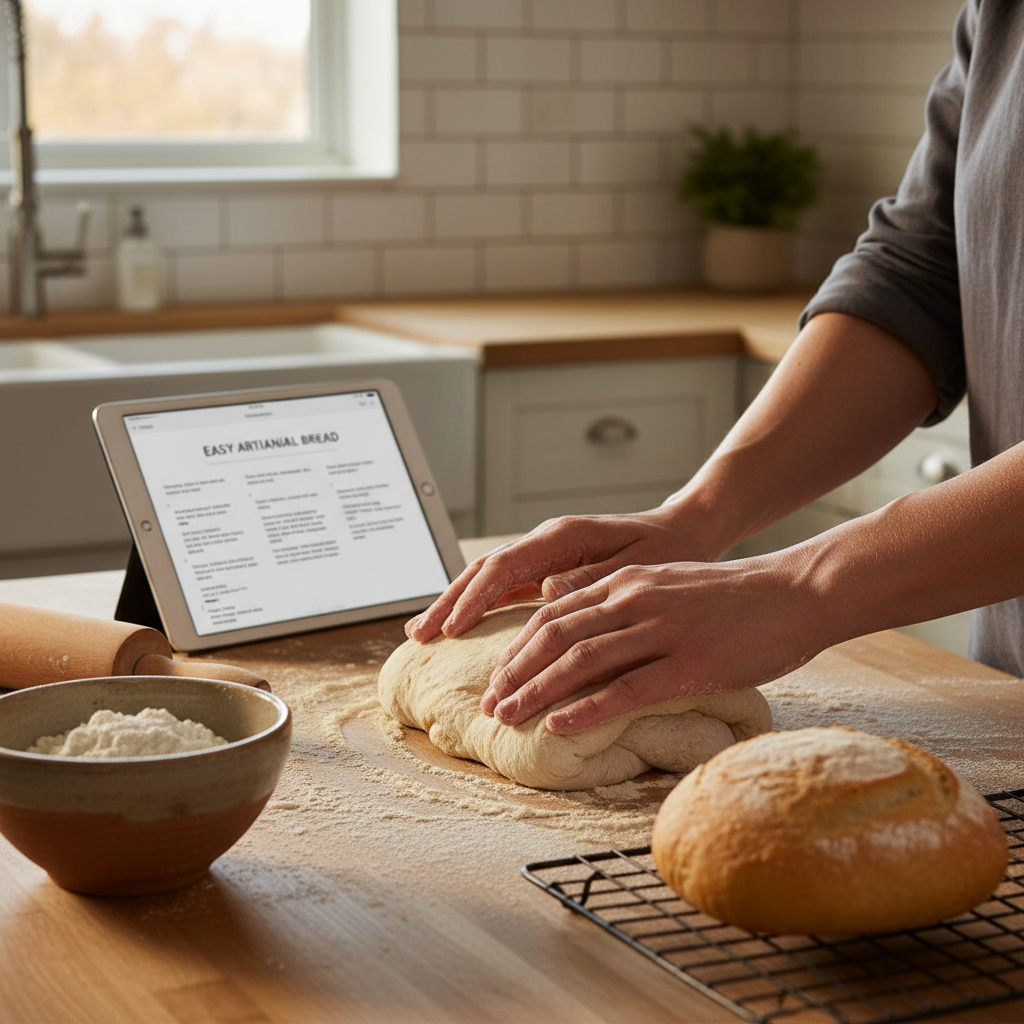
Breads and doughs are staple foods typically made from flour, water, and a leavening agent like yeast or baking soda. This ultimate guide uses AI to simplify baking, providing easy-to-follow recipes for beginners covering everything from quick banana bread and pizza dough to soft dinner rolls and no-knead artisan loaves.
Imagine your kitchen filled with the comforting aroma of freshly baked bread. For many, baking from scratch seems intimidating—a skill reserved for seasoned chefs. But what if you could bake with confidence? This guide shows you how simple and rewarding it is to create delicious loaves, pizzas, and pastries in your own home. It’s designed to make that dream a reality for beginners, busy families, and home cooks alike.
That’s where Recipe-GPT steps in. We use AI to transform mealtime decisions from stressful to simple. Our smart assistant generates quick, personalized recipes with clear, step-by-step guidance tailored to your skill level, available ingredients, and dietary preferences. Whether you’re craving the best banana bread recipe, a banana nut bread recipe easy enough for a weeknight, or a perfect homemade pizza, our AI provides the instructions to bake with confidence. You’ll discover just how simple an easy banana bread recipe can be and even learn to create a famously moist banana bread recipe with our help.
This article is your friendly guide to the world of homemade breads and doughs. We’ll show you how to create everything from crusty artisan loaves to fluffy dinner rolls, proving that delicious baking is within everyone’s reach. So, how can AI make your baking journey smoother and more enjoyable? Let’s explore how our intelligent companion simplifies every step, from ingredient suggestions to perfect baking tips.
Why Use AI for Your Bread and Dough Recipes?
Does baking bread and making dough from scratch seem intimidating? Many people find it too complex or time-consuming. However, AI can transform this experience by making homemade bread and dough accessible to everyone.
Our AI-powered platform removes the guesswork from baking by turning complex recipes into simple, enjoyable steps. Even if you’re a complete beginner, you can create delicious results with ease. The outcome is less stress in the kitchen and more fresh baked goods for your family to enjoy.
Personalized Recipes for Your Kitchen
Stop scrolling through endless generic recipes. Recipe-GPT uses AI to provide tailored suggestions that understand your unique needs and preferences. This ensures every recipe is a perfect fit for your lifestyle.
- Ingredients You Have: Simply tell Recipe-GPT what you have on hand. The AI can suggest an easy banana bread recipe using just two ripe bananas or help you make simple homemade cornbread with basic pantry staples.
- Dietary Needs: Are you looking for a gluten-free loaf? Or perhaps a vegan pastry? Our AI quickly filters recipes and suggests suitable substitutions for common ingredients like flour or dairy.
- Skill Level: New to baking? Recipe-GPT prioritizes beginner-friendly options, such as an easy no-knead bread recipe. It can also provide guidance on using specific tools, like a Dutch oven for achieving a perfect crusty bread.
Save Time and Effort with Smart Suggestions
Time is precious, especially for busy families. Our AI saves you time by speeding up your meal planning and baking prep with instant, practical solutions.
- Instant Recipe Ideas: No more wondering “what to bake?” Get quick banana bread ideas or simple pizza dough recipes in seconds.
- Easy Substitutions: Ran out of an ingredient? The AI suggests alternatives. This feature is a lifesaver, allowing you to make that moist banana bread recipe without a last-minute grocery run.
- Adjustable Serving Sizes: Need a smaller batch for yourself or a large one for a gathering? AI can scale recipes perfectly, adjusting ingredient quantities to prevent waste.
- Meal Planning Support: Plan your weekly baking with ease. Recipe-GPT helps you organize your schedule and discover new dishes efficiently, which significantly reduces mealtime stress.
Discover New Favorites and Build Confidence
Beyond just simplifying recipes, AI can also spark creativity in the kitchen. Recipe-GPT helps you explore a world of new flavors and build your confidence as a baker.
- Explore Variations: Ever thought about adding nuts to your banana bread? The AI can suggest an easy-to-follow banana nut bread recipe or offer other fresh ideas for your favorite doughs.
- Try New Things: From simple homemade bagels to fluffy dinner rolls, our AI guides you by breaking down complex processes into manageable steps. This helps you build confidence with every bake.
- Consistently Delicious Results: By providing clear, step-by-step instructions, our AI ensures you get consistent, tasty outcomes. It turns baking uncertainty into a confident and enjoyable experience.
With Recipe-GPT, baking breads and doughs becomes a joyful journey. It’s tailored, fast, and incredibly rewarding. Start your baking adventure today!
What are the ingredients needed for bread?
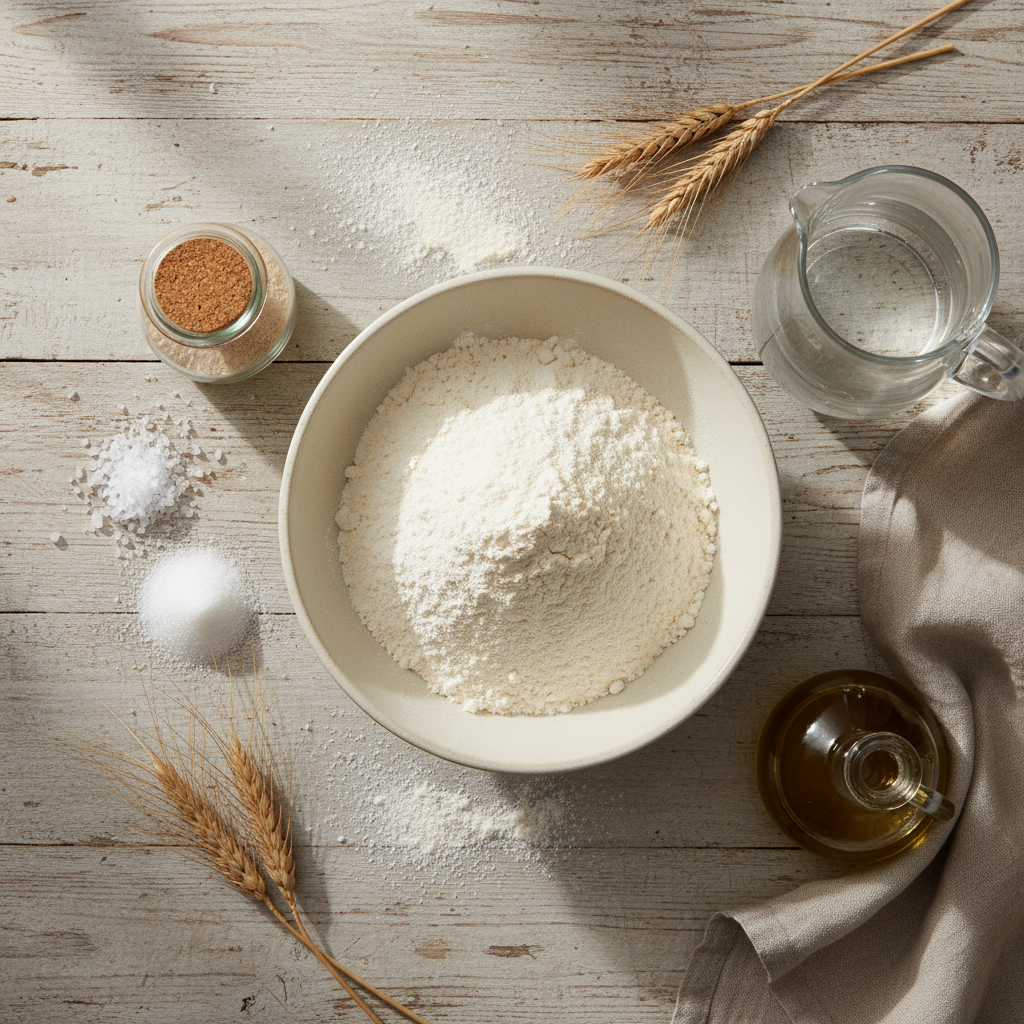
The Core Four: Flour, Water, Yeast, and Salt
Making bread can seem complex, but it often relies on just four basic ingredients. These “core four” form the foundation of most traditional breads.
Understanding the vital role of each ingredient makes baking much simpler. Recipe-GPT can also help you find recipes that use exactly what you have on hand.
- Flour: Flour provides the main structure of your bread. All-purpose flour is great for many recipes, while bread flour offers more protein for a chewier texture [1]. Whole wheat flour adds nutrition and a denser crumb.
- Water: Water hydrates the flour to help form the dough and activates the yeast. Using the right amount is crucial for achieving the perfect texture.
- Yeast: As a living organism, yeast makes bread rise by producing carbon dioxide gas. Active dry and instant yeast are common types used in baking. Without it, you’d be making flatbreads or quick breads.
- Salt: Salt does more than just add flavor—it also strengthens the gluten in the flour, helping the dough hold its shape. Salt also controls yeast activity, but be careful, as too much can stop your bread from rising.
Common Additions: Sugar, Fat, Eggs, and Flavorings
Beyond the core four, many recipes call for extra ingredients to enhance taste, texture, and appearance. These additions can transform a basic dough into a unique and delicious loaf.
Consider these common elements for richer, sweeter, or more tender loaves. You can also use Recipe-GPT to explore variations based on these additions.
- Sugar: A touch of sugar not only adds sweetness but also helps the crust brown beautifully. As food for yeast, it aids in a good rise, which is key for recipes like easy banana bread.
- Fat (Butter, Oil, Lard): Fats like butter, oil, or lard make bread tender, moist, and flavorful. Butter is common in dinner rolls, while oil works well for focaccia. Fat also helps extend the bread’s shelf life.
- Eggs: Eggs add richness, a golden color, and contribute to a softer crumb. They also provide protein, which gives the bread a more substantial structure.
- Flavorings: This broad category includes everything from spices like cinnamon and herbs like rosemary to cheese, dried fruits, and nuts. For instance, walnuts or pecans are often found in delicious banana nut bread recipes. These extras are a great way to personalize your bread.
How AI Helps with Ingredient Substitutions
Whether you’ve run out of a pantry staple or have specific dietary needs, Recipe-GPT is here to help. Our AI-powered tool makes ingredient management effortless.
Instead of searching endlessly for substitutions, let our AI do the work. It simplifies meal planning and helps you cook with confidence.
- Generate Recipes from What You Have: Simply tell Recipe-GPT what ingredients you have, and our AI will instantly suggest tailored recipes. For example, if you have ripe bananas, flour, and sugar, it can generate an easy banana bread recipe for you.
- Provide Smart Substitutions: Missing an ingredient? Recipe-GPT can suggest practical alternatives. If you’re out of active dry yeast, it might suggest a no-knead bread variation or a quick bread recipe that uses baking powder instead. [2]
- Adjust for Dietary Needs: Recipe-GPT can adapt recipes to fit your dietary needs, whether you need a gluten-free flour blend or a dairy-free fat. This means you get personalized meal ideas, every time.
- Simplify Meal Planning: Our AI helps you use ingredients efficiently, transforming random pantry items into delicious, cohesive meals. This saves time, reduces food waste, and provides quick, practical solutions for every meal.
How to Bake Easy Quick Breads (No Yeast Needed)
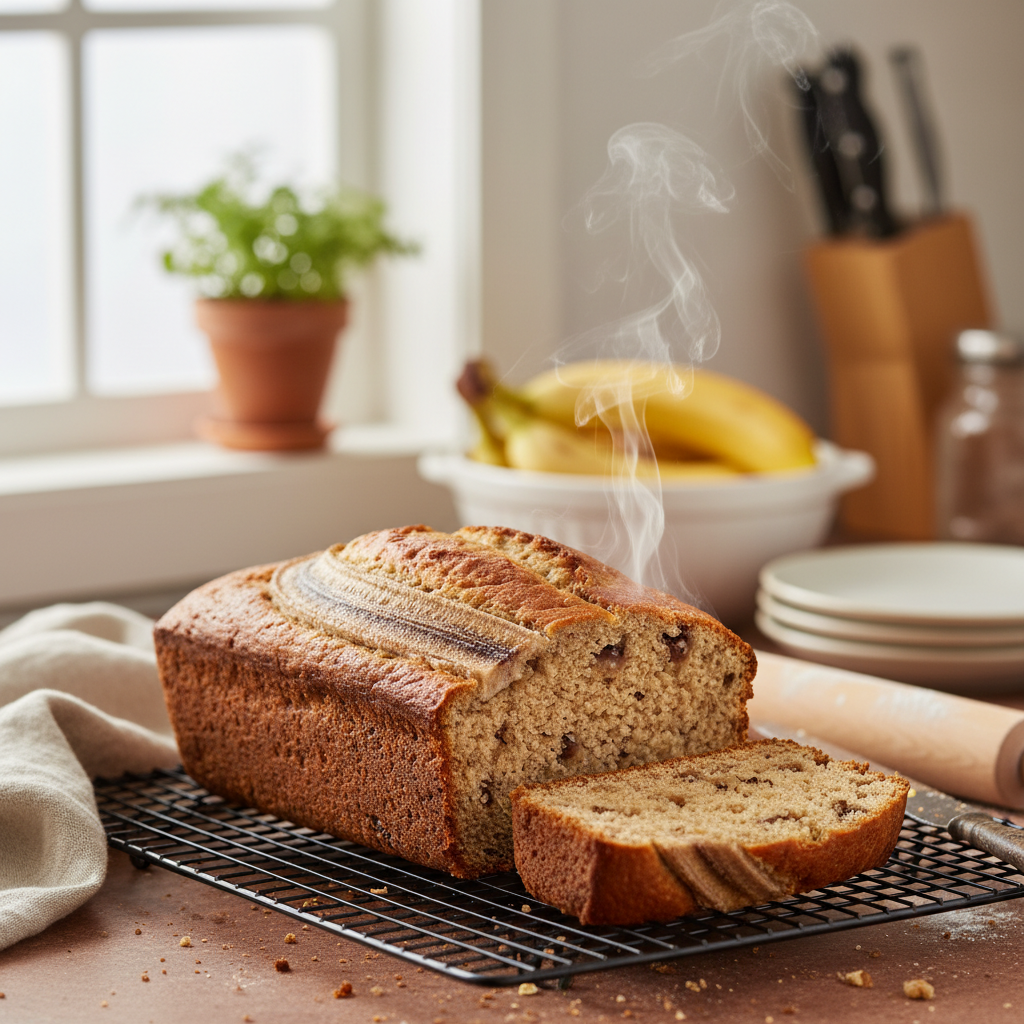
Want to bake delicious bread without waiting for yeast to rise? Quick breads, which use baking soda or baking powder for leavening, are the perfect solution. They deliver fast results for any schedule.
Recipe-GPT makes baking quick breads even easier. Our AI helps you customize recipes by adjusting for ingredients on hand, catering to dietary needs, or even suggesting perfect food pairings.
Here’s how AI enhances your quick bread experience:
- Ingredient Swaps: Need to use whole wheat flour or a different fat? Recipe-GPT suggests smart, reliable substitutions.
- Dietary Adjustments: Easily convert recipes to be gluten-free, dairy-free, or lower in sugar.
- Flavor Variations: Discover new add-ins to inspire your baking, such as nuts, fruits, or spices.
- Scaling Recipes: Effortlessly adjust serving sizes, whether you need a small batch or enough for a crowd.
The Easiest Moist Banana Bread Recipe
A classic for a reason, banana bread is the perfect easy recipe for using overripe bananas. This recipe guarantees a perfectly moist loaf every time.
With Recipe-GPT, you can turn those extra bananas into a personalized treat. Our AI can adapt the recipe for a different number of bananas or suggest adding ingredients like chocolate chips.
Ingredients:
- 1 ¾ cups all-purpose flour
- 1 teaspoon baking soda
- ½ teaspoon salt
- ½ cup unsalted butter, softened
- ¾ cup granulated sugar
- 2 large eggs
- 1 teaspoon vanilla extract
- 3 very ripe medium bananas, mashed
- Optional: ½ cup chopped walnuts or chocolate chips
Instructions:
- Preheat oven to 350°F (175°C). Grease and flour a 9×5-inch loaf pan.
- In a medium bowl, whisk together the flour, baking soda, and salt. Set aside.
- In a large bowl, cream the softened butter and sugar together until light and fluffy.
- Beat in the eggs one at a time, then stir in the vanilla extract.
- Add the mashed bananas to the wet ingredients and mix until just combined.
- Gradually add the dry ingredients to the wet mixture, stirring until just moistened. Be careful not to overmix.
- Fold in optional walnuts or chocolate chips.
- Pour the batter into the prepared loaf pan.
- Bake for 55-65 minutes. A wooden skewer inserted into the center should come out clean.
- Let the bread cool in the pan for 10 minutes before transferring it to a wire rack to cool completely.
Recipe-GPT Tip: If you only have two bananas, Recipe-GPT can adjust the flour and sugar ratios to ensure your banana bread remains perfectly balanced and delicious.
Simple & Sweet Homemade Cornbread
Warm, crumbly cornbread is a delightful side dish for chili or soup, and it’s also a perfect snack with a dollop of honey. This quick and easy recipe is always a crowd-pleaser.
With Recipe-GPT, you can explore countless cornbread variations. Our AI can suggest savory additions like cheddar and jalapeños or sweet enhancements like honey and maple syrup.
Ingredients:
- 1 ½ cups all-purpose flour
- 1 cup yellow cornmeal
- ⅓ cup granulated sugar (adjust to taste)
- 1 tablespoon baking powder
- ½ teaspoon salt
- 1 cup milk
- ½ cup vegetable oil (or melted butter)
- 1 large egg
Instructions:
- Preheat oven to 400°F (200°C). Lightly grease an 8×8-inch baking pan or a 9-inch cast-iron skillet.
- In a large bowl, whisk together the flour, cornmeal, sugar, baking powder, and salt.
- In a separate medium bowl, whisk together the milk, oil, and egg.
- Pour the wet mixture into the dry ingredients and stir until just combined. A few lumps are fine; do not overmix.
- Pour the batter into your prepared pan.
- Bake for 20-25 minutes, or until the top is golden brown and a wooden skewer inserted into the center comes out clean.
- Let the cornbread cool slightly before slicing and serving.
Recipe-GPT Tip: For a richer flavor, swap vegetable oil for melted butter. Recipe-GPT can also suggest a gluten-free flour blend for this recipe if needed.
Beginner-Friendly Scone Recipes
Wonderfully versatile, scones are a perfect quick bread for breakfast, brunch, or afternoon tea. This simple recipe creates tender, flaky results with minimal effort.
Recipe-GPT makes it easy to customize your scones. Add your favorite fruits and spices, or explore savory versions to personalize your baking.
Ingredients:
- 2 cups all-purpose flour
- ⅓ cup granulated sugar
- 1 tablespoon baking powder
- ½ teaspoon salt
- ½ cup cold unsalted butter, cut into small pieces
- ⅔ cup milk (plus 1-2 tablespoons for brushing)
- Optional: ½ cup dried cranberries or chocolate chips
Instructions:
- Preheat oven to 400°F (200°C). Line a baking sheet with parchment paper.
- In a large bowl, whisk together the flour, sugar, baking powder, and salt.
- Cut the cold butter into the dry ingredients using a pastry blender or your fingertips until the mixture resembles coarse crumbs.
- Stir in any optional dried cranberries or chocolate chips.
- Pour in the milk and mix gently with a fork until a shaggy dough forms. Be careful not to overmix.
- Turn the dough onto a lightly floured surface and gently pat it into an 8-inch circle, about ¾-inch thick.
- Using a sharp knife or bench scraper, cut the circle into 8 wedges.
- Place the scones on the prepared baking sheet. For a golden finish, brush the tops with a little extra milk.
- Bake for 15-18 minutes, or until golden brown and cooked through.
- Serve warm with jam, clotted cream, or butter.
Recipe-GPT Tip: For savory scones, omit the sugar and add shredded cheese and chopped herbs. Our AI can generate countless variations based on your pantry.
Classic Homemade Buttermilk Biscuits
Fluffy, flaky buttermilk biscuits are a comforting classic that tastes much better than store-bought versions. They’re surprisingly simple to make from scratch for breakfast or as a dinner side.
Recipe-GPT can help you perfect your technique. Our AI offers tips for extra flakiness and suggests delicious variations like cheddar garlic or sweet cinnamon sugar.
Ingredients:
- 2 cups all-purpose flour
- 1 tablespoon baking powder
- ½ teaspoon baking soda
- 1 teaspoon salt
- ½ cup cold unsalted butter, cut into small pieces
- ¾ cup cold buttermilk (plus more if needed)
Instructions:
- Preheat oven to 425°F (220°C). Line a baking sheet with parchment paper.
- In a large bowl, whisk together the flour, baking powder, baking soda, and salt.
- Cut the cold butter into the flour mixture using a pastry blender or your fingertips until it forms pea-sized crumbs.
- Pour in the cold buttermilk and stir gently with a fork until a shaggy dough forms. Do not overmix.
- Turn the dough onto a lightly floured surface. Gently pat or roll the dough to about ½ to ¾-inch thickness.
- Using a 2-inch round biscuit cutter, press straight down—without twisting—to cut out the biscuits for the best rise.
- Gather the scraps, pat them together gently, and cut out any remaining biscuits.
- Place the biscuits on the prepared baking sheet. For softer sides, place them close together; for crispier sides, space them apart.
- Bake for 12-15 minutes, until the tops are golden brown.
- Serve warm with butter, jam, or gravy.
Recipe-GPT Tip: No buttermilk? Recipe-GPT can suggest a simple DIY substitute. Just combine regular milk with a tablespoon of lemon juice or white vinegar and let it sit for 5 minutes [3].
How to Master Simple Yeast Breads

Your First Loaf: Easy No-Knead Bread
Starting your yeast bread journey can feel daunting, but no-knead bread is the perfect first step. This simple method uses time, not muscle, to develop incredible flavor and texture with minimal effort. The result is a loaf with a wonderfully crusty exterior and a soft, airy interior.
The beauty of this recipe lies in its simplicity: just mix a few basic ingredients, and then let time do the hard work. This allows the yeast to slowly ferment and build complex flavors. Plus, you don’t need any special equipment beyond a bowl and a Dutch oven for baking.
Just follow these simple steps:
- Mix Ingredients: Combine flour, water, yeast, and salt in a bowl. Mix until just shaggy.
- First Rise: Cover the bowl and let it sit at room temperature for 12-18 hours. This long rest is crucial for developing the bread’s amazing flavor and texture.
- Shape & Rest: Gently turn the dough onto a floured surface. Fold it a few times to form a ball, then let it rest for a short period.
- Preheat Oven & Dutch Oven: Place your Dutch oven with its lid into a cold oven and heat both to a high temperature.
- Bake: Carefully transfer the dough into the hot Dutch oven [4]. Bake with the lid on first, then remove the lid for the last part of baking to create that perfect, crispy crust.
Want to experiment with flavors? Recipe-GPT makes it easy. Simply tell our AI what ingredients you have—for example, “no-knead bread with rosemary” or “no-knead bread with cheese”—and it will instantly generate personalized variations. This makes discovering new twists on a classic effortless.
This method saves time and builds confidence, allowing you to create a professional-looking loaf with minimal fuss. It’s the ideal way to master simple yeast breads.
Perfect Homemade Pizza Dough from Scratch
Imagine fresh, warm pizza dough right from your kitchen—it’s easier than you think! Making your own dough is a fun process that gives you total control over your pizza’s taste and texture. Our AI can guide you through every step to ensure success.
Yeast is the magical ingredient that makes your dough rise and gives it a wonderful texture. Don’t worry about complicated techniques; we keep it simple for beginners.
Here’s how to make delicious pizza dough:
- Activate Yeast: Combine warm water, yeast, and a pinch of sugar. Let it sit for a few minutes until it becomes foamy, which shows the yeast is active.
- Mix Ingredients: Add flour, salt, and olive oil to the yeast mixture. Mix until a shaggy dough forms.
- Knead: Turn the dough onto a floured surface and knead for about 5-7 minutes, until it becomes smooth and elastic.
- First Rise: Place the dough in an oiled bowl, cover it, and let it rise in a warm place for 60-90 minutes, or until it has doubled in size.
- Shape & Bake: Gently punch down the dough and shape it into your desired pizza crust. Add your favorite toppings and bake!
Recipe-GPT takes the guesswork out of pizza night by suggesting endless topping combinations. Just ask for “pizza toppings with pepperoni and mushrooms” or “vegan pizza ideas.” Our AI can also adjust the recipe for a thin or thick crust and even suggest ways to use ingredients you already have, making meal planning faster and more creative.
Say goodbye to generic takeout. With Recipe-GPT, homemade pizza becomes an easy, personalized meal.
Soft and Fluffy Dinner Rolls
Few things are as comforting as warm, homemade dinner rolls. These soft, pillowy breads are perfect for any meal and surprisingly easy to make. Learning this simple recipe will bring a cozy touch to your table.
The key to fluffy rolls is proper yeast activation and a gentle touch. Our clear instructions make the process simple, so you’ll master the technique in no time.
Follow these steps for irresistible dinner rolls:
- Proof Yeast: Combine warm milk, sugar, and yeast. Let it sit until foamy.
- Mix Dough: Add melted butter, eggs, flour, and salt. Mix until a soft dough forms.
- Knead: Knead the dough for 5-8 minutes until it is smooth and elastic.
- First Rise: Place the dough in an oiled bowl, cover, and let rise for about 1-1.5 hours, or until doubled in size.
- Shape Rolls: Gently divide the dough into equal pieces and shape each into a smooth ball.
- Second Rise: Arrange rolls in a baking pan, cover, and let them rise again for 30-45 minutes, until they look puffy.
- Bake: Bake until golden brown. For extra shine and flavor, brush with melted butter right after baking.
Recipe-GPT can help you customize your rolls. Ask our AI for variations like garlic-herb rolls, or tell it to adjust serving sizes for a large family. It can also suggest healthier swaps or gluten-free alternatives, making meal prep simple and tailored to your needs.
From simple ingredients to a warm basket of rolls, Recipe-GPT makes homemade baking a joy. Enjoy fresh, personalized baked goods with ease.
Simple Homemade Bagels
Craving a chewy, fresh bagel? Making them at home is a rewarding experience that’s more straightforward than you might think. Homemade bagels offer a superior flavor and texture that store-bought versions simply can’t match.
The secret to a classic bagel’s chewiness is a quick boil before baking. This step sets the crust and creates that unique texture, so don’t skip it!
Here’s how to make your own delicious bagels:
- Activate Yeast: Mix warm water, yeast, and malt syrup (or honey/sugar), and let it bloom.
- Form Dough: In a separate bowl, combine the flour and salt. Add the yeast mixture, then mix and knead until the dough is smooth and firm.
- First Rise: Place the dough in an oiled bowl, cover, and refrigerate overnight (8-12 hours). This slow, cold rise is key for developing flavor.
- Shape Bagels: Divide the chilled dough. Roll each piece into a rope and form a ring, or poke a hole in the center of each ball and stretch.
- Boil Bagels: Bring a large pot of water to a boil, adding a touch of malt syrup or baking soda [5]. Gently drop the bagels into the boiling water and cook for 30-60 seconds per side.
- Add Toppings & Bake: Remove the bagels from the water and place them on a baking sheet. Add desired toppings, like sesame seeds or everything bagel seasoning, then bake until golden brown.
Recipe-GPT can enhance your bagel-making experience by suggesting different toppings, from savory to sweet. You can ask our AI for flour substitutions to make whole wheat bagels or get guidance for creating unique bagel sandwiches. Enjoy personalized breakfast inspiration every day.
With Recipe-GPT, you can easily create bakery-quality bagels right in your own kitchen. Fresh, warm, and perfectly chewy every time.
Easy Focaccia Bread with Topping Ideas
Focaccia is a rustic Italian flatbread known for its dimpled surface and rich olive oil flavor. Incredibly versatile and surprisingly easy to make, it’s perfect for dipping, sandwiches, or as a side dish.
The key to great focaccia is a generous amount of olive oil and a good rise. Our simple steps ensure a light, airy texture with a crisp bottom.
Let’s make some amazing focaccia:
- Activate Yeast: Combine warm water, sugar, and yeast. Let it sit until foamy.
- Mix Dough: Add flour, salt, and olive oil to the yeast mixture. Mix until a shaggy dough forms.
- First Rise: Transfer the dough to an oiled bowl, cover, and let it rise for 1-1.5 hours, or until doubled in size.
- Transfer to Pan: Gently spread the dough into a well-oiled baking pan. Use your fingertips to create deep dimples across the surface.
- Second Rise: Drizzle with more olive oil, cover, and let rise again for 30-45 minutes.
- Top & Bake: Add your desired toppings, then bake until golden brown and fragrant.
This is where Recipe-GPT truly shines. Our AI excels at suggesting creative topping ideas based on your preferences or available ingredients. Just tell it what you have, and it will generate delicious combinations, transforming simple ingredients into personalized culinary delights.
Consider these popular topping ideas:
- Classic: Rosemary and coarse sea salt.
- Savory: Cherry tomatoes, olives, and feta cheese.
- Herby: Thyme, oregano, and garlic slices.
- Spicy: Red pepper flakes and thinly sliced onions.
- Mediterranean: Sun-dried tomatoes and artichoke hearts.
Recipe-GPT makes meal planning with focaccia fun and effortless. You can quickly discover new flavor pairings and enjoy fresh, customized bread for any occasion—all with the help of AI.
What Savory and Sweet Recipes Use Puff Pastry?
Quick Puff Pastry Dessert Ideas
Puff pastry is a true kitchen hero. Though it looks fancy, it’s incredibly simple to use for a quick dessert. This versatile dough transforms into elegant treats with minimal effort, and Recipe-GPT can help you generate personalized ideas in seconds.
Think of it as your shortcut to deliciousness. With a sheet of ready-made puff pastry from the fridge or freezer, you are just minutes away from a sweet creation. Simply tell Recipe-GPT what you have, like “puff pastry and apples” or “puff pastry and chocolate chips,” and our AI will instantly suggest ideas tailored to your ingredients.
Here are some simple puff pastry desserts to get you started:
- Fruit Tarts or Turnovers: Cut puff pastry into squares or circles. Fill them with fruit pie filling, fresh berries, or sliced apples mixed with cinnamon and sugar. Fold, crimp the edges, and bake until golden.
- Chocolate Twists or Croissants: Spread a thin layer of Nutella or sprinkle chocolate chips onto a pastry sheet. Fold it in half, cut into strips, and twist. You can also roll squares around chocolate pieces to make quick “croissants.”
- Cinnamon Sugar Palmiers: Sprinkle puff pastry with cinnamon sugar. Roll both ends towards the middle to create a heart shape, then slice and bake for a delightful, crispy cookie.
- Berry and Cream Cheese Pastries: Spread a mixture of softened cream cheese and sugar onto pastry squares. Top with your favorite berries and bake.
Recipe-GPT can also suggest different fruit combinations or spice blends for these recipes. If you have dietary needs, it can recommend adjustments like sugar-free fillings or gluten-free puff pastry, making your baking easy and personal.
Easy Puff Pastry Sausage Rolls
Puff pastry isn’t just for sweets; it’s also perfect for savory snacks and light meals. Classic sausage rolls are a great example because they’re easy to make, always a crowd-pleaser, and simple to customize with Recipe-GPT.
Making these savory treats is surprisingly simple. You just combine sausage meat with seasonings, wrap it in puff pastry, and bake. In fact, many variations exist globally, from the UK’s traditional sausage rolls to Australia’s popular versions [6].
Ready to try them? Here’s a basic, beginner-friendly method:
- Prepare the Filling: In a bowl, mix 1 pound of uncooked sausage meat with finely chopped onion, a pinch of salt, pepper, and a dash of dried herbs like sage or thyme.
- Roll the Pastry: Lay out a sheet of thawed puff pastry and cut it in half lengthwise, creating two long rectangles.
- Assemble: Shape the sausage mixture into two long cylinders. Place one cylinder down the center of each pastry rectangle, leaving a border along one long edge.
- Roll and Seal: Brush the border with beaten egg. Roll the pastry over the filling and press to seal the edge, creating a long log.
- Slice and Bake: Cut each log into 1.5- to 2-inch individual rolls. Place them seam-side down on a baking sheet and brush the tops with more egg for a golden finish.
- Bake: Bake in a preheated 400°F (200°C) oven for 20-25 minutes, or until the pastry is puffed and golden and the sausage is cooked through.
Recipe-GPT can help elevate this basic recipe. Ask for variations like adding cheese, using different spices, or making vegetarian sausage rolls with plant-based mince. It can also adjust serving sizes for family meals or party platters, providing quick and practical meal ideas with AI assistance.
How to Tackle Other Popular Homemade Breads
Beginner’s Guide to Sourdough Bread
Sourdough bread can seem intimidating, but the process is deeply rewarding. With Recipe-GPT, you can demystify this artisan bread and tackle the process with confidence.
Understanding Your Sourdough Starter
The heart of sourdough is your “starter,” a living culture of wild yeast and bacteria. It gives sourdough its unique flavor and leavening power, so maintaining a healthy starter is key.
- Feeding Schedule: To keep your starter active and ready for baking, Recipe-GPT can generate personalized feeding reminders.
- Discard Recipes: Don’t waste your discard! Our AI suggests creative recipes for using it in pancakes, crackers, or even waffles.
Making Your First Sourdough Loaf
Many beginner sourdough recipes use a “no-knead” or “stretch and fold” method, which simplifies the process greatly and helps you achieve a beautiful, tangy loaf.
Recipe-GPT provides clear, step-by-step instructions to guide you from mixing to baking, ensuring you get a perfect crust and a soft, airy crumb.
- Personalized Guidance: Adjust proofing times based on your specific kitchen temperature.
- Ingredient Variations: Explore different flours like whole wheat or rye, and our AI can tailor the recipe for you.
- Troubleshooting Tips: Get instant advice if your dough isn’t rising correctly.
The Best Homemade Garlic Bread
Garlic bread is a universal crowd-pleaser that is incredibly simple to make at home. You can create a side dish that outshines any restaurant version, and Recipe-GPT helps you personalize it instantly.
Crafting Your Garlic Butter
The secret to amazing garlic bread is rich garlic butter, which only needs a few staple ingredients.
- Ingredients:
- Softened butter
- Minced garlic (fresh is best!)
- Fresh parsley (or dried)
- A pinch of salt
- Easy Customization: For extra flavor, Recipe-GPT can suggest herb combinations like chives, oregano, or a touch of red pepper flakes for heat.
Choosing and Preparing Your Bread
Any good quality bread can become garlic bread. Consider these popular options:
- French Baguette: This classic choice offers a crispy texture when sliced lengthwise for easy spreading.
- Italian Loaf: A great option for a softer interior.
- Ciabatta: Known for its airy, open texture.
- Everyday Sandwich Bread: Works well for quick, individual servings.
Based on what you have on hand and your desired texture, our AI can recommend the best bread type for your needs.
Baking to Perfection
Once you spread the butter, bake until golden. For an extra-rich treat, add a sprinkle of mozzarella or Parmesan cheese. Recipe-GPT can even suggest cheese pairings to create the perfect garlic bread tailored to your taste.
Fun to Make: Soft Pretzel Recipe
Soft pretzels are a delightful snack and are surprisingly fun to make at home. With Recipe-GPT, their distinctive chewy crust and soft interior are simple and enjoyable to achieve.
The Signature Pretzel Dough
The base of your pretzels is a basic yeast dough, similar to pizza dough. A crucial step, however, is what gives pretzels their classic texture.
- Simple Ingredients: Flour, water, yeast, sugar, and salt are all you need.
- Easy Kneading: Our AI-guided recipes often simplify the kneading process, saving you time and effort.
The Alkaline Bath Secret
The key to a pretzel’s golden-brown crust and unique flavor is a quick dip in a baking soda solution before baking. This alkaline bath causes a chemical reaction that creates the unmistakable pretzel taste and chew [7].
Recipe-GPT will guide you through this step to ensure you achieve perfect results every time.
Customizing Your Pretzels with AI
Once baked, you can personalize your pretzels. Recipe-GPT offers countless topping and dipping ideas:
- Classic: Coarse sea salt.
- Savory: Everything bagel seasoning, grated Parmesan, garlic powder.
- Sweet: Cinnamon sugar, drizzled chocolate, powdered sugar.
- Dips: Mustard, cheese sauce, or even cream cheese frosting for sweet pretzels.
Our AI can generate variations based on your preferences or available ingredients.
Easy Homemade Donuts
Imagine warm, fresh donuts made easily in your own kitchen. Homemade donuts are a special treat, and Recipe-GPT makes the process straightforward, so you can enjoy bakery-quality results without the fuss.
Choosing Your Donut Type
Most homemade donut recipes fall into two categories:
- Yeast Donuts: These are light, airy, and fluffy. They require rising time, but the texture is worth the wait.
- Cake Donuts: Denser and quicker to make, these donuts use baking powder for leavening.
Recipe-GPT can help you choose by recommending recipes based on your available time and desired texture.
Simple Steps for Delicious Dough
Whether you choose yeast or cake, donut dough is approachable:
- Mix Ingredients: Combine flour, sugar, eggs, milk, and butter.
- Knead (if yeast): A short knead develops the gluten for a chewy texture.
- Rise (if yeast): Allow time for the dough to double in size.
- Roll and Cut: Use a donut cutter or two different-sized round cutters.
Frying or Baking?
Traditionally, donuts are fried, but baking them is a lighter option. Recipe-GPT can provide instructions for both methods and suggest the best technique for your equipment.
- Frying Tips: Keep the oil at a consistent temperature (around 350-375°F or 175-190°C) and fry until golden brown.
- Baking Tips: Use a donut pan for the best results and bake until lightly golden.
AI for Glazes and Toppings
The most fun part is decorating! Recipe-GPT offers endless ideas:
- Classic Glaze: Powdered sugar, milk, and vanilla extract.
- Chocolate Glaze: A rich glaze using melted chocolate or cocoa powder.
- Sugar Coatings: Cinnamon sugar or plain granulated sugar.
- Creative Toppings: Sprinkles, chopped nuts, or shredded coconut.
Tell our AI what you like, and it will generate personalized topping suggestions to help you create your perfect donut.
Crusty Homemade French Bread
Achieving a crusty, airy French baguette at home is a culinary triumph that is simpler than you might think. With Recipe-GPT, you can master the techniques required to create bakery-quality loaves every time.
The Essence of French Bread
Authentic French bread relies on minimal ingredients, so the focus is on technique to achieve its characteristic texture. You only need:
- Flour
- Water
- Yeast
- Salt
Because the ingredient list is so short, the quality of each one matters. Our AI can guide you in selecting the best options.
Key Techniques for a Perfect Crust
Two main elements contribute to French bread’s iconic crust:
- High Heat Baking: A very hot oven helps the crust develop quickly.
- Steam: Introducing steam at the start of baking keeps the crust soft initially, allowing the loaf to expand before it crisps up beautifully as the steam dissipates [8].
Recipe-GPT provides detailed instructions to help you create the ideal steamy environment in your home oven.
Shaping Your Loaf
Shaping is crucial for French bread, as a tight, even form helps the loaf rise properly and creates a beautiful appearance. To ensure success for beginners, our AI includes visual guides and simplified instructions for shaping.
AI for Pairing and Variations
Once you’ve mastered the basic French bread, you can explore variations. Recipe-GPT offers ideas for serving and enhancing your loaf:
- Perfect Pairings: French bread is ideal with soups, stews, or cheese boards.
- Garlic & Herb: Easily turn your loaf into a savory side dish.
- Bruschetta Base: Slice and toast for delicious appetizers.
- Dietary Adjustments: Find options for gluten-free flours or whole grain blends.
Our AI delivers tailored suggestions to ensure your French bread always fits your meal plan.
Frequently Asked Questions about Breads and Doughs
What are the 4 ingredients in banana bread?
Many “quick” recipes promise a 4-ingredient banana bread, but they usually rely on a pre-made mix. A classic, homemade banana bread requires a few more staples to achieve its signature flavor and texture. Ultimately, though, the most important ingredient is the bananas!
A traditional, moist, and delicious banana bread recipe usually includes:
- Overripe Bananas: The star ingredient, providing natural sweetness and moisture.
- Flour: The structural base, usually all-purpose flour.
- Sugar: Adds sweetness and helps with browning.
- Egg: Acts as a binder, holding everything together.
- Fat: Butter or oil contributes to moisture and richness.
- Leavening Agent: Baking soda or baking powder helps the bread rise.
- Salt: Balances the sweetness and enhances flavor.
Recipe-GPT can generate a personalized banana bread recipe for you in seconds. For example, tell it you only have two bananas, and it will suggest an easy, beginner-friendly recipe. You can also ask for a simple “banana nut bread” version or request ingredient substitutions for your specific needs.
What is the easiest bread for a beginner to make?
For beginners, the easiest breads to make are often no-knead breads or quick breads. They require minimal hands-on time and fewer complex techniques, making them perfect for building confidence in the kitchen.
Our top recommendations for easy beginner breads include:
- No-Knead Bread: This method is a true game-changer. Instead of kneading, it uses a long fermentation period to develop flavor. You simply mix the ingredients, let the dough rest, and then bake it in a Dutch oven for a fantastic crust. This recipe is incredibly forgiving and yields professional-looking results [9].
- Banana Bread: As mentioned above, banana bread is a straightforward quick bread. It doesn’t require yeast or kneading, so the ingredients come together fast. The result is always a comforting, moist treat.
- Cornbread: Quick and satisfying, cornbread mixes easily and bakes quickly. It’s a perfect and versatile side dish.
- Biscuits or Scones: These quick breads also rely on baking powder or soda for their rise. They come together quickly and are great for breakfast or brunch.
Recipe-GPT simplifies your baking journey. Just ask for an “easy bread for a beginner,” and it will deliver clear, step-by-step instructions. This helps ensure your first baking attempts are successful and enjoyable.
Can you make pizza dough without yeast?
Yes, you can absolutely make pizza dough without yeast. Just know that the texture will be different from a traditional crust. Yeast-free dough won’t have the same chewy, airy rise because yeast is what creates that classic texture and flavor.
What to expect from yeast-free pizza dough:
- No Rise: Without yeast, the dough won’t become light and fluffy.
- Crispier Texture: You’ll likely get a thinner, cracker-like, or biscuit-style crust.
- Faster Prep: A huge advantage is that there’s no waiting time for the dough to rise, making it a truly “quick pizza dough” option.
How to make yeast-free pizza dough:
Instead of yeast, you’ll use a chemical leavening agent like baking powder or baking soda. These ingredients create bubbles when wet and heated, providing some lift. A common recipe involves flour, water, oil, salt, and baking powder. You simply mix, roll, top, and bake.
Recipe-GPT is your go-to for quick solutions. Ask for a “pizza dough without yeast” recipe, and it will generate one instantly. It can also suggest toppings or provide dietary adjustments to personalize your meal.
Sources
- https://www.kingarthurbaking.com/blog/2018/03/27/whats-the-difference-between-bread-flour-and-all-purpose-flour
- https://www.thekitchn.com/the-easy-way-to-substitute-baking-soda-baking-powder-200547
- https://www.thekitchn.com/how-to-make-a-buttermilk-substitute-cooking-lessons-from-the-kitchn-185750
- https://www.kingarthurbaking.com/recipes/no-knead-crusty-white-bread-recipe
- https://www.bonappetit.com/recipe/bas-best-bagels
- https://www.tasteatlas.com/most-popular-savory-pastries-in-the-world
- https://www.seriouseats.com/the-best-homemade-soft-pretzels-recipe
- https://www.kingarthurbaking.com/blog/2017/04/10/how-to-bake-with-steam
- https://www.nytimes.com/2006/11/08/dining/081mllek.html
Leave a Reply