Category: Breads and Doughs

  • The Ultimate Easy Bread Recipe: A Beginner’s Guide to Perfect Homemade Loaves

    The Ultimate Easy Bread Recipe: A Beginner’s Guide to Perfect Homemade Loaves

    The easiest bread recipe for beginners typically involves four basic ingredients: flour, water, yeast, and salt. This simple, often no-knead, method requires mixing the ingredients, allowing the dough to rise until doubled in size, shaping it into a loaf, and baking it in a preheated oven. The result is a delicious homemade bread with a crispy crust and a soft, airy interior.

    Imagine the comforting aroma of freshly baked bread filling your kitchen. Picture a warm, soft loaf, ready to be sliced. For many, the idea of baking bread from scratch feels intimidating—a complex culinary challenge reserved for experienced bakers. But what if we told you that making delicious homemade bread could be incredibly simple, even for a complete beginner?

    This article is your friendly guide to an easy bread recipe that requires minimal effort for maximum satisfaction. We know that deciding what to bake can feel overwhelming, which is why Recipe-GPT is here to be your smart assistant, simplifying every step. Forget complicated techniques. With a little help from AI, you’ll discover how accessible and rewarding baking your own yeast bread recipes can be as you turn fresh ingredients into a perfect loaf.

    Get ready to transform basic ingredients into a wonderfully fragrant and perfectly textured homemade bread. We’ll walk you through every step of this truly simple recipe, from activating the yeast to pulling a golden-brown loaf from the oven. You’ll also learn essential tips and how to customize your bake with AI-powered ideas. Let’s banish baking anxiety and embrace the joy of creating the easiest homemade bread you’ve ever imagined!

    Why is This the Easiest Bread Recipe for Beginners?

    Meet Your AI Baking Assistant

    Baking bread can feel intimidating, but Recipe-GPT is your personal AI baking assistant. It simplifies the process for beginners, and we designed this easy bread recipe just for you.

    Our AI-powered platform helps you quickly find recipes and adjusts them to your needs. That means less guesswork and more delicious homemade bread, making your baking experience simple and enjoyable.

    • Instant Ideas: Get personalized recipe suggestions in moments.
    • Ingredient Check: Discover options based on what you have.
    • Smart Substitutions: Our AI offers helpful ingredient swaps, perfect for dietary preferences or an empty pantry.
    • Clear Guidance: Receive straightforward, easy-to-follow steps.

    Build your confidence in the kitchen with Recipe-GPT. We make your baking journey smooth, helping you create the perfect loaf.

    No Complicated Steps, Just Delicious Results

    Many yeast bread recipes seem complex, but this one is different. We stripped away the fuss to give you a basic bread recipe that truly works.

    You won’t find endless kneading or tricky techniques here. Instead, this recipe focuses on simple actions and common ingredients to ensure success, even on your first try.

    • Minimal Ingredients: You only need a few pantry staples, saving you time and money.
    • Straightforward Process: Each step is clear and concise, with no hidden complexities.
    • Less Hands-On Time: The recipe uses natural resting periods effectively.
    • Guaranteed Success: Follow these steps for a beautiful, tasty loaf every time.

    This easy white bread recipe delivers amazing results without the stress. You’ll be making incredible-tasting bread in no time. Say hello to the fresh, warm loaf from your own kitchen!

    What do you need to make bread for beginners?

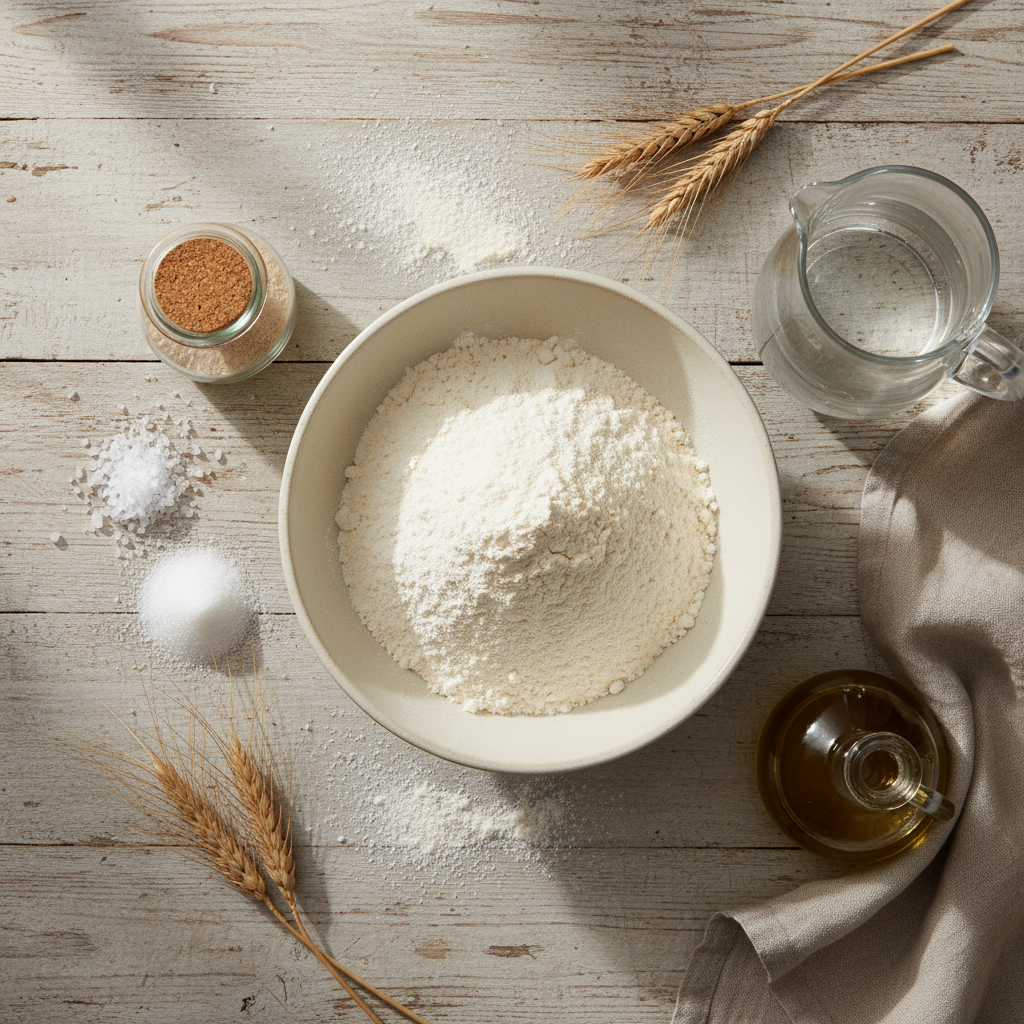
    Ingredients for easy homemade bread, including flour, yeast, salt, and water, neatly arranged on a wooden table.
    Professional food photography, photorealistic, high-quality food magazine photo style. A perfectly composed flat lay shot on a rustic wooden table in a bright, inviting home kitchen. All the simple ingredients for an easy bread recipe are meticulously arranged: a bowl of all-purpose flour, a small measuring spoon with active dry yeast, a pinch of salt, and a clear glass measuring cup with warm water. Emphasize natural light and clean presentation, showcasing the few, accessible ingredients required. No complex equipment, just the essentials.

    The Core Ingredients

    Making delicious homemade bread is simpler than you think, requiring only a few basic items. Recipe-GPT helps you quickly check if you have everything on hand and can even suggest smart substitutions if your pantry is missing something!

    For your easy bread recipe, gather these core ingredients:

    • All-Purpose Flour: This is the backbone of your bread, providing essential structure. While bread flour is often preferred for a chewier texture, all-purpose flour is great for beginners because it’s readily available and makes a lovely, soft loaf.
    • Active Dry Yeast: Yeast is the magical ingredient that makes your bread rise. For the best results, ensure your yeast is fresh—always check the expiration date! [1]
    • Warm Water: Water activates the yeast and helps form the dough. Aim for a temperature between 105-115°F (40-46°C), which should feel warm to the touch, but not hot.
    • Salt: More than just a flavor enhancer, salt also controls yeast activity and strengthens the dough’s structure. Don’t skip it!
    • A Touch of Sugar (Optional but Recommended): A small amount of sugar feeds the yeast, helping it become active faster. It also adds a subtle sweetness to your finished loaf.

    Recipe-GPT can tailor your recipe in an instant. For example, it can adjust ingredient ratios for a whole wheat loaf or suggest ways to make your bread gluten-free or high-protein. This makes meal planning both easy and truly personalized.

    Essential Kitchen Equipment

    You don’t need a fancy kitchen to bake fantastic bread. This easy recipe uses minimal tools, and Recipe-GPT focuses on practical solutions that help you use what you already have.

    Here’s what you’ll need:

    • Large Mixing Bowl: You’ll combine your ingredients here, so choose one big enough for the dough to rise.
    • Measuring Cups and Spoons: Accuracy matters in baking, so these are essential for using the correct amounts.
    • Liquid Measuring Cup: For precise water measurements.
    • Kitchen Scale (Optional but Recommended): For more consistent results, especially with flour. Weighing ingredients is often more accurate than measuring by volume.
    • Whisk or Fork: To thoroughly mix dry ingredients.
    • Rubber Spatula or Wooden Spoon: For mixing the dough.
    • Plastic Wrap or a Clean Kitchen Towel: To cover the dough while it rises.
    • 9×5-inch Loaf Pan: This gives your bread its classic shape. A light-colored metal pan is ideal for even baking.
    • Oven Mitts: For safely handling hot pans.
    • Wire Cooling Rack: Essential for cooling your bread and preventing a soggy bottom.

    Recipe-GPT always provides clear, step-by-step guidance, helping you confidently use these tools. It transforms mealtime indecision into an enjoyable baking experience, so you can discover how easy it is to make delicious homemade bread with intuitive AI guidance.

    Step-by-Step Easy Homemade Bread Recipe

    Hands gently mixing simple bread dough in a ceramic bowl on a kitchen counter.
    Photorealistic professional food photography, high-quality food magazine photo style. Close-up shot of a home cook’s hands gently bringing together a simple bread dough in a large ceramic mixing bowl on a clean kitchen counter. The dough is shaggy and just beginning to form, showing the initial stages of mixing. The lighting is soft and natural, highlighting the texture of the dough and the hands, conveying ease and approachability. The background is slightly blurred, focusing entirely on the hands-on process in a warm, inviting culinary workspace.

    Ready to bake? This easy homemade bread recipe will guide you, step by step. You’ll create a delicious loaf—even if you’re a first-time baker. Recipe-GPT makes the process simple, providing clear, AI-powered instructions for perfect results.

    Step 1: Activate the Yeast

    This initial step is crucial—it ensures your yeast is alive and ready to work its magic. Active yeast helps your bread rise beautifully and creates that wonderful, fluffy texture.

    • Pour warm water into a large bowl. The water should feel like a warm bath (around 105-115°F or 40-46°C).
    • Stir in the sugar to provide food for the yeast.
    • Sprinkle the active dry yeast over the water. Don’t stir it in immediately.
    • Wait 5-10 minutes for the mixture to become foamy and bubbly. This is how you know your yeast is active!
    • If it doesn’t foam, your yeast might be old, or the water was too hot or cold. Simply start this step again. Recipe-GPT always suggests the right yeast amounts for your personalized recipe.

    Step 2: Mix the Dough

    Now it’s time to bring your ingredients together. This is where the dough truly begins to form. Our AI ensures balanced proportions for the best consistency.

    • Add the salt and half of the flour to the foamy yeast mixture.
    • Stir with a sturdy spoon or spatula until just combined.
    • Gradually add the remaining flour, about half a cup at a time.
    • Continue mixing until the dough becomes shaggy and pulls away from the sides of the bowl.
    • Turn the dough out onto a lightly floured surface.
    • Knead the dough for 5-7 minutes. Push it away from you, fold it over, and repeat until the dough is smooth and elastic. For beginners, our AI can even suggest tips for different kneading variations.

    Step 3: First Rise (Proofing)

    This rise is essential for developing flavor and texture. During this step, the yeast creates air pockets that make your bread light and airy.

    • Lightly grease a large bowl with a little oil.
    • Place the kneaded dough into the bowl, turning it once to coat it with oil.
    • Cover the bowl tightly with plastic wrap or a clean kitchen towel.
    • Put the bowl in a warm, draft-free place, like a slightly warm oven that has been turned off.
    • Let the dough rise for 1 to 1.5 hours, or until it has doubled in size.
    • To check if it’s ready, gently poke the dough with two fingers. If the indentations remain, it’s time for the next step. Recipe-GPT can adjust rise times based on different temperatures or flour types.

    Step 4: Shape the Loaf

    Shaping transforms your risen dough into a beautiful loaf. This step is easier than you might think and is key to creating that classic bread shape.

    • Gently punch down the dough to release the air.
    • Turn the dough out onto a lightly floured surface.
    • Flatten the dough into a rectangle.
    • Fold the top third down to the center, then fold the bottom third up over the center.
    • Pinch the seam closed to create tension.
    • Roll the dough into a log shape and pinch the ends to seal them.
    • Place the shaped loaf, seam-side down, into a greased 9×5 inch loaf pan. If you want to make rolls or a baguette, Recipe-GPT can offer different shaping ideas when you customize your recipe.

    Step 5: Second Rise

    A second rise, often called the final proof, prepares your bread for baking. It ensures a light crumb and good oven spring.

    • Cover the loaf pan loosely with plastic wrap or a kitchen towel.
    • Return it to your warm, draft-free spot.
    • Let it rise for another 30-45 minutes. The dough should rise above the rim of the pan and look noticeably puffed up.
    • To check, gently poke the dough. If the indentation springs back slowly, it’s ready to bake. Our AI calculates the most accurate second rise time based on your specific recipe.

    Step 6: Bake Your Bread

    The moment of truth! Baking transforms your dough into golden-brown perfection, and your kitchen will smell amazing.

    • Preheat your oven to 375°F (190°C).
    • Carefully place the loaf pan into the preheated oven.
    • Bake for 30-35 minutes, until the crust is golden brown.
    • To check for doneness, remove the loaf from the pan and tap the bottom. It should sound hollow. You can also use an instant-read thermometer to check for an internal temperature of 200-210°F (93-99°C) [2].
    • Once baked, transfer the bread to a wire rack to cool completely before slicing. This prevents a gummy texture.
    • Recipe-GPT provides precise baking times for any recipe you generate, helping to ensure a perfect loaf every time.

    Pro Tips for a Perfect Loaf

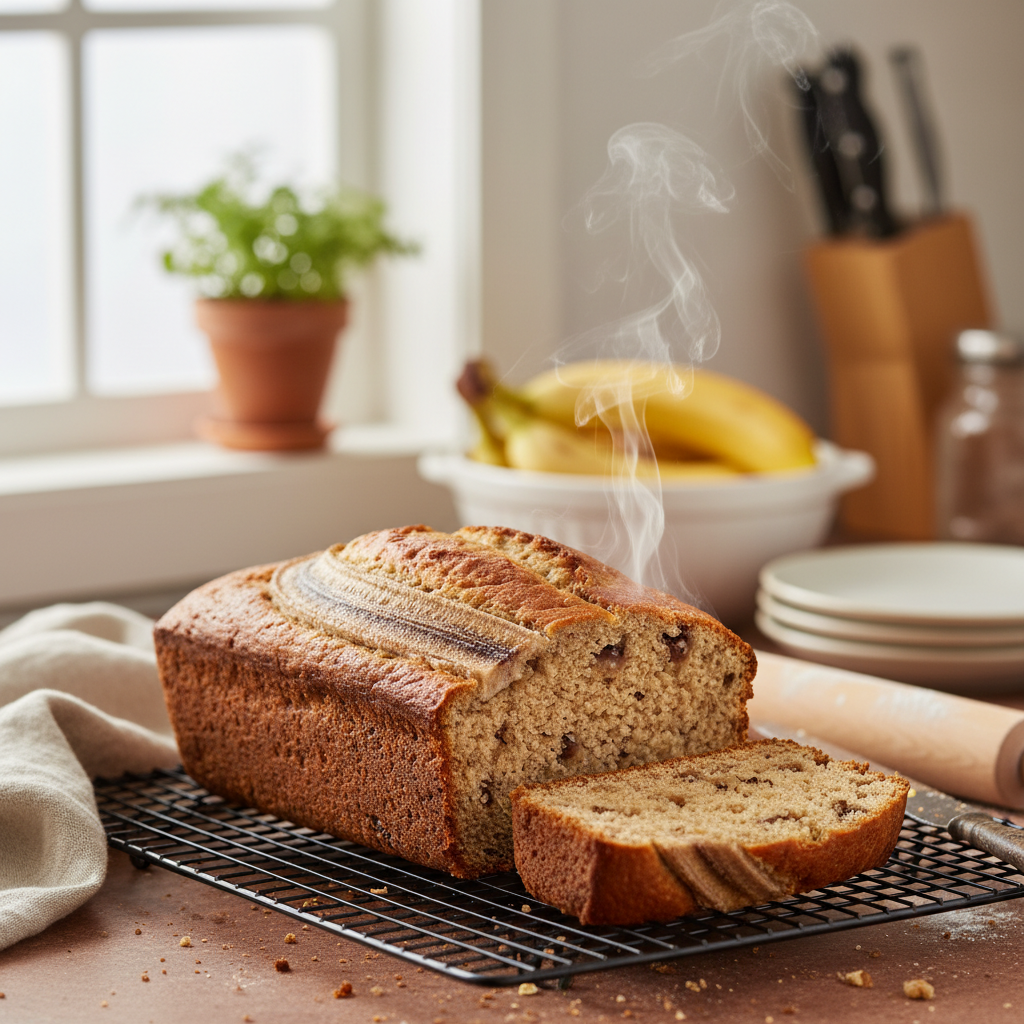
    A perfect golden-brown loaf of sliced homemade bread resting on a cooling rack.
    Professional food photography, photorealistic, high-quality food magazine photo style. A golden-brown, perfectly baked loaf of easy homemade bread sitting on a wire cooling rack on a light-colored kitchen counter. The crust is beautifully crisp and golden, with a slight dusting of flour and a few attractive slashes on top. One end of the loaf is sliced, revealing the soft, airy interior crumb. Warm, inviting natural light highlights the texture and steam (if subtly visible). A simple, elegant presentation, conveying success and deliciousness in a modern home kitchen setting.

    How to Get a Crispy Crust (Without a Dutch Oven)

    Achieving that delightful, crispy crust is simpler than you think, and you don’t need special equipment like a Dutch oven. Instead, use a smart trick to create steam in your oven, which helps the crust develop a beautiful color and texture.

    • Add a Water Pan: Place a shallow, oven-safe pan on the bottom rack of your oven as it preheats. Just before putting the bread in, fill the pan with about 1 cup of hot water. The resulting steam keeps the crust soft initially, allowing the bread to expand fully before it bakes to a lovely crispness [3].
    • Preheat Your Baking Surface: Place your baking sheet or stone in the oven as it preheats. A hot surface gives the loaf an immediate burst of heat from the bottom, helping it develop a crisp bottom crust.

    Remember, Recipe-GPT can offer personalized tips. Simply ask for suggestions to enhance your bread’s crust, and it might provide slight temperature adjustments or timing variations.

    Checking for Doneness

    Knowing exactly when your homemade bread is ready is crucial. An underbaked loaf can be dense, while an overbaked one might be dry. Use these simple checks for perfect results every time.

    • Tap the Bottom: Gently remove the loaf from the oven, flip it over, and tap the bottom with your knuckles. A perfectly baked loaf will sound hollow—a classic test used by many bakers.
    • Check Internal Temperature: For the most accurate result, use an instant-read thermometer. Insert it into the center of the loaf. Most lean bread, like this easy white bread recipe, is fully baked when its internal temperature reaches 200-210°F (93-99°C) [4]. This method ensures the crumb is cooked through.

    Recipe-GPT can guide you through these steps, providing clear, actionable instructions to remove any guesswork from your baking experience.

    Storing Your Homemade Bread

    You’ve baked a wonderful loaf—now, how do you keep it fresh? Proper storage helps maintain its texture and flavor. Follow these simple guidelines.

    • Cool Completely: This is the most important step. Always let your bread cool completely on a wire rack before storing it. Warm bread traps steam, which leads to a gummy texture and faster spoilage.
    • Room Temperature Storage: For enjoying within a few days, store your bread at room temperature.
      • Bread Box: A bread box allows for some airflow, which helps prevent sogginess while keeping the crust firm.
      • Plastic Bag or Airtight Container: For a softer crust, place the cooled loaf in a sealed plastic bag or an airtight container. This method traps moisture.
    • Freezing for Long-Term: To extend freshness for weeks, freeze your bread.
      • Slice the cooled loaf first.
      • Place the slices in a freezer-safe bag, removing as much air as possible.
      • Frozen bread stays fresh for up to three months [5]. You can toast individual slices directly from the freezer as needed.

    Need ideas for using leftover bread? Recipe-GPT can generate quick recipes for croutons, bread pudding, or even savory panzanella, helping you reduce food waste easily.

    Can I make bread with just plain flour?

    Bread Flour vs. All-Purpose Flour

    Wondering if you truly need special bread flour for homemade loaves? The good news is that you can absolutely make great bread with plain all-purpose flour.

    The main difference between bread flour and all-purpose flour is their protein content. Bread flour has a higher protein level, typically around 12-14% [6]. This higher protein content is important because it creates more gluten when mixed with water.

    Gluten is what gives bread its structure and chewy texture. In contrast, all-purpose flour usually has 10-12% protein. While this is slightly less, it’s still more than enough to create a delicious loaf.

    Because of this, bread made with all-purpose flour might be a little less chewy or rise slightly less tall. However, you will still get a wonderful, soft, and satisfying homemade loaf. Don’t let the type of flour stop you from baking!

    Adjusting for Best Results

    When using all-purpose flour in your bread recipe, a few simple tweaks can help you achieve excellent results. Recipe-GPT can easily guide you through these adjustments to ensure your baking journey is smooth and successful.

    Here are some practical tips to make the most of your plain flour:

    • Slightly Less Water: All-purpose flour absorbs a bit less water than bread flour. Start with slightly less liquid than the recipe calls for, then add more slowly if your dough feels too dry.
    • Longer Kneading: To develop that essential gluten, you might need to knead your dough for a couple of extra minutes. This builds strength, resulting in a better texture.
    • Gentle Handling: All-purpose flour dough can be a little more delicate. Handle it gently during shaping to avoid deflating it.
    • Ask Recipe-GPT for Help: If you’re unsure about specific adjustments, simply tell Recipe-GPT you’re using all-purpose flour. Our AI will instantly provide tailored advice on hydration levels or kneading times for your chosen recipe.
    • Consider Vital Wheat Gluten (Optional): For an extra boost, you can add a teaspoon or two of vital wheat gluten per cup of all-purpose flour. This increases the protein content, mimicking bread flour. Recipe-GPT can suggest the perfect amount if you have it on hand.

    With these simple adjustments and a little help from Recipe-GPT, you can confidently bake fantastic homemade bread using basic plain flour. Get ready for a delicious, easy, and personalized baking experience!

    Customize Your Bread with AI-Powered Variations

    Adding Herbs and Spices

    Transform your basic loaf into something special. Aromatic herbs and warming spices can elevate your bread, and Recipe-GPT makes this easy for you.

    Simply tell our AI what flavors you enjoy, whether you prefer savory notes or a touch of sweetness. Recipe-GPT quickly suggests the perfect additions and guides you on quantities, ensuring your loaf is balanced and delicious.

    Here are some popular ideas to get you started:

    • For a Savory Twist:
      • Rosemary and garlic powder
      • Dried oregano and basil
      • Everything bagel seasoning (mix into dough or sprinkle on top)
      • Chives and a pinch of black pepper
    • For a Sweet Touch:
      • Cinnamon and a hint of nutmeg
      • Orange zest or lemon zest
      • Cardamom powder for a unique flavor

    Just add your chosen herbs or spices when you mix the dry ingredients. This simple step adds so much character to your homemade bread and is an easy way to explore new flavors with AI guidance.

    Making a Simple Whole Wheat Version

    Want to add a nutritious boost to your bread? Swapping some white flour for whole wheat is a great option. Whole wheat flour contains more fiber and essential nutrients than refined white flour [7].

    Our AI can help you adjust the classic recipe. Since whole wheat flour absorbs more liquid, you might need a bit more water for a good dough consistency. Recipe-GPT provides personalized ratios to help you create a delicious loaf every time.

    Here’s how to make a simple whole wheat variation:

    1. Substitute Flour: Start by replacing 1 cup of all-purpose flour with whole wheat flour. Keep the remaining flour as all-purpose for a softer texture.
    2. Adjust Water: Add 1-2 tablespoons more water as you mix, until the dough feels right. It should be slightly sticky but still manageable.
    3. Knead Gently: Whole wheat dough can be a bit stiffer, so knead it thoroughly but gently.
    4. AI Guidance: If you’re unsure, just ask Recipe-GPT. It provides precise measurements and offers tips for handling whole wheat dough.

    This simple swap gives you a heartier, more flavorful loaf that’s perfect for sandwiches or toast. Enjoy a nutritious twist on your easy homemade bread.

    Ingredient Substitution Ideas from Recipe-GPT

    Running low on an ingredient or have specific dietary needs? Recipe-GPT is your clever kitchen assistant, offering instant substitution ideas. This means you can still make delicious homemade bread, no matter what you have on hand.

    Our AI provides practical solutions to ensure your bread turns out great, so you won’t need to stress over missing items. Simply tell Recipe-GPT what you have, and it will suggest smart swaps.

    Here are some common substitutions our AI can help with:

    • Flour Alternatives:
      • Need gluten-free bread? Recipe-GPT can suggest suitable flour blends.
      • Out of all-purpose? It might recommend a mix of bread flour and cake flour.
    • Dairy-Free Options:
      • If your recipe uses milk, the AI can suggest plant-based alternatives like almond or soy milk.
    • Sweetener Swaps:
      • No granulated sugar? Recipe-GPT can suggest honey, maple syrup, or brown sugar and will adjust liquid content as needed.
    • Fat Substitutions:
      • Instead of butter, you might use olive oil or another plant-based oil. Our AI provides the correct amounts.
    • Dietary Adjustments:
      • Looking for a lower-carb or vegan version? Recipe-GPT customizes recipes to fit your dietary preferences.

    Recipe-GPT transforms mealtime challenges into simple solutions, helping you make perfect homemade bread. Enjoy tailored recipes generated in seconds, right when you need them.

    Frequently Asked Questions

    What are the 4 ingredients in bread?

    Making bread can be incredibly simple. In fact, most basic recipes rely on just four core ingredients. These are essential for creating delicious homemade loaves.

    • Flour: This forms the main structure of your bread.
    • Water: It hydrates the flour and activates the yeast.
    • Yeast: This tiny microorganism makes the bread rise. It creates gases that cause the dough to expand.
    • Salt: Salt adds flavor, controls yeast activity, and strengthens the gluten structure.

    Recipe-GPT takes these fundamental ingredients and suggests endless variations. You can easily discover new flavors with what you have on hand. For example, the AI can propose adding cheese, herbs, or different flours for a personalized twist.

    What’s the best flour for homemade bread?

    For truly excellent homemade bread, bread flour is your best choice. It has a higher protein content [8], which means more gluten can develop. This process creates a chewier texture and a better rise.

    However, don’t worry if you only have all-purpose flour. It also works wonderfully for many easy bread recipes, including this one. All-purpose flour yields a soft, tender loaf, making it a great starting point for new bakers.

    Recipe-GPT helps you navigate flour choices. It can suggest substitutions based on your pantry and even tailor recipes for specific dietary needs, like gluten-free options. This makes cooking more accessible and stress-free.

    How to make homemade bread light and fluffy?

    Achieving a light, fluffy homemade loaf is very rewarding. Several key factors create this texture. First, proper yeast activation is crucial. Make sure your water is the correct temperature for the yeast to thrive.

    Next, adequate kneading develops the gluten. Gluten creates an elastic network in the dough that traps the gases produced by the yeast. As a result, the bread rises beautifully and develops an airy structure.

    Additionally, allowing sufficient rising time (proofing) is vital. This gives the yeast time to work its magic. Finally, avoid over-baking your bread, as an over-baked loaf can become dry and dense.

    Recipe-GPT provides clear, step-by-step instructions. Our AI guidance ensures you follow each stage correctly, helping you achieve that perfect light and fluffy texture every time. You’ll get reliable results and gain cooking confidence.

    What are the steps for making bread?

    Making bread involves a few straightforward stages. Our easy recipe breaks down the process for beginners, and Recipe-GPT simplifies it even further with concise, AI-generated guidance.

    Here are the basic steps for making homemade bread:

    1. Activate the Yeast: Combine warm water, yeast, and a touch of sugar. Let it sit until bubbly. This confirms your yeast is active and ready.
    2. Mix the Dough: Combine the activated yeast mixture with flour and salt. Mix until a shaggy dough forms.
    3. First Rise (Proofing): Knead the dough, then let it rest in a warm place until it doubles in size.
    4. Shape the Loaf: Gently punch down the risen dough and shape it into your desired loaf form.
    5. Second Rise: Let the shaped loaf rise again, usually in a loaf pan. This ensures a light final texture.
    6. Bake Your Bread: Bake the loaf in a preheated oven until golden brown. It’s done when it sounds hollow when tapped on the bottom.

    Recipe-GPT makes these steps even simpler. The AI delivers intuitive, actionable guidance, so you can move from ingredients to a fresh loaf with ease. Enjoy quick, practical meal inspiration for delicious results.


    Sources

    1. https://redstaryeast.com/yeast-baking-lessons/yeast-types-usage/active-dry-yeast/
    2. https://www.kingarthurbaking.com/blog/2016/06/20/internal-temperature-bread
    3. https://www.kingarthurbaking.com/blog/2019/07/23/baking-with-steam
    4. https://www.thermofisher.com/blog/food/what-is-the-best-temperature-to-cook-bread/
    5. https://food.unl.edu/food-storage-chart-quick-tips
    6. https://www.purdue.edu/fnr/extension/all-purpose-flour-vs-bread-flour/
    7. https://wholegrainscouncil.org/health-benefits
    8. https://www.thespruceeats.com/types-of-flour-for-baking-4767258

  • 15 Best Recipes with Puff Pastry: Easy Sweet & Savory Ideas

    15 Best Recipes with Puff Pastry: Easy Sweet & Savory Ideas

    Puff pastry is a versatile ingredient used to make a wide variety of both sweet and savory dishes. Popular recipes include desserts like apple turnovers, fruit tarts, and palmiers, as well as savory options such as sausage rolls, pinwheels, and toppings for pot pies. It is ideal for creating quick appetizers, simple dinners, and impressive desserts.

    Ever stared into your fridge, a package of puff pastry in hand, wondering what to make? Puff pastry is a true kitchen hero, perfect for everything from elegant appetizers to decadent desserts. But with so many possibilities, deciding what to cook can be a challenge. You want something quick, impressive, and, above all, easy. We get it—mealtime decisions shouldn’t add to your daily stress.

    That’s where this article comes in. We’ve gathered 15 of the absolute best puff pastry recipes to inspire your next meal or treat. Our collection offers a perfect blend of sweet and savory ideas, so you’ll find simple, step-by-step guidance whether you’re craving a flaky dessert or a hearty dinner. Imagine making meal planning even simpler with an AI-powered assistant like Recipe-GPT, which instantly generates personalized recipes based on what you have and what you love.

    Say goodbye to recipe indecision and hello to effortless cooking. Get ready to transform that versatile sheet of dough into delightful desserts and savory bites perfect for any occasion. Designed for home cooks of all skill levels, these easy recipes ensure delicious results with minimal fuss. Let’s dive into some incredible ideas that will make your kitchen shine!

    What Can You Make with Puff Pastry?

    A rustic wooden board displaying a variety of golden-brown puff pastry creations, including mini fruit tarts, palmiers, cheese twists, and sausage rolls, highlighting the pastry's versatility.
    A 100% photorealistic, professional food photography style image, high-quality food magazine photo style. A stunning flat lay showcasing the versatility of puff pastry. Display a variety of small, perfectly golden-brown, flaky puff pastry items. Include a mix of sweet options like mini fruit tarts with glistening berries and powdered-sugar-dusted palmiers, alongside savory items such as crispy cheese twists and bite-sized sausage rolls. The items are artfully arranged on a rustic wooden cutting board, with a few stray crumbs to emphasize freshness. The lighting is soft and natural, enhancing textures and colors. Shot from directly above.

    Puff pastry is a true kitchen superhero. Its flaky, buttery layers transform simple ingredients into impressive dishes with minimal effort. This makes it perfect for busy home cooks who want delicious results without spending hours in the kitchen.

    One of the best things about puff pastry is its incredible versatility. It can be used for nearly any meal or snack, from quick desserts to savory appetizers. This single ingredient makes cooking both simple and exciting, opening up a wide variety of creative recipes.

    Sweet Puff Pastry Ideas

    Craving something sweet? Puff pastry is your go-to for delightful desserts. It makes creating treats like warm, fruit-filled pastries or rich, chocolatey swirls quick, easy, and impressive.

    Some popular sweet puff pastry creations include:

    • Mini Fruit Tarts: Small, colorful tarts filled with cream and fresh berries.
    • Apple Turnovers: Classic, portable pastries bursting with cinnamon-spiced apples.
    • Cream Cheese Danishes: Flaky pastries topped with a sweet cream cheese filling.
    • Jam-Filled Palmiers: Elegant, heart-shaped cookies with a sweet fruit jam center.
    • Chocolate Hazelnut Swirls: Rich, decadent pastries perfect for breakfast or dessert.

    Savory Puff Pastry Ideas

    Puff pastry isn’t just for sweets—it also shines in savory recipes. Use it to add a delicious crispness and golden finish to appetizers, lunches, and even main courses. It’s the perfect shortcut for easy weeknight dinners or impressive party snacks.

    You can create a wide range of savory puff pastry dishes, such as:

    • Sausage Rolls: Hearty and flavorful, perfect for a snack or light meal.
    • Spinach and Feta Pinwheels: Quick, cheesy, and incredibly easy appetizers.
    • Asparagus and Prosciutto Bundles: Elegant and tasty, great for special occasions.
    • Mini Quiches: Bite-sized quiches with various fillings, ideal for brunch or parties.
    • Chicken Pot Pie Topping: A flaky, golden crust for a comforting family favorite.

    Discover Your Next Puff Pastry Masterpiece with AI

    If you’re inspired but not sure where to begin, Recipe-GPT is here to help. Our AI-powered tool takes the guesswork out of meal planning by helping you discover the perfect puff pastry idea tailored to your needs. The result is less stress and more delicious, personalized meals for you and your family.

    Simply tell Recipe-GPT what ingredients you have on hand, and our AI will instantly suggest creative puff pastry recipes. It can also personalize recommendations for dietary needs or suggest quick substitutions, ensuring you always find an easy and practical recipe. Say goodbye to indecision and hello to a confident, enjoyable cooking experience.

    Top Puff Pastry Dessert Recipes (Quick & Easy)

    Two golden-brown apple turnovers, one cut open to show the apple filling, dusted with powdered sugar and served with vanilla ice cream on a white plate in a cozy kitchen setting.
    A 100% photorealistic, professional food photography style image, high-quality food magazine photo style. A close-up shot of two perfectly baked, golden-brown apple turnovers, their flaky pastry glistening and lightly dusted with powdered sugar. One turnover is gently cut open, revealing a warm, spiced apple filling. They are presented on a clean white plate with a side of creamy vanilla ice cream, melting slightly. The background features a soft-focus, inviting home kitchen setting with natural light streaming in, suggesting warmth and comfort.

    Unlock a world of effortless desserts with store-bought puff pastry. It’s your secret weapon for creating impressive treats quickly. Forget complicated doughs and long prep times; puff pastry gives you flaky, golden results with minimal fuss.

    Recipe-GPT makes finding the perfect sweet puff pastry idea even easier. Simply tell our AI what you crave or what ingredients you have, and get instant, personalized recipes that fit your needs. From classic comforts to creative new twists, your next favorite dessert is just a few clicks away.

    Apple Turnovers

    A nostalgic favorite, these classic apple turnovers feature tender, spiced apples baked inside a golden, flaky crust. They’re perfect for breakfast, brunch, or a simple dessert.

    Using puff pastry makes this recipe incredibly fast, giving you that satisfying crunch and soft filling without spending hours in the kitchen.

    Quick & Easy Steps:

    1. Thaw one sheet of puff pastry on a lightly floured work surface.
    2. Roll the pastry into a 10×10-inch square.
    3. Cut the sheet into four equal squares.
    4. In a small bowl, mix diced apples with cinnamon, a pinch of nutmeg, and a tablespoon of sugar.
    5. Spoon the apple mixture onto one half of each pastry square.
    6. Fold the other half over the filling to form a triangle.
    7. Crimp the edges firmly with a fork to seal.
    8. Brush the tops with an egg wash for a golden shine.
    9. Bake at 400°F (200°C) for 15-20 minutes, or until golden brown and puffed.

    Recipe-GPT Tip: Running low on apples? Ask Recipe-GPT to generate a fruit turnover recipe with peaches, berries, or even a mixed fruit filling. Our AI suggests substitutions instantly!

    Optional Tips & Variations:

    • Add a sprinkle of brown sugar to the apple filling for extra sweetness.
    • Drizzle baked turnovers with a simple glaze of powdered sugar and milk.
    • For a richer flavor, add a tiny bit of butter to the apple filling before baking.

    Cream Cheese Danishes

    Sweet, tangy, and wonderfully creamy, cream cheese danishes are a delightful treat. They look fancy but are surprisingly simple to make, as puff pastry provides the signature delicate texture.

    This recipe offers a gourmet touch with minimal effort. It’s ideal for impressing guests or enjoying a special morning.

    Quick & Easy Steps:

    1. Thaw one sheet of puff pastry.
    2. Roll the pastry into an 11×11-inch square on a lightly floured surface.
    3. Cut the sheet into nine equal squares.
    4. In a bowl, beat 4 oz softened cream cheese with 2 tablespoons of sugar and 1/2 teaspoon of vanilla extract until smooth.
    5. Spoon the cream cheese mixture into the center of each pastry square.
    6. Fold two opposite corners of each square to the center and pinch them together firmly.
    7. Brush the pastry edges with an egg wash.
    8. Bake at 400°F (200°C) for 12-15 minutes, or until golden and the filling is set.

    Recipe-GPT Tip: Want to adjust for dietary needs? Recipe-GPT can help you find recipes using dairy-free cream cheese or suggest a low-sugar variation. Just ask!

    Optional Tips & Variations:

    • Add a dollop of your favorite fruit jam on top of the cream cheese filling before baking.
    • A tiny pinch of lemon zest in the cream cheese mixture brightens the flavor.
    • Garnish with fresh berries after baking for a pop of color and freshness.

    Mini Fruit Tarts

    These mini fruit tarts are vibrant, refreshing, and perfect for individual servings. They showcase a buttery puff pastry shell filled with a creamy base and topped with colorful fresh fruit.

    Using puff pastry instead of a traditional tart crust significantly reduces preparation time, giving you elegant results with ease.

    Quick & Easy Steps:

    1. Thaw one sheet of puff pastry.
    2. On a lightly floured surface, roll out the pastry and cut 12 circles using a cookie cutter.
    3. Gently press each circle into a cup of a greased muffin tin.
    4. Prick the bottom of each pastry cup with a fork to prevent it from puffing up too much.
    5. Bake at 400°F (200°C) for 8-10 minutes, or until lightly golden. Let the shells cool completely.
    6. For the filling, mix 4 oz softened cream cheese with 2 tablespoons sugar and 1/2 teaspoon vanilla until smooth.
    7. Fill each cooled pastry cup with the cream cheese mixture.
    8. Top with a selection of fresh fruits, such as berries, kiwi slices, or mandarin oranges.

    Recipe-GPT Tip: Recipe-GPT can generate recipes based on ingredients you have. Just list your available fruits, and our AI will suggest unique tart combinations!

    Optional Tips & Variations:

    • Brush the baked fruit tarts with a warm apricot jam glaze for extra shine.
    • Substitute the cream cheese filling with a quick homemade custard or lemon curd.
    • Sprinkle a few toasted slivered almonds around the edges for added crunch.

    Jam-Filled Palmiers

    Palmiers—often called “elephant ears”—are elegant, crispy, and buttery pastries. Using puff pastry and your favorite jam makes them an incredibly simple treat. They’re perfect for coffee breaks or satisfying a quick dessert craving.

    This recipe creates stunning results with just two ingredients, and its straightforward folding technique is very beginner-friendly.

    Quick & Easy Steps:

    1. Thaw one sheet of puff pastry.
    2. Unroll the pastry onto a lightly floured surface.
    3. Spread a thin, even layer of your favorite jam over the pastry, leaving a small border around the edges.
    4. Fold one long side of the pastry to the center.
    5. Fold the opposite long side to meet it.
    6. Fold one half over the other, like closing a book.
    7. Slice the resulting log into 1/2-inch thick pieces.
    8. Place the slices cut-side up on a baking sheet, leaving space for them to expand.
    9. Bake at 400°F (200°C) for 12-15 minutes, or until golden brown and caramelized.

    Recipe-GPT Tip: Explore new flavor profiles! Ask Recipe-GPT to suggest unique jam pairings, like fig and rosemary, or even a savory palmiers recipe with pesto and cheese.

    Optional Tips & Variations:

    • Before baking, sprinkle a little extra sugar over the palmiers for a crunchier, more caramelized finish.
    • Experiment with different jams like raspberry, apricot, or even orange marmalade.
    • For a chocolate twist, spread chocolate-hazelnut spread instead of jam.

    Chocolate Hazelnut Swirls

    Indulge in these rich and flaky chocolate hazelnut swirls. They’re a decadent yet easy dessert, with each bite delivering buttery puff pastry wrapped around a luscious chocolate hazelnut filling.

    This recipe is quick to assemble and offers maximum flavor with minimal effort. It’s an ideal last-minute treat for any chocolate lover.

    Quick & Easy Steps:

    1. Thaw one sheet of puff pastry and unroll it on a lightly floured surface.
    2. Spread an even layer of chocolate hazelnut spread (like Nutella) over the pastry.
    3. Starting from one long side, tightly roll the pastry into a log.
    4. Slice the log into 1-inch-thick pieces.
    5. Place the swirls cut-side up on a baking sheet, leaving some space for them to expand.
    6. Bake at 400°F (200°C) for 12-15 minutes, or until golden brown and puffed.

    Recipe-GPT Tip: If you need a nut-free option, Recipe-GPT can quickly suggest variations using seed butter or a simple chocolate spread. Our AI adapts recipes to your preferences.

    Optional Tips & Variations:

    • Sprinkle some chopped toasted hazelnuts or mini chocolate chips over the chocolate spread before rolling.
    • A light dusting of powdered sugar after baking adds a touch of elegance.
    • For a coffee-shop feel, drizzle a little melted white chocolate over the cooled swirls.

    Best Savory Puff Pastry Recipes for Dinner & Appetizers

    Golden-brown, flaky spinach and feta puff pastry swirls, garnished with fresh dill, arranged on an elegant white serving platter in a well-lit modern kitchen.
    A 100% photorealistic, professional food photography style image, high-quality food magazine photo style. A vibrant and appetizing close-up of freshly baked spinach and feta puff pastry swirls. The swirls are golden-brown, showing distinct flaky layers, with the green spinach and white feta peeking through. They are artfully arranged on an elegant ceramic serving platter, garnished with a sprinkle of fresh chopped dill. The setting is a modern culinary workspace, brightly lit to emphasize the crisp texture and rich colors. The focus is sharp on the foreground, with a gentle bokeh in the background.

    Puff pastry isn’t just for desserts; it’s a versatile base for countless savory dishes. You can use it to create quick weeknight dinners or impressive appetizers for any occasion. With Recipe-GPT, finding your next great savory puff pastry idea is simple.

    Our AI-powered platform helps you transform basic ingredients into exciting meals, eliminating mealtime stress. Get personalized recipes in seconds. From hearty family dinners to elegant party bites, puff pastry offers endless possibilities. Let’s explore a few delicious examples.

    Sausage Rolls

    A true classic, sausage rolls are flaky, savory, and satisfying. They make a fantastic appetizer, a quick dinner, and are perfect for lunchboxes or picnics.

    Recipe-GPT can help you customize this classic. Explore different types of sausage or ask our AI to suggest vegetarian and vegan fillings based on your preferences.

    Quick Steps:

    • Prepare Filling: Mix seasoned sausage meat with herbs or finely chopped onions.
    • Assemble: Roll out puff pastry. Cut it into strips. Place a line of filling along each strip.
    • Roll and Bake: Fold the pastry over the filling. Seal the edges. Cut into individual rolls. Bake until golden brown and flaky.

    Recipe-GPT Tips:

    • Spice it Up: Ask our AI for spice blend suggestions.
    • Dietary Needs: Get ideas for chicken, turkey, or plant-based sausage rolls.
    • Batch Cooking: Recipe-GPT can adjust quantities for meal prep.

    Spinach and Feta Pinwheels

    Elegant and flavorful, spinach and feta pinwheels are easy-to-make spirals that look impressive on any platter. They’re perfect for parties or as a light snack.

    Recipe-GPT makes it easy to explore variations. Ask our AI for ideas like adding sun-dried tomatoes or get instant suggestions for dairy-free substitutions.

    Quick Steps:

    • Make Filling: Combine cooked spinach, crumbled feta cheese, and a little garlic.
    • Spread Pastry: Roll out puff pastry into a rectangle. Spread the spinach mixture evenly.
    • Roll and Slice: Tightly roll the pastry from one long side. Slice the roll into individual pinwheels.
    • Bake: Arrange on a baking sheet. Bake until golden and crisp.

    Recipe-GPT Tips:

    • Extra Flavor: Ask for additions like olives or chopped artichoke hearts.
    • Quick Prep: Our AI can help you find shortcuts.
    • Serving Ideas: Get suggestions for dipping sauces.

    Asparagus and Prosciutto Bundles

    These bundles offer a delightful combination of flavors and textures. Crisp asparagus and salty prosciutto are wrapped in flaky puff pastry to create a bundle that’s quick to assemble and bake.

    Recipe-GPT can adapt this recipe to what you have in your pantry. If you have bacon instead of prosciutto, our AI will suggest how to make the swap. It can also easily recommend vegetarian alternatives.

    Quick Steps:

    • Prepare Ingredients: Blanch asparagus lightly. Cut puff pastry into strips.
    • Assemble: Wrap each asparagus spear with a slice of prosciutto. Then, wrap a pastry strip around both.
    • Bake: Place on a baking sheet. Bake until the pastry is puffed and golden.

    Recipe-GPT Tips:

    • Cheese Addition: Ask for suggestions to add a touch of Parmesan cheese.
    • Herb Infusion: Our AI can recommend fresh herbs to sprinkle before baking.
    • Vegetarian Swap: Get ideas for a meat-free version, perhaps with bell peppers or mushrooms.

    Mini Quiches

    These charming and versatile mini quiches are ideal for brunch, appetizers, or light meals. The puff pastry creates a wonderfully flaky crust that you can fill with almost anything.

    This is where Recipe-GPT truly shines, offering endless filling combinations. Tell our AI what you have—like leftover ham or extra vegetables—and it will create a custom recipe, making meal planning effortless.

    Quick Steps:

    • Cut Pastry: Roll out puff pastry. Cut into small circles. Press into a muffin tin.
    • Prepare Filling: Whisk eggs with milk or cream. Add cheese, diced vegetables, or cooked meats.
    • Fill and Bake: Pour the egg mixture into the pastry cups. Bake until set and golden brown.

    Recipe-GPT Tips:

    • Custom Fillings: Experiment with bacon, onion, mushrooms, or different cheeses.
    • Dietary Adjustments: Find options for gluten-free crusts or dairy-free fillings.
    • Make Ahead: Get advice on preparing and storing mini quiches.

    Chicken Pot Pie with Puff Pastry Topping

    A classic comfort food, chicken pot pie gets an elegant upgrade with a puff pastry topping. The flaky, golden crust provides a delicious contrast to the creamy filling, creating a hearty and satisfying dinner.

    Recipe-GPT can help you tailor this family favorite to your needs. Ask for shortcuts to make a quicker version, or have our AI adjust the ingredients to create a higher-protein meal.

    Quick Steps:

    • Cook Filling: Prepare a creamy chicken and vegetable mixture. Use chicken, peas, carrots, and a rich sauce.
    • Fill Ramekins: Spoon the hot filling into individual ramekins or an oven-safe dish.
    • Top and Bake: Place a piece of puff pastry over each ramekin. Alternatively, cover the large dish. Bake until the pastry is puffed and golden.

    Recipe-GPT Tips:

    • Ingredient Swaps: Ask our AI for variations using turkey or beef.
    • Vegetable Boost: Get ideas for adding extra greens like kale or spinach.
    • Budget-Friendly: Recipe-GPT can suggest ways to make this dish more economical.

    How Can AI Help You Find the Perfect Puff Pastry Idea?

    Generate Recipes from Ingredients You Have

    Ever stare at your fridge, seeing a lonely puff pastry sheet and wondering what to make? Recipe-GPT can help!

    Our AI-powered tool uses your available ingredients to quickly generate creative puff pastry recipes. This helps you reduce food waste and enjoy more delicious meals.

    Simply tell Recipe-GPT what you have on hand—for example, “puff pastry, apples, and cinnamon”—and you’ll instantly get ideas for apple turnovers or quick hand pies. It’s that simple to go from confusion to a clear cooking plan.

    • List Your Staples: Enter items like puff pastry, eggs, or cheese.
    • Add Your Leftovers: Include cooked chicken, spinach, or leftover ham.
    • Get Inspired: Receive tailored suggestions for savory dinners or sweet treats.

    Personalize for Dietary Needs

    Finding puff pastry recipes that fit specific dietary restrictions can be tough, but Recipe-GPT makes it easy. Our AI understands your preferences and adapts accordingly.

    Tell us if you need vegetarian, vegan, or gluten-free options, and the AI will modify existing recipes or create new ones to ensure your meal meets everyone’s needs.

    Whether you want a dairy-free dessert or a high-protein savory snack, Recipe-GPT tailors suggestions just for you, giving you confidence in every dish you prepare.

    • Vegetarian & Vegan: Discover plant-based puff pastry ideas.
    • Gluten-Free Options: Find recipes that work with gluten-free puff pastry.
    • Allergen Adjustments: Easily adapt for nut, dairy, or other common allergies.

    Get Instant Variations and Substitutions

    Ran out of an ingredient or want to try something new? Recipe-GPT is your clever kitchen assistant, offering instant variations and smart substitutions.

    Our AI can suggest swaps for ingredients you don’t have. For instance, if a recipe calls for prosciutto, it might recommend bacon or ham, saving you a trip to the store.

    You can also ask for creative twists, like making a dessert less sweet or adding a spicy kick to a savory dish. Our AI adjusts recipes to match your taste, which makes cooking more flexible and fun.

    • Ingredient Swaps: Find alternatives for nearly any item in a recipe.
    • Flavor Adjustments: Tweak sweetness, spice levels, or herb profiles.
    • Serving Size Changes: Easily scale recipes up or down for any group size.

    Frequently Asked Questions About Puff Pastry Recipes

    What are some simple puff pastry filling ideas?

    Puff pastry is incredibly versatile, easily transforming into a delightful treat or a savory snack with just a few ingredients.

    For sweet fillings, consider these quick and easy combinations:

    • Jam or Preserves: A spoonful of your favorite fruit jam creates a simple, sweet pastry.
    • Chocolate Spreads: Nutella or any chocolate-hazelnut spread is always a crowd-pleaser.
    • Cream Cheese & Sugar: Mix softened cream cheese with a little sugar and vanilla for a creamy, Danish-style filling.
    • Cinnamon Sugar: A simple sprinkle of cinnamon and sugar gives plain puff pastry a crunchy, sweet finish.

    If you prefer savory options, try these popular ideas:

    • Cheese: Cheddar, mozzarella, or feta melts beautifully inside puff pastry.
    • Pesto: A thin layer of pesto adds a vibrant burst of flavor.
    • Ham & Cheese: This classic combination is a perfect quick lunch or appetizer.
    • Spinach & Feta: Sautéed spinach mixed with crumbled feta creates a delicious Mediterranean-inspired filling.

    Want to mix and match these ideas? Tell Recipe-GPT what ingredients you have. Our AI will generate personalized puff pastry recipes and suggest creative combinations you might not have considered.

    What are some simple puff pastry desserts with fruit?

    Using fruit with puff pastry creates light, delicious desserts that are surprisingly easy to make. The pastry’s flaky texture pairs wonderfully with fresh or cooked fruit.

    Here are some straightforward fruit-based dessert ideas:

    • Apple Turnovers: Thinly slice apples, mix them with cinnamon and sugar, and enclose the filling in puff pastry squares before baking.
    • Berry Tarts: Arrange fresh berries on a pastry rectangle, sprinkle with sugar, and bake until golden brown.
    • Peach & Cream Cheese Danishes: Spread a mixture of softened cream cheese and sugar on the pastry, top with sliced peaches, and bake.
    • Pear & Almond Pastries: Fan out thin pear slices over puff pastry, sprinkle with slivered almonds, and bake.
    • Fruit Palmiers: Spread a thin layer of fruit jam on the pastry, roll it up from both sides to meet in the middle, then slice and bake.

    Have a spare apple or a handful of berries? Let Recipe-GPT help. Our AI can suggest fruit-based puff pastry desserts using the ingredients you already have, ensuring nothing goes to waste.

    What are some easy savory puff pastry recipes for dinner?

    Puff pastry can make dinnertime quick and exciting. It’s a fantastic shortcut for creating satisfying, savory meals with minimal effort—perfect for busy evenings.

    Consider these simple ideas for dinner:

    • Sausage Rolls: Wrap cooked sausage meat (or a vegetarian alternative) in strips of puff pastry and bake for a hearty meal.
    • Mini Quiches: Line muffin tins with puff pastry squares, then fill with an egg, cheese, and veggie mixture and bake.
    • Chicken Pot Pie Topping: Place a sheet of puff pastry over your favorite chicken pot pie filling before baking for a perfect flaky crust.
    • Pesto & Tomato Tarts: Spread pesto on a pastry sheet, top with sliced tomatoes and mozzarella, and bake until bubbly.
    • Asparagus & Prosciutto Bundles: Wrap a few asparagus spears and a slice of prosciutto in a strip of puff pastry, then bake.

    Need a fast family dinner? Recipe-GPT provides quick and practical meal inspiration. Tell our AI your main ingredients, and it will generate an easy savory puff pastry recipe for you. For example, leftover chicken can become a delicious puff pastry-topped chicken bake!

    What are some puff pastry ideas for kids?

    Puff pastry is fantastic for getting kids involved in the kitchen. It’s forgiving to work with and lets them have fun creating tasty treats.

    Here are some kid-friendly ideas:

    • Mini Pizza Puffs: Cut pastry into circles and let kids top them with tomato sauce, cheese, and mini pepperoni before baking.
    • Cheesy Twists: Sprinkle grated cheese and a pinch of paprika on pastry, cut it into strips, twist them, and bake.
    • Jam Tarts: Use a cookie cutter to make fun shapes from the pastry. Add a spoonful of jam to one shape, top it with another, crimp the edges, and bake.
    • “Pigs in a Blanket”: Wrap mini sausages or hot dogs in strips of puff pastry and bake until golden. A timeless favorite!
    • Chocolate-Hazelnut Swirls: Spread chocolate-hazelnut spread on a pastry sheet, roll it up, slice it into spirals, and bake.

    Looking for fun and interactive recipes? Recipe-GPT can generate personalized, kid-friendly puff pastry ideas. Ask our AI for suggestions that use ingredients you already have or fit specific dietary needs. It makes mealtime easy and enjoyable for the whole family.

  • How to Make the Best Yeast Rolls: An Easy Recipe for Beginners

    How to Make the Best Yeast Rolls: An Easy Recipe for Beginners

    This easy yeast rolls recipe creates exceptionally soft, fluffy, and buttery homemade dinner rolls perfect for any meal. Using simple pantry staples like flour, yeast, milk, and butter, this beginner-friendly guide provides step-by-step instructions to bake perfect rolls from scratch, ensuring a delicious result every time.

    Few things bring as much comfort to a meal as a basket of freshly baked, fluffy homemade yeast rolls. If you’ve ever dreamed of pulling warm bread from your oven but felt intimidated by the process, prepare to change your mind. This guide is designed to make perfect, easy yeast rolls a reality for every home cook, no matter your skill level. With the right guidance, anyone can master this rewarding kitchen skill.

    We know that new recipes can sometimes feel overwhelming, but our simple guide makes it truly satisfying to create soft, golden rolls from scratch. This isn’t just another yeast rolls recipe. It’s a clear path designed to turn baking uncertainty into confident success, ensuring delicious results every time.

    At Recipe-GPT, our mission is to make cooking easier and more personalized. While this recipe provides a fantastic foundation, we’ll also show you how AI can help customize it. You’ll be able to find quick ingredient substitutions, adjust serving sizes, and even get new flavor ideas, making your kitchen experience smoother than ever. Ready to bake the most delicious homemade yeast rolls? Let’s find out why this is the best recipe for beginners.

    Why Is This the Best Homemade Yeast Rolls Recipe for Beginners?

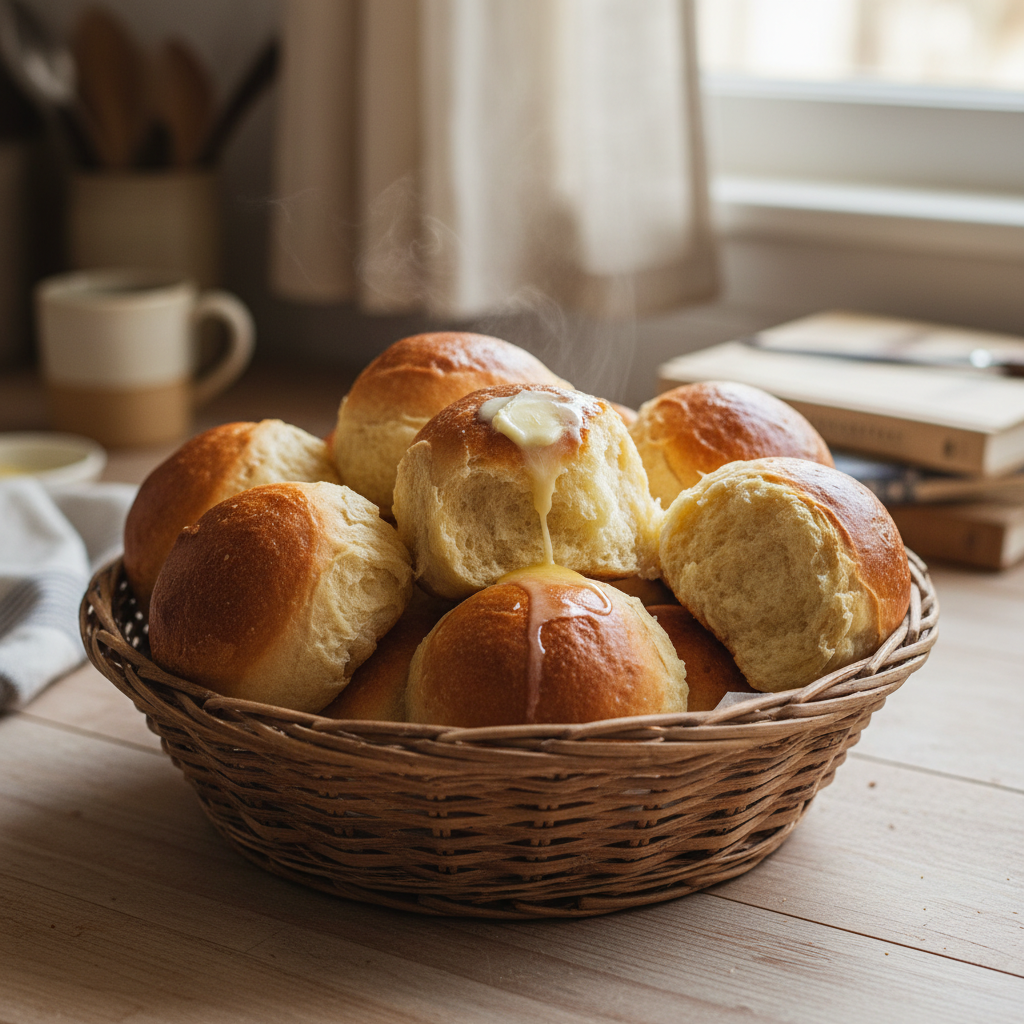
    A ceramic baking dish filled with golden-brown yeast rolls, with one torn open to reveal its soft, fluffy interior.
    Professional food photography, photorealistic, high-quality food magazine photo style: A close-up shot of a warm, golden-brown batch of freshly baked yeast rolls in a rustic ceramic baking dish, set on a wooden table in a well-lit home kitchen. Steam subtly rises from the rolls. One roll is gently torn open to showcase its incredibly soft, airy, and fluffy interior texture. The lighting is warm and inviting, highlighting the crust and tender crumb. Shallow depth of field with a clean, blurred background.

    Welcome to your new favorite homemade yeast rolls recipe! Baking with yeast can feel intimidating, but this guide makes it incredibly simple. We designed this easy yeast rolls recipe with beginners in mind, so you can confidently create light, fluffy rolls every single time.

    This isn’t just any homemade rolls recipe. It’s truly the best dinner rolls recipe for beginners for several key reasons:

    • Clear, Simple Steps: We break down each stage into easy-to-follow instructions. Forget confusing jargon—you’ll get straightforward guidance that builds your confidence with every step.
    • Demystifying Yeast: Many people fear working with yeast. Our recipe explains exactly how to activate it, ensuring your dough rises beautifully. You’ll master this crucial step in no time.
    • Proven Success: Our method guarantees delicious results. You’ll achieve soft, airy homemade rolls that taste like they came from a professional bakery, making the experience both rewarding and fun.
    • AI-Powered Support: This is where Recipe-GPT shines. Our AI personalizes your baking journey. For example, need a quick substitution for milk? Recipe-GPT instantly suggests alternatives, removing common kitchen roadblocks.

    Baking at home offers wonderful benefits, from reducing stress to boosting creativity [1]. Making your own homemade yeast rolls also gives you complete control over the ingredients. The result is fresh, warm bread without any unwanted preservatives.

    Recipe-GPT makes this enjoyable process even easier. You can ask our AI to adjust serving sizes for a family dinner or a quick snack. It also provides creative flavor variations, so your yeast rolls recipe can always match your needs and mood.

    Say goodbye to baking anxiety. With this recipe and Recipe-GPT, you’re on your way to becoming a confident baker. Get ready to impress everyone—including yourself—with perfect, fluffy homemade yeast rolls!

    Your Step-by-Step Guide to Perfect Yeast Rolls

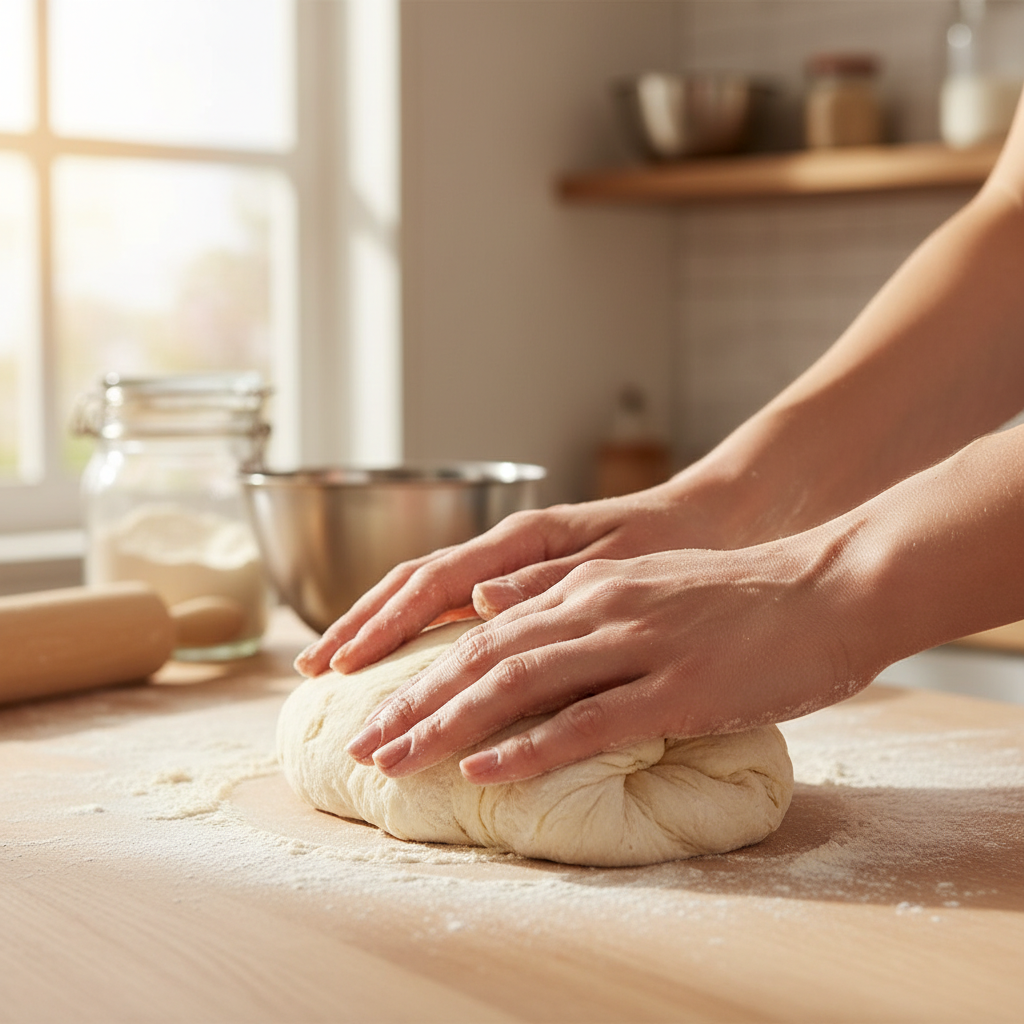
    Close-up of human hands gently kneading soft, elastic yeast dough on a lightly floured wooden countertop.
    Professional food photography, photorealistic, high-quality food magazine photo style: A close-up, eye-level shot of real human hands, with well-manicured nails, gently kneading smooth, elastic yeast dough on a lightly floured light wooden countertop. The hands are actively working the dough, showing the process. The background is a clean, bright home kitchen culinary workspace with natural light streaming in, creating a warm, inviting atmosphere. Focus is sharply on the dough and hands, with a subtle blur in the background.

    Ingredients for Fluffy Homemade Rolls

    Crafting the best homemade yeast rolls starts with simple ingredients. This list ensures your rolls will be incredibly soft and delicious.

    • All-Purpose Flour: The foundation of your rolls, providing structure.
    • Active Dry Yeast: This is what makes your rolls rise and become fluffy.
    • Granulated Sugar: Adds a touch of sweetness and essential food for the yeast.
    • Warm Milk: Activates the yeast and adds richness to the dough. Aim for 105-115°F (40-46°C) for best results [2].
    • Unsalted Butter, Melted: For a tender texture and rich flavor.
    • Egg: Adds richness and color while helping to bind the dough.
    • Salt: Enhances flavor and controls yeast activity.

    Missing something? Our AI-powered Recipe-GPT can suggest substitutions. It can also help you quickly adjust ingredients for dietary needs—just ask for gluten-free flour options or dairy-free milk alternatives!

    Essential Equipment

    You don’t need a professional kitchen to make perfect yeast rolls, as you likely have most of these items already. Having the right tools simply makes the process smoother and more enjoyable.

    • Large Mixing Bowl: For combining ingredients and allowing the dough to rise.
    • Measuring Cups and Spoons: Accuracy is key in baking.
    • Liquid Measuring Cup: For liquids like milk.
    • Stand Mixer with Dough Hook (Optional): Makes kneading much easier, but hand kneading works wonderfully too.
    • Plastic Wrap or Clean Kitchen Towel: To cover the dough as it rises.
    • 9×13 Inch Baking Dish: Or a similarly sized dish to bake your rolls.
    • Pastry Brush (Optional): For brushing the rolls with melted butter after baking.

    If you’re unsure how to use a specific tool, Recipe-GPT can offer quick guidance, helping you feel confident with any recipe.

    Step 1: Activating the Yeast

    This simple but crucial first step ensures your yeast is alive and ready to make your rolls light and airy.

    1. Warm the Milk: Gently heat your milk until it is warm to the touch, not hot. A temperature between 105-115°F (40-46°C) is ideal. Use a thermometer for accuracy if you have one.
    2. Combine Ingredients: Pour the warm milk into your large mixing bowl, then add the granulated sugar and active dry yeast.
    3. Let it Bloom: Stir gently, then let the mixture sit for 5-10 minutes. A foamy layer on top indicates your yeast is active and ready to go.

    If your yeast doesn’t foam, it might be old or the milk was the wrong temperature. Don’t worry—Recipe-GPT can help you troubleshoot the issue or suggest a new approach.

    Step 2: Mixing and Kneading the Dough

    Now it’s time to bring your ingredients together into a smooth, elastic dough. This step is vital for creating soft, chewy rolls.

    1. Add Wet Ingredients: To the activated yeast mixture, add the melted butter, egg, and salt. Stir well to combine.
    2. Gradually Add Flour: Begin adding the flour, about one cup at a time, mixing with a wooden spoon until a shaggy dough forms.
    3. Knead the Dough:
      • By Hand: Turn the dough out onto a lightly floured surface. Knead for 8-10 minutes by pushing the dough away with the heels of your hands, then folding it back over.
      • With a Stand Mixer: Attach the dough hook and mix on low speed for 6-8 minutes. The dough should gather around the hook, pulling away from the sides of the bowl.
    4. Check for Smoothness: The dough is ready when it becomes smooth, elastic, and slightly tacky, but not overly sticky.

    For tips on perfect kneading or variations like no-knead bread, just ask Recipe-GPT.

    Step 3: The First Rise

    This stage, also known as proofing, is where the yeast works its magic. It not only develops your rolls’ signature light texture but also adds flavor to the dough.

    1. Prepare the Bowl: Lightly grease your mixing bowl with a little oil or cooking spray.
    2. Place the Dough: Transfer the kneaded dough into the greased bowl and turn it once to coat all sides with oil.
    3. Cover and Rise: Cover the bowl tightly with plastic wrap or a clean kitchen towel.
    4. Find a Warm Spot: Place the bowl in a warm, draft-free area. A slightly warm oven (turned off, with just the light on) is an ideal spot.
    5. Let it Double: Allow the dough to rise for 1 to 1.5 hours, or until it has doubled in size.

    This step is where patience pays off. If you’re short on time, Recipe-GPT can provide instant reminders or suggest quicker rising methods.

    Step 4: Shaping the Rolls

    Once your dough has completed its first rise, it’s time to shape it into individual rolls. This part of the process is fun and easy.

    1. Punch Down Dough: Gently punch down the risen dough to release the air.
    2. Divide the Dough: Turn the dough out onto a lightly floured surface and divide it into 12-16 equal pieces. For the most uniform rolls, use a kitchen scale.
    3. Shape Each Piece:
      • Take one piece of dough.
      • Gently pull the edges underneath to form a smooth ball.
      • Roll it between your palm and the countertop in a circular motion to create tension on the surface.
    4. Arrange in Pan: Place the shaped rolls into your greased 9×13 inch baking dish, leaving a small space between each one.

    To add a personalized touch to your meal, ask Recipe-GPT for alternative shapes, like knots or crescent rolls. It’s an easy way to explore new ideas.

    Step 5: The Second Rise

    This second rise is shorter but equally important for achieving that perfect, light, and fluffy texture after baking.

    1. Cover Again: Loosely cover the baking dish with plastic wrap or a clean kitchen towel.
    2. Warm Spot: Return the dish to a warm, draft-free place for its second rise.
    3. Second Proof: Let the rolls rise for another 30-45 minutes, until they have puffed up, look visibly plumper, and have nearly doubled in size again.
    4. Preheat Oven: During the last 15 minutes of this rise, preheat your oven to 375°F (190°C).

    The second rise ensures maximum airiness. Recipe-GPT’s intuitive guidance can help you master these steps effortlessly.

    Step 6: Baking to Golden Perfection

    The moment of truth! Baking transforms your risen dough into beautiful, golden-brown yeast rolls. The aroma will fill your kitchen.

    1. Bake the Rolls: Place the baking dish into the preheated oven.
    2. Baking Time: Bake for 18-22 minutes.
    3. Check for Doneness: The rolls are ready when they are golden brown on top and sound hollow when tapped. For certainty, an instant-read thermometer inserted into the center should read 200-210°F (93-99°C) [3].
    4. Optional Butter Glaze: For extra shine and flavor, immediately brush the hot rolls with melted butter when they come out of the oven.
    5. Cool and Serve: Let the rolls cool in the pan for a few minutes before serving them warm.

    Enjoy your homemade yeast rolls! For the perfect meal to accompany them, ask Recipe-GPT for personalized suggestions based on your preferences.

    How Can AI Personalize Your Dinner Roll Recipe?

    Find Ingredient Substitutions in Seconds

    Missing an ingredient for your homemade rolls? No problem. Recipe-GPT comes to the rescue. Our AI-powered tool instantly suggests smart substitutions, so you can keep baking without a trip to the store.

    Imagine you’re out of milk for your yeast rolls. Recipe-GPT might suggest alternatives like:

    • Water with a little butter.
    • Almond milk or soy milk.
    • Buttermilk for a tangy twist.

    These quick solutions save you time and hassle. They also help prevent food waste by letting you use ingredients you already have. This makes baking your easy yeast rolls so much simpler.

    Instantly Adjust Serving Sizes

    Planning a small dinner or a big family gathering? Recipe-GPT makes scaling your homemade rolls recipe effortless. Skip the complex math—our AI automatically adjusts all ingredient quantities for you.

    Whether you need a few rolls or dozens, Recipe-GPT handles it. This feature is incredibly helpful for busy families because it ensures you have the perfect amount every time, preventing waste or running short. For instance, you can easily scale our best dinner rolls recipe for:

    • A cozy dinner for two.
    • A potluck with friends.
    • A large holiday feast.

    This instant adjustment gives you confidence in the kitchen.

    Get Creative Flavor Variation Ideas

    Ready to explore beyond the classic dinner roll? Recipe-GPT is your creative partner. Our AI generates unique flavor variations tailored to your tastes, bringing new life to your yeast rolls recipe.

    Whether you want your homemade yeast rolls to be sweet or savory, just tell Recipe-GPT your preferences. It will offer exciting ideas. For example, consider these delicious twists:

    • Herby Garlic Rolls: Add minced garlic and fresh rosemary to the dough. Brush with garlic butter after baking.
    • Cheddar and Chive Rolls: Fold in shredded cheddar cheese and fresh chives. These are perfect with soup.
    • Sweet Cinnamon Rolls: Swirl in a cinnamon-sugar filling before the second rise. Top with a simple glaze.
    • Everything Bagel Rolls: Sprinkle the tops with “everything bagel” seasoning. This adds a savory crunch.

    This personalization helps you discover new favorites and transform simple rolls into a special treat. Recipe-GPT makes cooking fun and inspiring.

    Top Tips for Soft, Fluffy Rolls Every Time

    Crafting light, airy rolls is a satisfying kitchen achievement. With just a few key techniques, you can ensure your homemade yeast rolls are perfectly soft and fluffy every time. Think of these tips as your secret ingredients for success!

    Recipe-GPT can help you master these elements. Our AI can guide you, suggest ideal temperatures, and even offer ingredient swaps to suit your pantry.

    Essential Techniques for Perfect Rolls

    • Measure Precisely: Baking is science, especially with yeast. Use a kitchen scale for flour if possible [4]. This ensures consistent results. Too much flour makes rolls dense, not fluffy.
    • Master Yeast Activation: Warm water (around 105-115°F or 40-46°C) wakes up your yeast. Too hot, and you’ll kill it; too cold, and it won’t activate. Recipe-GPT can provide precise temperature guidance for your recipe.
    • Knead for Gluten Development: Proper kneading builds the gluten structure. This creates that wonderful chewy-yet-tender texture. Knead until the dough is smooth and elastic. It should spring back when gently poked.
    • Allow for a Full First Rise: Give your dough time to double in size in a warm, draft-free spot. This crucial step develops flavor and texture. A slow, steady rise is key.
    • Don’t Skip the Second Rise: After shaping your rolls, let them rise again. This second rise, also known as proofing, is what makes them incredibly light and airy.
    • Avoid Overbaking: Bake until golden brown, but resist the urge to bake longer. Overbaked rolls become dry and tough. A thermometer should read around 190-200°F (88-93°C) in the center for doneness.
    • Add Fat for Tenderness: Ingredients like butter, oil, or egg yolks add richness and keep your rolls soft. They help create a tender bite by relaxing the gluten structure.
    • Consider Milk for Softness: Using milk instead of water in your dough creates a richer, softer roll. The milk sugars also help with browning. Recipe-GPT can easily suggest dairy-free alternatives if needed.
    • Brush with Butter (Optional, but Recommended!): Immediately after baking, brush the hot rolls with melted butter. This adds flavor, shine, and keeps the crust soft.

    With Recipe-GPT, you can get personalized baking instructions in seconds. Our AI helps you adapt any yeast roll recipe—just share your preferences, and it will generate the perfect steps. This makes creating delicious homemade rolls simple and stress-free.

    Frequently Asked Questions

    How do you make yeast rolls from scratch without milk?

    Absolutely! You can easily make delicious yeast rolls without using milk. Many successful recipes use water as the primary liquid. This is a perfect option if you have a dairy allergy or simply prefer not to use milk.

    Recipe-GPT can help you find suitable substitutions instantly. Just ask for a “dairy-free yeast roll recipe,” and our AI will adapt the instructions. It can also suggest alternatives based on what you have in your pantry.

    Here are some great milk alternatives for your homemade rolls:

    • Water: This is the simplest substitute. Use the same quantity as milk. Your rolls will have a slightly chewier texture and a less rich flavor.
    • Plant-Based Milks: Almond milk, soy milk, or oat milk work well. Opt for unsweetened varieties to maintain the savory balance. These options add a richness and softness to the dough, much like dairy milk.
    • Coconut Milk (Light): Use light coconut milk for a subtle richness. Be aware that it might impart a faint coconut flavor.

    These simple swaps ensure your homemade rolls are still incredibly tasty and fluffy. Recipe-GPT makes adapting recipes like this straightforward and quick.

    Can I make easy yeast rolls for beginners with no mixer?

    Yes, you absolutely can! Making yeast rolls by hand is a classic method and a great way for beginners to get a feel for the dough. You don’t need any fancy equipment for amazing results.

    Kneading by hand builds arm strength and helps you understand dough development. It ensures your easy yeast rolls come out soft and airy. In fact, many experienced bakers prefer the tactile experience of hand kneading.

    Here’s how easy it is:

    • Mix your ingredients in a large bowl with a wooden spoon.
    • Once a shaggy dough forms, turn it out onto a lightly floured surface.
    • Knead by pushing the dough away with the heels of your hands, then fold it back towards you.
    • Repeat this motion for about 8-10 minutes, until the dough becomes smooth and elastic.

    Recipe-GPT can provide step-by-step instructions tailored for hand kneading. Our AI-powered guidance ensures you gain confidence in the kitchen and simplifies the process, even without a mixer.

    What’s the difference between active dry and instant yeast?

    Understanding yeast types is key to successful baking. Both active dry and instant yeast are common, and they perform the same function: making your dough rise. However, they differ in how you use them.

    Recipe-GPT can adjust recipes for whichever type of yeast you have on hand. It helps you avoid confusion and ensures your homemade rolls turn out perfectly.

    Here’s a quick breakdown:

    • Active Dry Yeast: This yeast typically needs to be “activated” first. You dissolve it in warm liquid (usually water or milk) with a pinch of sugar. This process, called proofing, confirms the yeast is alive and takes about 5-10 minutes. You will see foam form if it’s active [5].
    • Instant Yeast: This yeast has finer granules and doesn’t require proofing. You can mix it directly into your dry ingredients. It also tends to make dough rise a bit faster than active dry yeast.

    You can often substitute one for the other. You’ll use slightly less instant yeast than active dry. For instance, if a recipe calls for 2 ¾ teaspoons of active dry yeast, you would use 2 ¼ teaspoons of instant yeast instead. Recipe-GPT can automatically handle these conversions for you, making your baking decisions much easier.

    How should I store homemade rolls to keep them fresh?

    Proper storage is key to keeping your homemade yeast rolls soft and fresh for as long as possible.

    Recipe-GPT can provide personalized storage tips with every recipe. This ensures you get the most out of your kitchen creations.

    Follow these simple steps for optimal freshness:

    • Room Temperature (1-2 days): Once completely cooled, place your rolls in an airtight container or a resealable plastic bag. This prevents them from drying out. Store them on your countertop.
    • Refrigeration (Up to 1 week): If you need to store them longer, move them to the refrigerator. While this extends their life, refrigeration can sometimes dry out bread, so make sure they are in an airtight container.
    • Freezing (Up to 3 months): For longer storage, freeze your rolls. Wrap each roll individually in plastic wrap, then place them in a freezer-safe bag. Thaw them at room temperature before reheating.

    To reheat, wrap rolls in foil and bake at 300°F (150°C) for 10-15 minutes, or microwave them briefly. This will bring back their wonderful softness. Recipe-GPT offers practical advice like this, making meal planning and food preservation effortless.


    Sources

    1. https://sfyl.ifas.ufl.edu/archive/hot-topics/hot-topics-health/the-benefits-of-baking/
    2. https://redstaryeast.com/yeast-baking-lessons/yeast-science/yeast-temperature-and-liquids/
    3. https://www.kingarthurbaking.com/blog/2016/08/17/yeast-dough-temperatures
    4. https://www.kingarthurbaking.com/blog/2015/05/20/weighing-vs-measuring
    5. https://redstaryeast.com/yeast-baking-lessons/yeast-tips-tricks/proof-yeast/
  • How to Make The Best Moist Banana Bread: An Easy Step-by-Step Recipe

    The best banana bread recipe combines simple ingredients like overripe bananas, flour, sugar, eggs, butter or oil, and baking soda. The key is to use very ripe, mashed bananas for natural sweetness and moisture, and to avoid overmixing the batter, which ensures a tender, soft loaf every time.

    We all know that feeling: perfectly ripe, spotty bananas on the counter, just begging to be used. While baking can seem like a big project, the comforting aroma of fresh banana bread is hard to resist. So, how do you achieve that moist, melt-in-your-mouth texture with a recipe that’s actually simple?

    Forget complicated steps and long ingredient lists. At Recipe-GPT, we believe making delicious food should be simple and fast. Our guide to the best easy banana bread recipe is designed to do just that. We use an AI-powered approach to simplify each step, helping you create a personalized loaf. You can stick to a classic, moist banana bread or explore variations like an easy banana nut bread recipe.

    Ready to turn those ripe bananas into a crowd-pleasing classic? This recipe is designed for beginners and busy cooks alike, ensuring you get a perfect, tender loaf every single time. Let’s get started.

    Why Is This the Easiest Banana Bread Recipe?

    Perfect for Beginners and Busy Cooks

    This banana bread recipe is designed to be incredibly forgiving, making it perfect for anyone new to baking. You don’t need special skills—just follow the simple, clear steps for a delicious result.

    It’s also a lifesaver for busy schedules. With minimal prep time and common pantry ingredients, you can whip up a loaf even on a hectic day. Best of all, it transforms overripe bananas into a delightful treat, helping you reduce food waste [1].

    This easy recipe takes the guesswork out of baking, guaranteeing a moist, flavorful loaf with minimal effort. It’s the ideal choice when you need a quick and reliable bake.

    How Recipe-GPT Helps Personalize Your Perfect Loaf

    Recipe-GPT does more than provide an easy recipe—our AI-powered platform helps you personalize it. Your banana bread will always be adapted to your needs, preferences, and the ingredients you have on hand. It’s a fast way to get tailored meal inspiration.

    Here’s how Recipe-GPT makes your banana bread experience truly yours:

    • Ingredient Adaptation: Only have two bananas? Our AI can instantly adjust the recipe for “banana bread recipe 2 bananas,” preventing food waste and unnecessary grocery trips.
    • Dietary Tweaks: Need a gluten-free or vegan option? Simply tell Recipe-GPT your preferences, and the AI will suggest appropriate substitutions for a personalized loaf.
    • Flavor Variations: Craving something extra? Ask for “easy banana nut bread” or “banana bread with chocolate chips” to get inspired add-in ideas.
    • Serving Size Adjustments: Baking for one or a crowd? Recipe-GPT scales the recipe up or down effortlessly to ensure perfect portions every time.
    • Quick Recipe Generation: Discover new variations, like a “3 ingredient banana bread” or “4 ingredient banana bread,” perfect for when you’re short on time.

    Think of our AI as your personal kitchen assistant, making meal planning easy and intuitive. It moves you from mealtime indecision to confident baking, helping you explore a variety of customized options to find the “best banana bread recipe moist” for you.

    What are the ingredients of banana bread?

    A meticulously arranged flat lay of all the raw ingredients for banana bread, including ripe bananas, flour, sugar, and eggs, ready for mixing on a kitchen counter.
    Professional food photography, photorealistic, high-quality food magazine photo style. A beautifully arranged flat lay of all the essential raw ingredients for moist banana bread on a clean, light-colored kitchen counter or rustic wooden surface. Include perfectly ripe, spotty bananas, all-purpose flour in a bowl, granulated sugar, brown sugar, eggs in a carton or bowl, softened butter, baking soda, vanilla extract, and a pinch of salt. The ingredients should be fresh, vibrant, and neatly presented, conveying a sense of preparation and ease. Lighting is bright and natural, highlighting textures. Culinary workspace, home kitchen environment.

    Core Ingredients for the Best Moist Banana Bread

    Making delicious, moist banana bread is simpler than you think, and it all starts with a few key ingredients. If you’re missing an item or have dietary needs, Recipe-GPT can suggest smart substitutions (like dairy-free butter or egg alternatives) and provide clear, step-by-step guidance.

    Here are the core ingredients you will need:

    • Overripe Bananas: These are crucial, providing natural sweetness and a moist texture. Look for bananas with lots of brown spots or entirely black peels.
    • All-Purpose Flour: This common pantry item forms the structure of your bread.
    • Granulated Sugar: Sugar adds sweetness and helps with browning.
    • Eggs: Eggs bind the ingredients together while adding richness and moisture.
    • Unsalted Butter or Vegetable Oil: Fat makes the bread tender. Butter adds a richer flavor, while oil makes it extra moist.
    • Baking Soda: This leavening agent helps the bread rise, making your loaf light and fluffy.
    • Salt: A pinch of salt enhances all the other flavors and balances the sweetness.
    • Vanilla Extract: Vanilla adds a warm, inviting aroma and flavor.

    Optional Add-Ins: Nuts, Chocolate, and Spices

    Once you have the core ingredients, you can get creative by personalizing your banana bread. Adding extra flavors and textures will make your loaf truly unique. Consider these popular additions to elevate your recipe:

    • Chopped Nuts: Walnuts or pecans are classic choices that add a delightful crunch and nutty flavor.
    • Chocolate Chips: Milk, dark, or semi-sweet chocolate chips melt beautifully, creating pockets of gooey sweetness.
    • Spices: Cinnamon, nutmeg, or allspice add warmth and complement the banana flavor wonderfully.
    • Oats: A handful of rolled oats can add a wholesome texture and boost the fiber content.
    • Dried Fruit: Raisins, dried cranberries, or chopped dates offer chewy sweetness.

    Recipe-GPT makes trying variations simple. Just tell it what you have on hand or what you’re craving. For instance, ask for a “banana nut bread recipe easy” or a “chocolate chip banana bread,” and our AI will instantly generate a tailored recipe. You can even specify a “banana bread recipe 2 bananas” if that’s all you have, making your cooking experience effortless and enjoyable.

    How to make a simple banana loaf?

    A freshly baked, golden-brown banana bread loaf cooling on a wire rack on a wooden board in a warm kitchen setting.
    Professional food photography, photorealistic, high-quality food magazine photo style. A stunning, perfectly baked golden-brown banana bread loaf, just removed from the pan, resting on a rustic cooling rack on a wooden cutting board. The top of the loaf should have a slight crack, indicating perfect moisture, and a rich golden-brown crust. Soft, inviting steam might be subtly rising. The background is a clean, cozy home kitchen environment with soft, warm lighting. Emphasize the moist, tender appearance of the bread without cutting it yet. Culinary workspace.

    Step 1: Preheat Your Oven and Prepare the Pan

    Let’s start by getting the oven ready. Preheating is a key step that ensures your banana bread bakes evenly.

    • Preheat your oven to 350°F (175°C).
    • Lightly grease and flour a 9×5 inch loaf pan.
    • For easier removal, you can also line the pan with parchment paper, leaving an overhang on the sides.

    Remember, Recipe-GPT can instantly adjust recipe details. If you have a different pan size, for example, our AI can suggest tweaks to the baking time to ensure your loaf turns out perfectly.

    Step 2: Combine the Wet Ingredients

    Next, combine the wet ingredients. This is where the natural sweetness of ripe bananas creates the foundation of your bread’s flavor.

    1. In a large bowl, mash your ripe bananas until mostly smooth. A few small lumps are perfectly fine.
    2. Add the granulated sugar to the mashed bananas and mix them well.
    3. Beat in the egg, melted butter (or oil), and vanilla extract until just combined.

    Need an ingredient substitution? Recipe-GPT can suggest healthy alternatives, like using applesauce or Greek yogurt instead of butter, to make your meal planning effortless.

    Step 3: Whisk the Dry Ingredients

    Now it’s time for the dry ingredients. Whisking them together properly is key to an even rise and a tender crumb.

    • In a separate medium bowl, whisk together the all-purpose flour, baking soda, and salt.
    • Make sure there are no lumps to help the leavening agents distribute evenly.

    Thinking about a gluten-free option? Recipe-GPT can easily adapt this recipe for you, generating personalized suggestions based on your dietary needs.

    Step 4: Gently Mix Wet and Dry

    This is a crucial step for a perfectly moist banana bread. The key is to be gentle and not overmix.

    1. Pour the dry ingredient mixture into the wet ingredients.
    2. Gently fold the mixture together with a spatula or wooden spoon.
    3. Mix only until the flour streaks disappear. Be careful not to overmix, as this will result in a tough, dense loaf.

    Optional additions: Now is the time to fold in any extras! Consider these ideas for a delightful twist:

    • 1/2 cup chocolate chips
    • 1/2 cup chopped walnuts or pecans (for an easy banana nut bread recipe)
    • 1 teaspoon cinnamon or a pinch of nutmeg for extra warmth

    Recipe-GPT makes it easy to customize your loaf. Simply tell our AI what you have on hand or what you’re craving, and it will suggest delicious variations!

    Step 5: Bake, Cool, and Enjoy

    You’ve reached the final and most rewarding step. Your kitchen will soon be filled with the wonderful aroma of homemade banana bread.

    1. Pour the batter into your prepared loaf pan and spread it evenly.
    2. Bake for 50-65 minutes.
    3. To check for doneness, insert a toothpick into the center of the loaf. It should come out clean.
    4. Once baked, remove the pan from the oven and let it cool in the pan for 10-15 minutes.
    5. Then, carefully transfer the loaf to a wire rack to cool completely before slicing.

    There you have it—a delicious, moist banana bread! With Recipe-GPT, turning simple ingredients into a comforting treat is always quick and enjoyable. Enjoy your perfect snack or breakfast, tailored to your kitchen and taste.

    What is the number one mistake made when making banana bread?

    Avoiding the Overmixing Trap for a Tender Crumb

    The number one mistake bakers make with banana bread is overmixing the batter. This common pitfall can turn a potentially moist loaf into a tough, chewy one.

    When you mix flour with liquid, gluten develops. While gluten creates the structure for chewy artisan bread, it’s the enemy of a tender crumb. For soft banana bread, you need to keep gluten development to a minimum.

    Therefore, mix gently. Once your wet and dry ingredients are combined, stir just until no streaks of flour remain. A few small lumps are perfectly fine—in fact, they’re a good sign you haven’t overdone it!

    Recipe-GPT helps you master this crucial step. Our AI-powered recipes provide clear instructions so you know exactly when to stop mixing. This takes the guesswork out of baking, ensuring a perfect texture and delicious results every time.

    Using Overripe Bananas: The Key to Flavor and Moisture

    The secret to incredibly moist banana bread isn’t a complex technique—it’s using the right bananas. Perfectly overripe bananas are crucial, but it’s a step many home bakers overlook.

    Green or yellow bananas simply won’t do. You need bananas with plenty of brown spots, or even almost entirely black peels. Why are these so important?

    • Intense Sweetness: As bananas ripen, their starches convert into natural sugars. This makes your banana bread wonderfully sweet, reducing the need for extra sugar. [2]
    • Deep Flavor: Ripe bananas develop a much richer, more complex banana flavor. This shines through beautifully in your loaf.
    • Added Moisture: Overripe bananas are softer and break down easily. They add natural moisture to your batter, contributing to that desired moist banana bread texture.

    Recipe-GPT helps you work with the ingredients you have. If your bananas aren’t quite ready, our AI can suggest quick-ripening tips. It can also offer personalized recipe variations, such as one with less sugar. This guidance ensures you get the best results from the ingredients on hand.

    Easy Recipe Variations You Can Try

    Two slices of banana bread, one classic and one with visible chocolate chips, presented on white plates in a home kitchen.
    Professional food photography, photorealistic, high-quality food magazine photo style. A close-up shot of two distinct slices of banana bread displayed side-by-side on individual white ceramic plates. One slice is classic moist banana bread, showing a soft, even crumb. The second slice is a chocolate chip banana bread variation, clearly showing melted, gooey chocolate chips embedded within the crumb. Both slices should look incredibly inviting, warm, and freshly cut. A subtle, soft focus on a warm, inviting home kitchen background. Emphasize texture and deliciousness. Culinary workspace.

    Simple Banana Nut Bread Recipe

    It’s incredibly easy to transform classic banana bread into a delightful banana nut version. Adding nuts provides a satisfying crunch and an extra layer of flavor. Plus, nuts are a fantastic source of healthy fats and protein [source: https://www.mayoclinic.org/diseases-conditions/heart-disease/in-depth/nuts/art-20046635].

    To make this variation, simply choose your favorite nuts. For an even easier experience, tell Recipe-GPT you want “banana nut bread,” and our AI will instantly personalize the recipe for you. You’ll get quick, tailored meal inspiration every time.

    Here’s how to do it:

    • Choose Your Nuts: Walnuts are a classic choice, but pecans or chopped almonds also work wonderfully.
    • Chop Them Up: Aim for roughly chopped pieces to ensure a good texture without overpowering the bread.
    • Add to Batter: Gently fold about 1/2 to 1 cup of chopped nuts into your finished banana bread batter just before pouring it into the loaf pan.
    • Bake as Usual: Follow the standard baking instructions for your recipe to get the best moist banana bread.

    It’s a small change that brings big flavor! Recipe-GPT can even suggest other mix-ins to pair with your nuts, offering endless personalized recipe suggestions.

    Only Have 2 Bananas? Here’s What to Do

    Don’t let a banana shortage stop your baking plans! While many recipes call for three or more ripe bananas, you can absolutely make a delicious loaf with just two. Recipe-GPT helps you adjust recipes on the fly, making your mealtime decisions easy.

    To get a personalized recipe, just input your available ingredients into our AI. It’s the perfect way to use what you have on hand, reducing food waste with simple, practical cooking solutions.

    Here are your quick solutions:

    • Scale Down: Most recipes can be easily scaled. Reduce all other ingredients proportionally by about one-third. This will yield a slightly smaller loaf or a few delicious muffins.
    • Add a Filler: Compensate for the missing banana by adding 1/4 to 1/2 cup of unsweetened applesauce or plain yogurt. This keeps the moisture level perfect.
    • Boost Flavor: With fewer bananas, you can intensify the banana flavor by adding an extra 1/2 teaspoon of vanilla extract or a pinch of cinnamon.
    • Bake Shorter: If you’ve scaled down the recipe, remember to adjust your baking time. Start checking for doneness 5-10 minutes earlier than the original recipe suggests.

    Recipe-GPT streamlines this process for you by generating clear, step-by-step instructions. This helps you bake with confidence, even when you’re short on an ingredient.

    Quick 3 and 4-Ingredient Banana Bread

    Imagine whipping up delicious banana bread with just a handful of ingredients. These simple recipes are perfect for busy families or a quick snack. Recipe-GPT specializes in providing fast and practical recipes, turning mealtime indecision into clear, personalized suggestions.

    Our AI can instantly find simplified versions of your favorite dishes, which means less stress and more enjoyment in the kitchen. Here’s how these minimalist recipes work:

    3-Ingredient Banana Bread

    This ultra-simple version uses self-rising flour, which already contains leavening agents and salt. As a result, you don’t need to add baking soda or powder.

    • Ingredients:
      • 2-3 very ripe bananas, mashed
      • 1 large egg
      • 1 cup self-rising flour
    • Instructions:
      1. Preheat oven to 350°F (175°C). Prepare a small loaf pan.
      2. In a bowl, mix the mashed bananas and egg until well combined.
      3. Gently fold in the self-rising flour until just combined. Do not overmix.
      4. Pour the batter into the pan and bake for 25-30 minutes, or until a toothpick inserted into the center comes out clean.

    4-Ingredient Banana Bread

    This recipe adds a touch of sweetness while keeping things incredibly simple and fast.

    • Ingredients:
      • 2-3 very ripe bananas, mashed
      • 1 large egg
      • 1 cup self-rising flour
      • 1/4 cup granulated sugar (or less, to taste)
    • Instructions:
      1. Preheat oven to 350°F (175°C). Prepare a small loaf pan.
      2. In a bowl, mix the mashed bananas, egg, and sugar until well combined.
      3. Gently fold in the self-rising flour until just combined. Again, avoid overmixing.
      4. Pour the batter into the pan and bake for 30-35 minutes. Check with a toothpick for doneness.

    These recipes are great for beginners and prove that delicious, easy-to-follow guidance is always possible. Recipe-GPT helps you discover new dishes, simplifying your meal planning and enhancing your cooking experience.

    Frequently Asked Questions

    What is the secret ingredient in banana bread?

    The secret to amazing banana bread isn’t one single ingredient, but the most important one is overripe bananas. They provide the most intense flavor and natural sweetness. As bananas overripen, their starches convert to sugar, giving them a sweeter taste and a softer texture that’s perfect for baking [3]. This means you can often use less added sugar in your recipe.

    Beyond bananas, a touch of vanilla extract can deepen the flavor. Spices like cinnamon or nutmeg also add a warm, inviting aroma. For a personalized touch, Recipe-GPT can suggest unique spice blends tailored to your preferences.

    How do you make a quick and easy banana cake?

    Good news! Our “easy banana bread recipe” is essentially a delicious banana cake that’s simply baked in a loaf pan instead of a round one. The steps are incredibly simple and fast.

    You just combine the wet ingredients, mix the dry ones separately, and then gently fold them together. The focus is on minimal fuss for maximum flavor. For added convenience, Recipe-GPT can quickly adjust serving sizes or suggest different baking times for various pan shapes, including cupcakes or a round cake.

    What are the three ingredients in banana bread?

    While some “3-ingredient banana bread” recipes exist, truly delicious banana bread usually requires a few more components. These simpler versions—often combining just bananas, self-rising flour, and a sweetener—can be a quick fix in a pinch.

    For the best moist banana bread, you’ll typically need key ingredients like ripe bananas, flour, sugar, an egg, and a fat such as butter or oil. Our AI-powered platform, Recipe-GPT, can help by generating recipes, simplifying ingredient lists based on what you have, or suggesting clever substitutions from your pantry.

    How do I keep my banana bread moist?

    Keeping your banana bread wonderfully moist is key to getting the best results. Here are a few simple tricks to ensure a tender crumb:

    • Use very ripe bananas: Always choose bananas with plenty of brown spots, as they contain more moisture and natural sugars.
    • Don’t overmix: Overmixing develops gluten, which can make your loaf tough and dry. Mix just until the wet and dry ingredients are combined.
    • Add moist-enhancing ingredients: Consider including sour cream, yogurt, or buttermilk. These ingredients add a pleasant tang and extra tenderness.
    • Store it correctly: Once completely cooled, wrap your banana bread tightly and store it at room temperature to maintain freshness and moisture for several days [4].

    To help ensure your baking success every time, Recipe-GPT prioritizes recipes known for producing a moist and tender crumb.


    Sources

    1. https://www.epa.gov/recycle/reducing-wasted-food-home
    2. https://www.chiquita.com/blogs/why-are-brown-bananas-sweeter
    3. https://www.seriouseats.com/the-science-of-banana-bread-how-to-make-banana-bread-moist-flavorful
    4. https://www.thespruceeats.com/how-to-store-banana-bread-5211933

  • How to Make Easy Breads and Doughs: An AI-Powered Guide for Beginners

    How to Make Easy Breads and Doughs: An AI-Powered Guide for Beginners

    Breads and doughs are staple foods typically made from flour, water, and a leavening agent like yeast or baking soda. This ultimate guide uses AI to simplify baking, providing easy-to-follow recipes for beginners covering everything from quick banana bread and pizza dough to soft dinner rolls and no-knead artisan loaves.

    Imagine your kitchen filled with the comforting aroma of freshly baked bread. For many, baking from scratch seems intimidating—a skill reserved for seasoned chefs. But what if you could bake with confidence? This guide shows you how simple and rewarding it is to create delicious loaves, pizzas, and pastries in your own home. It’s designed to make that dream a reality for beginners, busy families, and home cooks alike.

    That’s where Recipe-GPT steps in. We use AI to transform mealtime decisions from stressful to simple. Our smart assistant generates quick, personalized recipes with clear, step-by-step guidance tailored to your skill level, available ingredients, and dietary preferences. Whether you’re craving the best banana bread recipe, a banana nut bread recipe easy enough for a weeknight, or a perfect homemade pizza, our AI provides the instructions to bake with confidence. You’ll discover just how simple an easy banana bread recipe can be and even learn to create a famously moist banana bread recipe with our help.

    This article is your friendly guide to the world of homemade breads and doughs. We’ll show you how to create everything from crusty artisan loaves to fluffy dinner rolls, proving that delicious baking is within everyone’s reach. So, how can AI make your baking journey smoother and more enjoyable? Let’s explore how our intelligent companion simplifies every step, from ingredient suggestions to perfect baking tips.

    Why Use AI for Your Bread and Dough Recipes?

    Does baking bread and making dough from scratch seem intimidating? Many people find it too complex or time-consuming. However, AI can transform this experience by making homemade bread and dough accessible to everyone.

    Our AI-powered platform removes the guesswork from baking by turning complex recipes into simple, enjoyable steps. Even if you’re a complete beginner, you can create delicious results with ease. The outcome is less stress in the kitchen and more fresh baked goods for your family to enjoy.

    Personalized Recipes for Your Kitchen

    Stop scrolling through endless generic recipes. Recipe-GPT uses AI to provide tailored suggestions that understand your unique needs and preferences. This ensures every recipe is a perfect fit for your lifestyle.

    • Ingredients You Have: Simply tell Recipe-GPT what you have on hand. The AI can suggest an easy banana bread recipe using just two ripe bananas or help you make simple homemade cornbread with basic pantry staples.
    • Dietary Needs: Are you looking for a gluten-free loaf? Or perhaps a vegan pastry? Our AI quickly filters recipes and suggests suitable substitutions for common ingredients like flour or dairy.
    • Skill Level: New to baking? Recipe-GPT prioritizes beginner-friendly options, such as an easy no-knead bread recipe. It can also provide guidance on using specific tools, like a Dutch oven for achieving a perfect crusty bread.

    Save Time and Effort with Smart Suggestions

    Time is precious, especially for busy families. Our AI saves you time by speeding up your meal planning and baking prep with instant, practical solutions.

    • Instant Recipe Ideas: No more wondering “what to bake?” Get quick banana bread ideas or simple pizza dough recipes in seconds.
    • Easy Substitutions: Ran out of an ingredient? The AI suggests alternatives. This feature is a lifesaver, allowing you to make that moist banana bread recipe without a last-minute grocery run.
    • Adjustable Serving Sizes: Need a smaller batch for yourself or a large one for a gathering? AI can scale recipes perfectly, adjusting ingredient quantities to prevent waste.
    • Meal Planning Support: Plan your weekly baking with ease. Recipe-GPT helps you organize your schedule and discover new dishes efficiently, which significantly reduces mealtime stress.

    Discover New Favorites and Build Confidence

    Beyond just simplifying recipes, AI can also spark creativity in the kitchen. Recipe-GPT helps you explore a world of new flavors and build your confidence as a baker.

    • Explore Variations: Ever thought about adding nuts to your banana bread? The AI can suggest an easy-to-follow banana nut bread recipe or offer other fresh ideas for your favorite doughs.
    • Try New Things: From simple homemade bagels to fluffy dinner rolls, our AI guides you by breaking down complex processes into manageable steps. This helps you build confidence with every bake.
    • Consistently Delicious Results: By providing clear, step-by-step instructions, our AI ensures you get consistent, tasty outcomes. It turns baking uncertainty into a confident and enjoyable experience.

    With Recipe-GPT, baking breads and doughs becomes a joyful journey. It’s tailored, fast, and incredibly rewarding. Start your baking adventure today!

    What are the ingredients needed for bread?

    A flat lay image displaying essential bread ingredients like flour, yeast, salt, sugar, water, and olive oil on a wooden table.
    Professional food photography, photorealistic, high-quality food magazine photo style. A perfectly composed flat lay of essential bread ingredients on a light, rustic wooden surface. Ingredients include a mound of white all-purpose flour in a ceramic bowl, active dry yeast in a small glass jar, coarse sea salt, granulated sugar, a clear glass pitcher with water, and a small bottle of olive oil. Each ingredient is clearly visible and beautifully arranged with soft, natural lighting. Clean and inviting culinary workspace. Top-down view.

    The Core Four: Flour, Water, Yeast, and Salt

    Making bread can seem complex, but it often relies on just four basic ingredients. These “core four” form the foundation of most traditional breads.

    Understanding the vital role of each ingredient makes baking much simpler. Recipe-GPT can also help you find recipes that use exactly what you have on hand.

    • Flour: Flour provides the main structure of your bread. All-purpose flour is great for many recipes, while bread flour offers more protein for a chewier texture [1]. Whole wheat flour adds nutrition and a denser crumb.
    • Water: Water hydrates the flour to help form the dough and activates the yeast. Using the right amount is crucial for achieving the perfect texture.
    • Yeast: As a living organism, yeast makes bread rise by producing carbon dioxide gas. Active dry and instant yeast are common types used in baking. Without it, you’d be making flatbreads or quick breads.
    • Salt: Salt does more than just add flavor—it also strengthens the gluten in the flour, helping the dough hold its shape. Salt also controls yeast activity, but be careful, as too much can stop your bread from rising.

    Common Additions: Sugar, Fat, Eggs, and Flavorings

    Beyond the core four, many recipes call for extra ingredients to enhance taste, texture, and appearance. These additions can transform a basic dough into a unique and delicious loaf.

    Consider these common elements for richer, sweeter, or more tender loaves. You can also use Recipe-GPT to explore variations based on these additions.

    • Sugar: A touch of sugar not only adds sweetness but also helps the crust brown beautifully. As food for yeast, it aids in a good rise, which is key for recipes like easy banana bread.
    • Fat (Butter, Oil, Lard): Fats like butter, oil, or lard make bread tender, moist, and flavorful. Butter is common in dinner rolls, while oil works well for focaccia. Fat also helps extend the bread’s shelf life.
    • Eggs: Eggs add richness, a golden color, and contribute to a softer crumb. They also provide protein, which gives the bread a more substantial structure.
    • Flavorings: This broad category includes everything from spices like cinnamon and herbs like rosemary to cheese, dried fruits, and nuts. For instance, walnuts or pecans are often found in delicious banana nut bread recipes. These extras are a great way to personalize your bread.

    How AI Helps with Ingredient Substitutions

    Whether you’ve run out of a pantry staple or have specific dietary needs, Recipe-GPT is here to help. Our AI-powered tool makes ingredient management effortless.

    Instead of searching endlessly for substitutions, let our AI do the work. It simplifies meal planning and helps you cook with confidence.

    • Generate Recipes from What You Have: Simply tell Recipe-GPT what ingredients you have, and our AI will instantly suggest tailored recipes. For example, if you have ripe bananas, flour, and sugar, it can generate an easy banana bread recipe for you.
    • Provide Smart Substitutions: Missing an ingredient? Recipe-GPT can suggest practical alternatives. If you’re out of active dry yeast, it might suggest a no-knead bread variation or a quick bread recipe that uses baking powder instead. [2]
    • Adjust for Dietary Needs: Recipe-GPT can adapt recipes to fit your dietary needs, whether you need a gluten-free flour blend or a dairy-free fat. This means you get personalized meal ideas, every time.
    • Simplify Meal Planning: Our AI helps you use ingredients efficiently, transforming random pantry items into delicious, cohesive meals. This saves time, reduces food waste, and provides quick, practical solutions for every meal.

    How to Bake Easy Quick Breads (No Yeast Needed)

    A delicious, golden-brown loaf of quick bread, freshly sliced and cooling on a wire rack in a cozy kitchen setting.
    Professional food photography, photorealistic, high-quality food magazine photo style. A warm, inviting shot of a freshly baked, golden-brown loaf of quick bread (e.g., banana bread or zucchini bread) cooling on a wire rack on a kitchen counter. Steam gently rising from a freshly cut slice. Background shows a cozy home kitchen environment with soft, natural light filtering in. The texture of the crust and the moist interior of the slice are clearly visible. Focus on the deliciousness and simplicity of a quick bread.

    Want to bake delicious bread without waiting for yeast to rise? Quick breads, which use baking soda or baking powder for leavening, are the perfect solution. They deliver fast results for any schedule.

    Recipe-GPT makes baking quick breads even easier. Our AI helps you customize recipes by adjusting for ingredients on hand, catering to dietary needs, or even suggesting perfect food pairings.

    Here’s how AI enhances your quick bread experience:

    • Ingredient Swaps: Need to use whole wheat flour or a different fat? Recipe-GPT suggests smart, reliable substitutions.
    • Dietary Adjustments: Easily convert recipes to be gluten-free, dairy-free, or lower in sugar.
    • Flavor Variations: Discover new add-ins to inspire your baking, such as nuts, fruits, or spices.
    • Scaling Recipes: Effortlessly adjust serving sizes, whether you need a small batch or enough for a crowd.

    The Easiest Moist Banana Bread Recipe

    A classic for a reason, banana bread is the perfect easy recipe for using overripe bananas. This recipe guarantees a perfectly moist loaf every time.

    With Recipe-GPT, you can turn those extra bananas into a personalized treat. Our AI can adapt the recipe for a different number of bananas or suggest adding ingredients like chocolate chips.

    Ingredients:

    • 1 ¾ cups all-purpose flour
    • 1 teaspoon baking soda
    • ½ teaspoon salt
    • ½ cup unsalted butter, softened
    • ¾ cup granulated sugar
    • 2 large eggs
    • 1 teaspoon vanilla extract
    • 3 very ripe medium bananas, mashed
    • Optional: ½ cup chopped walnuts or chocolate chips

    Instructions:

    1. Preheat oven to 350°F (175°C). Grease and flour a 9×5-inch loaf pan.
    2. In a medium bowl, whisk together the flour, baking soda, and salt. Set aside.
    3. In a large bowl, cream the softened butter and sugar together until light and fluffy.
    4. Beat in the eggs one at a time, then stir in the vanilla extract.
    5. Add the mashed bananas to the wet ingredients and mix until just combined.
    6. Gradually add the dry ingredients to the wet mixture, stirring until just moistened. Be careful not to overmix.
    7. Fold in optional walnuts or chocolate chips.
    8. Pour the batter into the prepared loaf pan.
    9. Bake for 55-65 minutes. A wooden skewer inserted into the center should come out clean.
    10. Let the bread cool in the pan for 10 minutes before transferring it to a wire rack to cool completely.

    Recipe-GPT Tip: If you only have two bananas, Recipe-GPT can adjust the flour and sugar ratios to ensure your banana bread remains perfectly balanced and delicious.

    Simple & Sweet Homemade Cornbread

    Warm, crumbly cornbread is a delightful side dish for chili or soup, and it’s also a perfect snack with a dollop of honey. This quick and easy recipe is always a crowd-pleaser.

    With Recipe-GPT, you can explore countless cornbread variations. Our AI can suggest savory additions like cheddar and jalapeños or sweet enhancements like honey and maple syrup.

    Ingredients:

    • 1 ½ cups all-purpose flour
    • 1 cup yellow cornmeal
    • ⅓ cup granulated sugar (adjust to taste)
    • 1 tablespoon baking powder
    • ½ teaspoon salt
    • 1 cup milk
    • ½ cup vegetable oil (or melted butter)
    • 1 large egg

    Instructions:

    1. Preheat oven to 400°F (200°C). Lightly grease an 8×8-inch baking pan or a 9-inch cast-iron skillet.
    2. In a large bowl, whisk together the flour, cornmeal, sugar, baking powder, and salt.
    3. In a separate medium bowl, whisk together the milk, oil, and egg.
    4. Pour the wet mixture into the dry ingredients and stir until just combined. A few lumps are fine; do not overmix.
    5. Pour the batter into your prepared pan.
    6. Bake for 20-25 minutes, or until the top is golden brown and a wooden skewer inserted into the center comes out clean.
    7. Let the cornbread cool slightly before slicing and serving.

    Recipe-GPT Tip: For a richer flavor, swap vegetable oil for melted butter. Recipe-GPT can also suggest a gluten-free flour blend for this recipe if needed.

    Beginner-Friendly Scone Recipes

    Wonderfully versatile, scones are a perfect quick bread for breakfast, brunch, or afternoon tea. This simple recipe creates tender, flaky results with minimal effort.

    Recipe-GPT makes it easy to customize your scones. Add your favorite fruits and spices, or explore savory versions to personalize your baking.

    Ingredients:

    • 2 cups all-purpose flour
    • ⅓ cup granulated sugar
    • 1 tablespoon baking powder
    • ½ teaspoon salt
    • ½ cup cold unsalted butter, cut into small pieces
    • ⅔ cup milk (plus 1-2 tablespoons for brushing)
    • Optional: ½ cup dried cranberries or chocolate chips

    Instructions:

    1. Preheat oven to 400°F (200°C). Line a baking sheet with parchment paper.
    2. In a large bowl, whisk together the flour, sugar, baking powder, and salt.
    3. Cut the cold butter into the dry ingredients using a pastry blender or your fingertips until the mixture resembles coarse crumbs.
    4. Stir in any optional dried cranberries or chocolate chips.
    5. Pour in the milk and mix gently with a fork until a shaggy dough forms. Be careful not to overmix.
    6. Turn the dough onto a lightly floured surface and gently pat it into an 8-inch circle, about ¾-inch thick.
    7. Using a sharp knife or bench scraper, cut the circle into 8 wedges.
    8. Place the scones on the prepared baking sheet. For a golden finish, brush the tops with a little extra milk.
    9. Bake for 15-18 minutes, or until golden brown and cooked through.
    10. Serve warm with jam, clotted cream, or butter.

    Recipe-GPT Tip: For savory scones, omit the sugar and add shredded cheese and chopped herbs. Our AI can generate countless variations based on your pantry.

    Classic Homemade Buttermilk Biscuits

    Fluffy, flaky buttermilk biscuits are a comforting classic that tastes much better than store-bought versions. They’re surprisingly simple to make from scratch for breakfast or as a dinner side.

    Recipe-GPT can help you perfect your technique. Our AI offers tips for extra flakiness and suggests delicious variations like cheddar garlic or sweet cinnamon sugar.

    Ingredients:

    • 2 cups all-purpose flour
    • 1 tablespoon baking powder
    • ½ teaspoon baking soda
    • 1 teaspoon salt
    • ½ cup cold unsalted butter, cut into small pieces
    • ¾ cup cold buttermilk (plus more if needed)

    Instructions:

    1. Preheat oven to 425°F (220°C). Line a baking sheet with parchment paper.
    2. In a large bowl, whisk together the flour, baking powder, baking soda, and salt.
    3. Cut the cold butter into the flour mixture using a pastry blender or your fingertips until it forms pea-sized crumbs.
    4. Pour in the cold buttermilk and stir gently with a fork until a shaggy dough forms. Do not overmix.
    5. Turn the dough onto a lightly floured surface. Gently pat or roll the dough to about ½ to ¾-inch thickness.
    6. Using a 2-inch round biscuit cutter, press straight down—without twisting—to cut out the biscuits for the best rise.
    7. Gather the scraps, pat them together gently, and cut out any remaining biscuits.
    8. Place the biscuits on the prepared baking sheet. For softer sides, place them close together; for crispier sides, space them apart.
    9. Bake for 12-15 minutes, until the tops are golden brown.
    10. Serve warm with butter, jam, or gravy.

    Recipe-GPT Tip: No buttermilk? Recipe-GPT can suggest a simple DIY substitute. Just combine regular milk with a tablespoon of lemon juice or white vinegar and let it sit for 5 minutes [3].

    How to Master Simple Yeast Breads

    A perfectly baked, rustic golden-brown loaf of homemade yeast bread on a wooden cutting board, ready to be sliced.
    Professional food photography, photorealistic, high-quality food magazine photo style. A close-up shot of a beautifully baked, classic rustic yeast bread loaf (e.g., a simple white or whole wheat bread) with a perfectly golden, slightly cracked crust. The loaf is sitting on a wooden cutting board, with a knife poised to slice. The background is a soft-focus modern home kitchen, highlighting the freshly baked quality and inviting texture of the bread. Warm, appealing natural light.

    Your First Loaf: Easy No-Knead Bread

    Starting your yeast bread journey can feel daunting, but no-knead bread is the perfect first step. This simple method uses time, not muscle, to develop incredible flavor and texture with minimal effort. The result is a loaf with a wonderfully crusty exterior and a soft, airy interior.

    The beauty of this recipe lies in its simplicity: just mix a few basic ingredients, and then let time do the hard work. This allows the yeast to slowly ferment and build complex flavors. Plus, you don’t need any special equipment beyond a bowl and a Dutch oven for baking.

    Just follow these simple steps:

    • Mix Ingredients: Combine flour, water, yeast, and salt in a bowl. Mix until just shaggy.
    • First Rise: Cover the bowl and let it sit at room temperature for 12-18 hours. This long rest is crucial for developing the bread’s amazing flavor and texture.
    • Shape & Rest: Gently turn the dough onto a floured surface. Fold it a few times to form a ball, then let it rest for a short period.
    • Preheat Oven & Dutch Oven: Place your Dutch oven with its lid into a cold oven and heat both to a high temperature.
    • Bake: Carefully transfer the dough into the hot Dutch oven [4]. Bake with the lid on first, then remove the lid for the last part of baking to create that perfect, crispy crust.

    Want to experiment with flavors? Recipe-GPT makes it easy. Simply tell our AI what ingredients you have—for example, “no-knead bread with rosemary” or “no-knead bread with cheese”—and it will instantly generate personalized variations. This makes discovering new twists on a classic effortless.

    This method saves time and builds confidence, allowing you to create a professional-looking loaf with minimal fuss. It’s the ideal way to master simple yeast breads.

    Perfect Homemade Pizza Dough from Scratch

    Imagine fresh, warm pizza dough right from your kitchen—it’s easier than you think! Making your own dough is a fun process that gives you total control over your pizza’s taste and texture. Our AI can guide you through every step to ensure success.

    Yeast is the magical ingredient that makes your dough rise and gives it a wonderful texture. Don’t worry about complicated techniques; we keep it simple for beginners.

    Here’s how to make delicious pizza dough:

    1. Activate Yeast: Combine warm water, yeast, and a pinch of sugar. Let it sit for a few minutes until it becomes foamy, which shows the yeast is active.
    2. Mix Ingredients: Add flour, salt, and olive oil to the yeast mixture. Mix until a shaggy dough forms.
    3. Knead: Turn the dough onto a floured surface and knead for about 5-7 minutes, until it becomes smooth and elastic.
    4. First Rise: Place the dough in an oiled bowl, cover it, and let it rise in a warm place for 60-90 minutes, or until it has doubled in size.
    5. Shape & Bake: Gently punch down the dough and shape it into your desired pizza crust. Add your favorite toppings and bake!

    Recipe-GPT takes the guesswork out of pizza night by suggesting endless topping combinations. Just ask for “pizza toppings with pepperoni and mushrooms” or “vegan pizza ideas.” Our AI can also adjust the recipe for a thin or thick crust and even suggest ways to use ingredients you already have, making meal planning faster and more creative.

    Say goodbye to generic takeout. With Recipe-GPT, homemade pizza becomes an easy, personalized meal.

    Soft and Fluffy Dinner Rolls

    Few things are as comforting as warm, homemade dinner rolls. These soft, pillowy breads are perfect for any meal and surprisingly easy to make. Learning this simple recipe will bring a cozy touch to your table.

    The key to fluffy rolls is proper yeast activation and a gentle touch. Our clear instructions make the process simple, so you’ll master the technique in no time.

    Follow these steps for irresistible dinner rolls:

    • Proof Yeast: Combine warm milk, sugar, and yeast. Let it sit until foamy.
    • Mix Dough: Add melted butter, eggs, flour, and salt. Mix until a soft dough forms.
    • Knead: Knead the dough for 5-8 minutes until it is smooth and elastic.
    • First Rise: Place the dough in an oiled bowl, cover, and let rise for about 1-1.5 hours, or until doubled in size.
    • Shape Rolls: Gently divide the dough into equal pieces and shape each into a smooth ball.
    • Second Rise: Arrange rolls in a baking pan, cover, and let them rise again for 30-45 minutes, until they look puffy.
    • Bake: Bake until golden brown. For extra shine and flavor, brush with melted butter right after baking.

    Recipe-GPT can help you customize your rolls. Ask our AI for variations like garlic-herb rolls, or tell it to adjust serving sizes for a large family. It can also suggest healthier swaps or gluten-free alternatives, making meal prep simple and tailored to your needs.

    From simple ingredients to a warm basket of rolls, Recipe-GPT makes homemade baking a joy. Enjoy fresh, personalized baked goods with ease.

    Simple Homemade Bagels

    Craving a chewy, fresh bagel? Making them at home is a rewarding experience that’s more straightforward than you might think. Homemade bagels offer a superior flavor and texture that store-bought versions simply can’t match.

    The secret to a classic bagel’s chewiness is a quick boil before baking. This step sets the crust and creates that unique texture, so don’t skip it!

    Here’s how to make your own delicious bagels:

    1. Activate Yeast: Mix warm water, yeast, and malt syrup (or honey/sugar), and let it bloom.
    2. Form Dough: In a separate bowl, combine the flour and salt. Add the yeast mixture, then mix and knead until the dough is smooth and firm.
    3. First Rise: Place the dough in an oiled bowl, cover, and refrigerate overnight (8-12 hours). This slow, cold rise is key for developing flavor.
    4. Shape Bagels: Divide the chilled dough. Roll each piece into a rope and form a ring, or poke a hole in the center of each ball and stretch.
    5. Boil Bagels: Bring a large pot of water to a boil, adding a touch of malt syrup or baking soda [5]. Gently drop the bagels into the boiling water and cook for 30-60 seconds per side.
    6. Add Toppings & Bake: Remove the bagels from the water and place them on a baking sheet. Add desired toppings, like sesame seeds or everything bagel seasoning, then bake until golden brown.

    Recipe-GPT can enhance your bagel-making experience by suggesting different toppings, from savory to sweet. You can ask our AI for flour substitutions to make whole wheat bagels or get guidance for creating unique bagel sandwiches. Enjoy personalized breakfast inspiration every day.

    With Recipe-GPT, you can easily create bakery-quality bagels right in your own kitchen. Fresh, warm, and perfectly chewy every time.

    Easy Focaccia Bread with Topping Ideas

    Focaccia is a rustic Italian flatbread known for its dimpled surface and rich olive oil flavor. Incredibly versatile and surprisingly easy to make, it’s perfect for dipping, sandwiches, or as a side dish.

    The key to great focaccia is a generous amount of olive oil and a good rise. Our simple steps ensure a light, airy texture with a crisp bottom.

    Let’s make some amazing focaccia:

    • Activate Yeast: Combine warm water, sugar, and yeast. Let it sit until foamy.
    • Mix Dough: Add flour, salt, and olive oil to the yeast mixture. Mix until a shaggy dough forms.
    • First Rise: Transfer the dough to an oiled bowl, cover, and let it rise for 1-1.5 hours, or until doubled in size.
    • Transfer to Pan: Gently spread the dough into a well-oiled baking pan. Use your fingertips to create deep dimples across the surface.
    • Second Rise: Drizzle with more olive oil, cover, and let rise again for 30-45 minutes.
    • Top & Bake: Add your desired toppings, then bake until golden brown and fragrant.

    This is where Recipe-GPT truly shines. Our AI excels at suggesting creative topping ideas based on your preferences or available ingredients. Just tell it what you have, and it will generate delicious combinations, transforming simple ingredients into personalized culinary delights.

    Consider these popular topping ideas:

    • Classic: Rosemary and coarse sea salt.
    • Savory: Cherry tomatoes, olives, and feta cheese.
    • Herby: Thyme, oregano, and garlic slices.
    • Spicy: Red pepper flakes and thinly sliced onions.
    • Mediterranean: Sun-dried tomatoes and artichoke hearts.

    Recipe-GPT makes meal planning with focaccia fun and effortless. You can quickly discover new flavor pairings and enjoy fresh, customized bread for any occasion—all with the help of AI.

    What Savory and Sweet Recipes Use Puff Pastry?

    Quick Puff Pastry Dessert Ideas

    Puff pastry is a true kitchen hero. Though it looks fancy, it’s incredibly simple to use for a quick dessert. This versatile dough transforms into elegant treats with minimal effort, and Recipe-GPT can help you generate personalized ideas in seconds.

    Think of it as your shortcut to deliciousness. With a sheet of ready-made puff pastry from the fridge or freezer, you are just minutes away from a sweet creation. Simply tell Recipe-GPT what you have, like “puff pastry and apples” or “puff pastry and chocolate chips,” and our AI will instantly suggest ideas tailored to your ingredients.

    Here are some simple puff pastry desserts to get you started:

    • Fruit Tarts or Turnovers: Cut puff pastry into squares or circles. Fill them with fruit pie filling, fresh berries, or sliced apples mixed with cinnamon and sugar. Fold, crimp the edges, and bake until golden.
    • Chocolate Twists or Croissants: Spread a thin layer of Nutella or sprinkle chocolate chips onto a pastry sheet. Fold it in half, cut into strips, and twist. You can also roll squares around chocolate pieces to make quick “croissants.”
    • Cinnamon Sugar Palmiers: Sprinkle puff pastry with cinnamon sugar. Roll both ends towards the middle to create a heart shape, then slice and bake for a delightful, crispy cookie.
    • Berry and Cream Cheese Pastries: Spread a mixture of softened cream cheese and sugar onto pastry squares. Top with your favorite berries and bake.

    Recipe-GPT can also suggest different fruit combinations or spice blends for these recipes. If you have dietary needs, it can recommend adjustments like sugar-free fillings or gluten-free puff pastry, making your baking easy and personal.

    Easy Puff Pastry Sausage Rolls

    Puff pastry isn’t just for sweets; it’s also perfect for savory snacks and light meals. Classic sausage rolls are a great example because they’re easy to make, always a crowd-pleaser, and simple to customize with Recipe-GPT.

    Making these savory treats is surprisingly simple. You just combine sausage meat with seasonings, wrap it in puff pastry, and bake. In fact, many variations exist globally, from the UK’s traditional sausage rolls to Australia’s popular versions [6].

    Ready to try them? Here’s a basic, beginner-friendly method:

    1. Prepare the Filling: In a bowl, mix 1 pound of uncooked sausage meat with finely chopped onion, a pinch of salt, pepper, and a dash of dried herbs like sage or thyme.
    2. Roll the Pastry: Lay out a sheet of thawed puff pastry and cut it in half lengthwise, creating two long rectangles.
    3. Assemble: Shape the sausage mixture into two long cylinders. Place one cylinder down the center of each pastry rectangle, leaving a border along one long edge.
    4. Roll and Seal: Brush the border with beaten egg. Roll the pastry over the filling and press to seal the edge, creating a long log.
    5. Slice and Bake: Cut each log into 1.5- to 2-inch individual rolls. Place them seam-side down on a baking sheet and brush the tops with more egg for a golden finish.
    6. Bake: Bake in a preheated 400°F (200°C) oven for 20-25 minutes, or until the pastry is puffed and golden and the sausage is cooked through.

    Recipe-GPT can help elevate this basic recipe. Ask for variations like adding cheese, using different spices, or making vegetarian sausage rolls with plant-based mince. It can also adjust serving sizes for family meals or party platters, providing quick and practical meal ideas with AI assistance.

    How to Tackle Other Popular Homemade Breads

    Beginner’s Guide to Sourdough Bread

    Sourdough bread can seem intimidating, but the process is deeply rewarding. With Recipe-GPT, you can demystify this artisan bread and tackle the process with confidence.

    Understanding Your Sourdough Starter

    The heart of sourdough is your “starter,” a living culture of wild yeast and bacteria. It gives sourdough its unique flavor and leavening power, so maintaining a healthy starter is key.

    • Feeding Schedule: To keep your starter active and ready for baking, Recipe-GPT can generate personalized feeding reminders.
    • Discard Recipes: Don’t waste your discard! Our AI suggests creative recipes for using it in pancakes, crackers, or even waffles.

    Making Your First Sourdough Loaf

    Many beginner sourdough recipes use a “no-knead” or “stretch and fold” method, which simplifies the process greatly and helps you achieve a beautiful, tangy loaf.

    Recipe-GPT provides clear, step-by-step instructions to guide you from mixing to baking, ensuring you get a perfect crust and a soft, airy crumb.

    • Personalized Guidance: Adjust proofing times based on your specific kitchen temperature.
    • Ingredient Variations: Explore different flours like whole wheat or rye, and our AI can tailor the recipe for you.
    • Troubleshooting Tips: Get instant advice if your dough isn’t rising correctly.

    The Best Homemade Garlic Bread

    Garlic bread is a universal crowd-pleaser that is incredibly simple to make at home. You can create a side dish that outshines any restaurant version, and Recipe-GPT helps you personalize it instantly.

    Crafting Your Garlic Butter

    The secret to amazing garlic bread is rich garlic butter, which only needs a few staple ingredients.

    • Ingredients:
      • Softened butter
      • Minced garlic (fresh is best!)
      • Fresh parsley (or dried)
      • A pinch of salt
    • Easy Customization: For extra flavor, Recipe-GPT can suggest herb combinations like chives, oregano, or a touch of red pepper flakes for heat.

    Choosing and Preparing Your Bread

    Any good quality bread can become garlic bread. Consider these popular options:

    • French Baguette: This classic choice offers a crispy texture when sliced lengthwise for easy spreading.
    • Italian Loaf: A great option for a softer interior.
    • Ciabatta: Known for its airy, open texture.
    • Everyday Sandwich Bread: Works well for quick, individual servings.

    Based on what you have on hand and your desired texture, our AI can recommend the best bread type for your needs.

    Baking to Perfection

    Once you spread the butter, bake until golden. For an extra-rich treat, add a sprinkle of mozzarella or Parmesan cheese. Recipe-GPT can even suggest cheese pairings to create the perfect garlic bread tailored to your taste.

    Fun to Make: Soft Pretzel Recipe

    Soft pretzels are a delightful snack and are surprisingly fun to make at home. With Recipe-GPT, their distinctive chewy crust and soft interior are simple and enjoyable to achieve.

    The Signature Pretzel Dough

    The base of your pretzels is a basic yeast dough, similar to pizza dough. A crucial step, however, is what gives pretzels their classic texture.

    • Simple Ingredients: Flour, water, yeast, sugar, and salt are all you need.
    • Easy Kneading: Our AI-guided recipes often simplify the kneading process, saving you time and effort.

    The Alkaline Bath Secret

    The key to a pretzel’s golden-brown crust and unique flavor is a quick dip in a baking soda solution before baking. This alkaline bath causes a chemical reaction that creates the unmistakable pretzel taste and chew [7].

    Recipe-GPT will guide you through this step to ensure you achieve perfect results every time.

    Customizing Your Pretzels with AI

    Once baked, you can personalize your pretzels. Recipe-GPT offers countless topping and dipping ideas:

    • Classic: Coarse sea salt.
    • Savory: Everything bagel seasoning, grated Parmesan, garlic powder.
    • Sweet: Cinnamon sugar, drizzled chocolate, powdered sugar.
    • Dips: Mustard, cheese sauce, or even cream cheese frosting for sweet pretzels.

    Our AI can generate variations based on your preferences or available ingredients.

    Easy Homemade Donuts

    Imagine warm, fresh donuts made easily in your own kitchen. Homemade donuts are a special treat, and Recipe-GPT makes the process straightforward, so you can enjoy bakery-quality results without the fuss.

    Choosing Your Donut Type

    Most homemade donut recipes fall into two categories:

    • Yeast Donuts: These are light, airy, and fluffy. They require rising time, but the texture is worth the wait.
    • Cake Donuts: Denser and quicker to make, these donuts use baking powder for leavening.

    Recipe-GPT can help you choose by recommending recipes based on your available time and desired texture.

    Simple Steps for Delicious Dough

    Whether you choose yeast or cake, donut dough is approachable:

    1. Mix Ingredients: Combine flour, sugar, eggs, milk, and butter.
    2. Knead (if yeast): A short knead develops the gluten for a chewy texture.
    3. Rise (if yeast): Allow time for the dough to double in size.
    4. Roll and Cut: Use a donut cutter or two different-sized round cutters.

    Frying or Baking?

    Traditionally, donuts are fried, but baking them is a lighter option. Recipe-GPT can provide instructions for both methods and suggest the best technique for your equipment.

    • Frying Tips: Keep the oil at a consistent temperature (around 350-375°F or 175-190°C) and fry until golden brown.
    • Baking Tips: Use a donut pan for the best results and bake until lightly golden.

    AI for Glazes and Toppings

    The most fun part is decorating! Recipe-GPT offers endless ideas:

    • Classic Glaze: Powdered sugar, milk, and vanilla extract.
    • Chocolate Glaze: A rich glaze using melted chocolate or cocoa powder.
    • Sugar Coatings: Cinnamon sugar or plain granulated sugar.
    • Creative Toppings: Sprinkles, chopped nuts, or shredded coconut.

    Tell our AI what you like, and it will generate personalized topping suggestions to help you create your perfect donut.

    Crusty Homemade French Bread

    Achieving a crusty, airy French baguette at home is a culinary triumph that is simpler than you might think. With Recipe-GPT, you can master the techniques required to create bakery-quality loaves every time.

    The Essence of French Bread

    Authentic French bread relies on minimal ingredients, so the focus is on technique to achieve its characteristic texture. You only need:

    • Flour
    • Water
    • Yeast
    • Salt

    Because the ingredient list is so short, the quality of each one matters. Our AI can guide you in selecting the best options.

    Key Techniques for a Perfect Crust

    Two main elements contribute to French bread’s iconic crust:

    1. High Heat Baking: A very hot oven helps the crust develop quickly.
    2. Steam: Introducing steam at the start of baking keeps the crust soft initially, allowing the loaf to expand before it crisps up beautifully as the steam dissipates [8].

    Recipe-GPT provides detailed instructions to help you create the ideal steamy environment in your home oven.

    Shaping Your Loaf

    Shaping is crucial for French bread, as a tight, even form helps the loaf rise properly and creates a beautiful appearance. To ensure success for beginners, our AI includes visual guides and simplified instructions for shaping.

    AI for Pairing and Variations

    Once you’ve mastered the basic French bread, you can explore variations. Recipe-GPT offers ideas for serving and enhancing your loaf:

    • Perfect Pairings: French bread is ideal with soups, stews, or cheese boards.
    • Garlic & Herb: Easily turn your loaf into a savory side dish.
    • Bruschetta Base: Slice and toast for delicious appetizers.
    • Dietary Adjustments: Find options for gluten-free flours or whole grain blends.

    Our AI delivers tailored suggestions to ensure your French bread always fits your meal plan.

    Frequently Asked Questions about Breads and Doughs

    What are the 4 ingredients in banana bread?

    Many “quick” recipes promise a 4-ingredient banana bread, but they usually rely on a pre-made mix. A classic, homemade banana bread requires a few more staples to achieve its signature flavor and texture. Ultimately, though, the most important ingredient is the bananas!

    A traditional, moist, and delicious banana bread recipe usually includes:

    • Overripe Bananas: The star ingredient, providing natural sweetness and moisture.
    • Flour: The structural base, usually all-purpose flour.
    • Sugar: Adds sweetness and helps with browning.
    • Egg: Acts as a binder, holding everything together.
    • Fat: Butter or oil contributes to moisture and richness.
    • Leavening Agent: Baking soda or baking powder helps the bread rise.
    • Salt: Balances the sweetness and enhances flavor.

    Recipe-GPT can generate a personalized banana bread recipe for you in seconds. For example, tell it you only have two bananas, and it will suggest an easy, beginner-friendly recipe. You can also ask for a simple “banana nut bread” version or request ingredient substitutions for your specific needs.

    What is the easiest bread for a beginner to make?

    For beginners, the easiest breads to make are often no-knead breads or quick breads. They require minimal hands-on time and fewer complex techniques, making them perfect for building confidence in the kitchen.

    Our top recommendations for easy beginner breads include:

    • No-Knead Bread: This method is a true game-changer. Instead of kneading, it uses a long fermentation period to develop flavor. You simply mix the ingredients, let the dough rest, and then bake it in a Dutch oven for a fantastic crust. This recipe is incredibly forgiving and yields professional-looking results [9].
    • Banana Bread: As mentioned above, banana bread is a straightforward quick bread. It doesn’t require yeast or kneading, so the ingredients come together fast. The result is always a comforting, moist treat.
    • Cornbread: Quick and satisfying, cornbread mixes easily and bakes quickly. It’s a perfect and versatile side dish.
    • Biscuits or Scones: These quick breads also rely on baking powder or soda for their rise. They come together quickly and are great for breakfast or brunch.

    Recipe-GPT simplifies your baking journey. Just ask for an “easy bread for a beginner,” and it will deliver clear, step-by-step instructions. This helps ensure your first baking attempts are successful and enjoyable.

    Can you make pizza dough without yeast?

    Yes, you can absolutely make pizza dough without yeast. Just know that the texture will be different from a traditional crust. Yeast-free dough won’t have the same chewy, airy rise because yeast is what creates that classic texture and flavor.

    What to expect from yeast-free pizza dough:

    • No Rise: Without yeast, the dough won’t become light and fluffy.
    • Crispier Texture: You’ll likely get a thinner, cracker-like, or biscuit-style crust.
    • Faster Prep: A huge advantage is that there’s no waiting time for the dough to rise, making it a truly “quick pizza dough” option.

    How to make yeast-free pizza dough:

    Instead of yeast, you’ll use a chemical leavening agent like baking powder or baking soda. These ingredients create bubbles when wet and heated, providing some lift. A common recipe involves flour, water, oil, salt, and baking powder. You simply mix, roll, top, and bake.

    Recipe-GPT is your go-to for quick solutions. Ask for a “pizza dough without yeast” recipe, and it will generate one instantly. It can also suggest toppings or provide dietary adjustments to personalize your meal.


    Sources

    1. https://www.kingarthurbaking.com/blog/2018/03/27/whats-the-difference-between-bread-flour-and-all-purpose-flour
    2. https://www.thekitchn.com/the-easy-way-to-substitute-baking-soda-baking-powder-200547
    3. https://www.thekitchn.com/how-to-make-a-buttermilk-substitute-cooking-lessons-from-the-kitchn-185750
    4. https://www.kingarthurbaking.com/recipes/no-knead-crusty-white-bread-recipe
    5. https://www.bonappetit.com/recipe/bas-best-bagels
    6. https://www.tasteatlas.com/most-popular-savory-pastries-in-the-world
    7. https://www.seriouseats.com/the-best-homemade-soft-pretzels-recipe
    8. https://www.kingarthurbaking.com/blog/2017/04/10/how-to-bake-with-steam
    9. https://www.nytimes.com/2006/11/08/dining/081mllek.html